
Claims about a 2026 Stimulus Check have spread rapidly across social media, messaging apps, and video platforms, with posts suggesting the U.S. Internal Revenue Service will soon deposit money into bank accounts nationwide. Federal officials and tax policy experts say those claims are inaccurate. No new federal law authorizes a nationwide payment, and the IRS has issued repeated warnings that many “IRS payment updates” circulating online misinterpret tax refunds, credits, or state rebates.
Table of Contents
2026 Stimulus Check Rumors
| Key Fact | Detail |
|---|---|
| New federal stimulus approved? | No law authorizing a 2026 Stimulus Check |
| Who authorizes payments | Only Congress can create Economic Impact Payments |
| Why deposits are appearing | Tax refunds or credits from prior programs |
| Main danger | Identity theft and phishing scams |
For now, the 2026 Stimulus Check remains a recurring online rumor rather than a government program. Federal agencies advise taxpayers to rely on official sources and financial professionals for verification. Any genuine payment would be announced publicly and widely reported long before deposits appeared in bank accounts.
What Created Past Stimulus Payments
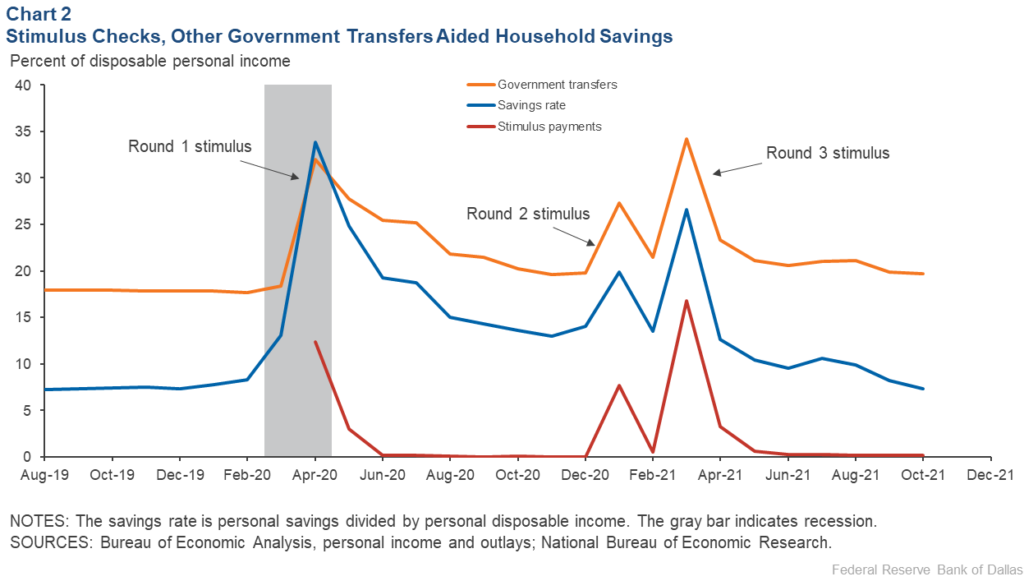
Federal stimulus checks were officially called Economic Impact Payments and were enacted only during the COVID-19 emergency. Congress passed three relief packages between 2020 and 2021 to stabilize households and the economy.
The payments were not permanent benefits. They were emergency fiscal interventions tied to a severe economic contraction, high unemployment, and widespread business closures.
Economic researchers at the Tax Policy Center found the payments increased consumer spending and prevented millions of households from falling below the poverty line in 2020. The U.S. Bureau of Economic Analysis also recorded a temporary jump in personal income during the months payments were distributed.
Those conditions no longer exist at the same scale, which is one reason lawmakers have not introduced a comparable nationwide program.
Why the 2026 Stimulus Check Rumors Are Spreading
Confusion With Tax Refunds
The most common explanation behind 2026 Stimulus Check claims is the Recovery Rebate Credit. Individuals who did not receive one or more pandemic payments can still claim them by filing a tax return.
Tax professionals report a recurring pattern. Taxpayers file older returns, receive a deposit, and assume a new stimulus program exists. In reality, they are receiving a delayed refund.
The IRS notes in taxpayer guidance that these payments are calculated through standard tax filing procedures and are not new federal benefits.
State Relief Payments Add to Confusion
State governments occasionally distribute surplus revenue or inflation-relief payments. These can include:
- energy assistance checks
- property tax rebates
- inflation relief payments
Because they arrive as direct deposits or checks, recipients often label them “stimulus,” even though they are funded by state budgets rather than federal legislation.
How Federal Payments Are Actually Approved
A real stimulus payment requires a formal legal process:
- Congress drafts and passes legislation.
- The president signs the bill.
- The Treasury Department funds the program.
- The IRS distributes payments.
This structure is required because federal spending must be authorized by law under the U.S. Constitution. The IRS is an administrative agency, not a policy-making body. It implements tax law but cannot create spending programs.
If a 2026 Stimulus Check were approved, it would be debated publicly in Congress and widely covered by financial markets, economists, and major news organizations.
How to Verify IRS Payment Updates
Step 1 — Check Congress
A nationwide stimulus cannot exist without legislation. Congressional votes are public records and are quickly reported by multiple outlets.
Step 2 — Confirm Through IRS.gov
The IRS posts major payment programs prominently on its homepage and newsroom. During the pandemic, announcements appeared immediately after legislation passed.
Step 3 — Look for an Official Tracking Tool
Previous payments included a tracking portal allowing taxpayers to check eligibility and delivery status.
Step 4 — Verify Through Major News
Large financial policies affect markets, government budgets, and international economics. Any real stimulus would appear instantly across global media coverage.
Scams Linked to the Rumors
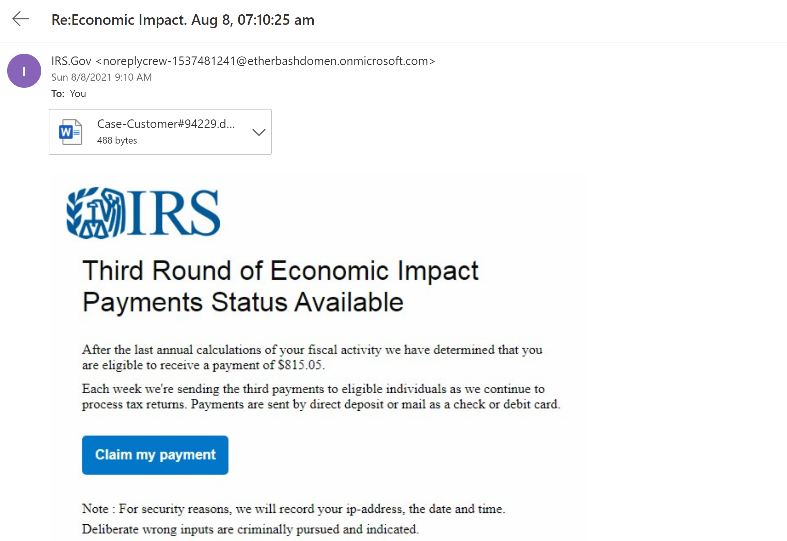
The Federal Trade Commission reports stimulus-related fraud attempts increase whenever rumors circulate. Criminals exploit urgency and confusion.
Common messages include:
- “Claim your 2026 stimulus immediately”
- “Eligibility verification required”
- “Provide bank details for direct deposit”
The IRS states it never requests personal information through unsolicited emails, text messages, or social media.
Why Some Americans Are Still Receiving Money
Recovery Rebate Credit
People who missed earlier payments may still obtain funds by filing tax returns. The payment appears identical to a stimulus deposit but is legally categorized as a refund.
Amended Returns
Taxpayers who correct filing errors may also receive additional refunds.
Earned Income Tax Credit
Lower-income households often qualify for tax credits that produce large refunds. Because the amounts can resemble past stimulus payments, they contribute to misunderstanding.
Economic Conditions and the Possibility of a Future Payment
Economists say stimulus checks are used rarely because they significantly affect federal spending and inflation.
The Congressional Budget Office has previously warned that large, broad payments increase government deficits. Some lawmakers support targeted aid instead, such as unemployment benefits or tax credits, rather than universal payments.
Financial analysts also note that inflation concerns make lawmakers cautious. During 2021-2022, consumer prices rose at the fastest pace in decades. Some policymakers argued large fiscal transfers added to demand.
That debate makes a new nationwide stimulus less likely without a major economic shock.
Social Media and Misinformation
The modern rumor cycle often begins with short videos or reposted articles lacking context. Experts in digital literacy say financial misinformation spreads faster than corrections.
Researchers at the University of Washington studying online misinformation found economic topics, especially government benefits, receive high engagement because they directly affect personal finances.
This explains why 2026 Stimulus Check claims frequently reappear even without official announcements.
What Would Happen If a Real 2026 Stimulus Check Were Approved
If Congress approved a payment, several immediate developments would occur:
- financial markets would react
- banks would prepare deposit processing
- the Treasury would announce distribution timelines
- the IRS would publish eligibility rules
Historically, payments were distributed within weeks, and millions of Americans tracked them through official portals.
Practical Advice for Taxpayers
To safely verify a payment:
- Only use IRS.gov
- Ignore links sent by strangers
- Do not share Social Security numbers through messages
- Contact a certified tax professional if unsure
The IRS also allows taxpayers to create secure online accounts to review payment history.
FAQs About 2026 Stimulus Check Rumors
Is the 2026 Stimulus Check real?
No federal law authorizes a nationwide payment at this time.
Why did I receive money?
Most deposits are tax refunds, delayed credits, or state payments.
Can the IRS send surprise deposits?
No. Nationwide payments must be publicly announced.
Are emails about eligibility real?
No. The IRS does not initiate contact through unsolicited electronic messages.