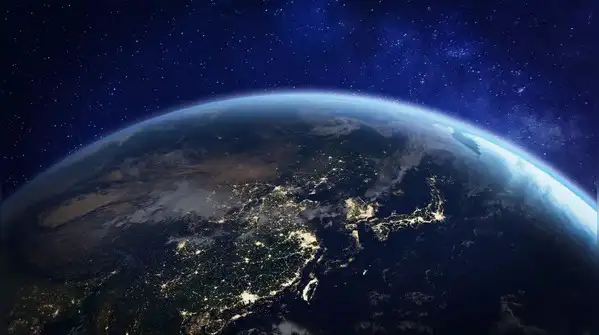

Look up at the sky tonight. Imagine that instead of fading into darkness after sunset, the horizon glows with a soft silver light, almost like a permanent twilight. That possibility is at the heart of a fascinating scientific proposal. The concept of 4000 Mirrors In Space is no longer just a sci-fi dream. Engineers and space planners are seriously discussing it.
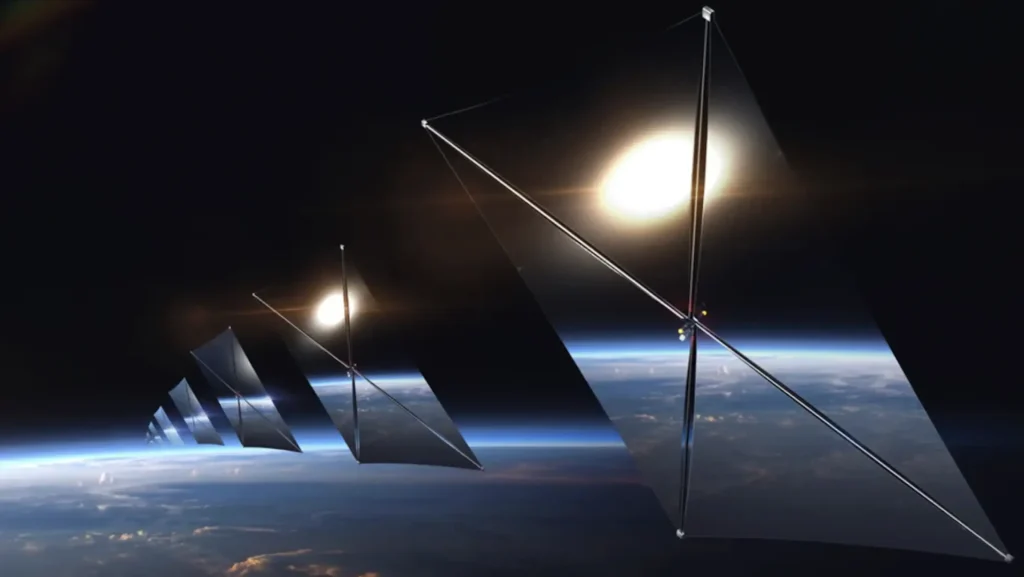
The idea behind 4000 Mirrors In Space is straightforward: place thousands of reflective satellites into orbit so they can bounce sunlight back to Earth after dusk. What makes the idea so compelling is how practical its goals appear. Cities around the world spend huge amounts of electricity on outdoor lighting, while rescue teams often struggle to operate safely during nighttime disasters. A network of orbiting reflectors could provide gentle illumination without wires, fuel, or power stations. At the same time, it raises deeper questions about astronomy, wildlife, and whether humans should change something as fundamental as the night sky.
The proposal known as 4000 Mirrors In Space centers on a constellation of lightweight reflective satellites designed to redirect sunlight toward Earth’s surface. Instead of powerful beams or glaring brightness, the mirrors would create a mild glow similar to bright moonlight. Scientists believe the brightness would fall somewhere between a full moon and early dusk, enough to improve visibility without overwhelming natural darkness. Supporters believe it could help reduce electricity use, assist emergency response, and even support agriculture in regions with long winter nights. Critics worry about light pollution and interference with astronomical research. The project would rely on coordinated satellite orientation, solar reflection angles, and continuous ground control. If successful, it could become one of the most noticeable technologies ever placed into orbit.
Table of Contents
A Plan to Put 4000 Mirrors in Space
| Key Element | Details |
|---|---|
| Number of mirrors | Around 4,000 reflective satellites |
| Orbit | Low Earth Orbit |
| Light source | Reflected sunlight |
| Brightness | Similar to strong moonlight |
| Main purpose | Extend twilight illumination |
| Control | Ground-based orientation systems |
| Key benefits | Energy savings, emergency lighting |
| Main concerns | Light pollution and astronomy interference |
How The Mirrors Would Work
- Each unit in the 4000 Mirrors in Space system would be a small satellite carrying a thin reflective panel. After launch, the panel would unfold in orbit and align using onboard orientation systems. Ground operators would adjust the angle, so sunlight reflects toward selected areas shortly after sunset or just before sunrise.
- Because satellites travel rapidly across the sky, the reflected light would not stay fixed. Instead, it would move slowly across the ground in a gentle sweep. People on the surface would not see a spotlight. They would experience a gradual brightening, similar to extended twilight.
- The technology itself is not as unrealistic as it sounds. Modern satellites already track the Sun using solar panels. Engineers would simply adapt similar tracking systems, replacing electricity-producing panels with reflective surfaces designed specifically to redirect sunlight.
Why 4,000 Mirrors?
- The number sounds enormous, but orbital mechanics explain it clearly. Earth rotates continuously, and satellites move extremely fast. A single reflector would pass over a location only occasionally. Even hundreds of mirrors would provide very limited coverage.
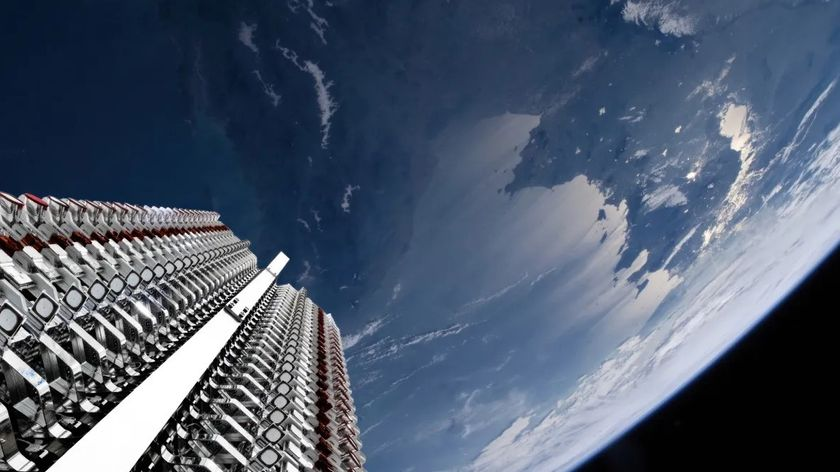
- A network of thousands allows frequent passes over populated areas. The 4000 Mirrors in Space plan depends on overlapping coverage. As one satellite moves away, another approaches, creating repeated periods of illumination. The result would feel like extended evening light rather than brief flashes. In many ways, the system would function like global communication satellite networks, except its service would be visible to anyone who looks up at dusk.
Potential Benefits of the Plan to Put 4000 Mirrors in Space
Reduced Energy Consumption
- Outdoor lighting consumes a surprising amount of electricity worldwide. Highways, ports, industrial sites, and parking areas stay lit throughout the night. Even a small reduction in artificial lighting could save large amounts of energy.
- If cities dimmed or delayed streetlights during mirror illumination, they could reduce electricity usage and carbon emissions. The 4000 Mirrors In Space concept relies entirely on sunlight, meaning it produces illumination without burning fuel.
Emergency And Disaster Response
- After major disasters such as earthquakes, floods, or hurricanes, darkness becomes a serious obstacle. Emergency crews often rely on generators and portable lighting equipment. These tools are limited and slow to deploy.
- Orbital illumination could provide immediate visibility across affected areas. Rescue workers could search debris, deliver aid, and move equipment safely. For disaster management agencies, this may be one of the strongest arguments in favor of the project.
Agriculture And Remote Regions
- In northern parts of the world, winter daylight hours can be extremely short. Farmers and rural communities often work in near darkness for months. Supplemental twilight from 4000 Mirrors In Space could help with livestock care, crop monitoring, and outdoor work.
- Remote settlements with unreliable electricity might also benefit from safer nighttime movement without expensive infrastructure.
Concerns And Criticism
Impact On Astronomy
- Astronomers are among the most vocal critics. Observatories require dark skies to detect distant galaxies and faint cosmic signals. Even minor background brightness can interfere with telescope imaging.
- Current satellite constellations already create streaks in long-exposure images. A reflective constellation designed specifically to redirect sunlight could significantly increase observation difficulties.
Light Pollution
- Environmental researchers emphasize that darkness is part of Earth’s natural cycle. Many species depend on nighttime conditions for survival. Migrating birds navigate using stars, insects follow natural light cues, and marine animals respond to lunar patterns.
- Artificial sky brightness from 4000 Mirrors In Space could disturb these behaviors. Scientists also warn that prolonged brightness may affect human sleep cycles in urban areas.
Cultural And Psychological Effects
Human history is deeply connected to the night sky. Navigation, mythology, and early science all depended on observing stars. For many people, seeing a dark sky filled with constellations is still a powerful experience. Changing the natural rhythm of night could reduce star visibility and alter humanity’s relationship with the universe. While difficult to measure scientifically, cultural impact remains an important part of the debate.
Technical Challenges
The proposal faces significant engineering obstacles.
- First is precision control. Each mirror must point accurately while moving at high orbital speed. Even a tiny alignment error would send reflected light far away from its intended location.
- Second is space debris. Thousands of additional satellites increase the chance of collisions. Engineers would need automatic avoidance systems and reliable deorbit mechanisms at the end of each satellite’s life.
- Third is cost. Launching 4,000 satellites would require numerous rocket missions. Even with reusable launch vehicles, the investment would be enormous. Maintenance, monitoring, and replacements would add ongoing expenses.
What Happens Next
- At the moment, the concept remains in the research stage. Engineers are discussing small-scale demonstrations with a few reflective satellites to study brightness levels and environmental effects. Public reaction will also matter, since the sky belongs to everyone. International approval would likely be required because reflected light would cross national borders. Space agencies, environmental organizations, and astronomical institutions would all play a role in deciding whether the 4000 Mirrors In Space project moves forward.
- The idea ultimately raises a larger question. Humanity already relies heavily on satellites for communication, navigation, and weather forecasting. Extending daylight from orbit would represent a new level of influence over the natural world. Whether the project succeeds or never launches, it has already sparked global discussion. It forces us to reconsider what night means. Darkness is not simply the absence of light. It shapes ecosystems, culture, and human experience. If one day twilight lasts a little longer because of mirrors circling above Earth, the sky we have known for thousands of years may quietly change forever.
FAQs on 4000 Mirrors in Space
1. Would the mirrors turn night into daytime?
No. The brightness would resemble moonlight or late evening twilight, not daylight.
2. Could the mirrors be turned off?
Yes. Operators could adjust the angle of the mirrors so they no longer reflect sunlight toward Earth.
3. Will it affect stargazing?
It may reduce visibility of faint stars, especially during twilight periods, which is why astronomers are concerned.
4. Is the project approved?
No, it is still under study and has not yet been authorized for full deployment.