

Government welfare programs are created to protect vulnerable households from hunger and financial hardship. However, a recent case involving an elderly widow revealed how quickly assistance can turn into a serious debt. After receiving food assistance for several years, she unexpectedly learned she owed nearly $9,000.
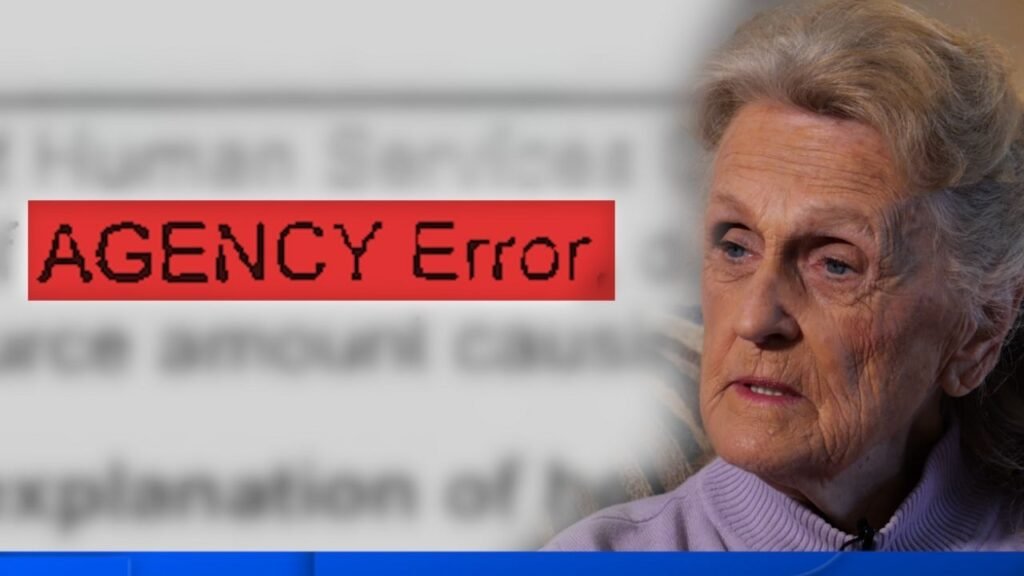
She had not committed fraud, hidden income, or intentionally misreported anything — the problem came from a calculation mistake. Still, repayment was required. The situation alarmed many families because it showed a harsh reality: approval does not always guarantee long-term eligibility.
Most people assume that once the government approves benefits, the details have been checked thoroughly and permanently. In reality, eligibility is continuously reviewed and recalculated. Assistance programs depend on income levels, household changes, and documentation accuracy. When a discrepancy is found — even years later — the agency must recover the excess amount. This means recipients can face deductions or repayment obligations despite believing they did everything correctly.
Table of Contents
SNAP Overpayment Repayment Rules
The story demonstrates how the Supplemental Nutrition Assistance Program (SNAP), commonly known as food stamps, actually operates. The elderly woman received monthly payments for more than three years. Later, officials determined she was never technically eligible because an administrative data-entry error miscalculated her eligibility. The payments were classified as an “overpayment,” which legally requires repayment.
SNAP benefits are conditional financial support. If a person receives more assistance than they qualify for — whether due to reporting delays, misunderstanding rules, or agency mistakes — the difference becomes a debt under federal regulations.
84-Year-Old Ordered To Repay $9,000 SNAP Error
| Key Detail | Information |
|---|---|
| Recipient | 84-year-old widow |
| Program | SNAP (Food Assistance) |
| Duration Of Benefits | About 3½ years |
| Monthly Payments | Approximately $112–$348 |
| Total Overpayment | About $8,927 (~$9,000) |
| Cause | Agency calculation/data entry error |
| Repayment Requirement | Mandatory under federal law |
| Possible Recovery Methods | Benefit reduction, payment plan, tax refund interception, Social Security deductions |
Why You Can Still Owe Money Even If You Did Nothing Wrong
Many recipients find it unfair that repayment is required when the mistake was not theirs. However, SNAP regulations focus on correcting benefit amounts rather than assigning blame. The program is designed to ensure households receive exactly the assistance they qualify for.
Overpayments can occur due to:
- incorrect income records
- savings miscalculations
- delayed reporting
- household changes
- administrative errors
These are legally called overpayment claims. Even when officials acknowledge agency fault, repayment is still required because the funds come from public resources and must be accounted for.

The Real Lesson
The biggest misunderstanding about assistance programs is assuming approval equals permanent accuracy. SNAP eligibility is ongoing and constantly verified. Changes in income, savings, or living arrangements can immediately affect qualification.
In the case discussed, the error lasted for over three years. Because it went unnoticed, a small monthly difference grew into thousands of dollars. This shows that benefit programs work similarly to tax records — they require regular review and monitoring.
How To Avoid A Similar Situation (Very Practical Checklist)
1) Report Every Change Quickly
Late reporting is one of the main causes of overpayment debts.
Notify the agency immediately if:
- employment status changes
- income increases or decreases
- savings grow
- someone moves in or out
- housing costs change
- pension or retirement benefits adjust
If a change should have reduced benefits and is not reported, overpayment begins from that month.
2) Double-Check Your Approval Notice
Many people never read the details in their approval letter. This can be costly.
Verify:
- listed income
- household members
- rent details
- deductions
- medical expenses
If the benefit amount seems unusually high, contact the agency immediately. Early corrections can prevent future repayment.
3) Track Your Benefits Monthly
Watch for sudden increases or unexpected adjustments in payments. Some overpayments continue for years because recipients assume the government already verified everything.
Treat benefit amounts as something to monitor rather than blindly trust.
4) Keep Documentation
Records are extremely important.
Save copies of:
- pay slips
- bank statements
- reporting confirmations
- official letters
- renewal forms
If an overpayment notice appears, documentation can help prove you reported correctly and may reduce repayment responsibility.
5) Take Recertification Seriously
SNAP requires periodic eligibility reviews. These are formal recalculations, not routine paperwork.
Incorrect or incomplete information during recertification can result in inaccurate benefits and eventually a repayment claim.
6) Seniors Should Report Medical Deductions
Older adults often forget to report deductible medical expenses such as:
- insurance premiums
- prescription costs
- medical equipment
These expenses affect eligibility calculations. If recorded incorrectly, they can lead to incorrect benefit amounts.
If You Ever Receive An Overpayment Notice
Ignoring the notice is risky. Authorities may recover funds by reducing benefits or collecting from other payments.
Instead:
- Request a written explanation
- Review calculations carefully
- Ask for a hearing or appeal
- Arrange a payment plan
Responding early often makes repayment easier to manage.
Final Thoughts
This situation is not just a rare story — it is a warning about how assistance systems function. Welfare programs provide essential support, but they operate under strict accounting rules. Even government mistakes can later become a recipient’s financial obligation.
The safest approach is active involvement. Monitor benefits, report changes promptly, and maintain records. Assistance programs are helpful, but they require attention and responsibility from recipients.
Understanding the process can prevent long-term financial stress. A few minutes spent reviewing benefits regularly may save thousands of dollars in the future.