

The idea of orbital data centers has a way of grabbing attention the moment it comes up. Massive servers floating above Earth, powered by endless sunlight, free from land limits and local energy grids—it sounds like the perfect answer to the growing strain on global computing infrastructure. As artificial intelligence, cloud services, and data hungry applications continue to expand, the pressure on traditional data centers has never been higher. It’s no surprise that orbital data centers are being talked about as a bold alternative. But while the concept feels futuristic and exciting, not everyone in the industry is convinced. In fact, recent remarks from AWS leadership have brought a sharp reality check to the conversation. According to the AWS chief, the hype around orbital data centers is running far ahead of what’s technically and economically feasible. Instead of promising a space based future anytime soon, AWS is urging the industry to focus on solving real problems here on Earth first.
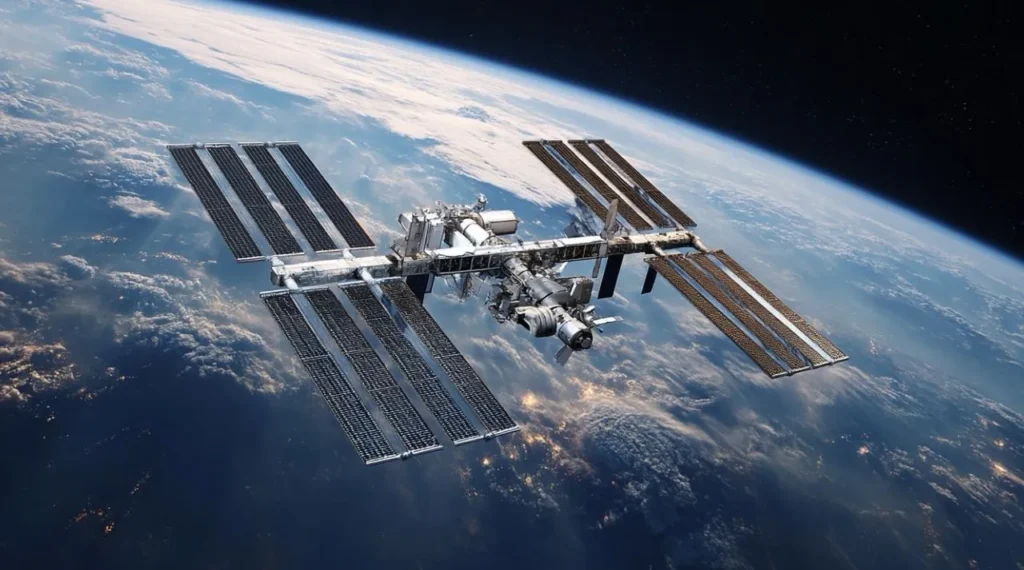
The renewed interest in orbital data centers is closely tied to one big issue: demand. AI models are getting larger, training cycles are getting longer, and cloud usage keeps climbing. Data centers are consuming more power than ever before, and in some regions, communities are pushing back against new facilities due to environmental and infrastructure concerns. At first glance, orbital data centers seem like an elegant solution. Move the infrastructure off planet, avoid land conflicts, and tap into solar energy without interruption. However, AWS leadership has been clear that this vision glosses over some extremely difficult challenges. Launching hardware into space is still expensive. Maintaining equipment in orbit is risky. And replacing failed components is nothing like swapping out a server rack on Earth. From AWS’s point of view, the technology simply isn’t ready. The company sees orbital data centers as an interesting idea, but one that belongs more in long term research than near term planning.
Table of Contents
Orbital Data Centers
| Aspect | Key Insight |
|---|---|
| Core Concept | Hosting large scale data centers in Earth orbit |
| Main Appeal | Solar power, reduced land use, futuristic scalability |
| Aws Position | Not practical or cost effective today |
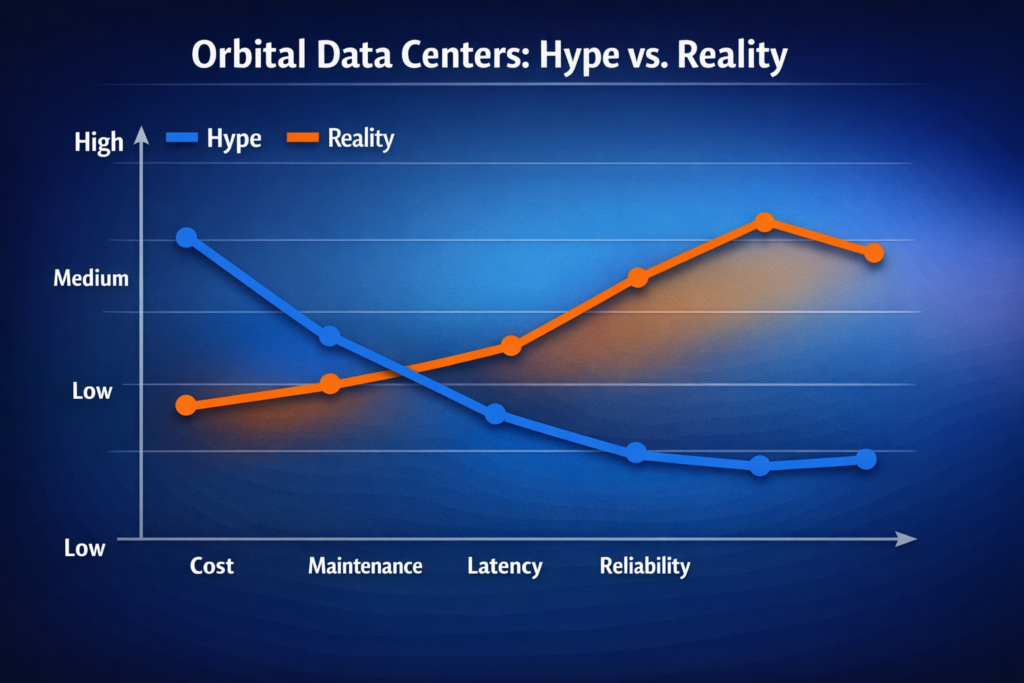
| Major Challenges | Launch costs, maintenance, latency, reliability |
| Current Focus | Improving efficiency of ground based data centers |
Orbital data centers may sound like the future, but according to AWS, that future is not ready yet. The technical hurdles are high, the costs are steep, and the risks are significant. While the idea captures attention, it does not currently offer a practical solution to today’s computing challenges. For now, the cloud is staying grounded. And in AWS’s view, that’s where the most meaningful progress is happening through steady innovation, improved efficiency, and solutions that work at scale today, not just in theory tomorrow.
The Growing Demand for Computing Power
- There’s no question that computing demand is exploding. AI alone has changed the scale of what data centers need to support. Training advanced models requires enormous processing power, specialized hardware, and vast amounts of electricity. Add cloud storage, streaming services, enterprise software, and edge computing into the mix, and the pressure becomes even clearer.
- This demand is one of the main reasons orbital data centers keep entering the conversation. When traditional solutions start to feel stretched, people naturally look for radical alternatives. But AWS argues that demand does not automatically justify a leap into orbit. Scaling infrastructure responsibly means balancing performance, reliability, cost, and sustainability.
- Instead of betting on unproven space based infrastructure, AWS believes the smarter move is improving efficiency at every level of existing data centers.
Why Space Sounds Better Than It Really Is
- On paper, orbital data centers have some attractive advantages. Space offers near constant sunlight, which could support solar powered operations. There’s no atmosphere, which eliminates certain environmental risks. And there’s no competition for land.
- However, the reality is far more complicated. Cooling systems in space don’t work the same way they do on Earth. Without air, heat must be radiated away using complex thermal systems. Designing and maintaining those systems adds weight, cost, and failure points.
- Latency is another major issue. Many cloud workloads require ultra low response times. Even small delays can disrupt applications like online gaming, financial trading, real time analytics, and AI inference. Orbital data centers, especially those beyond low Earth orbit, introduce delays that many customers simply won’t accept.
Technical Barriers Aws Is Not Willing to Ignore
- AWS executives have repeatedly highlighted maintenance as one of the biggest deal breakers. Modern data centers require constant attention. Hardware fails regularly. Software needs updates. Cooling and power systems must be monitored around the clock.
- In orbit, routine maintenance becomes a major operation. Sending technicians into space is expensive and risky. Relying entirely on autonomous systems raises questions about reliability and recovery when something goes wrong. Even a minor malfunction could result in months of downtime or permanent loss of equipment.
- Radiation exposure is another serious concern. Space radiation can degrade electronics over time, shortening hardware lifespan and increasing failure rates. Protecting systems against this environment adds more complexity and cost to an already difficult equation.
Cost Versus Benefit Does Not Add Up
- From a financial perspective, AWS sees little justification for orbital data centers right now. Even with advances in reusable rockets, launch costs remain high. Every kilogram of equipment sent into space increases expenses dramatically.
- Then there’s the cost of designing specialized hardware that can survive launch stress, radiation, and extreme temperature swings. When all of that is added together, the return on investment looks weak compared to Earth based alternatives.
- AWS has been clear that the same capital can deliver far greater impact when invested in improving existing infrastructure. Better chips, smarter cooling, and renewable energy integration offer immediate benefits without the risks tied to space deployment.
Earth Based Innovation Remains The Priority
Rather than chasing orbital data centers, AWS is focusing on practical innovation. Custom silicon has already reduced power consumption across many workloads. Machine learning driven cooling systems are cutting energy waste. New data center designs use less water and integrate renewable energy sources more effectively. These improvements may not sound as exciting as space-based servers, but they scale. When applied across thousands of facilities, even small efficiency gains translate into massive energy savings and lower costs for customers. From AWS’s perspective, innovation is about results, not spectacle.
Are Orbital Data Centers Completely Off the Table
- Despite the skepticism, AWS has not dismissed the concept entirely. Executives acknowledge that technology evolves, sometimes faster than expected. If launch costs drop dramatically, autonomous maintenance systems improve, and hardware becomes more resilient, orbital data centers could become more realistic.
- However, that future is still far away. For now, AWS views orbital data centers as a long term possibility rather than a practical roadmap. The company prefers to invest where it can deliver measurable value today.
The Role Of Imagination and Reality In Tech Futures
- Part of the appeal of orbital data centers comes from science fiction and visionary thinking. Space based infrastructure has long been portrayed as the natural next step for advanced civilizations. These stories influence how people think about technology and what feels possible.
- AWS leadership is pushing back against letting imagination outrun engineering. While dreaming big is important, building reliable global infrastructure requires caution, testing, and proven solutions. The cloud powers hospitals, financial systems, governments, and businesses. It cannot afford experimental instability.
What This Means For The Future Of Cloud Computing
- The debate around orbital data centers highlights a larger truth about the cloud industry. Growth is not slowing down, but the path forward will likely be more incremental than revolutionary. Efficiency, sustainability, and reliability will shape the next phase of cloud infrastructure more than flashy concepts.
- AWS’s stance sends a clear message. The future of cloud computing will be built through smarter design, not dramatic relocation.
FAQs on Orbital Data Centers
What Are Orbital Data Centers
Orbital data centers are proposed computing facilities placed in Earth orbit instead of on the ground, designed to handle cloud and data processing workloads.
Why Is Aws Skeptical About Orbital Data Centers
AWS believes the technical challenges, high costs, maintenance difficulties, and latency issues outweigh the potential benefits at this time.
Do Orbital Data Centers Reduce Environmental Impact
While they could use solar energy, the energy and materials required for launches and specialized hardware reduce many of the environmental advantages.
Could Orbital Data Centers Become Viable in The Future
They might become viable if launch costs fall significantly and autonomous maintenance technology improves, but experts see this as a long-term possibility.