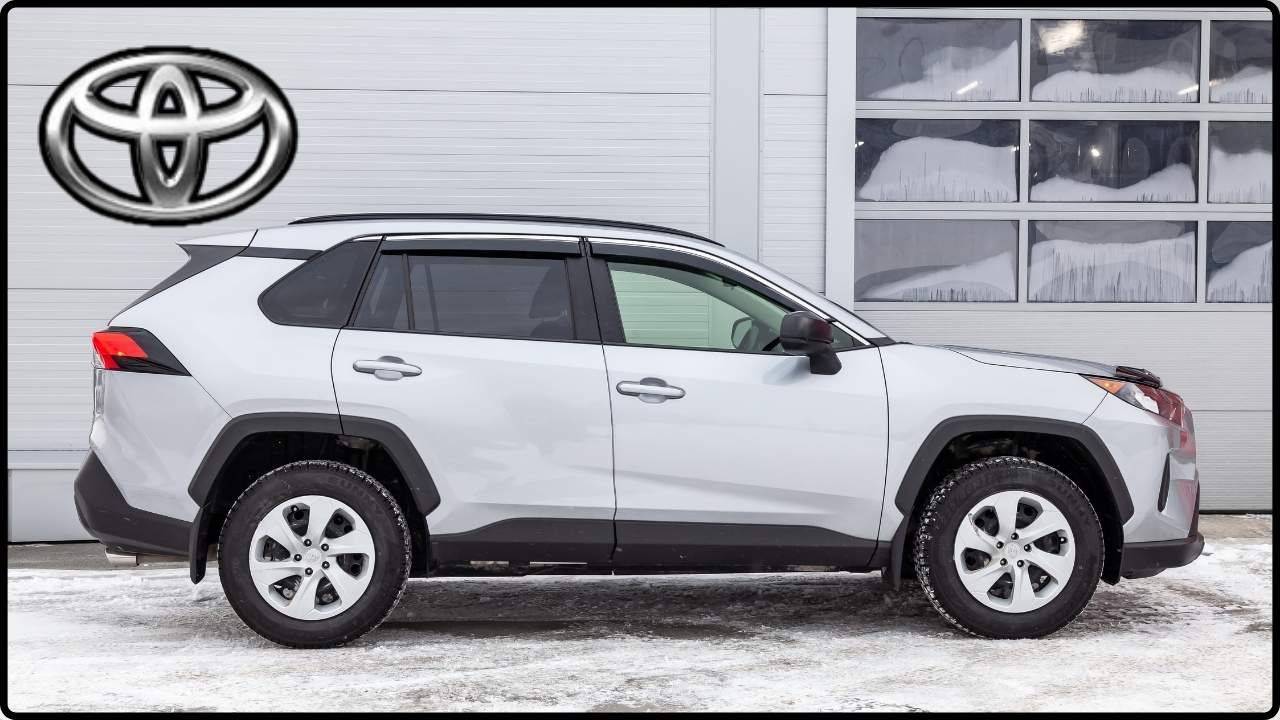

The pickup truck world doesn’t reinvent itself very often, which is exactly why the latest Hilux reveal has caught so much attention. Toyota has officially pulled the covers off the next-generation Hilux, and it’s clear the brand is playing a long game. The Toyota Hilux 2026 isn’t just about staying relevant for another product cycle.
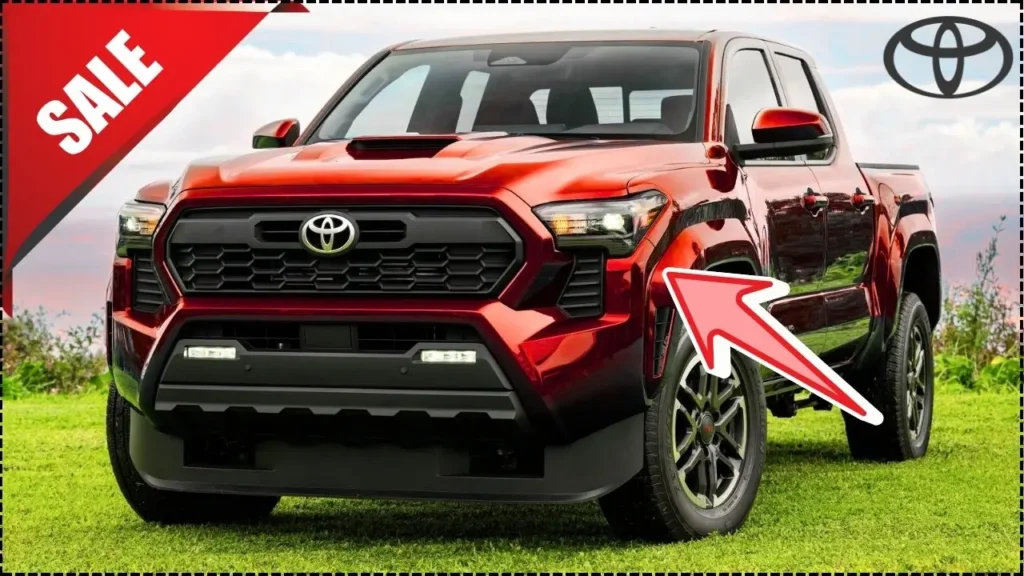
It’s about preparing one of the world’s most trusted pickups for a future that includes stricter emissions rules, changing buyer expectations, and growing interest in electrified utility vehicles. That combination alone makes this reveal worth paying attention to. For decades, the Hilux has been synonymous with toughness. From remote construction sites to harsh off-road trails, it has built a reputation that few rivals can challenge. With the Toyota Hilux 2026, Toyota is careful not to mess with that formula. Instead, it adds layers of modern thinking on top of proven engineering. The result is a pickup that still feels familiar but is clearly designed for what’s coming next.
The Toyota Hilux 2026 represents a carefully measured evolution rather than a radical transformation. Toyota knows exactly who buys the Hilux and why. It’s purchased by people who value reliability, strength, and longevity above all else. At the same time, the pickup market is expanding, with lifestyle buyers and fleet operators expecting more refinement and cleaner power options. This new generation is Toyota’s answer to both groups. Built on an updated ladder-frame platform, the Toyota Hilux 2026 is designed to support multiple powertrains, including traditional diesel and a new electric option. That flexibility is key to its global relevance. Toyota isn’t forcing one solution on every market. Instead, it’s giving buyers choices based on infrastructure, regulations, and real-world needs. This balanced approach is a big reason why interest in the new Hilux is already building across regions.
Table of Contents
Toyota Hilux 2026 Overview Table
| Key Aspect | Details |
|---|---|
| Model | Toyota Hilux 2026 |
| Platform | Updated ladder-frame chassis |
| Powertrain Options | Diesel and electric |
| Core Strengths | Durability, versatility, future readiness |
| Segment | Hardcore midsize pickup |
| Target Markets | Global |
Toyota Hilux 2026 Design
Toyota hasn’t tried to reinvent the Hilux visually, and that’s a smart move. The design of the Toyota Hilux 2026 builds on the tough, no-nonsense look that buyers expect, while adding sharper and more modern detailing. The front end looks more upright and purposeful, giving the truck stronger road presence. Subtle changes to the grille and lighting help it feel fresh without making it look flashy. Function still leads form here. Improved airflow and cooling efficiency play a role in the revised design, especially for heavy-duty use and hot climates. Along the sides, the proportions remain familiar, reinforcing the Hilux’s identity as a serious work vehicle. Whether parked on a job site or tackling rough terrain, the Toyota Hilux 2026 looks ready for action.
Diesel And EV Powertrains in Toyota Hilux 2026
- The biggest headline is Toyota’s decision to offer both diesel and electric powertrains. For many buyers, diesel remains non-negotiable. It delivers the torque, range, and reliability that pickups are known for, especially in regions where charging infrastructure is limited. The diesel version of the Toyota Hilux 2026 continues this tradition, with updates focused on cleaner emissions, better efficiency, and improved refinement.
- At the same time, Toyota is introducing an all-electric Hilux for markets that are moving quickly toward zero-emission vehicles. This isn’t a token effort. The electric Hilux is designed to function as a real pickup, not just a compliance model. Instant torque is expected to improve low-speed off-road capability, while quieter operation and lower running costs could appeal to urban fleets and commercial users. By offering both options, the Toyota Hilux 2026 avoids forcing buyers into a single future.
Platform And Underpinnings
- Under the skin, the updated ladder-frame platform is one of the most important upgrades. Toyota has improved structural rigidity, which helps with handling, ride comfort, and load stability. This matters whether the truck is carrying heavy cargo or navigating uneven terrain. The revised platform also allows Toyota to integrate different powertrains without compromising strength.
- Suspension tuning has been refined to better balance comfort and capability. Pickups today are often used as daily drivers, and Toyota clearly understands that. The Toyota Hilux 2026 aims to feel more stable and comfortable on the road while remaining tough enough for demanding off-road use.
Interior And Technology in Toyota Hilux 2026
Step inside the cabin, and the changes become more noticeable. Toyota has moved the Hilux closer to modern expectations without turning it into a luxury vehicle. The interior of the Toyota Hilux 2026 focuses on practicality, improved materials, and better ergonomics. Controls are easier to reach, and the overall layout feels more intuitive. Technology plays a bigger role than before. Updated infotainment systems, improved connectivity, and enhanced safety features reflect how buyers now use their pickups. Whether it’s long highway drives, city commuting, or work-related travel, the Hilux interior feels better suited to everyday life. These upgrades help the Toyota Hilux 2026 appeal to a wider audience without alienating traditional users.
Global Strategy of Toyota Hilux 2026
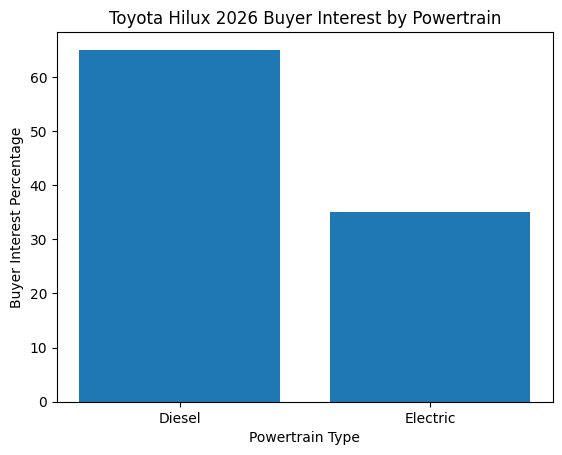
- Toyota’s global strategy with the Hilux is one of its biggest strengths. The pickup is sold in a wide range of markets, each with different regulations and customer priorities. By offering diesel and electric options on the same platform, Toyota can adapt quickly without redesigning the vehicle from scratch.
- In developing markets, diesel remains essential for reliability and range. In developed regions with stricter emissions laws, the electric Hilux provides a future-ready alternative. This flexibility ensures that the Toyota Hilux 2026 remains competitive worldwide, regardless of how fast individual markets transition toward electrification.
Why The Toyota Hilux 2026 Matters
The pickup segment is changing faster than ever. New competitors are entering the market with bold designs and electric powertrains, but many struggle to match the trust that established models have built over decades. The Toyota Hilux 2026 stands out because it doesn’t abandon its roots in the pursuit of innovation. Instead, Toyota has taken a realistic approach. It improves what matters, adds new technology where it makes sense, and gives buyers choices rather than ultimatums. This strategy strengthens the Hilux’s position as a benchmark in the hardcore pickup segment. For many buyers, the Toyota Hilux 2026 represents the safest bet in an uncertain automotive future.
Market Impact And Buyer Interest
Early reactions suggest strong interest in the new Hilux, particularly because of its dual powertrain strategy. Fleet operators are watching the electric version closely, while traditional buyers are reassured by the continued availability of diesel. This broad appeal is likely to translate into strong sales once the Toyota Hilux 2026 reaches showrooms. The pickup market rewards consistency, and Toyota has delivered exactly that. By modernizing without overcomplicating things, the Hilux remains relevant to both long-time fans and new customers exploring pickups for the first time.
FAQs on Toyota Hilux 2026
Is The Toyota Hilux 2026 Fully Electric?
No. The Toyota Hilux 2026 is available with both diesel and electric powertrain options, depending on the market.
Will Diesel Still Be Offered in the New Hilux?
Yes. Diesel remains a core part of the Hilux lineup and continues alongside the electric version.
Is The Electric Hilux Suitable For Off-Road Use?
Toyota is developing the electric Hilux to retain off-road capability, with instant torque expected to help in challenging conditions.
When Will the Toyota Hilux 2026 Be Launched?
The launch will take place in select global markets first, with timelines varying by region.