
Most people imagine Antarctica as a place frozen in time endless white plains, howling winds, and temperatures that rarely rise above extreme cold. For decades that image has defined how we think about the southernmost continent. But scientists are now uncovering evidence that challenges this picture entirely.
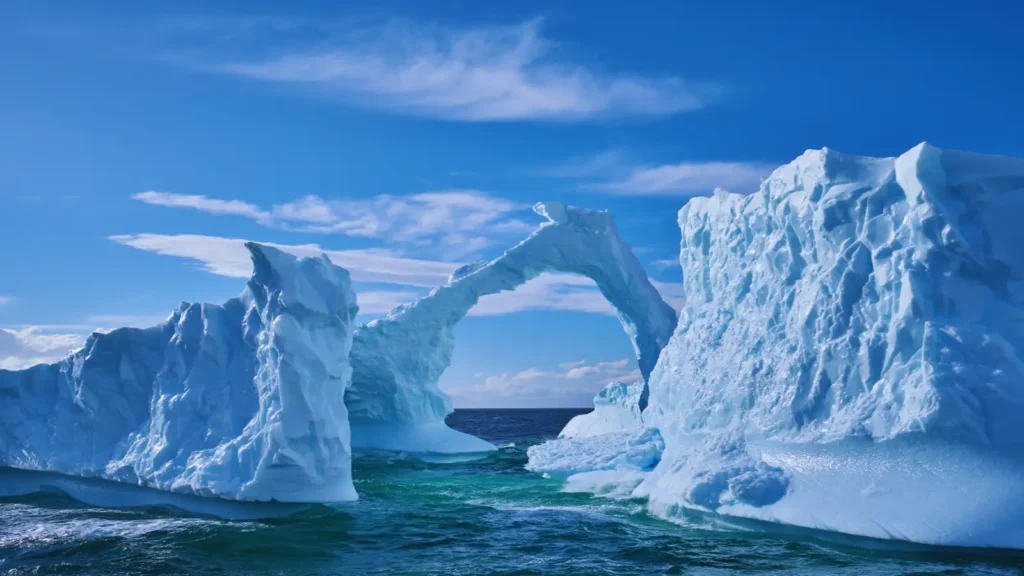
Research over the past few years suggests the continent once looked radically different. The discussion around Pre-Ice Antarctica has grown from an academic theory into a serious scientific debate. In fact, Pre-Ice Antarctica may have been a land of rivers, forests, and seasonal weather rather than permanent ice. This matters far beyond geology. Antarctica holds most of the planet’s freshwater ice, and its stability directly affects global sea levels. By understanding how the continent behaved in ancient warm climates, researchers are trying to answer a modern question: how sensitive is Antarctic ice to rising carbon dioxide today?
The phrase Pre-Ice Antarctica refers to the time before permanent continental ice sheets formed roughly 34 million years ago. During this period, the continent sat close to its current location near the South Pole but experienced a far warmer climate. Evidence gathered from drilling programs, fossil analysis, and satellite mapping indicates Pre-Ice Antarctica was not a frozen wasteland. Instead, Pre-Ice Antarctica included river valleys, vegetated coastlines, and moderate summer temperatures. Scientists studying Pre-Ice Antarctica now believe ice developed slowly and retreated multiple times before stabilizing. These findings are reshaping climate models because Pre-Ice Antarctica provides a natural example of how polar ice responds to rising greenhouse gases.
Table of Contents
New Clues About Pre-Ice Antarctica
| Evidence | What It Reveals | Approximate Age | Why It Matters |
|---|---|---|---|
| Fossil pollen | Temperate forest vegetation | 55 million years | Antarctica once supported plant life |
| Subglacial valleys | River carved landscapes | Before glaciation | Confirms rainfall and flowing water |
| Marine sediment cores | Organic plant material | 90–40 million years | Warm coastal ecosystems |
| Rock exposure dating | Repeated ice retreat | 14–3 million years | Ice sheets unstable in warm periods |
| Climate simulations | Warmer polar summers | Eocene era | High CO₂ linked to ice loss |
Ice-Free Coastlines and Ancient River Systems
- One of the strongest clues comes from technology capable of seeing beneath the ice. Aircraft equipped with ice-penetrating radar have mapped the land hidden below Antarctica’s ice sheet. Instead of a smooth rocky surface, scientists found huge branching valleys stretching for hundreds of kilometers.
- These valleys do not resemble landscapes formed by glaciers. Glaciers scrape and flatten terrain. The discovered formations look like river drainage networks seen in Scandinavia or Canada. This strongly suggests that Pre-Ice Antarctica experienced rainfall, surface runoff, and active rivers flowing toward the ocean.
- The discovery also explains modern glacier behavior. Today many Antarctic glaciers move faster than expected because they sit on ancient riverbeds carved millions of years ago. Those channels reduce friction and help the ice slide toward the sea.
Fossil Pollen and Ancient Forests
- Another breakthrough came from something almost invisible: pollen grains. Scientists drilling into the seafloor near Antarctica recovered sediment layers containing microscopic plant pollen. These particles came from land vegetation washed into coastal waters.
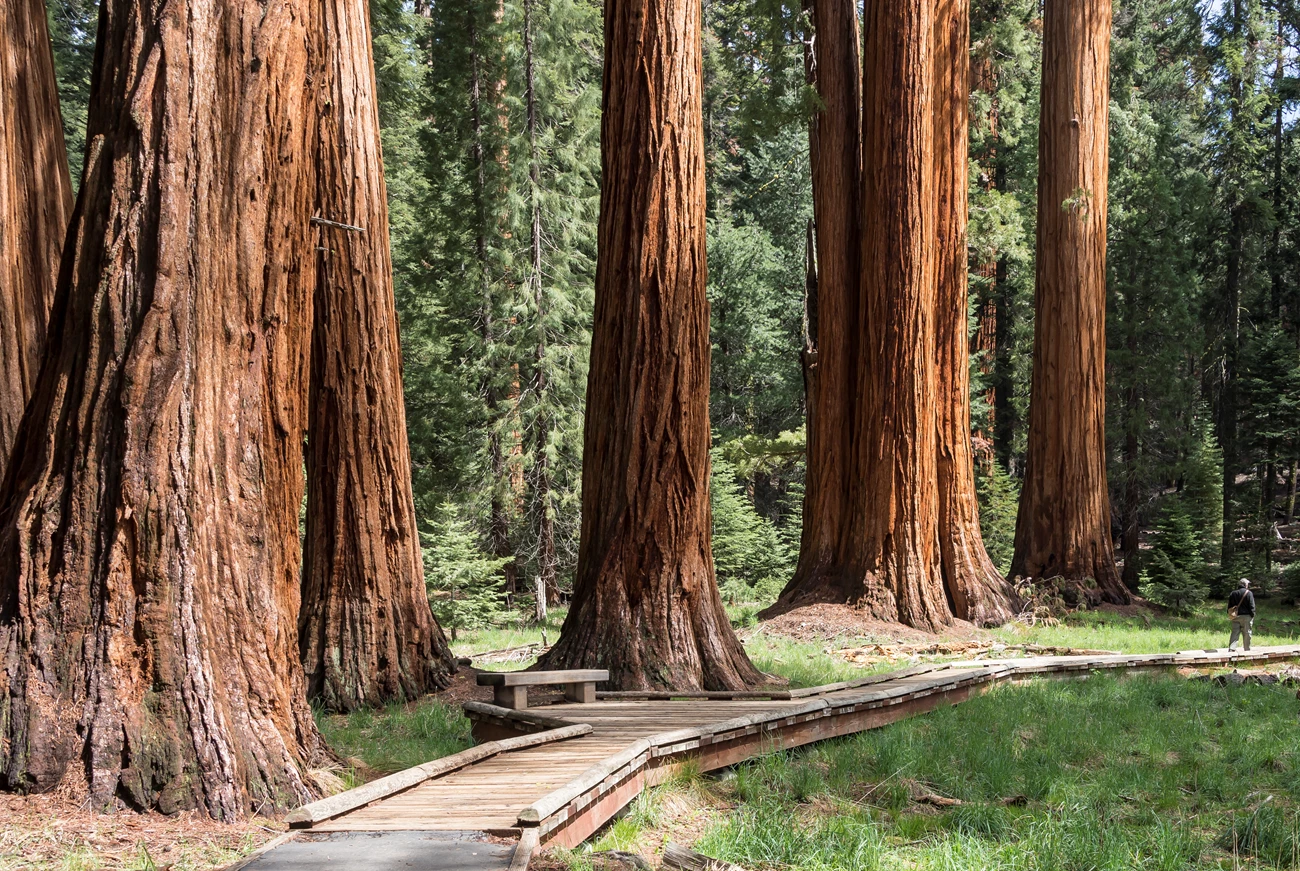
- The pollen belongs to temperate forest species, including early relatives of southern beech trees that still grow in Chile and New Zealand. Trees cannot survive in permanent freezing conditions. They require soil, sunlight, rainfall, and seasonal warmth.
- From these fossils, researchers reconstructed temperatures along Antarctica’s ancient coastlines. Summer temperatures may have ranged between 10 and 18 degrees Celsius. Instead of glaciers, parts of the continent likely had mossy ground, shrubs, and small forests.
- The existence of flowering plant pollen also shows the ecosystem was stable and biologically active, not just briefly thawed.
Sediment Cores from the Seafloor
- Ocean drilling programs have provided another line of evidence. Deep sediment cores collected from the Southern Ocean contain layers rich in organic carbon, leaf fragments, and soil particles. These are not marine deposits carried by currents. They are river transported material.
- Scientists identified leaf wax compounds and freshwater algae, confirming the material originated on land. Rivers carried organic debris into coastal basins before being buried under sediment.
- Even more surprising was the dating. Some deposits formed after early Antarctic glaciers already existed. This suggests the continent did not freeze in a single event. Instead, Pre-Ice Antarctica transitioned gradually, moving between warmer and colder phases.
- Ice sheets advanced, retreated, and reformed multiple times. The climate system controlling Antarctica was dynamic rather than stable.
Glacial Cycles And Climate Models
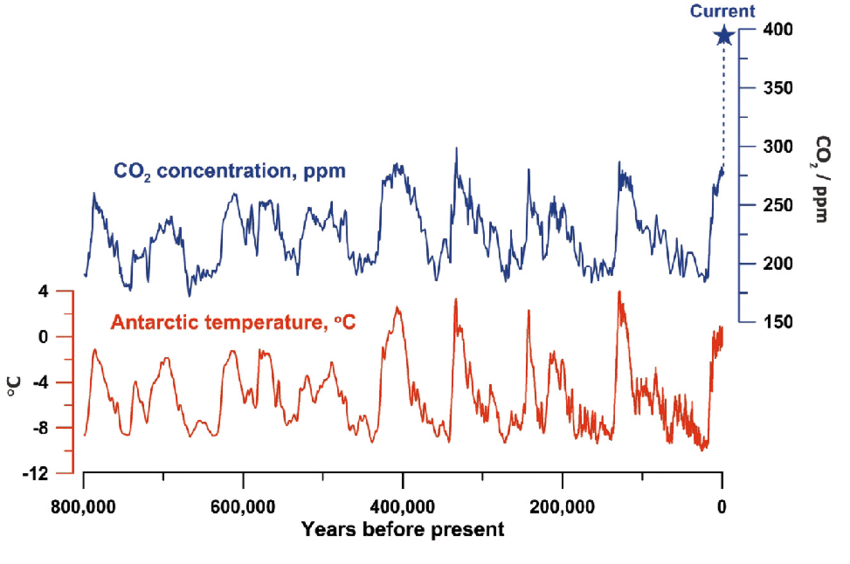
- Modern climate models now incorporate data from Pre-Ice Antarctica. Simulations indicate a key atmospheric threshold. When carbon dioxide levels rose above roughly 600 to 800 parts per million in ancient times, large sections of Antarctic ice destabilized.
- Rock exposure dating supports this. Scientists analyze rare isotopes that form when rocks are exposed to sunlight. Several Antarctic mountain ranges show evidence of repeated exposure between 14 and 3 million years ago. Each exposure means the ice sheet retreated enough to uncover land.
- This suggests major portions of the West Antarctic Ice Sheet may have collapsed more than once. The ice later returned when global temperatures cooled.
- Today carbon dioxide levels exceed 420 parts per million and continue rising. While modern conditions are not identical to ancient climates, the past provides a warning about long term ice sensitivity.
Why The Debate Persists
- Despite growing evidence, scientists still debate how extensive the melting was. Some researchers believe only coastal areas thawed while the interior remained frozen. Others argue entire basins lost their ice during warm intervals.
- The challenge lies in Antarctica itself. Nearly the entire continent is buried under kilometers of ice, limiting direct study. Researchers must rely on indirect evidence such as isotopes, fossils, and chemical signatures preserved in sediments.
- Different interpretations of the same data lead to ongoing disagreement. Yet most researchers now agree on one point: Antarctica’s ice has changed dramatically in the past and is not permanently stable.
Implications For Future Sea Levels
- Studying Pre-Ice Antarctica helps scientists estimate future sea level rise. Geological records from ancient warm periods show oceans were 20 to 60 meters higher than today. That level cannot occur without significant Antarctic ice loss.
- Satellite observations already show changes. Warm ocean water is melting ice shelves from below, weakening glaciers that rely on them for support. When ice shelves thin, inland glaciers flow faster toward the sea.
- This does not mean rapid global flooding in the immediate future. Ice sheets respond over decades to centuries. However, the ancient record indicates that once certain temperature thresholds are crossed, retreat becomes difficult to stop.
- Coastal cities, island nations, and low lying regions worldwide depend on how Antarctica behaves in the coming centuries.
A Continent With A Long Memory
- Antarctica appears silent and unchanging, but its geological record tells a far more dynamic story. Rivers carved valleys, forests grew along coasts, and ice expanded and retreated repeatedly. The study of Pre-Ice Antarctica shows Earth’s climate system is highly interconnected.
- The continent acts as a natural archive of planetary history. By understanding how it reacted to past warming, scientists gain insight into possible future outcomes.
- In simple terms, Antarctica is not only a record of Earth’s past climate. It is also a guide to Earth’s future.
FAQs on New Clues About Pre-Ice Antarctica
What Was Pre-Ice Antarctica Like
It was a warmer environment with rivers, lakes, vegetation, and temperate coastal forests rather than permanent ice cover.
When Did Antarctica Freeze Permanently
Permanent continental ice sheets formed around 34 million years ago during a major global cooling period.
Did Animals Live in Antarctica Before Ice
Yes. Fossil evidence shows dinosaurs and later early mammals lived there when the climate was milder.
Could Antarctica Melt Again
A complete melt would take very long timescales, but significant ice loss is possible if global temperatures continue rising for centuries.