

The Common Fitness Supplement and Alzheimer’s debate gained momentum after a small clinical trial reported measurable changes in brain chemistry and modest improvements in cognition among people diagnosed with the disease. Conducted in 2025 at an academic medical center in the United States, the research has drawn wide public interest because the supplement — creatine — is inexpensive and widely used in sports nutrition.
Scientists emphasize the findings are preliminary and not a treatment. Still, the results add to a growing body of evidence suggesting Alzheimer’s disease may involve disrupted cellular energy systems, not only abnormal protein buildup in the brain.
Table of Contents
A Common Fitness Supplement May Show Promise Against Alzheimer’s
| Key Fact | Detail/Statistic |
|---|---|
| Study size | 20 Alzheimer’s patients |
| Duration | 8 weeks |
| Main finding | ~11% increase in brain creatine levels |
| Cognitive results | Small improvements in memory and attention tests |
The Common Fitness Supplement and Alzheimer’s research reflects a broader shift in neuroscience toward understanding brain energy and cellular resilience. Larger clinical trials now underway will determine whether the widely used supplement becomes a meaningful medical tool or remains a promising laboratory observation.
What Scientists Actually Found
Researchers administered 20 grams of creatine monohydrate daily to participants diagnosed with Alzheimer’s disease. Using magnetic resonance spectroscopy — an imaging technique capable of measuring biochemical molecules in living tissue — scientists tracked changes inside the brain.
They observed increased creatine concentrations in most patients. Several participants also showed measurable improvement on standardized cognitive assessments, including attention tasks and reading recognition.
“This study demonstrates that the compound reaches the brain and changes metabolic activity,” investigators wrote in the peer-reviewed publication.
The significance is technical but important: many neurological supplements fail because they never cross the blood-brain barrier, the protective filter surrounding the brain.
Why Brain Energy Matters in Alzheimer’s
For decades, Alzheimer’s research focused primarily on amyloid plaques and tau tangles — abnormal proteins that accumulate in affected brains. These discoveries led to recent antibody-based drugs designed to remove amyloid.
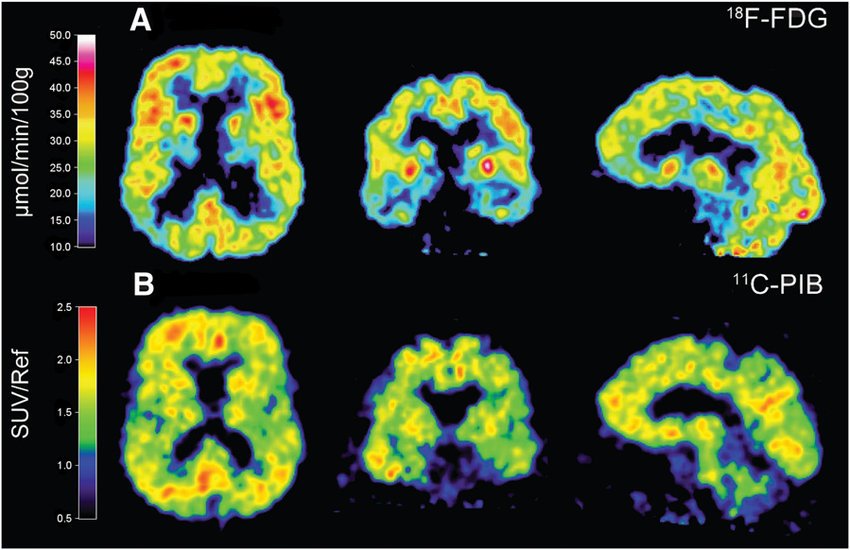
However, modern brain imaging has revealed another consistent feature: reduced metabolic activity in key memory regions years before symptoms appear.
Positron emission tomography (PET) scans show that the brain’s ability to use glucose — its primary fuel — declines early in the disease.
“Energy failure may be one of the earliest events in Alzheimer’s,” neurologists studying dementia metabolism have reported in recent scientific reviews.
The human brain uses roughly 20% of the body’s total energy while representing only about 2% of body weight. Even minor disruptions in fuel use can damage neurons.
How the Common Fitness Supplement Works Inside the Brain
The Biological Mechanism
Creatine helps cells rapidly regenerate ATP, the molecule that powers almost all biological activity. It forms phosphocreatine, which acts as an energy reserve.
When neurons experience metabolic stress, phosphocreatine donates phosphate molecules to replenish ATP.
This buffering system:
- stabilizes neurons during oxygen or glucose shortages
- supports synaptic signaling
- reduces oxidative damage
Laboratory experiments in animals have demonstrated improved mitochondrial performance and reduced neuron loss when creatine is present.
A Shift in Alzheimer’s Theory
The research aligns with a broader shift in neuroscience thinking. Many scientists now believe Alzheimer’s may involve multiple biological processes occurring simultaneously.
These include:
- protein aggregation
- inflammation
- vascular dysfunction
- metabolic impairment
Some researchers informally refer to the condition as a “brain energy disorder,” though this is not a formal medical diagnosis.
Rather than replacing amyloid theory, metabolic research expands it. Scientists now suspect amyloid buildup, inflammation, and energy deficits may interact.
Expert Reactions: Cautious Interest
Independent neurologists describe the findings as promising but limited.
“The data justify further research, but patients should not interpret this as therapy,” a geriatric neurologist reviewing the trial said in commentary published alongside the study.
Major limitations remain:
- small participant number
- absence of placebo group
- short observation period
Large randomized trials lasting one to two years will be required to determine whether disease progression slows.
Global Context: Why Researchers Are Paying Attention
Alzheimer’s disease is rising rapidly worldwide.
According to the World Health Organization (WHO):
- more than 55 million people currently live with dementia globally
- cases are projected to reach 139 million by 2050
The economic impact is also large. The Alzheimer’s Association estimates annual global costs exceed $1 trillion, including healthcare and caregiving.
Because the Common Fitness Supplement is inexpensive and already widely manufactured, any proven effect could have significant implications for low- and middle-income countries where advanced therapies are inaccessible.
Comparison With Current Treatments
Most current Alzheimer’s medications aim to remove amyloid protein deposits. Some recently approved monoclonal antibody therapies require hospital infusion and frequent monitoring for brain swelling.
Creatine research instead targets cellular metabolism.
| Factor | Approved Alzheimer’s Antibody Drugs | Common Fitness Supplement |
|---|---|---|
| Administration | Intravenous infusion | Oral powder |
| Cost | Very high | Low |
| Mechanism | Amyloid removal | Energy metabolism support |
| Evidence | Large clinical trials | Early pilot study |
Researchers caution affordability alone does not equal effectiveness. Proof must come from rigorous trials.
Patient Perspective
Families affected by Alzheimer’s often follow research developments closely. Advocacy groups warn that media coverage can unintentionally create unrealistic expectations.
“Hope is important, but accuracy is essential,” an Alzheimer’s caregiver organization noted in public guidance statements. “Patients should not stop prescribed treatments.”
Many patients already use dietary supplements despite limited evidence, highlighting the importance of physician supervision.
Safety and Medical Guidance
Creatine is widely regarded as safe in healthy adults, particularly athletes. However, Alzheimer’s patients are usually older and often take multiple medications.
Potential concerns include:
- kidney disease
- dehydration
- drug interactions
- improper dosing
Doctors recommend medical consultation before any supplementation, especially at high levels used in research studies.
Prevention Research and Lifestyle Factors
The interest in the Common Fitness Supplement overlaps with broader prevention research.
Large studies show several modifiable factors influence dementia risk:
| Risk Factor | Effect on Brain Health |
|---|---|
| Physical activity | Improves blood flow and metabolism |
| Sleep quality | Affects brain waste clearance |
| Diet | Influences inflammation and vascular health |
| Blood pressure control | Reduces vascular dementia risk |
Scientists emphasize that exercise remains one of the most consistently supported protective strategies. Interestingly, exercise itself increases natural creatine metabolism and mitochondrial activity.
Economic and Policy Implications
If future trials show benefit, regulators would face unusual decisions. The supplement is already sold over the counter as a nutritional product, not a pharmaceutical drug.
Authorities such as the U.S. Food and Drug Administration (FDA) would need to determine whether medical claims require formal drug approval.
Public health agencies may also consider guidance for clinicians and caregivers to prevent misuse or unsafe dosing.
What Happens Next
Researchers are planning larger, placebo-controlled trials lasting up to 18 months. These studies aim to determine whether the supplement slows cognitive decline rather than only improving test performance.
Scientists will also investigate:
- optimal dosage
- long-term safety
- preventive potential
- combination therapy with existing drugs
“Only controlled trials can answer whether metabolic support changes disease trajectory,” a lead investigator said in a research statement.
FAQs About A Common Fitness Supplement May Show Promise Against Alzheimer’s
Is the Common Fitness Supplement proven to treat Alzheimer’s?
No. Current research shows biological effects but not confirmed clinical treatment.
Should healthy adults take it to prevent dementia?
There is no reliable evidence for prevention yet.
Why are scientists interested?
Because Alzheimer’s brains show reduced energy metabolism years before symptoms.
Is it safe?
Possibly for some individuals, but older adults should consult physicians first.