

The pace of modern spaceflight development is astonishing and nowhere is that clearer than at SpaceX’s Starbase facility in Texas. The recent milestone, SpaceX Super Heavy Booster cryogenic tests, quietly marked one of the most important steps before a rocket launch. While it didn’t come with roaring engines or dramatic liftoff footage, it matters just as much as launch day itself. The SpaceX Super Heavy Booster cryogenic tests confirmed the giant rocket stage can safely handle the extreme cold and pressure created by its propellant system, which is essential before lighting the engines. For casual observers, this may sound technical, but in rocket engineering tank integrity decides whether a mission succeeds or ends before it even begins. Every orbital rocket must prove it can hold supercooled fuel without cracking, leaking, or collapsing. Passing this stage signals the launch campaign is entering its final preparation phase and moving from preparation into real launch readiness.
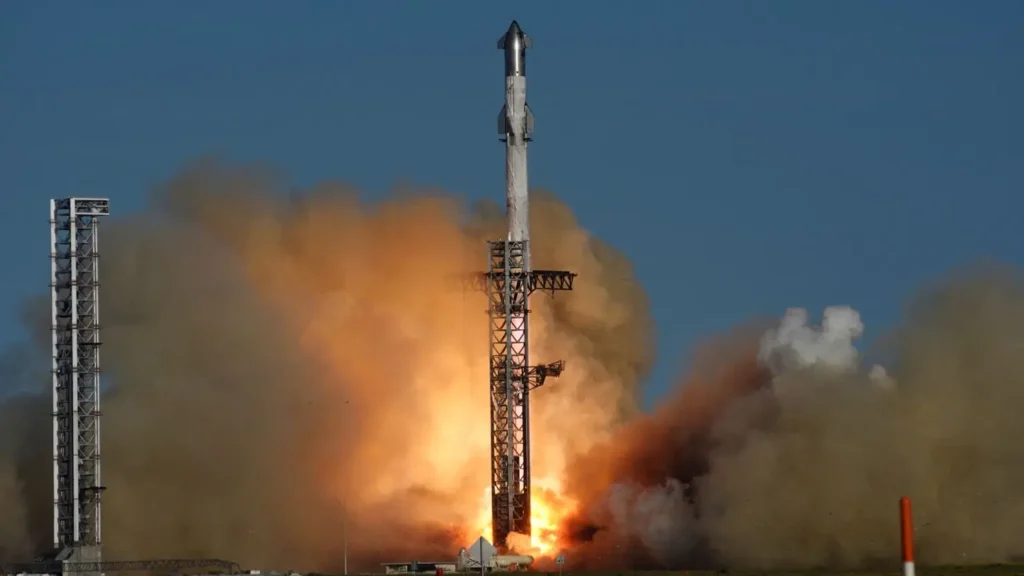
The SpaceX Super Heavy Booster cryogenic tests are essentially a full rehearsal of launch operations without ignition. Engineers load the booster’s enormous tanks with liquid methane and liquid oxygen chilled to extremely low temperatures. Metal contracts in the cold, seals tighten, and internal pressure rises dramatically. Sensors across the vehicle collect data every second. This step validates the plumbing system, pressure management, fueling procedures, and ground equipment. It also trains the launch team for countdown operations. If the booster handles the fuel loading safely, the next step becomes engine ignition testing. Aerospace engineers consider cryogenic proofing one of the most decisive pre-launch milestones in reusable rocket development because the stresses during fueling can exceed what the rocket experiences during parts of flight.
Table of Contents
SpaceX’s Super Heavy Booster Passes Key Cryogenic Tests
| Category | Details |
|---|---|
| Rocket | Starship launch system |
| Booster | Super Heavy first stage |
| Height | About 70 meters |
| Full Stack | Nearly 120 meters tall |
| Engines | Up to 33 Raptor engines |
| Fuel | Liquid methane and liquid oxygen |
| Test Location | Starbase, Boca Chica, Texas |
| Test Purpose | Tank pressure and thermal tolerance verification |
| Next Phase | Static fire test and launch readiness |
| Goal | Orbital launch and reusable booster recovery |
What The Cryogenic Testing Actually Checks
- Cryogenic testing sounds simple on paper: fill a rocket with fuel. In practice, it is one of the most demanding moments in ground operations. During the SpaceX Super Heavy Booster cryogenic tests, the propellants are colder than minus 180 degrees Celsius. At those temperatures, metals shrink and mechanical connections experience intense stress. Engineers look for leaks, pressure drops, abnormal temperature changes, and structural movement. Thousands of sensors track the health of the tanks. Even a minor leak can become catastrophic during launch, so this stage is where problems are meant to appear.
- Another major goal is measuring fueling speed. SpaceX wants to launch frequently, which means propellant loading must be fast and repeatable. The company is trying to operate rockets more like airplanes than traditional spacecraft, and that requires confidence that fueling cycles can be repeated without damage. The test also validates the ground systems. Pipes, pumps, valves, and storage tanks all play a role. A rocket can be perfectly built, but if the fueling infrastructure fails, the launch fails.
Why Super Heavy Matters To The Starship System
- Starship often gets the attention because it is the spacecraft people see traveling to orbit. However, the booster does the real heavy lifting. Super Heavy produces the thrust required to push the massive launch stack off the ground. The first few minutes of flight are the hardest. The rocket must fight gravity and air resistance simultaneously. The booster carries that burden and accelerates the spacecraft through the thickest part of the atmosphere. After separation, Starship continues to orbit while the booster returns to Earth.
- The success of the SpaceX Super Heavy Booster cryogenic tests directly affects this phase. Stable tank pressure ensures the engines receive steady fuel flow, which determines how smoothly the rocket flies and how accurately it can perform its landing burn. SpaceX is designing the system for reuse. A reliable booster means lower launch cost and more frequent missions.
The Role of the Raptor Engines
Super Heavy can carry 33 Raptor engines, making it the most powerful rocket booster ever constructed. Each engine must receive fuel at precise pressure and temperature levels. Although the engines are not firing during the SpaceX Super Heavy Booster cryogenic tests, they are still part of the evaluation. The fuel lines and feed systems must deliver propellant evenly to every engine. Uneven flow could cause engine shutdowns or instability during launch. After a successful cryogenic test, the next milestone is static fire testing. During this event, several engines ignite while the rocket remains secured to the launch pad. Engineers measure vibration, thrust stability, and engine synchronization.
Starbase Testing Environment
SpaceX conducts development differently from traditional space agencies. At Starbase, rockets are built, rolled to the pad, tested, modified, and tested again. The cycle is fast and continuous. The SpaceX Super Heavy Booster cryogenic tests represent one iteration in this process. Each test provides data that engineers use to improve future boosters. The goal is not just a single successful rocket but a reliable production system. The launch site has also evolved. After earlier launches damaged the ground infrastructure, SpaceX added a reinforced steel plate and water-deluge system under the launch mount to absorb heat and acoustic energy during liftoff.
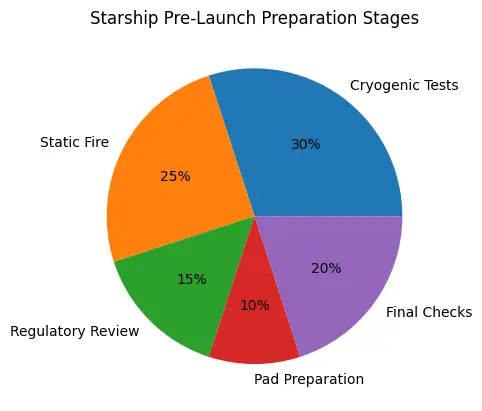
Next Step: Static Fire and Launch Preparation
Once cryogenic verification is complete, the booster moves toward engine ignition testing. The static fire is one of the final technical hurdles before flight. During static fire, multiple engines ignite for a short duration while clamps hold the rocket in place. Computers analyze pressure, thrust, and control systems. If everything performs as expected the rocket proceeds toward a flight readiness review. The SpaceX Super Heavy Booster cryogenic tests significantly increase the likelihood that the vehicle reaches this phase without major redesign.
Safety And Regulatory Considerations
- Large rockets must meet strict safety standards before launch approval. Authorities evaluate risk to people, property, and the environment. They review potential debris patterns, blast effects, and acoustic impact.
- Ground testing data is crucial to this review. Demonstrating structural integrity during the SpaceX Super Heavy Booster cryogenic tests helps show that the rocket is unlikely to fail on the pad.
- Improved launch pad protections also play a role. The upgraded water suppression system reduces debris and protects nearby areas from the powerful exhaust plume.
Reusability And the Catch Tower Concept
- One of the most unusual features of the Starship launch system is its recovery method. Instead of landing on legs, the booster is intended to return to the launch site and be caught by mechanical arms on the tower.
- For that maneuver to work, the booster must maintain precise control during descent. Structural stability is essential. Tank pressure, weight distribution, and aerodynamic behavior all affect landing accuracy. That is why engineers study results from the SpaceX Super Heavy Booster cryogenic tests carefully.
- If successful, the booster could be turned around quickly and prepared for another flight within days.
What This Means For Future Missions
Starship is designed for multiple missions including satellite deployment, lunar missions, and eventually human travel beyond Earth orbit. NASA plans to use a modified version as a lunar lander. Before those missions become routine, the launch system must prove reliability through repeated tests and flights. Ground tests like cryogenic proofing rarely capture public attention, but they are the foundation of spaceflight progress. Each successful test reduces uncertainty. Reliable launch capability is what allows ambitious exploration plans to move forward.
A Step Closer to Launch
Spaceflight progress often happens quietly. The SpaceX Super Heavy Booster cryogenic tests did not produce flames or sonic booms, yet they represent one of the final engineering barriers before ignition. The next major moment will be the static fire test. If that succeeds and regulatory approvals follow, the rocket will be ready for another launch attempt. Every successful ground milestone builds confidence. In rocket science, reducing risk step by step is the only path to orbit. This latest achievement shows the world’s largest rocket system is steadily moving closer to flight and, ultimately, closer to a future where launches become routine rather than rare.
FAQs on SpaceX’s Super Heavy Booster Passes Key Cryogenic Tests
What Is a Cryogenic Test in Rocketry
A cryogenic test involves filling a rocket with extremely cold propellants to verify tank strength, pressure stability, and fueling system reliability before engine ignition.
Why Is the Super Heavy Booster Important
It provides the thrust needed to lift the Starship spacecraft into space and is essential for reaching orbit.
What Fuel Does the Booster Use
The booster uses liquid methane and liquid oxygen, chosen for efficiency and suitability for reusable rocket operations.
What Happens After Cryogenic Testing
The next step is a static fire engine test, followed by inspections and regulatory approval before a launch attempt.