


California regulators have begun enforcing a compliance review that could Suspend Thousands of Licenses issued to commercial truck drivers, following federal safety and documentation rules. The measure affects drivers whose legal work authorization does not match the validity period of their commercial driver’s license (CDL). Officials say the action protects highway safety and regulatory integrity, while labor groups warn of economic and employment consequences.
Table of Contents
California Moves Ahead With Stricter Rules
| Key Fact | Detail/Statistic |
|---|---|
| Drivers affected | Approximately 17,000 initially identified |
| License type | Commercial Driver’s License (CDL) only |
| Compliance trigger | Immigration/work authorization mismatch |
| Economic relevance | California ports handle ~40% of U.S. container imports |
Background: What the Suspend Thousands of Licenses Policy Means
Federal compliance requirements
The policy concerns Commercial Driver’s Licenses (CDLs) — specialized permits required to operate heavy vehicles such as tractor-trailers, fuel tankers, and passenger buses.
Federal law requires state licensing agencies to verify a commercial driver’s legal presence and employment authorization in the United States. A CDL cannot legally remain valid beyond the expiration of a driver’s work authorization.
The Federal Motor Carrier Safety Administration (FMCSA), a division of the U.S. Department of Transportation (DOT), reviewed California’s records and concluded that many licenses extended beyond authorized legal status periods.
Federal guidance requires:
- verification through federal immigration databases
- shortened license validity dates
- suspension if documentation cannot be verified
According to the DOT, the rule is part of a national system designed to ensure that only qualified and authorized drivers operate commercial motor vehicles on public highways.
Why California is acting now
California delayed enforcement while reviewing administrative records. However, federal authorities warned that non-compliance could jeopardize federal transportation funding.
The state Department of Motor Vehicles (DMV) subsequently began sending formal notification letters to drivers requiring documentation updates within a specified timeframe.
Drivers unable to verify documentation face suspension.
Officials say the change is not a new law but enforcement of existing federal requirements.
Who Is Affected
The majority of affected drivers work in:
- port freight transport
- agricultural hauling
- long-distance interstate trucking
- warehouse distribution logistics
Many drivers hold temporary immigration status, including asylum applicants, humanitarian parole recipients, and employment visa holders.
Industry representatives say documentation expiration often occurs because immigration authorization renewals occur more frequently than driver’s licenses.
A trucking labor advocate explained that a driver may legally renew work authorization but the federal database may not update before a DMV compliance check occurs.
As a result, legally employed drivers can still receive suspension notices.
Human Impact: Drivers and Families
For many drivers, trucking represents a primary source of household income. Commercial trucking often provides wages significantly above entry-level service jobs, particularly for immigrant families.
Several affected drivers reported:
- mortgage risks
- vehicle loan defaults
- insurance complications
- inability to continue contracts with shipping companies
Many drivers operate as owner-operators who purchased trucks costing $80,000 to $180,000. Without a CDL, they cannot legally operate the vehicle but still must pay financing and maintenance costs.
Economists say the effect extends beyond drivers. Freight companies, mechanics, fuel stations, warehouses, and retailers may also experience economic ripple effects.
Safety vs. Workforce Concerns
Government position
Federal officials emphasize safety. Large trucks may weigh up to 80,000 pounds and travel at highway speeds.
Transportation authorities argue documentation verification confirms:
- identity
- qualification
- training
- legal accountability
Officials maintain the purpose is highway safety compliance rather than immigration enforcement.
A DOT safety briefing noted that accurate licensing records are critical during crash investigations and insurance liability determinations.
Industry and labor response
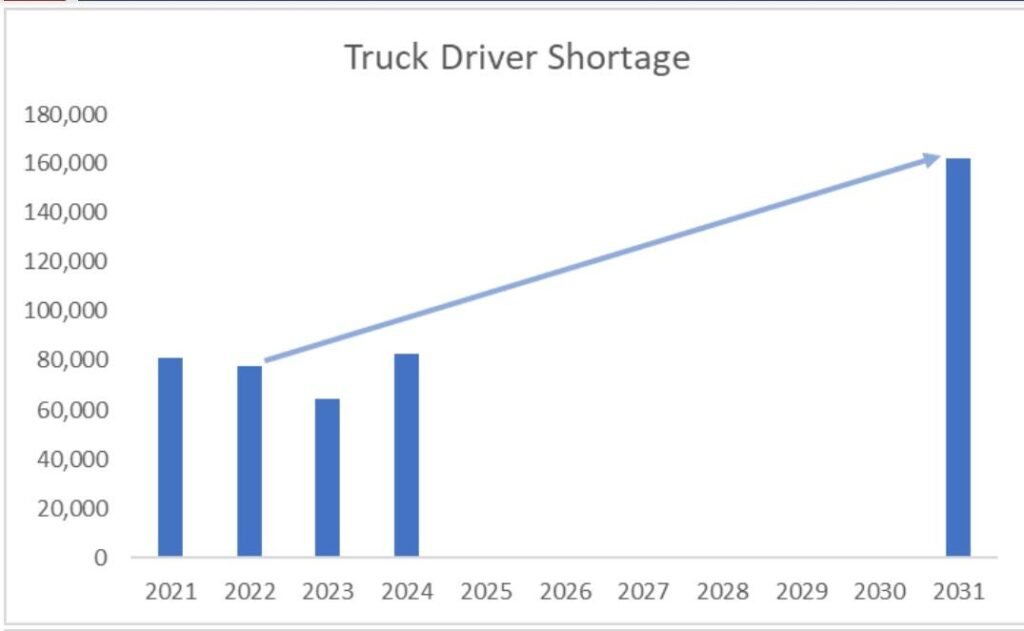
The American Trucking Associations (ATA) has reported a persistent driver shortage in recent years. Some estimates suggest tens of thousands of additional drivers will be needed nationally over the next decade.
Industry groups fear the decision to Suspend Thousands of Licenses could intensify workforce shortages, particularly at West Coast ports already struggling with shipping congestion.
Logistics companies warn delivery times could lengthen, especially for:
- retail imports
- food products
- agricultural exports
Economic Implications
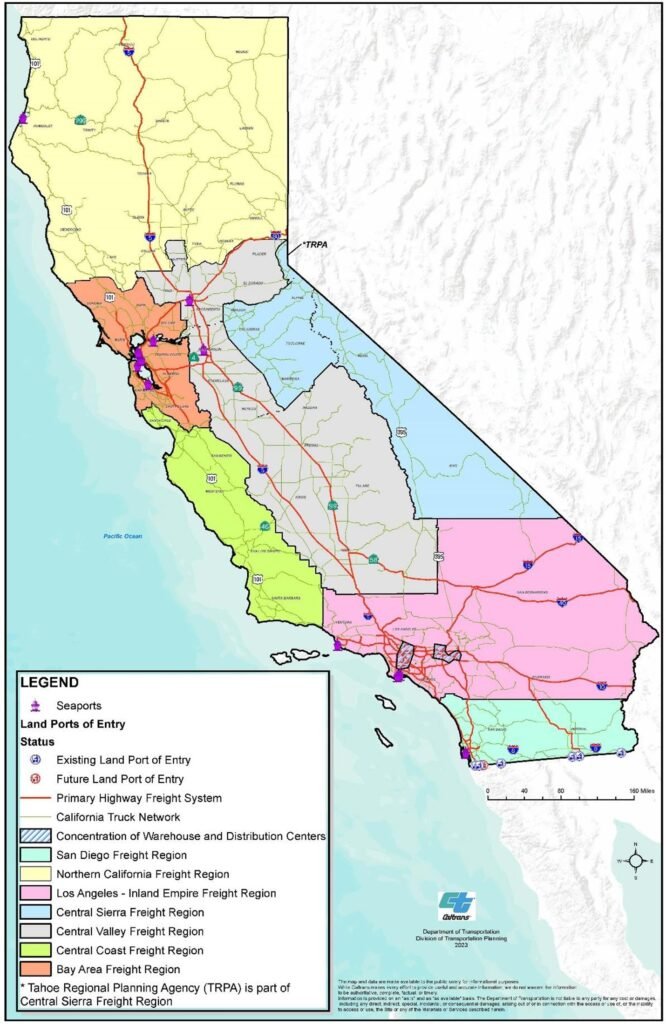
California plays a central role in U.S. trade. The ports of Los Angeles and Long Beach together form one of the largest container shipping gateways in the world.
From these ports, goods move by truck to:
- warehouses in the Inland Empire
- rail terminals
- distribution centers across the United States
Transportation economists warn that removing thousands of drivers could temporarily reduce freight capacity.
Possible outcomes include:
- delayed retail shipments
- increased freight rates
- higher consumer prices
However, federal regulators say national licensing standards must be consistent across all states to maintain safety oversight.
Legal and Administrative Questions
Lawyers representing drivers argue the timeline for document correction is often too short. Some drivers have appealed suspensions.
Legal analysts say the issue stems from overlapping systems:
- federal immigration processing timelines
- state licensing renewal cycles
- database synchronization delays
State legislators have asked federal agencies to allow a grace period while documentation updates process.
Timeline of Events
2022 — Federal audit begins
FMCSA reviews state CDL issuance records nationwide.
2023 — Compliance concerns raised
California identified as having mismatched license validity periods.
2024 — Federal warning issued
DOT warns funding consequences for non-compliance.
2025 — Notices sent to drivers
California DMV begins formal documentation verification.
2026 — Enforcement expands
License suspensions proceed if documentation not verified.
Broader Policy Context
The enforcement is part of a nationwide effort to standardize commercial driver licensing following previous investigations into fraudulent CDLs and unqualified operators.
Similar verification practices exist in:
- aviation pilot licensing
- maritime shipping credentials
- hazardous materials transport certification
Transportation policy researchers say stricter verification reduces identity fraud and improves accident accountability.
Comparison With Other States
Other U.S. states also follow federal CDL verification rules. However, California’s large trucking workforce makes the impact more visible.
States with smaller port operations have reported fewer affected drivers.
Experts say California’s position as the primary gateway for Pacific trade amplifies national attention to the policy.
What Drivers Must Do Now
Affected drivers may:
- Provide updated immigration authorization records
- Reapply for a compliant CDL
- Request administrative review
- Seek legal assistance
Officials say licenses can be restored once verification is completed.
FAQs About California Moves Ahead With Stricter Rules
Does this affect normal driver’s licenses?
No. The policy applies only to commercial driver’s licenses.
Are drivers permanently banned?
No. Drivers may regain eligibility after submitting valid documentation.
Why is the issue concentrated in trucking?
Commercial transportation involves interstate safety regulations governed by federal law.
Will goods stop moving?
No, but temporary slowdowns and higher shipping costs are possible.
Looking Ahead
Federal and state officials say they will continue reviewing documentation while monitoring supply chain effects. Transportation authorities state they aim to maintain road safety without unnecessarily harming employment.
A state transportation official summarized the policy:
“The objective is compliance and safety, while allowing qualified drivers to continue working once documentation is verified.”