
Previously Unknown Organ Hidden Behind the Human Nose: yes, that’s a real headline, and not just clickbait. In 2020, researchers reported finding what appear to be a pair of salivary glands tucked inside the human head in a place no one expected: behind the nasal cavity, right where the nose meets the back of the throat. These structures are now known as the tubarial salivary glands or tubarial glands, and their discovery has sparked excitement, curiosity, and even some scientific debate. This breakthrough raises new questions about human anatomy, advanced medical imaging, and how doctors plan treatments for head and neck cancers. In this article, we’ll break it all down — from what these glands are, how they were found, what they might do, and why some experts aren’t yet convinced they are truly “new.” We’ll also include practical advice about why this matters to patients, clinicians, and anyone interested in how the human body works.
Table of Contents
Previously Unknown Organ Hidden Behind the Human Nose
The discovery of tubarial salivary glands — a previously unknown organ hidden behind the human nose — shows how much we still have to learn about our own bodies. Whether or not these structures end up being officially labeled as a new organ, they represent an exciting advance in anatomy and clinical medicine. Modern medical imaging — particularly PSMA PET‑CT scanning — allowed scientists to visualize glandular tissue in a region long thought to be simple or insignificant. This finding not only opens doors for improved cancer treatment planning but also reminds us that biology still holds surprises in places we thought were fully understood. Anatomy experts continue to study and debate the classification of these glands, and ongoing research will help clarify their role, function, and clinical impact in the years ahead.
| Topic | Details |
|---|---|
| Organ Found | Tubarial salivary glands (possible new organ) |
| Location | Nasopharynx — behind the nasal cavity, near the torus tubarius |
| Discovery | 2020 by Netherlands Cancer Institute scientists; confirmed in 100 patients |
| Imaging Used | PSMA PET‑CT scans (very sensitive imaging) |
| Clinical Importance | Impacts head and neck cancer radiation planning to reduce side effects |
| Debate | Anatomists question whether it’s a true new organ |
| Suggested Function | Moistening/lubricating back of the nose/throat |
| Further Reading | Wikipedia: Tubarial Salivary Gland — https://en.wikipedia.org/wiki/Tubarial_salivary_gland |
A Little Background: How Salivary Glands Work
Before we dive into the new discovery, it helps to understand how salivary glands fit into the human body.
Saliva isn’t just spit — it’s moisture your body makes to help with:
- Chewing and swallowing food
- Digesting carbohydrates (starting in the mouth)
- Keeping your mouth healthy and bacteria in check
Traditionally, doctors and anatomy textbooks tell us we have three major pairs of salivary glands:
- Parotid glands (big glands near your ears)
- Submandibular glands (under your jaw)
- Sublingual glands (under your tongue)
In addition, there are hundreds of small minor glands scattered throughout your mouth and throat. All together, they produce around 1 to 1.5 liters of saliva per day.
But for decades, none of the standard imaging techniques showed anything major in the area deep behind the nose — until recently.
Where the “Previously Unknown Organ Hidden Behind the Human Nose” Lives?
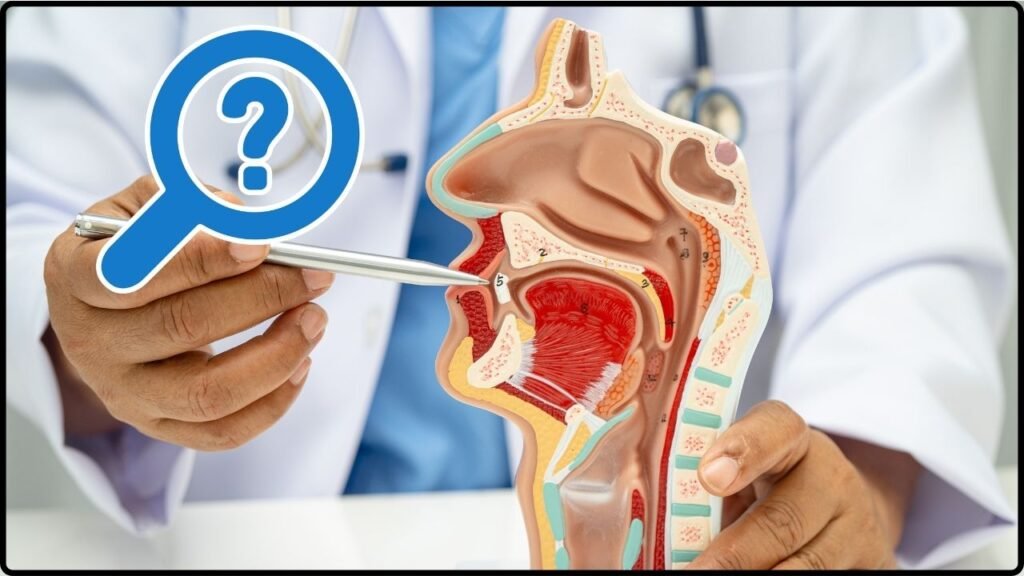
The tubarial glands are located in the nasopharynx, which is the area at the back of your nose where air goes down into your throat. More specifically, they sit near the torus tubarius — a small bump formed by cartilage around the opening of the Eustachian (auditory) tube.
This area is hard to see with normal imaging tools like MRI or ultrasound. That’s part of why these glands weren’t noticed originally — they’re tucked away out of sight and did not show up clearly with older imaging methods.
Accidental Discovery: How They Showed Up on Scans
So how did scientists find them? It wasn’t on purpose.
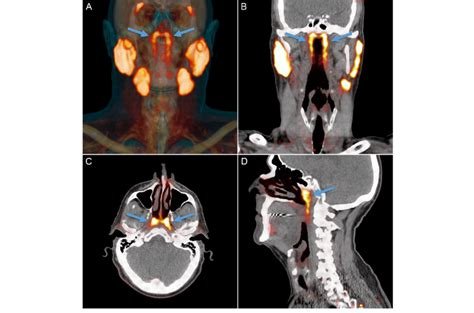
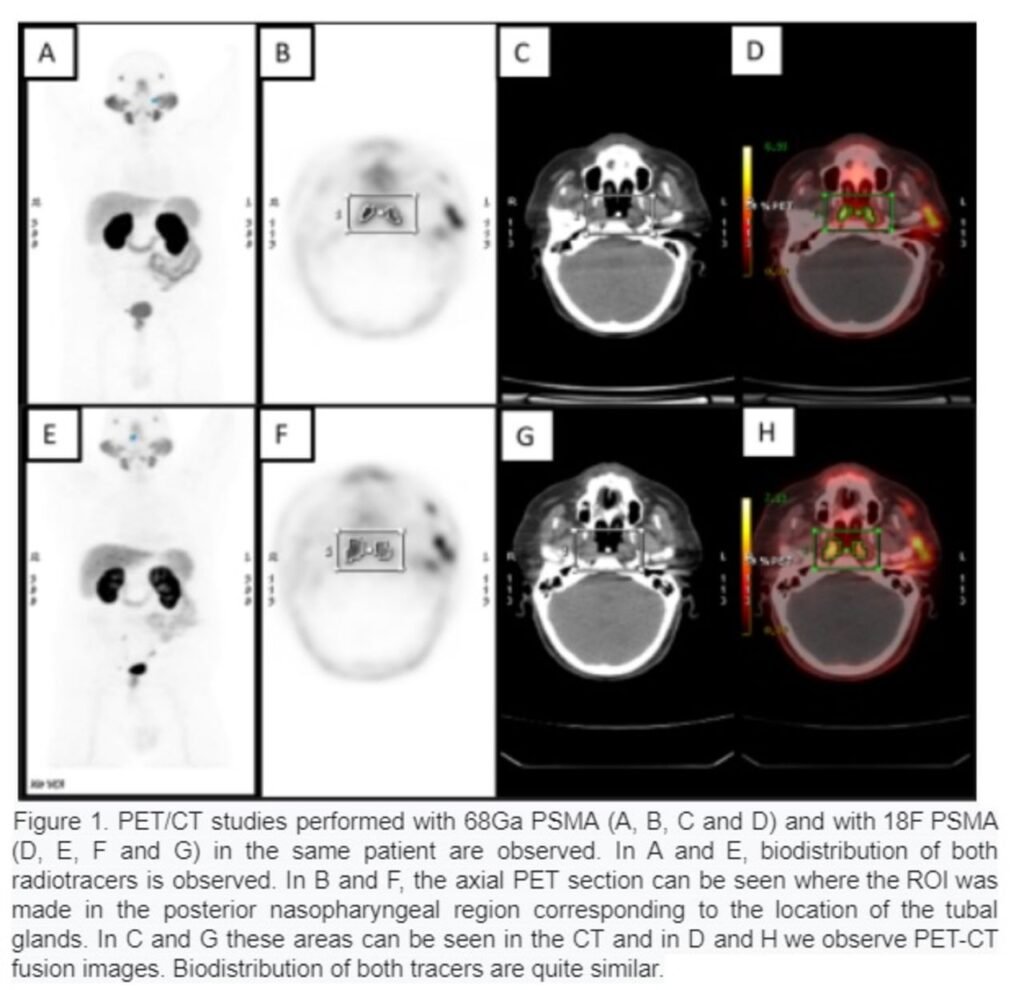
Researchers at the Netherlands Cancer Institute were using a cutting‑edge imaging technique called PSMA PET‑CT. This type of scan uses a tracer that binds strongly to Prostate‑Specific Membrane Antigen (PSMA). Doctors normally use this scan to detect prostate cancer cells because they light up brightly with the tracer.
But when these scientists looked at scans of 100 patients, they noticed something unexpected: a bilateral pair of bright, gland‑like structures in the nasopharynx region — every single time. The imaging suggests these areas contain glandular tissue similar to salivary glands.
Further anatomical studies using cadavers confirmed that these regions do contain salivary‑type tissues with multiple ducts and mucous‑secreting cells. This discovery — although still new — was exciting because it suggests we had overlooked a significant structure in the human head.
What do these previously unknown organs hidden behind the human nose might do?
Based on what researchers have observed so far, the tubarial glands appear to be mostly mucous glands. That means they likely help produce mucus‑rich fluid that keeps the lining of the nasopharynx moist. This could help:
- Prevent dryness at the back of the nose and throat
- Keep the area lubricated during swallowing
- Help trap and remove inhaled particles from the air we breathe
In anatomy terms, they have mucinous acini (mucin‑producing cell clusters) similar to other salivary tissues. They sit alongside the Eustachian tube and could play a role in protecting this delicate area from irritation.
However, scientists don’t yet fully understand how much these glands contribute to total saliva production or their exact role in everyday physiology. Some imaging studies suggest their function might be proportionally smaller compared to the three traditional major glands, but still significant enough to warrant attention.
Why the Previously Unknown Organ Hidden Behind the Human Nose Discovery Matters (Especially for Cancer Care)?
One of the most important implications of the tubarial glands is in head and neck cancer treatment.
Doctors use radiation therapy to kill cancer cells, but radiation can also damage nearby healthy tissues — especially salivary glands. When salivary glands are hit by radiation, patients often experience:
- Dry mouth (xerostomia)
- Difficulty swallowing (dysphagia)
- Taste changes
- Enamel breakdown and increased tooth decay
These side effects can significantly reduce quality of life.
In the study that first described tubarial glands, researchers looked at radiation dosage in 723 head and neck cancer patients and found that radiation dose to the tubarial gland region was significantly associated with moderate to severe dry mouth and swallowing problems. That means sparing these glands during treatment planning might reduce side effects and improve quality of life.
This has real, practical importance for radiation oncologists. By recognizing the presence and location of these glands, cancer care teams can aim to adjust radiation fields to avoid unnecessary exposure — similar to how they already protect other salivary glands.
The Ongoing Scientific Debate
Not everyone in the scientific community is ready to call the tubarial glands a brand‑new organ.
Some experts point out that glandular tissue in this region has been described before in older anatomy literature, especially near the Eustachian tube and pharyngeal walls. These glands might simply be large clusters of minor glands that were already part of the known glandular system but were not fully characterized with modern imaging.
A 2025 histological study comparing tubarial glands with traditional major and minor glands found that their structural features closely resemble minor glands — suggesting they might not meet all the criteria to be classified as a separate major organ. It also found they have fewer ducts and smaller lobular structures compared to classic major glands like the parotid or submandibular glands.
This debate matters because anatomical classification affects education, clinical guidelines, and future research. Some scientists want more evidence before widely revising medical textbooks.
What Previously Unknown Organ Hidden Behind the Human Nose Means for Everyday People?
If you’re a healthy person with no head or neck issues, you’ll probably never notice these glands, and that’s okay.
But if you’re involved in cancer treatment, radiology, or head and neck surgery, these glands are now on the radar of clinicians modeling radiation plans or interpreting advanced imaging scans. Awareness could improve patient outcomes and reduce side effects in those contexts.
For students and anatomy learners, the finding shows that even in well‑studied fields like human anatomy, there’s still room for discovery — especially as technology advances. It’s a reminder that science doesn’t stop just because a subject is old.
Scientists Find Living Organisms Surviving Near Fukushima’s Damaged Reactors
Scientists Confirm Life in an Unexpected Place, Prompting a Major Rethink
Scientists Identify a Previously Unknown Organ Hidden Behind the Human Nose