
Approved for SNAP: If you’ve recently been approved for SNAP, the Supplemental Nutrition Assistance Program, you’re already on your way to receiving meaningful help with buying groceries. But here’s the good news—SNAP is just the beginning. It often serves as a gateway to other powerful support programs, designed to help you build stability across many areas of life: from healthcare to energy bills, cash support, childcare, and more. In this detailed guide, we’ll break down five other savings programs you may also qualify for, just by being eligible for SNAP. These programs are backed by federal and state agencies and are designed to work hand-in-hand. We’ll walk through each program, how they help, who qualifies, and how to apply—with official sources, real examples, and insider tips.
Table of Contents
Approved for SNAP
Being approved for SNAP is a major first step—but it’s not the only one. You may also qualify for WIC, TANF, LIHEAP, Medicaid, and Head Start—all of which can provide valuable support for your health, finances, and family’s future. Think of SNAP as your foot in the door. Once you’ve crossed that threshold, there’s a whole network of programs waiting to help. These programs are built for people just like you—hardworking Americans trying to make ends meet and build a better tomorrow.
| Program | What It Covers | Likely Eligible if on SNAP? |
|---|---|---|
| WIC | Nutritious food, breastfeeding support, child nutrition education | Yes |
| TANF | Monthly cash assistance | Yes |
| LIHEAP | Help with heating, cooling, and energy bills | Yes |
| Medicaid | Free or low-cost health insurance | Yes |
| Head Start | Early childhood education, family services | Yes |
1. WIC – Women, Infants, and Children Program
WIC is a critical nutrition program for low-income pregnant women, new mothers, and children under age 5. It offers nutritional food packages, health screenings, breastfeeding support, and nutrition education.
If you’re already approved for SNAP and have a child under 5 or are pregnant, there’s a good chance you’re eligible for WIC too. In fact, some states automatically refer SNAP families to WIC offices.
What WIC Provides:
- Monthly vouchers for healthy foods like milk, eggs, fresh produce, infant formula, and whole grains.
- One-on-one counseling with nutritionists.
- Referrals to doctors and immunization programs.
- Breast pumps and lactation help for nursing moms.
Who Qualifies:
- Pregnant, postpartum, or breastfeeding women.
- Infants and children under 5.
- Households with income at or below 185% of the Federal Poverty Level.
2. TANF – Temporary Assistance for Needy Families
TANF provides monthly cash payments to low-income families with children. While SNAP covers food, TANF offers flexible support you can use for rent, clothes, gas, diapers, utilities, or job-related costs.
If you’re already receiving SNAP, you’re very likely eligible for TANF, especially if you’re a single parent or unemployed. Some states even combine the TANF and SNAP application process to make it easier.
Key TANF Services:
- Monthly cash aid (usually via EBT card or direct deposit)
- Employment training and job placement
- Childcare assistance
- Support for domestic violence survivors
Example:
A single mother with two children, working part-time and earning below $2,000/month, could qualify for both SNAP and TANF, depending on her state.
3. LIHEAP – Low Income Home Energy Assistance Program
If you’ve struggled to pay your heating or cooling bills, LIHEAP could help. This federally funded program helps low-income households manage home energy costs by offering grants for utility bills, emergency assistance, and sometimes even weatherization services.
While LIHEAP is income-based, many states consider SNAP enrollment as automatic proof of income eligibility, making it easier to apply and get approved.
What LIHEAP Covers:
- Help paying heating and cooling bills.
- One-time annual utility credits.
- Emergency assistance to avoid shutoffs.
- Repairs or replacements for faulty heating/cooling units.
Who Qualifies:
- Low-income households (often aligned with SNAP thresholds).
- Priority given to seniors, households with young children, or people with disabilities.
4. Medicaid – Health Insurance for Low-Income Families
Medicaid is one of the most comprehensive programs available to low-income individuals and families. It provides free or low-cost health coverage, including doctors’ visits, hospital care, mental health services, prescriptions, dental (in some states), and more.
Being approved for SNAP suggests your income is within Medicaid limits, especially in states that expanded Medicaid under the Affordable Care Act (ACA).
What Medicaid Covers:
- Preventive care (e.g., immunizations, cancer screenings)
- Hospitalization and ER visits
- Prescriptions
- Maternity and newborn care
- Long-term care (for the elderly or disabled)
Who Qualifies:
- Income must be below 138% of the Federal Poverty Line in Medicaid expansion states.
- Many states cover children at even higher income levels.
5. Head Start & Early Head Start
If you’re raising young children, Head Start can be a game-changer. It provides free early childhood education, nutritious meals, developmental screenings, and family support services for children from low-income households.
Because eligibility often aligns with SNAP, TANF, and SSI participation, many families don’t realize they qualify.
Program Features:
- Preschool for ages 3–5.
- Early Head Start for infants, toddlers, and pregnant women.
- Parent involvement, job training referrals, and literacy support.
Why It Matters:
Head Start has been shown to improve kindergarten readiness, increase high school graduation rates, and reduce long-term poverty.
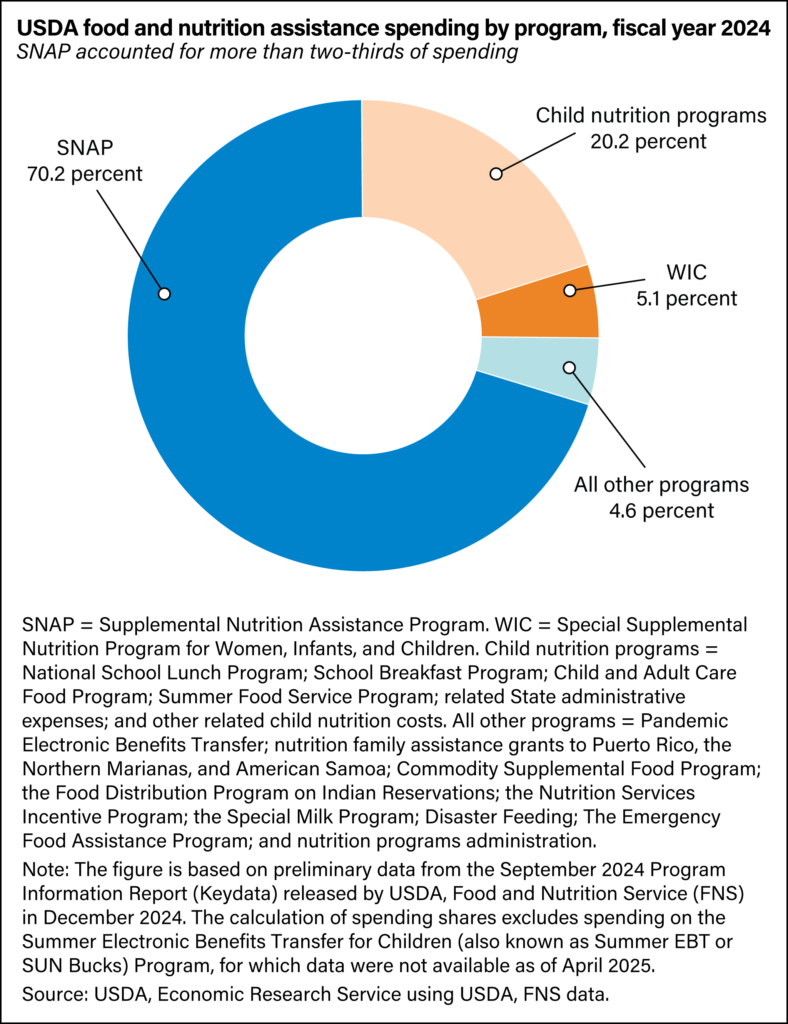
A Real-Life Example: How It All Adds Up If You’re Approved for SNAP
Jessica, a 27-year-old single mother of two in Missouri, applied for SNAP after losing her retail job. With a household income of $18,000/year, she also qualified for:
- WIC for her 1-year-old daughter,
- TANF, which provided $250/month in cash support,
- LIHEAP, covering her winter gas bills,
- Medicaid, ensuring health coverage for the whole family,
- and Head Start, giving her 4-year-old access to free preschool.
Her SNAP approval unlocked access to this whole network. These programs worked together to help her stay on her feet, get back into school, and build toward financial independence.
Approved for SNAP: Tips for Getting the Most Out of Your Benefits
- Apply early. Some programs like LIHEAP have limited seasonal funds.
- Keep all documentation handy. This includes proof of income, rent, utility bills, and household size.
- Know your recertification dates. Missing a renewal could pause or cancel your benefits.
- Use local help. Community centers, churches, and non-profits often assist with paperwork.
- Call 2-1-1. This is a national, free hotline to connect you with benefit programs in your area.
How to Qualify for the Maximum $5181 Social Security Benefit in 2026 Before It’s Too Late
IRS Confirms $1776 Tax-Free Payments for 1.5 million Americans
Four Key Student Loan Deadlines Are Coming Up Soon for Borrowers