
Tata Punch EV 2026: The Tata Punch EV 2026 promises big range, fast charging, and smarter everyday tech, making it one of the most talked-about upcoming electric vehicles—not just in India, but also among global EV analysts watching how emerging markets innovate. Even if you live in the United States and can’t buy the model directly, the Punch EV offers a glimpse into how affordable EVs are evolving worldwide and how countries like India are leading the charge in EV accessibility. The 2026 Punch EV facelift builds on Tata Motors’ earlier success with the Punch EV lineup, combining real-world battery improvements, practical charging speeds, smarter connected car features, and design upgrades that appeal to younger and older buyers alike. And don’t worry—this article keeps things simple enough for a 10-year-old to understand, while still delivering expert insights professionals expect.
Table of Contents
Tata Punch EV 2026
The Tata Punch EV 2026 is more than a simple facelift—it’s proof that affordable EV technology is improving faster than many expected. With long range, practical charging speeds, smart everyday tech, and a reputation for safety, it represents the future of compact electric mobility. Even from an American perspective, the model offers valuable lessons about design efficiency, cost optimization, and large-scale EV adoption. As EV demand grows worldwide, vehicles like the Punch EV show how electric mobility can be accessible, reliable, and enjoyable for everyone—not just luxury buyers.
| Feature | Details |
|---|---|
| Expected Range | Up to 500 km (speculative), ~421 km ARAI-confirmed LR range |
| Fast Charging | 10–80% in ≈56 minutes using 50 kW DC fast charging |
| Tech Features | Big screens, OTA updates, smarter connectivity, EV navigation |
| EV Platform | Built on Tata’s acti.ev modular EV architecture |
| Launch Timeline | Expected February 20, 2026 |
| Official Website | https://www.tatamotors.com |
The Tata Punch EV 2026: Why This EV Deserves the Attention
Electric vehicles are no longer futuristic toys—they’re mainstream options, discussed everywhere from corporate offices to school playgrounds. The Tata Punch EV 2026 matters because it gives buyers something they’ve been asking for: a long-range, efficient EV with smart tech and attractive pricing. In markets like India, where EVs must be affordable to succeed, the Punch EV stands out as a model that prioritizes real-world usability over flashy marketing.
But it also matters globally. American engineers, automakers, and EV researchers study EV trends in developing markets to understand how affordability, battery tech, and compact EV design could influence future low-cost U.S. EVs. The Punch EV’s success provides clues to how automakers might finally deliver budget-friendly electric cars in North America.
Big Range That Makes Everyday Driving Easier
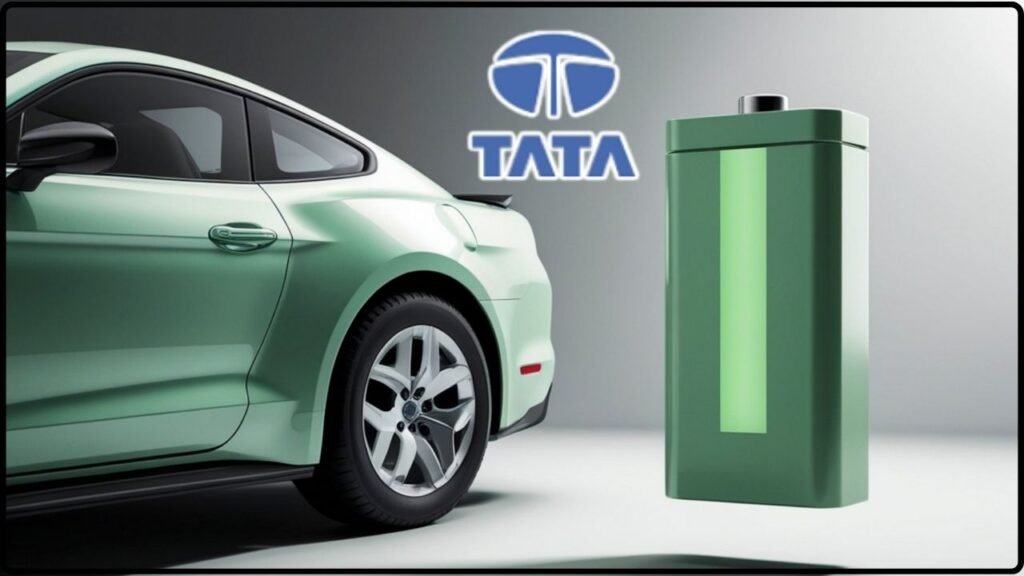
Range anxiety is the most common fear among new EV buyers. No one wants to feel stranded with a low battery and no charging station in sight. Tata seems to understand this better than most. That’s why the Punch EV 2026 is expected to offer a range of up to 500 km on a single charge, according to early industry speculation. Even if the official figure ends up slightly lower, it still represents a massive leap in affordability-to-range ratio.
The current Punch EV’s long-range variant is ARAI-rated at 421 km, which already made it competitive in its segment. Extending that even further places Tata among global leaders in range-per-dollar value.
For kids:
Think of range like how long your tablet lasts on a full charge. The longer it lasts, the less your parents have to hunt for a charger.
For professionals:
Better range indicates improvements in battery cell chemistry, thermal management, and drivetrain efficiency. The Punch EV uses LFP (Lithium Iron Phosphate) batteries, which are cheaper, safer, and longer-lasting than NMC packs—making them ideal for cost-sensitive markets.
Fast Charging That Fits Your Lifestyle
Charging speed is the second-biggest factor when choosing an EV. Slow charging is like waiting forever for your phone to hit 50%. Nobody enjoys that.
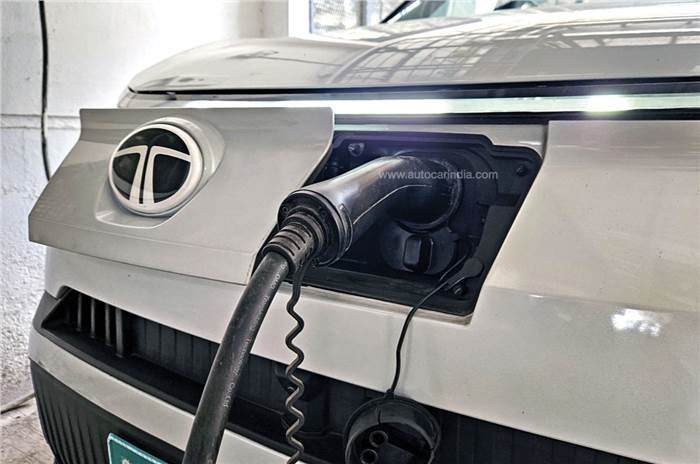
The current Punch EV already charges from 10–80% in about 56 minutes on a 50 kW DC fast charger. The 2026 model is expected to improve thermal efficiency and charging curves, allowing the battery to accept fast current for longer without overheating.
For everyday drivers, this means you can stop for lunch, grab a burger, stretch your legs, and your EV will be practically ready for your next trip.
For professionals:
These improvements suggest enhancements in the Battery Management System (BMS), charging control algorithms, and pack-level heat dissipation—signs that Tata is refining its EV engineering rapidly.
Smarter Tech and Everyday Convenience Features
The 2026 Tata Punch EV is expected to offer major tech improvements that make driving easier, smarter, and more connected. These include:
- A larger infotainment system, likely above 10 inches
- A fully digital instrument cluster
- Smarter navigation with EV charger mapping
- Over-the-air (OTA) updates
- Wireless Apple CarPlay and Android Auto
- Pre-conditioning for better thermal efficiency
- Smartphone app controls for locking, unlocking, monitoring charge, and planning routes
For a 10-year-old:
Imagine if your car could update itself like your video games do.
For professionals:
OTA updates help extend the lifespan of the ECU and infotainment systems, improve security patches, and refresh driving algorithms without dealership visits.
Tata Punch EV 2026 Design, Safety, and Structural Improvements
Tata Motors is widely respected for its strong safety ratings, consistently earning 4 and 5 stars in Global NCAP crash tests. The Punch EV 2026 is expected to strengthen that reputation with:
- Updated airbags
- Stronger high-tensile steel reinforcement
- Safer battery casing
- Improved pedestrian protection
- Better aerodynamics through redesigned bumpers
- New LED lighting and alloy wheels
Improved aerodynamics aren’t just for looks—they increase range by reducing drag at higher speeds.
And for U.S. readers wondering: Yes, Tata’s safety engineering has become serious enough that Western automakers are paying attention.
Market Impact and Competitive Landscape
The compact EV space is growing rapidly. Here’s how the Punch EV stacks up against similar global EVs:
| Model | Est. Range | Charging Speed | Target Market |
|---|---|---|---|
| Tata Punch EV 2026 | 421–500 km | 50 kW | India |
| BYD Seagull | ~400 km | 30–40 kW | China |
| MG Comet EV | ~230 km | Limited | Global |
| Chevy Bolt | 259 miles | 55 kW | USA |
What stands out is how Tata achieves strong range numbers at lower price points. This will likely push global manufacturers to rethink how they design entry-level EVs.
Professionals also note that Tata’s acti.ev platform allows modular scaling—meaning the same architecture can support multiple vehicles, reducing manufacturing cost and complexity.
Challenges and Limitations That Buyers Should Know
No car is perfect. Even the 2026 Punch EV comes with potential challenges:
- EV charging networks in India are expanding but still uneven
- Range can drop in extreme summers due to battery heat
- Fast chargers don’t always deliver consistent peak speed
- The model isn’t coming to the U.S. or Europe anytime soon
- Actual real-world range may differ from ARAI numbers
These limitations don’t ruin the car’s appeal but offer a balanced perspective for readers seeking trustworthy information.
Ownership Costs and Long-Term Value
One of the biggest selling points of EVs is long-term cost savings. Below is a simple breakdown comparing a small EV like the Punch EV to a small gasoline car:
| Cost Category | EV (Punch EV Estimate) | Gas Car |
|---|---|---|
| Fuel/Energy | 60–80% cheaper | High ongoing cost |
| Maintenance | Low (fewer moving parts) | Higher |
| Oil Changes | None | Regular |
| Brake Wear | Reduced (regenerative braking) | Higher |
| Warranty | 8-year battery warranty | Standard |
Because EVs rely less on mechanical components and more on software, they generally require less routine maintenance.
Tata Punch EV 2026 Environmental Impact and Sustainability
EVs like the Punch EV reduce:
- CO₂ emissions
- Urban air pollution
- Noise pollution
The U.S. Environmental Protection Agency provides comparisons showing EVs significantly cut lifetime emissions, even when electricity comes from mixed energy grids.
Tata is also expanding battery recycling initiatives and exploring local battery cell manufacturing, which could drastically reduce supply chain emissions in the next decade.
Step-by-Step Practical Guide: How to Choose an Affordable EV
If you’re comparing EVs—whether in India, the U.S., or anywhere else—here’s how to evaluate them:
- Determine your range needs
- Evaluate charging access (especially home charging)
- Compare tech features like OTA updates and smartphone integration
- Look for government incentives
- Review long-term maintenance and running costs
- Consider resale value and battery warranty
- Test-drive to evaluate interior comfort and software responsiveness
This framework helps beginners and professionals make informed EV decisions.
Maruti Eeco 2025 Update — What Changes in Price and Equipment
Grand Vitara Phantom Blaq Edition Debuts in New Look — Blockbuster Deal Talk for SUV Buyers
Toyota Rumion 2026 Launch Highlights Family Comfort — Bumper Savings Interest for Early Buyers