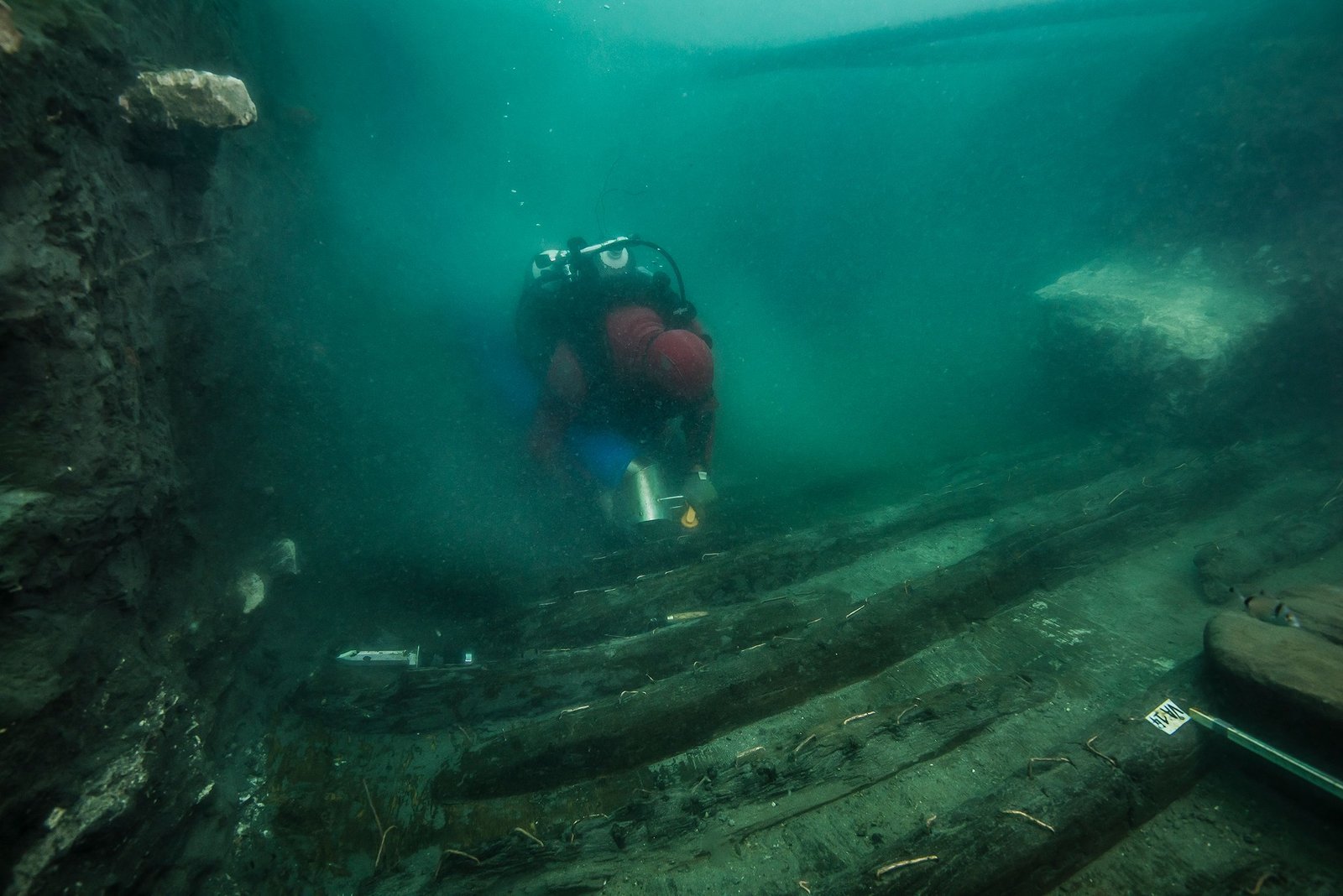

History often teaches us that early humans stayed close to safety. They followed rivers, hugged coastlines, and avoided the open sea whenever possible. For years, archaeologists believed the Arctic was simply too harsh for true maritime exploration. Ice, freezing temperatures, and unpredictable waters would have made long-distance travel almost impossible. But recent research has challenged that assumption.
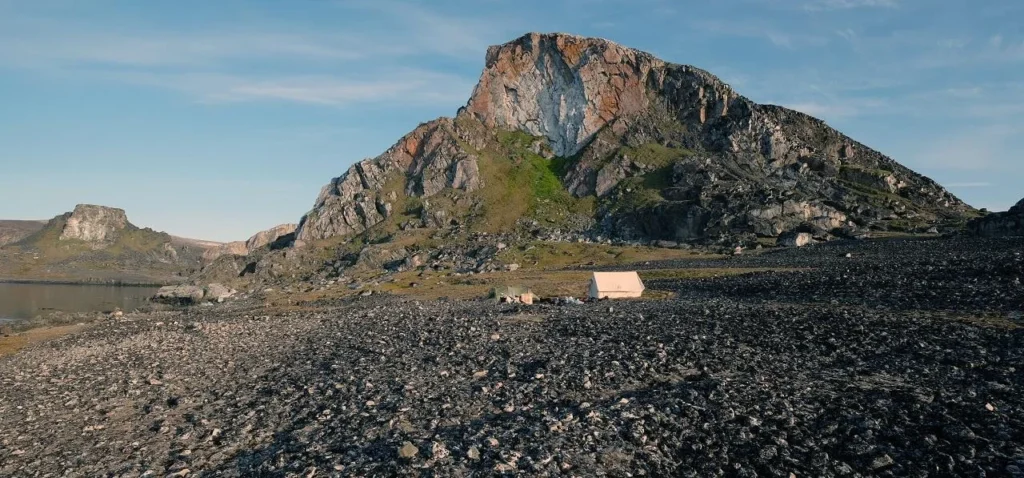
The discovery of ancient settlement evidence in Greenland now points to something remarkable. The Kitsissut Arctic voyage may represent one of the earliest planned sea journeys in human history. More importantly, the Kitsissut Arctic voyage suggests prehistoric communities were not merely surviving in the Arctic. They were exploring it deliberately. This changes how we view early people. They were not wandering blindly into dangerous environments. Instead, they were calculating risk, preparing equipment, and choosing destinations with purpose. Archaeologists now believe families traveled together carrying tools, supplies, and hunting gear. Such preparation indicates planning and confidence in navigation skills. The idea that Stone Age communities could organize open-water travel across freezing seas once seemed unrealistic.
Now, it is becoming increasingly clear that these early mariners possessed knowledge and seamanship far ahead of what historians once credited them with. The Kitsissut Arctic voyage refers to a sea crossing made roughly 4,500 years ago to a small group of islands located off the southwest coast of Greenland. Reaching the islands required traveling more than 100 kilometers over open Arctic water. Scientists examined ocean currents, wind patterns, and seasonal ice behavior and concluded the settlers did not arrive by accident. The Kitsissut Arctic voyage required timing, coordination, and experience navigating dangerous waters. These travelers likely departed during a narrow seasonal window when conditions were calm enough to allow passage. The Kitsissut Arctic voyage demonstrates that early Arctic populations understood their environment in great detail and used that knowledge to expand their territory toward rich marine hunting grounds.
Table of Contents
4500-Year-Old Arctic Sea Journey to Kitsissut Rewrites History of Early Mariners
| Key Detail | Information |
|---|---|
| Estimated Date | Around 2500 BCE (4,500 years ago) |
| Location | Kitsissut Islands, Southwest Greenland |
| Culture | Early Paleo-Inuit / Saqqaq-related groups |
| Journey Type | Open-sea navigation |
| Approximate Distance | Over 100 km |
| Evidence | Artifacts, ancient DNA, environmental modeling |
| Main Finding | Intentional sea travel, not accidental drift |
| Historical Importance | Earliest evidence of Arctic maritime exploration |
Clues Beneath The Tundra
- The discovery began with ordinary fieldwork. Archaeologists surveying the rocky terrain of the Kitsissut islands found stone blades, animal bones, and traces of hearth fires. At first, the finds looked like a typical hunting camp. But the location raised immediate questions.
- The islands are isolated even today. Modern boats must navigate cold currents and shifting weather to reach them. In prehistoric times, without engines or modern navigation tools, reaching Kitsissut would have been extremely difficult.
- Radiocarbon dating placed the site at approximately 4,500 years old. Genetic testing revealed the inhabitants were related to early Arctic populations living across the water. This was the critical detail. The settlers did not originate locally. They traveled there.
- The Kitsissut Arctic voyage therefore becomes the most logical explanation. Drift ice cannot reliably carry families, hunting equipment, and supplies to a precise destination. The community clearly intended to arrive.
Reconstructing A 4500-Year Sea Route
- To test the theory, researchers recreated ancient ocean conditions using modern computer modeling. They studied current flow, seasonal sea ice, and prevailing winds. The findings strongly supported intentional travel. Water movement in the region generally carries objects away from the islands rather than toward them. Someone drifting accidentally would likely be swept out to sea instead of landing safely. This reinforces the idea that navigators paddled deliberately across the channel.
- The Kitsissut Arctic voyage would have required careful planning. Travelers needed to choose the correct season, likely late summer when ice receded and weather stabilized. They also had to coordinate group movement, so families and supplies stayed together. The journey probably took multiple days. Fog, waves, and cold spray would have created constant danger. Despite these challenges, they succeeded.
Boats, Tools, And Survival
No boats survived the centuries, but the tools found at the settlement provide strong clues. Archaeologists uncovered harpoon heads and cutting implements designed specifically for marine hunting. These were not inland hunting tools. The settlers expected to rely on the sea for food. That implies confidence in their ability to reach the islands. Researchers believe they used skin-covered boats. These vessels were likely built from driftwood or bone frames covered with seal hide. Such construction would have been lightweight, flexible, and surprisingly seaworthy.
To survive the Kitsissut Arctic voyage, travelers likely relied on several key preparations:
- carefully stitched waterproof clothing
- shared paddling effort among multiple people
- stored animal fat for high-energy food
- knowledge of stars and sun position for direction
This level of organization suggests a learned maritime tradition passed from generation to generation.
Why The Discovery Matters
- The Kitsissut Arctic voyage significantly changes the timeline of human exploration. For many years, scholars believed advanced Arctic seafaring appeared much later with historic Inuit cultures. This new evidence pushes those capabilities back thousands of years.
- It also reshapes our understanding of human adaptability. Extreme climates were once assumed to limit innovation. Instead, harsh conditions may have encouraged technological development.
- Offshore islands offered reliable seal populations and reduced competition from predators. Settling such locations was a strategic decision. Early communities were choosing resource-rich environments, not simply following animals randomly.
- The discovery also suggests that other prehistoric migrations across northern regions may have involved water travel rather than land routes.
Rethinking Early Mariners
When we imagine ancient sailors, we often think of warm seas and large wooden ships. The Kitsissut Arctic voyage tells a very different story. Here were small groups of people navigating freezing waters using memory and environmental awareness.
They likely navigated using:
- sun direction
- wave patterns
- coastal landmarks
- bird migration paths
These techniques required observation and experience. The journey would have been taught through oral tradition. Elders probably trained younger travelers in when to leave, where to steer, and how to react to sudden storms. The risks were severe. Arctic water temperatures can cause hypothermia in minutes. A capsized boat meant almost certain death. The success of the voyage shows remarkable skill and discipline.
What Remains Unanswered
Even with this discovery, many questions remain. Archaeologists are now searching nearby coastlines for additional settlements that may confirm regular crossings.
Researchers hope to determine:
- how often voyages occurred
- whether communities traded resources
- why the islands were eventually abandoned
Climate change thousands of years ago may have altered sea ice conditions, forcing relocation. Future excavations could reveal a network of early Arctic maritime routes.
A New Chapter In Human Exploration
- The Kitsissut Arctic voyage reminds us that exploration did not begin with famous historical explorers. It began with prehistoric communities willing to risk everything for opportunity. These early travelers did not have metal tools, sails, or compasses. Yet they crossed open ocean and established new settlements. Their achievement highlights human curiosity and determination.
- Rather than viewing ancient Arctic inhabitants as isolated survivors, we now see them as navigators and planners. They studied their environment and used knowledge to expand into new territory. The story changes more than a historical timeline. It changes perspective. Human innovation is not limited to advanced civilizations. Sometimes, the boldest journeys were made by small groups using skill, memory, and courage alone.
FAQs on 4500-Year-Old Arctic Sea Journey to Kitsissut Rewrites History of Early Mariners
1. What is the Kitsissut Arctic voyage
It is a prehistoric sea journey made about 4,500 years ago by early Arctic people who traveled across open water to settle the Kitsissut islands in Greenland.
2. How far did they travel
Researchers estimate the crossing was over 100 kilometers across freezing Arctic waters.
3. Did they really have boats
Yes. Archaeological evidence suggests they used skin-covered boats built from driftwood frames and animal hides.
4. Why is this discovery important
It shows complex navigation and maritime knowledge existed much earlier than historians previously believed.