

Millions of Americans are scheduled to receive February 18 Social Security Checks as part of the federal government’s regular retirement and disability payment cycle. The payments apply to beneficiaries born between the 11th and 20th of any month and reflect updated 2026 benefit levels after a nationwide inflation adjustment intended to protect purchasing power.
Table of Contents
February 18 Social Security Checks
| Key Fact | Detail |
|---|---|
| Payment group | Birthdays 11th–20th paid Feb 18 |
| 2026 COLA increase | 2.8% benefit rise |
| Average retirement benefit | About $2,074 monthly |
The February 18 Social Security Checks represent a routine payment for many Americans but remain a central component of retirement security nationwide. Officials say the agency will continue issuing payments on schedule while policymakers debate long-term funding solutions for future generations of retirees.
How the February 18 Social Security Checks Work
The Social Security Administration (SSA) administers monthly payments to approximately 71 million Americans. Beneficiaries include retired workers, surviving spouses and children, and individuals with qualifying disabilities.
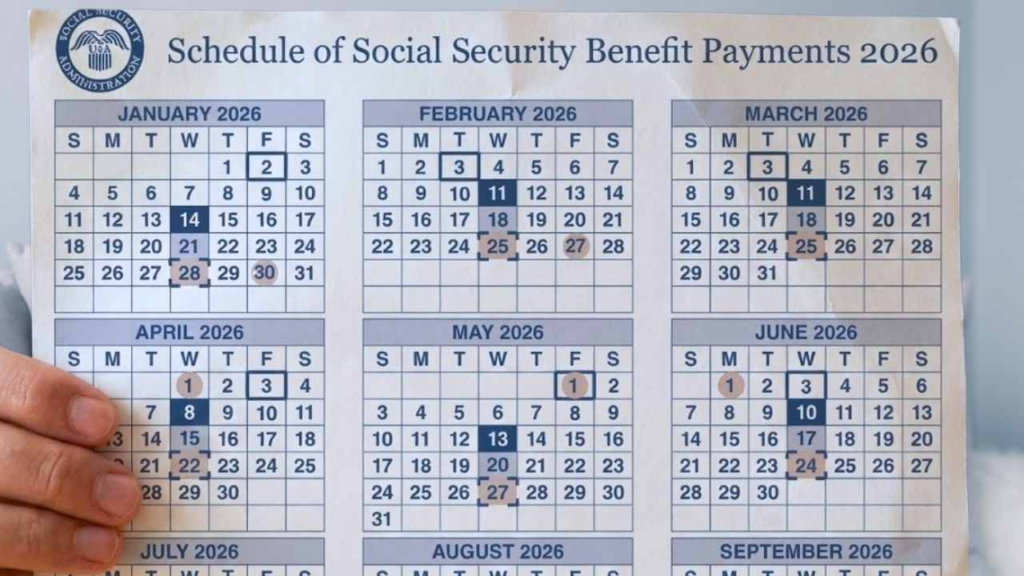
The Social Security payment schedule follows a staggered system adopted in 1997. Before that reform, nearly all beneficiaries were paid on the same day, which created processing bottlenecks and increased administrative risk.
Today, payments are issued based on the recipient’s birth date:
- Birthdays 1–10 → second Wednesday
- Birthdays 11–20 → third Wednesday (February 18, 2026)
- Birthdays 21–31 → fourth Wednesday
The system helps banks, payment processors, and federal agencies handle millions of deposits smoothly.
According to SSA operational guidance, the schedule “improves payment reliability while reducing administrative errors and delays.”
Special Cases in the SSA Benefits Update
Not all recipients follow the Wednesday cycle:
Paid earlier
- People who started benefits before May 1997
- Recipients who also receive Supplemental Security Income (SSI)
Those beneficiaries typically receive payments near the beginning of the month.
Updated 2026 Benefit Amounts
COLA Increase 2026: Why Payments Changed
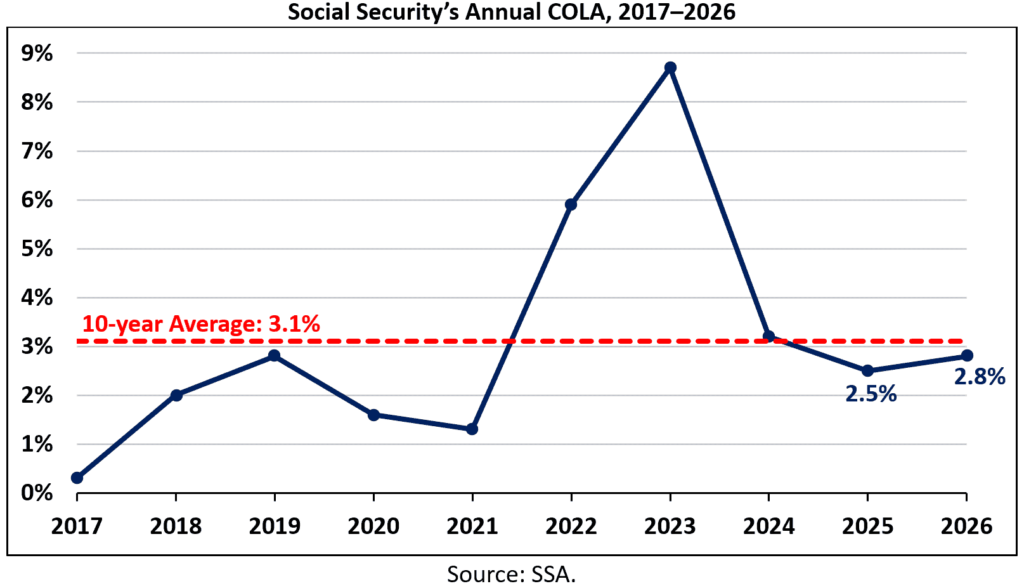
The February payment includes the COLA increase 2026, a 2.8% cost-of-living adjustment. The annual adjustment is calculated using inflation data from the Consumer Price Index for Urban Wage Earners and Clerical Workers (CPI-W).
The SSA explains that the purpose of the adjustment is simple:
to maintain purchasing power as everyday prices rise.
Without COLA adjustments, retirees living on fixed incomes would steadily lose spending capacity due to inflation.
Average Monthly Payments
- Retired worker: ≈ $2,074
- Disabled worker (SSDI): ≈ $1,633
- Maximum retirement benefit at age 70: up to $5,251
The increase may appear modest, but economists say it has large cumulative effects over time. A retiree receiving benefits for 20 years could gain tens of thousands of additional dollars through inflation adjustments.
Why the Payments Matter
Social Security is the largest government benefit program in the United States. It represents a major source of income for older Americans.
According to the U.S. Census Bureau:
- About half of retirees rely on Social Security for at least 50% of their income
- Around 25% rely on it for 90% or more
That means the February 18 Social Security Checks are not supplemental income for many households — they are essential income.
Local Economic Impact
Economists often call Social Security an “automatic economic stabilizer.”
Recipients typically spend the money quickly on necessities:
- groceries
- utilities
- housing
- medical care
Because of this, the payments circulate immediately through local economies, supporting small businesses, pharmacies, and healthcare providers.
What Beneficiaries Will Notice in 2026
While benefits increased, retirees may not feel the full gain.
Rising Medicare Premiums
Medicare Part B premiums are deducted directly from Social Security checks. When healthcare premiums rise, part of the COLA increase is offset.
Housing and Food Inflation
Recent increases in housing costs and food prices have absorbed much of the benefit increase for many seniors, according to retirement policy researchers.
A public policy expert explained:
“The adjustment keeps seniors from falling behind inflation, but it rarely improves their real financial situation.”
Who Does NOT Receive the February 18 Payment
The February 18 Social Security Checks apply only to one group.
Other groups:
- Feb 11 → birthdays 1–10
- Feb 25 → birthdays 21–31
- Early-month payments → pre-1997 beneficiaries and SSI recipients
The SSA stresses that beneficiaries do not need to apply for the increase. It is automatic.
Direct Deposits, Banking, and Fraud Protection
Nearly all payments are electronic today.
The U.S. Treasury Department requires:
- direct deposit to bank accounts, or
- a government-issued Direct Express debit card.
Electronic payments reduce lost mail and fraud. Paper checks now represent a very small share of Social Security transactions.
What to Do If a Payment Is Missing
The SSA advises:
- Wait three business days
- Check your bank
- Contact SSA only after processing delays
Banks sometimes post deposits overnight rather than early morning.
The Bigger Picture: Future of Social Security
The long-term outlook for Social Security remains a major policy issue in Washington.
The Social Security Board of Trustees has projected that the retirement trust fund may face shortfalls in the 2030s if no legislative changes occur.
Important point:
Even if the trust fund reserve is depleted, the program would not disappear. Payroll taxes would still fund most benefits, though payments could be reduced unless Congress acts.
Policy Options Being Discussed
Lawmakers and analysts have proposed:
- raising the payroll tax cap
- gradually increasing retirement age
- adjusting benefit formulas
- increasing payroll tax rates
No final decisions have been enacted.
Historical Context: How Social Security Began
Social Security was created in 1935 during the Great Depression under President Franklin D. Roosevelt. It originally covered only workers in certain industries and paid modest retirement benefits.
Over decades, Congress expanded the program to include:
- disability insurance
- survivors benefits
- cost-of-living adjustments (introduced 1975)
Today, it is one of the most widely used public programs in the United States.
Tips for Beneficiaries
Financial planners recommend recipients:
1. Check your SSA online account
It shows exact payment dates and amounts.
2. Review tax implications
Some retirees must pay federal income tax on benefits depending on income level.
3. Consider claiming age carefully
Claiming at:
- 62 → reduced payments
- Full retirement age → standard
- 70 → highest lifetime benefit
FAQs About February 18 Social Security Checks
Who receives the February 18 Social Security Checks?
Beneficiaries born between the 11th and 20th.
Is the COLA increase permanent?
Yes. Future increases build on the new higher base amount.
Why are payments staggered?
To efficiently process tens of millions of deposits.
Do I need to contact SSA for my increase?
No. The SSA benefits update applies automatically.
Can benefits be taxed?
Yes, depending on combined retirement income.