


The $5251 Maximum Social Security Benefit in 2026 will reach about $5,251 a month, but only a small fraction of Americans will qualify. The figure reflects strict federal formulas based on decades of earnings and delayed retirement. According to the Social Security Administration (SSA), workers must sustain top-tier wages for most of their careers and wait until age 70 to receive the full amount.
Table of Contents
$5251 Maximum Social Security Benefit
| Key Fact | Detail / Statistic |
|---|---|
| Maximum monthly benefit (2026) | About $5,251 at age 70 |
| Years used in calculation | Highest 35 earning years |
| Taxable wage cap (2026) | Roughly $184,500 annual earnings counted |
The $5251 Maximum Social Security Benefit represents an upper boundary rather than a typical outcome. For most retirees, the program provides dependable but modest support. Future reforms could alter eligibility or benefits, but for now the rules remain tied to lifetime earnings and patience, as policymakers continue debating long-term sustainability.
How the $5251 Maximum Social Security Benefit Is Calculated
The U.S. retirement system calculates Social Security retirement benefits using a formula tied to wages and payroll taxes. Workers pay Federal Insurance Contributions Act (FICA) taxes during their careers, and those contributions determine retirement payments.
The SSA averages a worker’s highest 35 years of inflation-adjusted earnings. The agency calls this number the Average Indexed Monthly Earnings (AIME). A second formula converts the AIME into a monthly payment known as the Primary Insurance Amount (PIA).
“Social Security is designed as wage insurance, not an investment account,” the SSA explains in its official benefit calculation guide. Higher lifetime earnings produce larger checks, but only up to a defined ceiling.
Unlike private pensions, Social Security uses a progressive formula. Lower-income workers receive a higher percentage of their former wages replaced than high earners. As a result, the $5251 Maximum Social Security Benefit is intentionally difficult to reach.
The Wage Cap Limits the Benefit
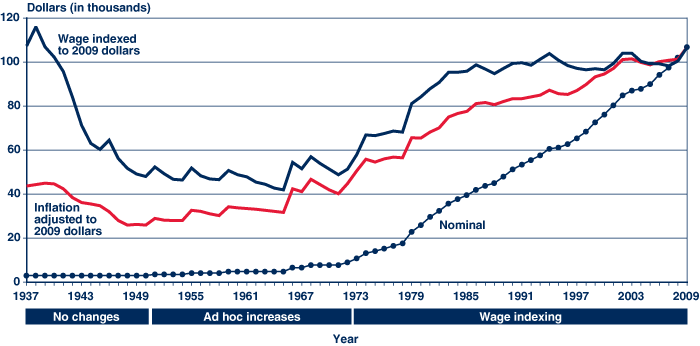
Each year the government sets a maximum taxable earnings threshold, often called the taxable wage base. For 2026, approximately $184,500 in annual wages count toward retirement benefits. Income above that level does not increase the payment.
This cap exists because payroll taxes also stop once earnings exceed the threshold. According to the SSA’s Office of the Chief Actuary, the ceiling helps keep the system financially predictable and prevents Social Security from becoming a fully earnings-proportional pension.
The 35-Year Career Requirement
To receive the $5251 Maximum Social Security Benefit, workers must earn at or above the wage cap for roughly 35 years. Missing years reduce the average because zeros are included in the calculation.
Economists say this condition alone excludes most Americans.
The Congressional Research Service (CRS) reports that only a small percentage of workers exceed the taxable wage base in any given year. Even high earners often have periods of unemployment, graduate education, entrepreneurship, or caregiving that lower their lifetime average.
“Consistent high earnings over decades are rare,” retirement policy analysts at the Urban Institute explain in retirement research. “The formula rewards longevity and income stability.”
Many professionals — including physicians and lawyers — may still fail to qualify because they begin high earnings relatively late after training or residency years.
Why Retirement Age Matters
Even perfect earnings are not enough. Workers must also delay claiming benefits.
The full retirement age for most Americans is about 67. However, monthly payments increase by roughly 8% each year a person postpones benefits, up to age 70. The government calls these delayed retirement credits.
Claiming early at 62 permanently reduces payments, sometimes by about 30%, according to the SSA.
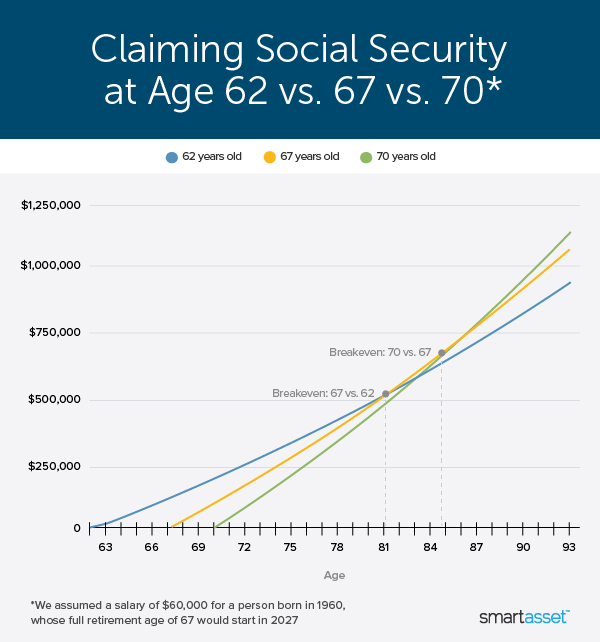
Financial planners often describe waiting until retirement age 70 as one of the safest ways to increase guaranteed retirement income because Social Security benefits are inflation-adjusted annually.
Why Most Americans Receive Less
The average retirement benefit is far lower than the $5251 Maximum Social Security Benefit. Recent SSA data shows a typical retiree receives roughly about half the maximum payment.
Several factors explain the gap:
- Most workers earn below the wage cap
- Many retire before age 70
- Some careers include part-time work or unemployment
- Women historically spent more years outside the workforce
According to the Pew Research Center, Social Security provides the majority of income for many older households, especially lower-income retirees. For them, the program functions as a basic safety net rather than a high-income pension.
Historical Background: Why Social Security Exists
Social Security began in 1935 during the Great Depression under President Franklin D. Roosevelt. At the time, poverty among older Americans was widespread, and private pensions were rare.
The program was designed not as a wealth-building vehicle but as income protection against old-age poverty. The maximum benefit structure reflects that philosophy.
The system expanded significantly in 1950 and again in 1972, when Congress introduced automatic cost-of-living adjustments tied to inflation. Those annual adjustments continue today and help retirees maintain purchasing power.
How Cost-of-Living Adjustments Affect the Maximum Benefit
Each year, Social Security benefits rise through a Cost-of-Living Adjustment (COLA). The increase is based on the Consumer Price Index for Urban Wage Earners and Clerical Workers (CPI-W), measured by the U.S. Bureau of Labor Statistics.
Because COLA increases both average and maximum payments, the $5251 Maximum Social Security Benefit will likely continue rising annually.
For retirees, these adjustments matter significantly. Unlike most pensions, Social Security income is protected from inflation risk over decades.
Broader Policy Context
Social Security remains one of the largest federal programs in the United States, covering more than 65 million beneficiaries. However, trustees warn that the retirement trust fund could face funding shortfalls in the next decade without legislative changes.
Policy debates include:
- Raising the payroll tax cap
- Increasing payroll taxes
- Gradually raising retirement age
- Adjusting benefit formulas
“Social Security’s long-term financing gap requires action,” the program’s annual trustees report states. Lawmakers from both parties continue to propose reforms, though none have yet passed Congress.
International Comparison
The U.S. retirement system differs from many developed countries. In Europe, government pensions often replace a larger share of worker income but are funded by higher payroll taxes.
For example:
- Germany’s state pension replaces a higher share of wages but requires larger contributions.
- The United Kingdom supplements its pension with workplace retirement programs.
- Canada combines a government pension with mandatory savings plans.
American retirement policy relies more heavily on personal savings accounts such as 401(k) plans and individual retirement accounts (IRAs). Therefore, Social Security retirement benefits typically form only one pillar of retirement income.
What It Means for Workers
Financial planners say the maximum benefit should not be the central retirement goal. Instead, it illustrates how the system rewards long careers and delayed retirement.
The SSA advises workers to review personal earnings records regularly and create online accounts to estimate future benefits. Errors in wage records can reduce retirement payments if not corrected.
The agency emphasizes that benefits replace only part of pre-retirement income, usually about 40% for average earners.
“Social Security was never intended to be a retiree’s sole source of income,” the agency notes in its public guidance materials.
Practical Steps to Increase Future Benefits
Experts say workers can meaningfully increase payments without reaching the maximum:
- Work at least 35 years
- Delay claiming benefits
- Increase income late in career
- Avoid early retirement if possible
- Coordinate benefits between spouses
Spousal benefits can be especially important. A lower-earning spouse may receive up to 50% of the higher earner’s benefit at full retirement age.
FAQ
Who can receive the $5251 Maximum Social Security Benefit?
Workers who consistently earned at or above the taxable wage base for 35 years and wait until retirement age 70 to claim benefits.
Can high earners exceed the maximum payment?
No. Earnings above the taxable wage base do not increase the benefit because payroll taxes stop at the cap.
Does retiring early affect eligibility?
Yes. Claiming before full retirement age permanently reduces monthly payments.
Will the maximum benefit change each year?
Yes. The amount usually rises annually due to inflation adjustments and wage index changes.
Are Social Security benefits taxed?
In some cases, yes. The Internal Revenue Service taxes benefits for retirees with moderate or high total income, including pensions and investment earnings.