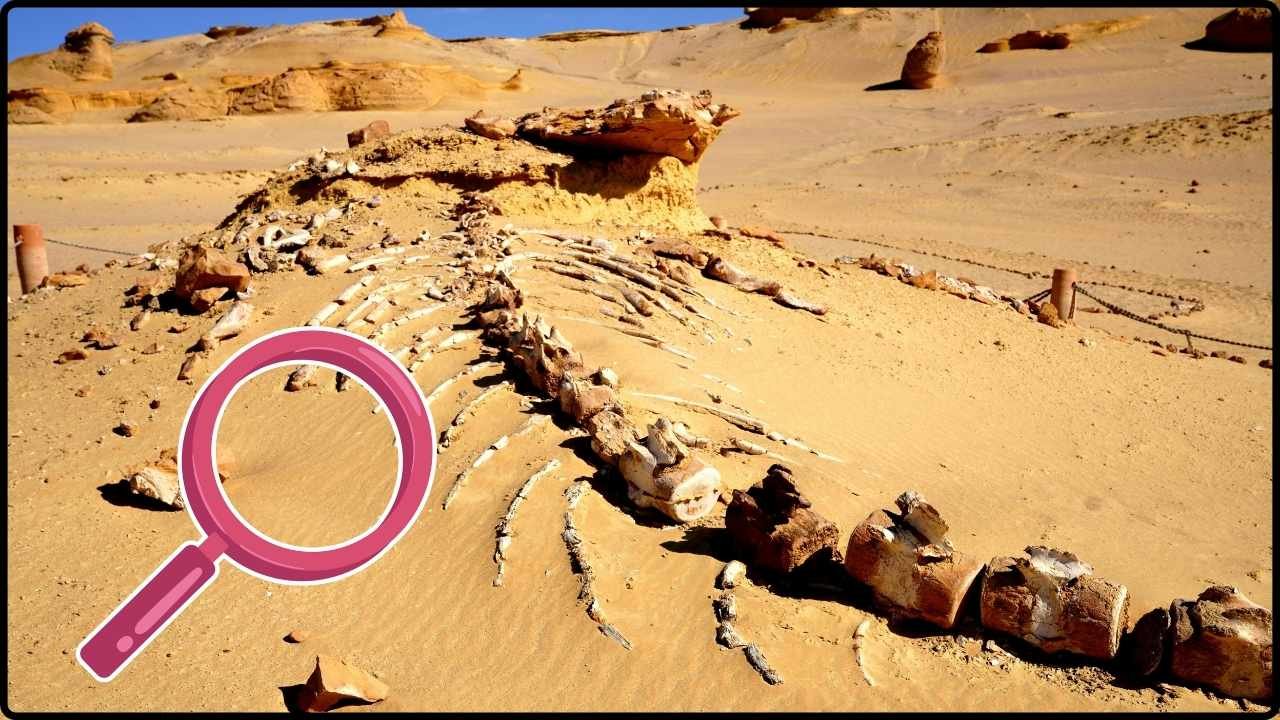

Ancient Whale Fossils: Researchers Find Ancient Whale Fossils Hundreds of Kilometres Inland and that sentence alone is enough to make scientists, students, and everyday folks across the USA pause and say, “Wait… whales? Out there?” We’re talking about massive ocean mammals whose home is saltwater, discovered roughly 400 kilometers (250 miles) inland near Fairbanks, Alaska. That’s not a typo. That’s real science, backed by testing, peer review, and solid data. As someone who has spent years covering American archaeology, Indigenous history, and environmental science, I can tell you this: discoveries like this don’t just shake up museum labels — they reshape how we understand land, climate, and human movement. Out here in the North, the land remembers things long after we forget them. And sometimes, it gives up secrets that flip our assumptions upside down.
These bones had sat in collections for decades, labeled as woolly mammoth remains. That made sense at the time. Alaska is famous for mammoth fossils preserved in permafrost. According to the National Park Service, thousands of mammoth specimens have been recovered across Alaska and the Yukon Territory. So when large Ice Age bones show up inland, mammoth is usually the safe bet. But science doesn’t run on guesses — it runs on evidence.
Table of Contents
Ancient Whale Fossils
Researchers Find Ancient Whale Fossils Hundreds of Kilometres Inland is more than an attention-grabbing headline. It is a reminder that science is a living process. Old assumptions can be corrected. New tools reveal hidden truths. The land holds stories stretching back tens of thousands of years, and with patience and rigor, we can read them more clearly. For professionals, this discovery reinforces the necessity of interdisciplinary research, proper documentation, and continued technological advancement. For everyday readers — even a 10-year-old curious about whales and mammoths — it shows that sometimes the biggest mysteries are hiding in plain sight.
| Topic | Details |
|---|---|
| Discovery Location | Interior Alaska near Fairbanks |
| Distance from Coast | ~400 km (250 miles) inland |
| Initial Identification | Woolly mammoth bones |
| Confirmed Species | Northern Pacific right whale & common minke whale |
| Age of Fossils | ~14,000–16,000 years old |
| Dating Method | Radiocarbon dating |
| Verification Method | Ancient DNA analysis |
| Institution Involved | University of Alaska Museum of the North |
| Marine Species Info | NOAA Fisheries |
How the Mix-Up Happened?
Back in the mid-20th century, fossil identification relied heavily on physical comparison. Researchers examined size, bone structure, and shape. If a bone looked similar to known mammoth specimens, it was categorized accordingly.
That’s not sloppy science — that was the best available method at the time.
But here’s where modern tools stepped in.
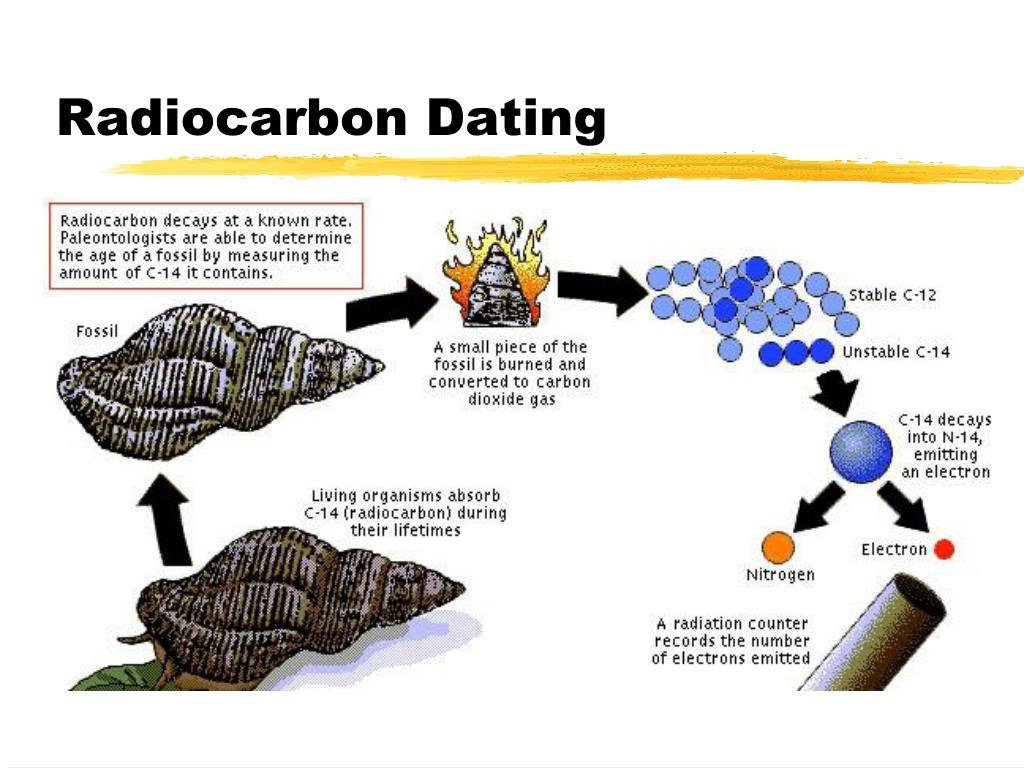
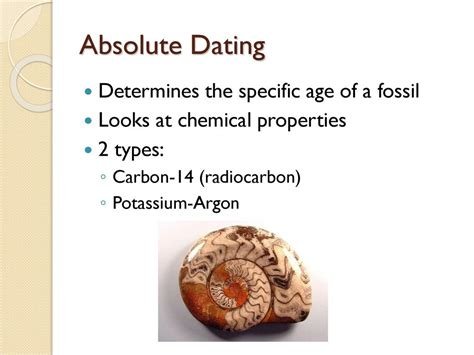
When researchers revisited these specimens, they used radiocarbon dating, a technique explained in detail by the U.S. Geological Survey (USGS). Radiocarbon dating measures the decay of carbon-14 isotopes to determine how long it has been since an organism died. This method is accurate for organic material up to about 50,000 years old.
The dating results placed the bones between 14,000 and 16,000 years old, during the Late Pleistocene, near the end of the last Ice Age.
That timeline didn’t necessarily rule out mammoths — they were still around during that period. But scientists decided to dig deeper.
Next came ancient DNA analysis. This is where things got interesting.
DNA extracted from the bones matched two marine species:
- The Northern Pacific right whale
- The Common minke whale
According to NOAA Fisheries, the Northern Pacific right whale is among the rarest whale species in the world today, with extremely low population numbers in the eastern North Pacific.
That DNA evidence was conclusive. These were not mammoths.
They were whales.
Understanding Ice Age Alaska
To really grasp how significant this discovery is, we need to step back into Ice Age geography.
During the last glacial maximum, global sea levels were up to 400 feet lower than today, according to research summarized by NASA Climate. Lower sea levels exposed massive land bridges, including Beringia, which connected Asia and North America.
However — and this is important — even with those lower sea levels, the Fairbanks region remained inland. The coastline shifted, yes, but not by hundreds of miles.
So if these were marine mammals, they weren’t swimming anywhere near Fairbanks.
That’s where the mystery deepens.
Possible Explanations for Ancient Whale Fossils
Ancient Human Transport
Indigenous peoples of Alaska have had deep relationships with marine mammals for thousands of years. Archaeological studies, including research published through the Smithsonian Institution, show that whale bones were used for tools, structures, carvings, and ceremonial purposes.
Whale bone is strong, durable, and valuable.
Could ancient peoples have transported whale bones inland along river trade routes?
It’s possible. Rivers like the Yukon and Tanana were ancient highways. Trade networks stretched across vast territories long before European contact. However, transporting whale bones 250 miles inland would have required coordinated effort.
Still, Indigenous trade networks were sophisticated. Professionals studying prehistoric mobility should not underestimate logistical capabilities of early North American societies.
River and Natural Transport
Alaska’s rivers are powerful systems. The Yukon River, at nearly 2,000 miles long, is one of North America’s longest waterways. During seasonal flooding, large debris can travel significant distances.
But here’s the catch: rivers generally carry materials downstream — not upstream. And Fairbanks sits inland relative to marine access points.
Natural transport alone does not fully explain the discovery, though extreme environmental events cannot be ruled out entirely.
Collection or Labeling Error
Another theory involves collection history. Fossils discovered decades ago sometimes lacked detailed provenance records. It is possible that bones collected near coastal areas were mislabeled or later mixed with inland specimens.
For museum professionals, this underscores the importance of rigorous documentation.
According to best practices outlined by the American Alliance of Museums, accurate cataloging is essential for scientific integrity.
Why This Ancient Whale Fossils Discovery Matters for Professionals?
For paleontologists and archaeologists, this discovery reinforces the need to revisit historical collections. Museum drawers across America hold specimens identified decades ago without genetic tools.
With modern DNA sequencing becoming more affordable and accessible, re-examination can yield surprising results.
For environmental scientists, ancient whale fossils inland provide additional data points for understanding past ecosystems, migration patterns, and climate shifts.
For policymakers, discoveries like this justify sustained funding for research through agencies like the National Science Foundation.
Step-by-Step Guide: How Fossil Identification Works Today
Here’s a simplified but accurate breakdown.
Step 1: Visual Analysis
Experts examine bone structure, density, and anatomical features.
Step 2: Stratigraphic Context
Researchers analyze the sediment layer where the fossil was found. Stratigraphy helps determine relative age.
Step 3: Radiocarbon Dating
Carbon-14 analysis provides numerical age estimates.
Step 4: DNA Extraction
Ancient DNA is carefully extracted in controlled lab environments to prevent contamination.
Step 5: Comparative Database Matching
Genetic sequences are compared with marine and terrestrial species databases.
Step 6: Peer Review and Publication
Findings undergo scrutiny before entering the scientific record.
This layered process ensures credibility and reliability.
Broader Climate and Conservation Implications
The confirmed identification of a Northern Pacific right whale is particularly significant.
According to NOAA Fisheries, fewer than 50 individuals may remain in certain parts of the eastern North Pacific. Studying ancient specimens helps scientists understand historical population distribution, genetic diversity, and long-term ecosystem changes.
In conservation biology, historical baselines matter. Knowing where species existed thousands of years ago informs modern protection strategies.
Lessons for Students and Educators
For classrooms across the United States, this case is a powerful teaching tool.
It demonstrates:
- Science evolves.
- Assumptions require testing.
- Technology changes understanding.
- Collaboration across disciplines is essential.
Students can learn that mistakes in science aren’t failures — they’re opportunities for refinement.
Indigenous Knowledge and Scientific Dialogue
From a Native perspective, land, water, and animals are interconnected relatives. The idea that whale bones could travel inland isn’t entirely outside traditional knowledge frameworks.
Indigenous oral histories often describe environmental shifts and animal movements over long timescales.
Modern science and traditional ecological knowledge can work together, not in opposition. Respectful collaboration enhances understanding of complex discoveries like this one.
Ancient DNA Reveals Rare Dwarfism in a 12,000-Year-Old Teenager
4500-Year-Old Arctic Sea Journey to Kitsissut Rewrites History of Early Mariners
This Mysterious Human Skull Could Rewrite the Out of Africa Theory