

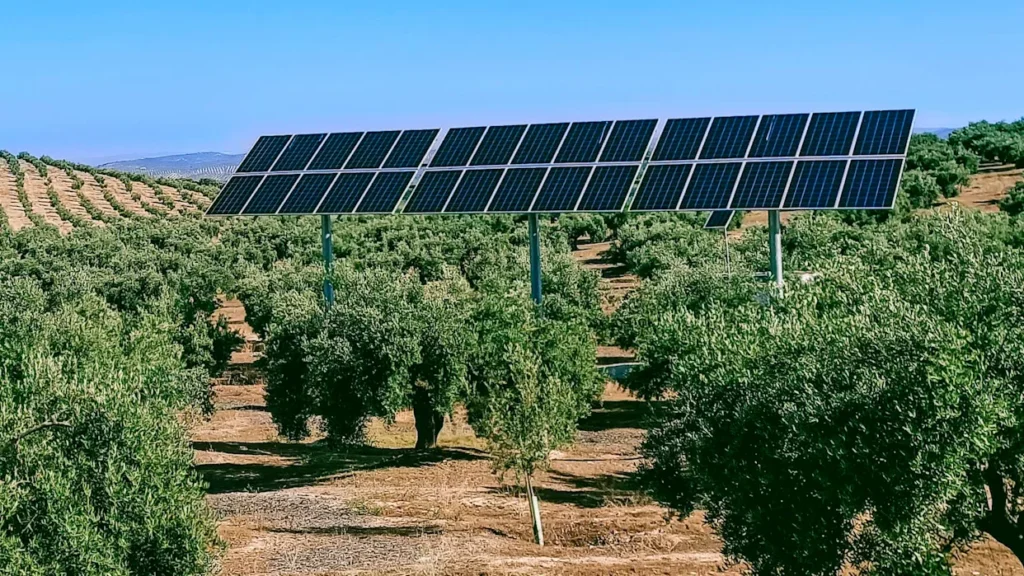
Farmers and scientists across multiple continents are reporting unexpected success from Solar Panel Vegetables, a farming approach that grows crops beneath elevated solar panels. Early research shows certain vegetables thrive under partial shade and require less irrigation. However, economists say the technology may push agriculture toward premium produce markets, potentially increasing grocery prices over time.
Table of Contents
Solar Panel Vegetables
| Key Fact | Detail |
|---|---|
| Dual land use | Same field produces electricity and crops |
| Crop performance | Leafy greens and tomatoes often improve under shade |
| Price impact | High installation costs favor high-value produce |
What Solar Panel Vegetables Are and Why They Are Expanding
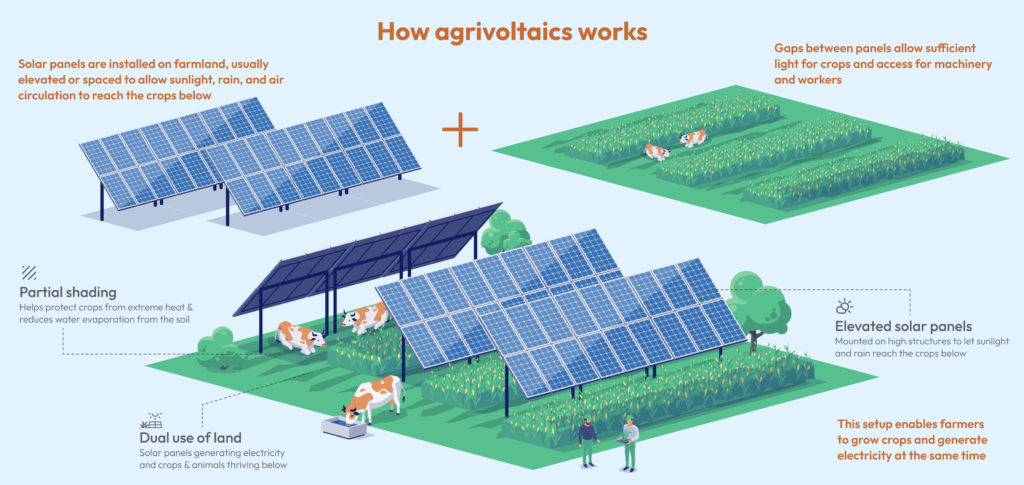
Solar Panel Vegetables — also known scientifically as agrivoltaics — refer to the installation of solar panels above farmland so electricity generation and agriculture operate simultaneously. The model addresses two global challenges: increasing food demand and expanding renewable energy infrastructure.
The U.S. National Renewable Energy Laboratory (NREL) describes the practice as co-locating agriculture and solar energy to maximize land productivity.
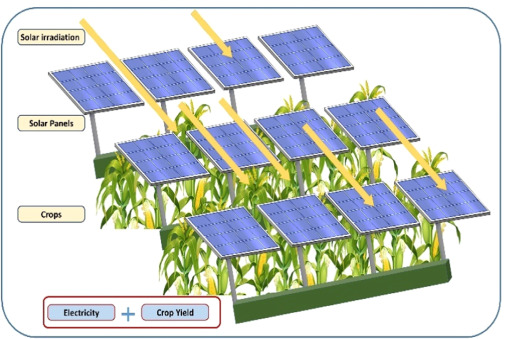
Instead of covering farmland completely, panels are elevated and spaced. Sunlight filters through moving shadows across the field throughout the day.
That filtered light turns out to matter.
Scientists initially assumed crops would lose productivity because solar panels block sunlight. Field trials have shown that, for many vegetables, full sun is not always beneficial.
Why Plants Are Performing Better
Plants regulate temperature through transpiration, a process similar to sweating. When exposed to extreme sunlight, leaves overheat and close their stomata — microscopic pores used for gas exchange — which slows growth.
Solar panels moderate that stress.
Researchers at the University of Arizona’s Biosphere 2 agricultural research site found shaded tomato plants produced equal or greater yields while using far less water.
“Plants don’t want maximum sunlight,” said environmental scientist Greg Barron-Gafford. “They want the right amount of sunlight combined with cooler temperatures.”
Soil beneath panels also retains moisture longer because evaporation slows. During heat waves, shaded soil temperatures can be several degrees lower than open fields.
Crops That Benefit Most
Researchers consistently identify certain vegetables as strong performers in dual-use farming systems.
Vegetables that benefit:
- lettuce
- spinach
- kale
- peppers
- tomatoes
- cucumbers
- herbs
These plants naturally evolved in partial shade environments, such as forest edges or Mediterranean climates. The filtered sunlight mimics their natural growing conditions.
Leafy greens show particularly notable improvement in appearance. They develop fewer scorch marks, better color, and longer shelf life — important traits for retail markets.
However, staple grains remain challenging. Wheat and rice depend heavily on uninterrupted sunlight, and yields sometimes fall beneath panels. This limits the technology’s role in global calorie supply but strengthens its importance in vegetable markets.
A Financial Lifeline for Farmers
Agriculture income is increasingly unstable due to extreme weather, fluctuating commodity prices, and rising fertilizer costs.
Solar installations create a second revenue stream.
Farmers can:
- lease land to solar companies
- sell electricity
- power irrigation systems directly
The International Energy Agency (IEA) says solar capacity must more than triple by 2030 to meet climate targets. Farmland, being flat and sunny, is attractive to developers.
Solar Panel Vegetables offer a compromise.
Instead of converting farms into energy plants, land continues producing food.
“Solar should complement agriculture, not replace it,” said a renewable-energy policy analyst working on agricultural integration programs in Europe.
For many farmers, the guaranteed electricity payments reduce financial risk from crop failures.
Why Grocery Prices Could Rise
Despite improved efficiency, consumers may not see cheaper vegetables.
Infrastructure costs
Agrivoltaic installations require taller support structures, reinforced wiring, and specialized irrigation layouts. Initial costs can be several times higher than conventional farming infrastructure.
Farmers must recover the investment.
Shift toward premium produce
Because shaded crops often look better and have fewer blemishes, they can be sold as higher-grade produce similar to greenhouse vegetables.
Retailers frequently market them as sustainable or climate-resilient produce, which commands higher prices.
Farmland competition
As solar energy expands, land values in sunny regions are increasing. Agricultural economists warn that even shared land use may reduce total acreage dedicated solely to food production.
The result could be tighter supply for some vegetables.
Environmental Benefits
Supporters argue long-term gains may outweigh short-term price concerns.
Solar Panel Vegetables support renewable agriculture by combining clean energy and food production.
Environmental benefits include:
- lower water consumption
- protection from extreme heat
- reduced soil erosion
- reduced fossil-fuel electricity demand
The Intergovernmental Panel on Climate Change (IPCC) warns crop yields in many regions could decline due to rising temperatures. Shaded cultivation may help protect harvests from heat stress.
In drought-prone regions, water savings alone may be critical.
Impact on Consumers and Supermarkets
Retailers are closely watching the technology.
Large grocery chains increasingly market produce based on sustainability certifications. Solar Panel Vegetables could enter a similar category to organic or greenhouse produce.
Consumers may notice labeling such as:
- climate-smart farming
- solar-grown produce
- water-efficient agriculture
Food supply analysts say consumer perception will influence price impact. If shoppers view solar-grown vegetables as premium, retailers will price them accordingly.
However, over time, wider adoption could stabilize supply during droughts, reducing price spikes during heat waves.
Policy and Regulatory Debate
Governments face complex decisions about regulating dual-use farming.
Key policy questions include:
- How much farmland can host solar installations?
- Should crops be mandatory beneath solar arrays?
- Who qualifies for subsidies — farmers or energy companies?
France and Japan already require continued agricultural activity for solar permits in certain regions. Some U.S. states are drafting similar rules.
India is studying whether rural solar-farming programs can increase farmer income while expanding renewable energy.
The Science Behind the Microclimate
Solar panels create what researchers call a “microclimate.”
Effects include:
- cooler daytime temperatures
- warmer nighttime temperatures
- steadier humidity
- less plant stress
Panels also alter wind patterns. Reduced wind exposure lowers plant dehydration.
Interestingly, plants help the panels too.
As crops release moisture into the air, they cool surrounding temperatures. Cooler air improves solar panel efficiency, slightly increasing electricity output.
This symbiotic relationship is a rare case where energy and agriculture mutually benefit each other.
Global Adoption
Pilot programs are expanding across continents.
Japan pioneered large-scale projects after changing agricultural land laws. European countries are funding research through climate initiatives. The United States is testing large commercial installations.
India’s hot climate makes it a particularly strong candidate. Researchers believe shaded farming could protect crops from recurring heat waves while producing rural electricity.
The Future of Solar Panel Vegetables
Technological improvements are already underway.
Emerging innovations include:
- adjustable panels that tilt for crop needs
- semi-transparent solar cells
- robotic harvesting beneath panels
- automated irrigation systems
Scientists are also experimenting with panel spacing designed specifically for different crops.
Researchers expect the technology to expand first in hot regions, where crop heat stress is severe and water scarcity is increasing.
Balancing Food and Energy
The central policy challenge remains balancing food security with renewable energy expansion.
Experts emphasize the technology is not a replacement for traditional agriculture but an additional tool.
“It’s about smarter land use,” said one agricultural sustainability researcher. “We are learning how to produce energy without sacrificing food production.”
Solar Panel Vegetables may ultimately become one component of climate-resilient farming rather than a universal solution.
Outlook
The technology remains in early adoption but is growing quickly as countries invest in renewable energy. Solar Panel Vegetables may stabilize harvests during extreme weather, though economic effects will vary by region.
Researchers expect wider commercial deployment within the next decade. Whether consumers experience higher prices or more stable supply will depend on how quickly the system scales.
For now, the fields beneath solar panels are offering a preview of agriculture’s adaptation to a warmer world — farms producing electricity and food on the same land.