
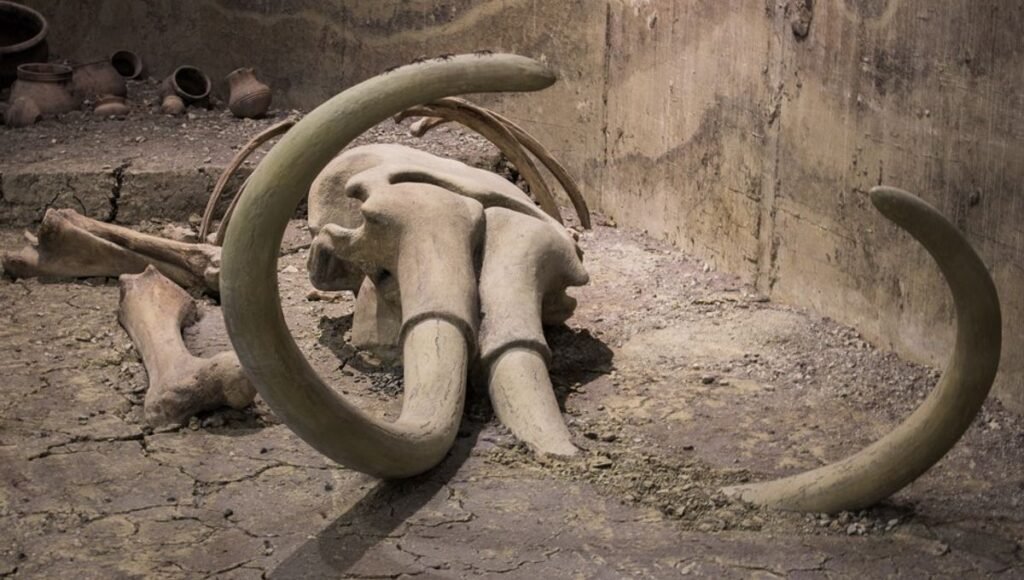
A decades-old Mammoth Fossil Hunt in Alaska has taken an unexpected turn after scientists confirmed bones long believed to belong to woolly mammoths were actually from marine whales. The remains were discovered near Fairbanks, about 400 kilometers (250 miles) from the nearest coastline, prompting new research into how ocean-dwelling animals ended up deep within the interior of Ice Age Alaska.
Table of Contents
Mammoth Fossil Hunt
| Key Fact | Detail/Statistic |
|---|---|
| Location of discovery | Central Alaska near Fairbanks |
| Distance from ocean | About 400 km inland |
| True identity | Minke whale and North Pacific right whale |
| Reason confusion occurred | Marine carbon skewed age estimates |
Researchers say the inland whale discovery may ultimately provide insight into ancient trade networks, environmental conditions, and scientific methodology. As Zazula explained, “Every fossil has a story, but sometimes we first have to learn how to read it correctly.”
What Scientists Found
For decades, bones collected from Alaska’s interior fueled speculation among paleontologists. Early testing suggested they belonged to mammoths that lived roughly 2,000 years ago — a startling result because mainland mammoths were believed extinct thousands of years earlier.
If confirmed, the discovery would have rewritten the late survival timeline of the species.
A recent re-examination, however, produced a different answer.
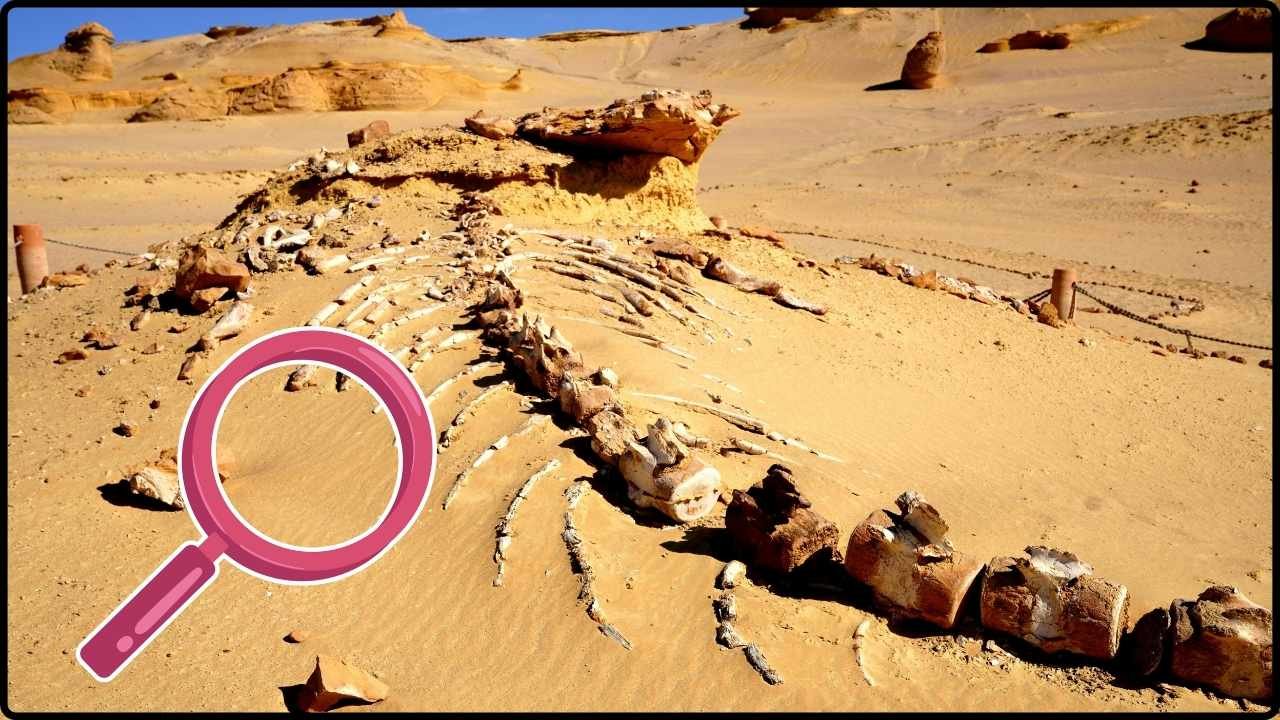
Researchers at the University of Alaska Fairbanks used advanced biochemical techniques to analyze preserved collagen proteins and isotopic signatures. The results showed the fossils were not from land mammals at all but from two marine species: a minke whale and a North Pacific right whale.
“Once we looked at the protein fingerprints, the identification was unambiguous,” said Dr. Matthew Wooller, director of the Alaska Stable Isotope Facility. “These were ancient whale fossils, not mammoths.”
The finding resolved the earlier radiocarbon dating mystery but created a new scientific question — how marine animals appeared so far inland.
Why the Inland Whale Fossils Are So Unusual
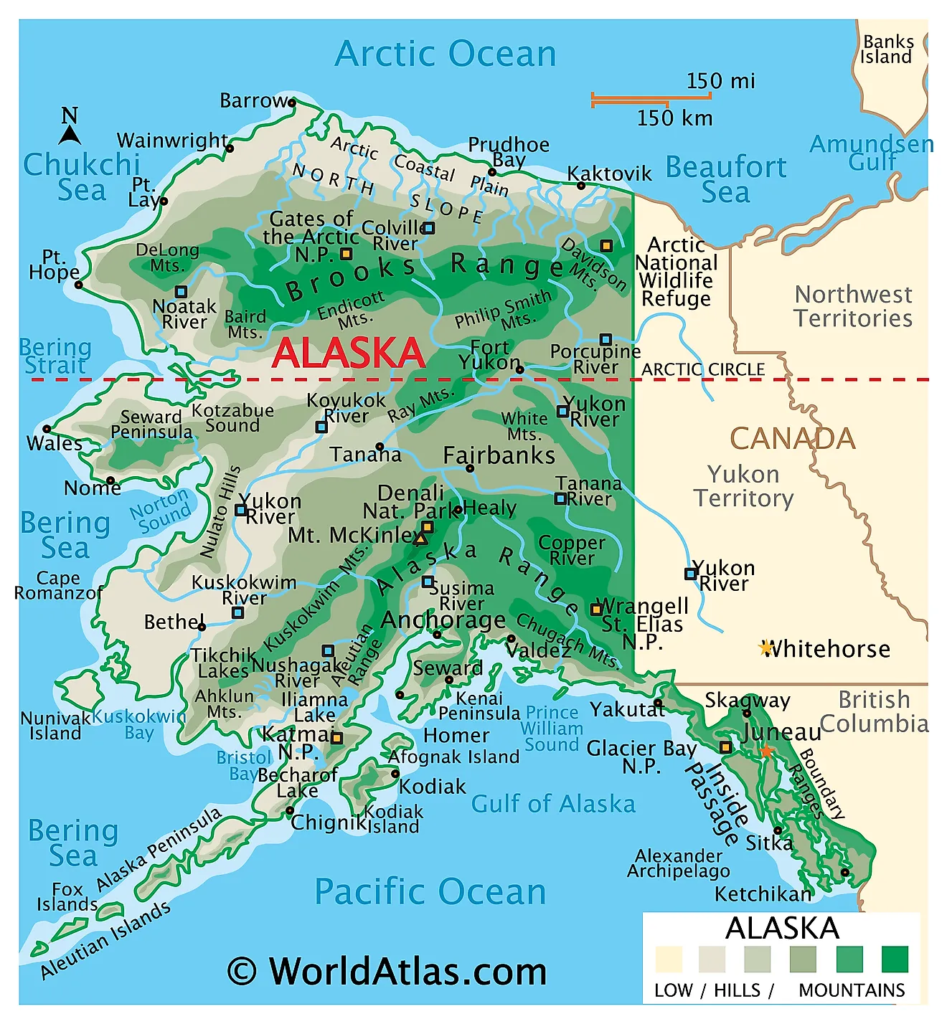
The Fairbanks region lies in continental Alaska, surrounded by forests, permafrost, and river valleys. No ocean shoreline existed nearby during the time the whales lived.
Marine biologists say the species identified could not survive extended freshwater travel.
“Right whales rely on dense ocean plankton blooms,” said marine ecologist Dr. Kate Stafford. “They are physiologically unsuited for long river journeys. The location makes this discovery exceptional.”
Possible Explanations Under Investigation
1. Ancient Human Transport
Archaeologists consider human transport a credible explanation. Indigenous Arctic populations historically used whale bone for construction, carving, and tools. Large river networks could have allowed movement inland.
Artifacts found elsewhere in Alaska show long-distance trade networks existed thousands of years ago.
Anthropologist Dr. Shelby Anderson noted that prehistoric communities frequently transported valuable materials. “Whale bone was durable and useful,” she said. “People moved resources across surprising distances.”
2. River Movement (Unlikely)
Some whale species occasionally enter rivers, but scientists say reaching interior Alaska would require navigating shallow channels and freshwater conditions over months. Researchers consider this scenario improbable.
3. Museum Catalog Error
The fossils were collected decades ago. Scientists now suspect labeling inaccuracies may have assigned the wrong location to the specimens.
“Museum records from early expeditions were sometimes incomplete,” Wooller said. “Reanalysis helps correct those historical uncertainties.”
How Dating Methods Caused Confusion
The mistaken identity resulted from radiocarbon dating, a technique measuring radioactive carbon decay to estimate age.
Marine animals absorb “old carbon” dissolved in seawater. When scientists dated the bones using terrestrial assumptions, the age appeared inconsistent.
This phenomenon — the marine reservoir effect — is well known in archaeology and explains the radiocarbon dating mystery.
Geochemists say the method is accurate only when environmental carbon sources are correctly identified.
Scientific Significance Beyond the Mystery
Even though the Mammoth Fossil Hunt did not reveal late-surviving mammoths, researchers say the case is scientifically valuable.
It demonstrates:
- the importance of verifying museum specimens
- how analytical technology improves interpretation
- the necessity of cross-disciplinary research between archaeology, chemistry, and paleontology
“Correcting errors is part of scientific progress,” said paleontologist Dr. Grant Zazula. “The story illustrates how knowledge evolves.”
Understanding Ice Age Alaska
During the last Ice Age, Alaska formed part of Beringia — a vast land bridge connecting Asia and North America. The region supported mammoths, steppe bison, horses, and predators such as saber-toothed cats.
Temperatures were cold but dry, creating grasslands rather than glaciers.
Scientists say this ecosystem explains why mammoths thrived there. However, marine whales would still have lived along distant coastlines.
Researchers note the inland discovery does not suggest ancient oceans existed in the Fairbanks region during that period.
Indigenous History and Archaeology
Human populations lived in Alaska at least 14,000 years ago. Archaeological evidence shows they hunted caribou, fished salmon, and used coastal resources including whales.
Whale bones were especially valuable because they could serve as:
- sled runners
- structural frames
- cutting tools
- ceremonial objects
This strengthens the transport hypothesis.
“People in Arctic cultures were highly resourceful,” said Anderson. “The movement of materials was part of survival.”
Re-Examining Museum Collections
The case highlights the importance of museum archives. Many fossils collected in the early 20th century were identified based on visual comparison alone.
Modern techniques now include:
- DNA sequencing
- collagen fingerprinting
- isotopic chemistry
- microscopic structural analysis
Scientists believe many existing specimens worldwide could be reclassified using these tools.
“Collections are scientific time capsules,” Wooller said. “We are learning new things from old bones.”
Broader Context: Mammoths and Extinction
Woolly mammoths dominated northern continents during the Pleistocene epoch. Climate warming and human hunting likely contributed to their disappearance.
Mainland populations vanished roughly 10,000 years ago, though isolated island groups survived longer.
The corrected findings now align with the accepted extinction timeline.
Scientists say the Mammoth Fossil Hunt initially appeared to contradict this understanding but ultimately reinforced it.
Climate and Preservation
Permafrost played a major role in preserving fossils. Frozen soil slows decomposition and protects biological material for thousands of years.
Alaska’s thawing permafrost is now revealing new fossils annually. However, warming temperatures also risk damaging them once exposed.
Researchers warn that climate change may both increase discoveries and accelerate deterioration.
What Happens Next
Scientists plan further isotopic testing to determine the whales’ oceanic origin. Geological surveys and archaeological fieldwork near the discovery site may follow.
The investigation remains open.
“We solved one mystery and uncovered another,” Wooller said. “That is often how science works.”
FAQ
Why were whale bones mistaken for mammoths?
Fragmentary remains and misleading radiocarbon readings led to incorrect identification.
Could whales have lived inland?
No evidence supports inland marine environments in Ice Age Alaska.
Does this affect mammoth extinction history?
No. The corrected identification supports current scientific consensus.