

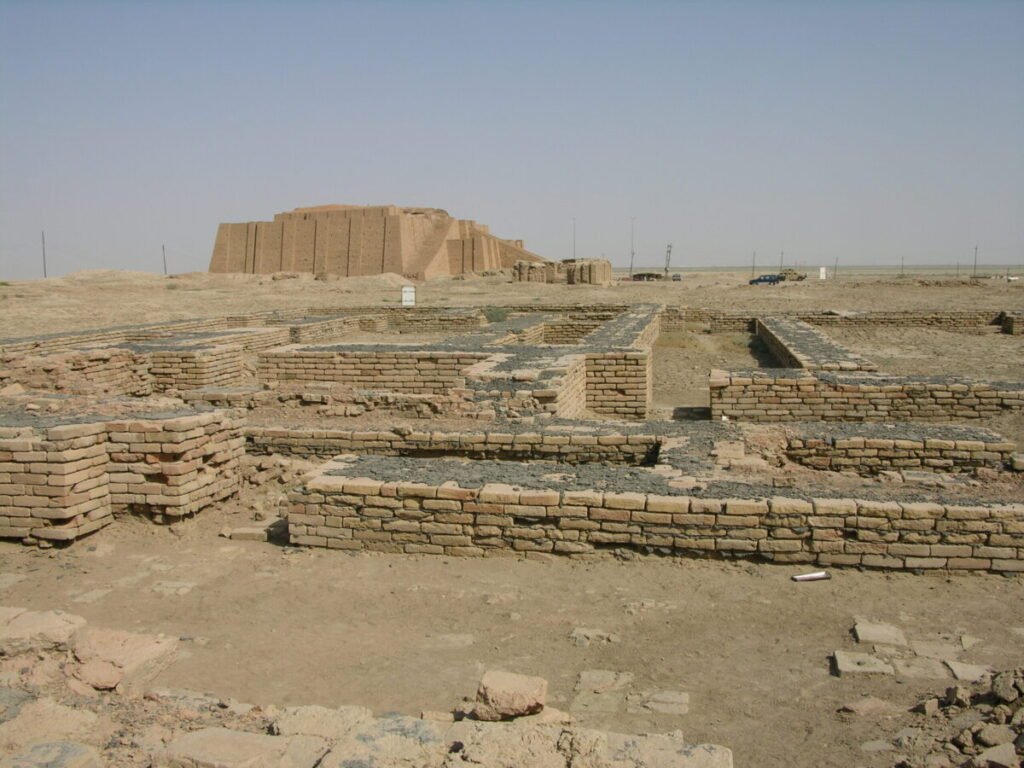
A new archaeological analysis shows Sumerian Builders in ancient Mesopotamia engineered asphalt-like construction materials more than 4,000 years ago. Researchers studying artifacts from southern Iraq say craftsmen intentionally modified natural petroleum tar to improve durability, flexibility, and water resistance in tools, boats, and buildings — a discovery that is reshaping understanding of early engineering in the world’s first urban civilization.
Table of Contents
Sumerian Builders Used Bitumen Like Asphalt
| Key Fact | Detail |
|---|---|
| Age of materials | Around 2600–2000 BCE |
| Materials used | Bitumen mixed with minerals and plant fibers |
| Significance | Evidence of organized early engineering |
The discovery does not mean ancient societies possessed modern industry. However, it shows organized technical knowledge existed far earlier than previously believed. Each newly examined artifact strengthens the conclusion that Sumerian Builders were not only the creators of early cities but also among the earliest engineers in human history.
What Researchers Discovered About Sumerian Builders
Scientists examined dozens of bitumen fragments recovered from the city of Abu Tbeirah, a settlement that existed during the height of Sumerian civilization in southern Iraq.
The objects included tool fragments, vessel coatings, and building sealants.
Laboratory analysis revealed the material was not natural tar in its raw state. Instead, Sumerian Builders repeatedly heated and blended it with additives.
The combinations were deliberate.
Some samples contained mineral particles that strengthened the substance, while others included plant fibers that increased flexibility. Researchers concluded different mixtures were tailored for specific uses.
That level of customization suggests skilled specialists rather than ordinary laborers.
Evidence of Standardized Recipes
Archaeologists identified nearly identical mixtures across separate artifacts and excavation layers.
The repeated chemical patterns indicate systematic knowledge passed between generations of craftsmen.
In modern engineering terms, researchers say, the materials were “performance-optimized.”
This is important because it suggests early engineering traditions existed long before formal scientific theory.
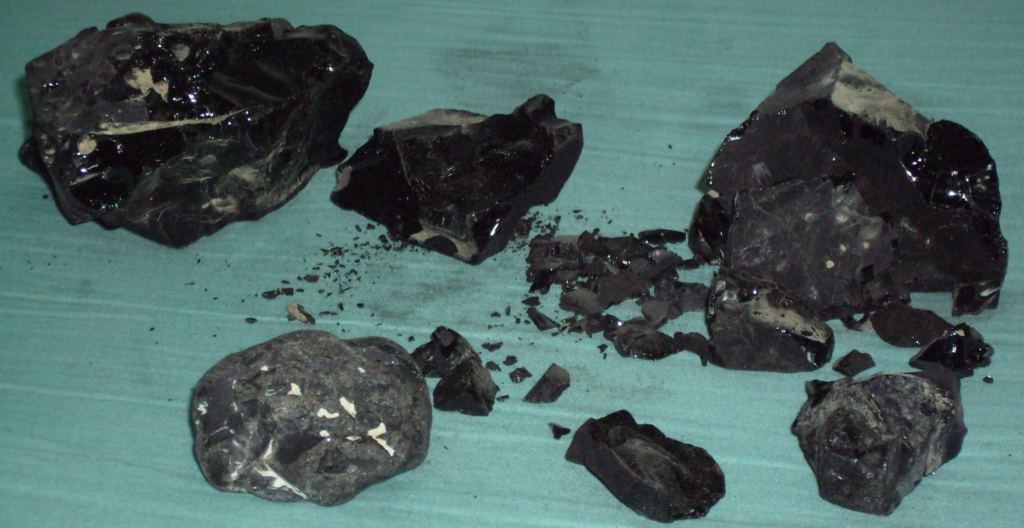
Why Bitumen Waterproofing Was Essential in Ancient Mesopotamia
The civilization of Sumer emerged in a challenging environment. Southern Mesopotamia was a marshy floodplain with unstable soil and seasonal river flooding.
Stone was scarce. Timber was rare.
Most buildings were constructed from sun-dried mudbrick, which dissolves quickly when exposed to water. Without protection, permanent settlements could not survive.
Bitumen waterproofing provided that protection.
Sumerian Builders coated foundations, canals, walls, and roofs with the substance. They also sealed reed boats and baskets used for transport and agriculture.
Historians believe the material was crucial to maintaining irrigation networks. Irrigation allowed agriculture, and agriculture supported urban populations.
In effect, bitumen made cities possible.
Early Engineering Before Modern Science
Modern asphalt contains a petroleum binder mixed with fillers to control cracking and temperature expansion. The same principle appears in the materials used by Sumerian Builders.
They did not understand chemistry in theoretical terms. But they understood behavior.
If material cracked, they changed the recipe.
If it melted, they altered heating techniques.
If it leaked, they added fibers.
This process represents empirical engineering — learning through repeated observation and practical testing.
Archaeologists say it is similar to how early metallurgy developed, where craftsmen learned to control bronze composition long before atomic theory existed.
The Broader Achievements of Bronze Age Cities
The discovery adds to growing evidence that ancient Mesopotamia was technologically sophisticated.
Sumer already introduced several innovations:
- writing (cuneiform)
- complex mathematics
- urban planning
- taxation and accounting
- standardized weights and measures
The work of Sumerian Builders demonstrates that construction technology belonged on that list.
Large cities such as Uruk may have supported populations approaching 40,000 people — enormous for the Bronze Age. Durable infrastructure would have been necessary to sustain them.
Trade Networks and Economic Impact
Bitumen was not available everywhere.
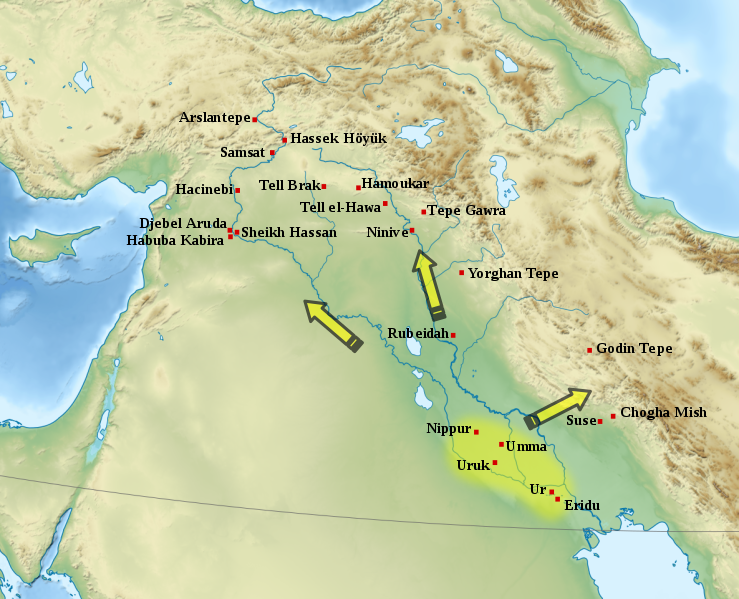
Archaeological evidence indicates it was mined from natural seepages and transported long distances along river routes. Some sites imported the material from hundreds of kilometers away.
This suggests organized trade networks existed alongside early engineering knowledge.
Economic tablets written in cuneiform record shipments of construction materials, labor assignments, and storage inventories. Historians interpret these records as signs of administrative management similar to modern supply chains.
The demand for construction materials may have stimulated economic growth across ancient Mesopotamia.
Environmental Adaptation and Urban Survival
Experts say the findings also highlight human adaptation to climate challenges.
Ancient Mesopotamia faced:
- flooding rivers
- unstable soils
- seasonal storms
Sumerian Builders responded by reinforcing levees, lining canals, and sealing structures.
In many ways, their challenges resemble modern coastal engineering problems. Cities today build flood barriers and waterproof infrastructure to protect against rising water levels.
Researchers note that ancient solutions sometimes used locally sourced and recyclable materials — a concept modern engineers are again exploring.
How Craftsmen Likely Worked
Archaeologists believe bitumen processing occurred in workshops.
The material would have been heated in containers until soft. Workers mixed in plant fibers or ground minerals while stirring with tools. The hot compound was then spread over surfaces or molded into shapes.
Because bitumen could be reheated, damaged sections were repairable. This made maintenance easier and extended building life.
Evidence of reused material shows early recycling practices.
Such knowledge likely passed through apprenticeships, where experienced craftsmen trained younger workers over many years.
Implications for the History of Technology
Historians have long described ancient societies as innovative but technologically limited. The findings challenge that assumption.
Instead, experts increasingly describe ancient Mesopotamia as a center of organized knowledge.
Engineering knowledge did not exist in textbooks. It existed in memory, practice, and skilled labor communities.
This helps explain how early cities functioned for centuries.
Modern Engineering Parallels
Modern civil engineers see familiar ideas in the discovery:
- controlled mixtures
- material testing
- maintenance systems
- repairability
These principles remain central to infrastructure design today.
Researchers say the main difference is theoretical explanation. Modern engineers use chemistry and physics equations. Sumerian Builders used observation and experience.
The practical result, however, could be surprisingly similar.
What Researchers Will Study Next
Scientists plan to compare samples from other Mesopotamian cities to determine whether knowledge was centralized or widely shared.
If similar mixtures appear across multiple regions, it may indicate professional guild-like networks existed thousands of years before recorded engineering professions.
Future chemical analysis may also identify precise sources of raw bitumen, helping reconstruct trade routes.
FAQs About Sumerian Builders Used Bitumen Like Asphalt
What is bitumen?
A naturally occurring petroleum tar related to modern asphalt.
How old are the materials?
Approximately 4,000–4,500 years old.
Why was it important?
It allowed waterproof construction in flood-prone environments.
Did they invent asphalt roads?
No. But they developed similar material engineering principles.