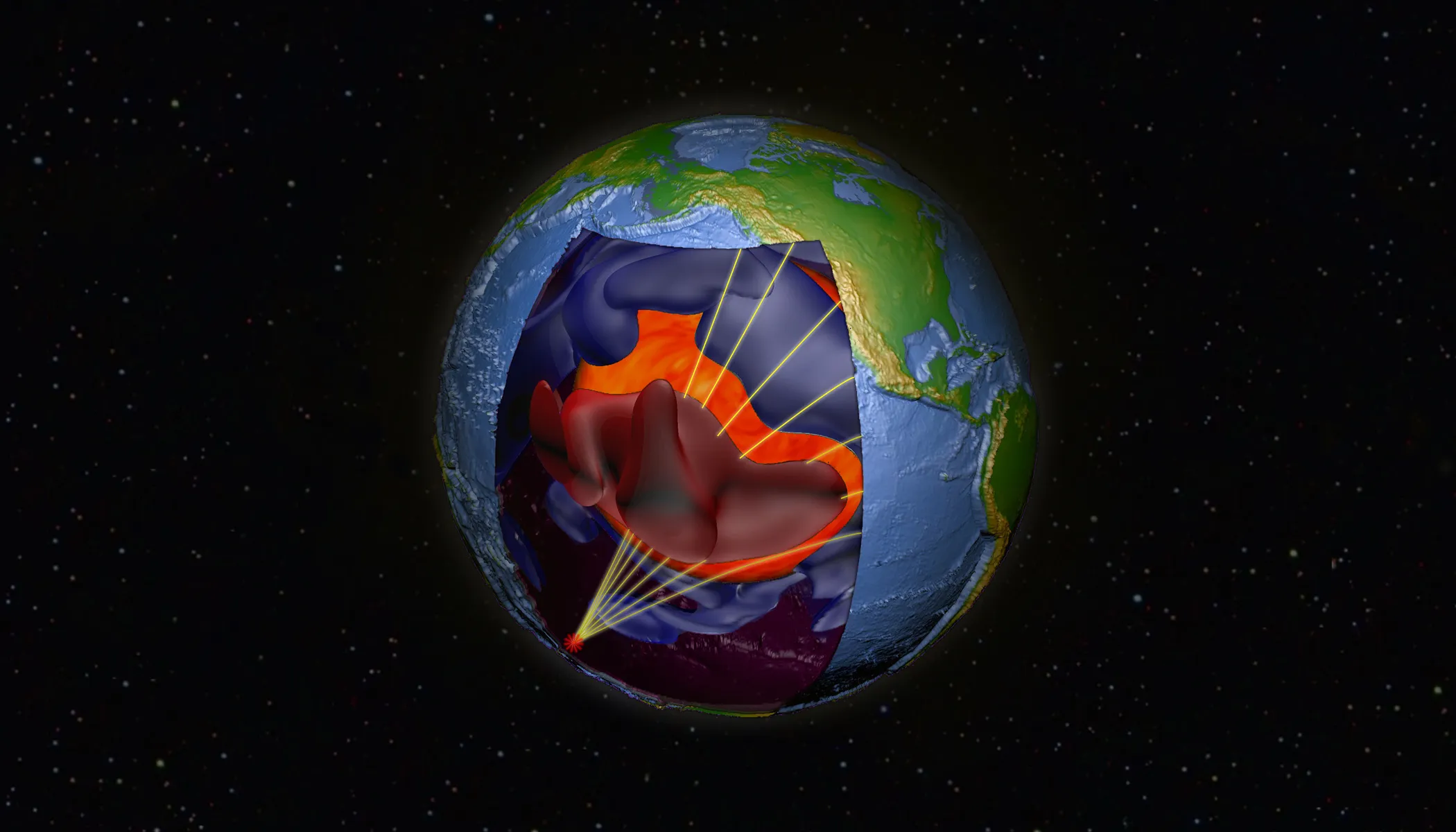

If you’ve ever wondered why global warming hasn’t heated the atmosphere as quickly as scientists once predicted, the answer lies far from cities, factories, and highways. It exists in the freezing waters surrounding Antarctica. A recent Southern Ocean heat release study suggests the planet’s oceans have been silently absorbing an enormous share of the extra heat created by greenhouse gases. Researchers now believe the Southern Ocean heat release process may strongly influence how climate change unfolds in the coming decades. For years, scientists described the ocean as a protective shield. Instead of rising temperatures staying in the air, much of that heat slipped into deep waters and stayed hidden. But new observations show the system may be changing. Warmth that sank into the depths decades ago is slowly returning upward. That shift could affect sea levels, weather extremes, and the pace of global warming.

The idea behind Southern Ocean heat release is simple but powerful. The Southern Ocean stores heat for long periods and later returns part of that energy to the surface. Oceanographers consider it one of Earth’s most important climate regulators because it links the Atlantic, Pacific, and Indian oceans. When deep waters hold heat, warming appears slower at the surface. When circulation patterns change, stored warmth resurfaces and interacts with the atmosphere. Scientists studying ocean circulation, Antarctic water mixing, and deep-ocean temperature records warn this process may shape future warming more than annual emissions alone. The concern is not an immediate spike in temperatures. Instead, it is a delayed warming effect. Heat absorbed decades ago could influence weather and climate many years from now.
Table of Contents
Southern Ocean May Release Stored Heat
| Key Information | Details |
|---|---|
| Region Studied | Southern Ocean around Antarctica |
| Main Process | Upwelling of warm deep water |
| Trigger | Shifting winds and ocean circulation |
| Stored Heat Source | Decades of greenhouse warming |
| Potential Impact | Faster warming and melting ice |
| Timeframe | Long term, decades to centuries |
| Climate Role | Regulates global temperatures |
| Main Concern | Heat returning to the atmosphere |
For decades, the Southern Ocean quietly protected the planet by storing excess heat beneath cold waters. Now scientists are realizing that storage was never permanent. Evidence shows some of that warmth is slowly returning to the surface. The Southern Ocean heat release reveals an important climate reality. Global warming is not only determined by present emissions but also by past heat already hidden within the ocean. Even if emissions decline, the climate system will continue responding to earlier warming. In other words, the ocean has memory. The energy absorbed years ago is still part of Earth’s future climate. Understanding this process helps explain why climate change can accelerate even after human actions improve. The Southern Ocean is not just a distant polar region. It is one of the main engines controlling the planet’s temperature balance.
Why The Southern Ocean Matters
- The Southern Ocean is unique. Unlike other oceans separated by continents, it circles Antarctica continuously. This uninterrupted ring of water allows global currents to flow freely around the planet.
- Scientists estimate that oceans absorb more than 90 percent of the excess heat trapped by greenhouse gases. A significant portion enters this region alone. The Southern Ocean heat release question matters because the ocean does not just store heat. It redistributes it across the world.
- Cold, dense water forms near Antarctica and sinks toward the ocean floor, carrying heat downward. That heat may remain hidden for decades. Eventually, currents bring some of it back upward. When it reaches the surface, it warms surrounding air and accelerates climate change.
- In practical terms, the Southern Ocean has been delaying the full impact of global warming.
What The Study Found
- Researchers used satellites, drifting buoys, and robotic floats that travel through different ocean depths. These instruments recorded temperature changes far below the surface. Their main finding was striking. Heat absorbed roughly 30 to 50 years ago is now moving upward.
- This Southern Ocean heat release does not happen suddenly. It occurs through a natural process called upwelling. Deep water rises to replace surface water pushed away by strong winds.
- Scientists also noticed the warming was uneven. Some areas showed stronger heat movement, especially near the Antarctic Circumpolar Current, the most powerful ocean current on Earth. This current acts like a conveyor belt, carrying water and heat across vast distances.
The Mechanism Mixing Currents And Winds
Three forces work together to drive the process.
Wind Shifts
Powerful westerly winds circle Antarctica. These winds have strengthened and moved slightly closer to the pole in recent decades. When they push surface water northward, deeper water rises to replace it. That rising water carries stored warmth.
Ocean Mixing
The Southern Ocean is extremely turbulent. Underwater ridges, waves, and eddies stir layers of water together. This mixing slowly moves deep heat toward the surface. Without this constant churning, the heat would remain trapped much longer.
Deep Ocean Circulation
The planet’s global circulation system transports water between oceans and depths. Over long time periods, it returns stored heat upward. This large-scale movement is a major driver of Southern Ocean heat release and connects polar changes to worldwide climate patterns.
Implications For Climate Change
- For decades, the ocean absorbed heat and slowed atmospheric warming. Scientists sometimes referred to this as the planet’s cooling buffer. The problem is that the buffer may weaken.
- When stored heat resurfaces, temperatures can rise even if greenhouse gas emissions stabilize. The Southern Ocean heat release could produce several consequences.
- Global temperatures may increase faster than expected. Marine heatwaves may intensify. Rainfall patterns could shift, affecting agriculture. Storm systems may strengthen because warmer oceans feed stronger weather.
- Climate models now include deep ocean heat feedbacks because ignoring them leads to underestimating future warming.
Impact On Antarctic Ice
One of the most serious concerns involves Antarctic ice shelves. These floating extensions of glaciers help hold inland ice in place. Warm water reaching the continental shelf melts them from below. Satellite observations already show thinning in parts of West Antarctica. Even small increases in water temperature can weaken ice shelves. When they thin or collapse, glaciers behind them move faster toward the sea. The Southern Ocean heat release may therefore contribute directly to rising sea levels. Coastal cities around the world could feel the impact long before they notice changes in polar regions.
Why Scientists Are Concerned
The concern is not immediate catastrophe. It is long-term commitment. Carbon dioxide stays in the atmosphere for centuries, and the ocean responds slowly. Researchers call this climate inertia. Heat entering the ocean today may influence temperatures many decades later. Because the Southern Ocean connects all major oceans, warming here spreads globally. Changes in circulation also affect monsoons, fisheries, and ecosystems. The Southern Ocean heat release matters not just to polar researchers but to farmers, coastal communities, and weather forecasting worldwide.
What Comes Next
Scientists are expanding monitoring networks in Antarctic waters. Modern robotic floats can dive nearly 2,000 meters and measure temperature, salinity, and oxygen levels. Satellites track sea surface temperature and ice movement year round.
Researchers are focusing on several key questions.
- How quickly is heat moving upward
- How wind patterns will evolve
- How much ice melt will accelerate
- How the process influences long-term climate predictions
Improving observations will help refine sea-level forecasts and climate projections. Better understanding of Southern Ocean heat release allows governments and planners to prepare for future environmental changes.
FAQs
What Is Southern Ocean Heat Release
It is the process in which heat stored deep beneath Antarctic waters gradually rises back toward the surface and atmosphere due to ocean circulation and wind changes.
Why Is the Southern Ocean Important For Climate
It connects all major oceans and absorbs a large portion of excess global heat and carbon dioxide, helping regulate planetary temperature.
Will This Make Global Warming Faster
Potentially yes. When stored heat resurfaces, it can add to atmospheric warming even if future emissions are reduced.
How Does It Affect Sea Levels
Warmer water melts Antarctic ice shelves from below, allowing glaciers to flow faster into the ocean and raising sea levels.