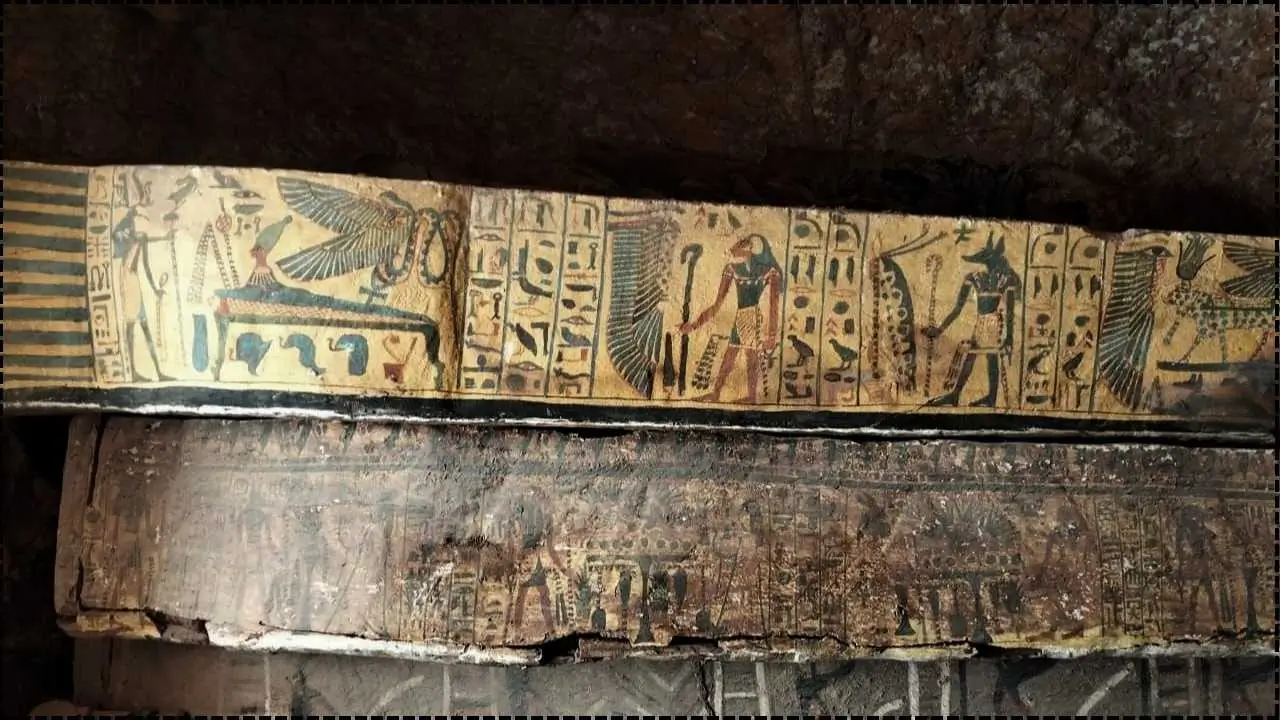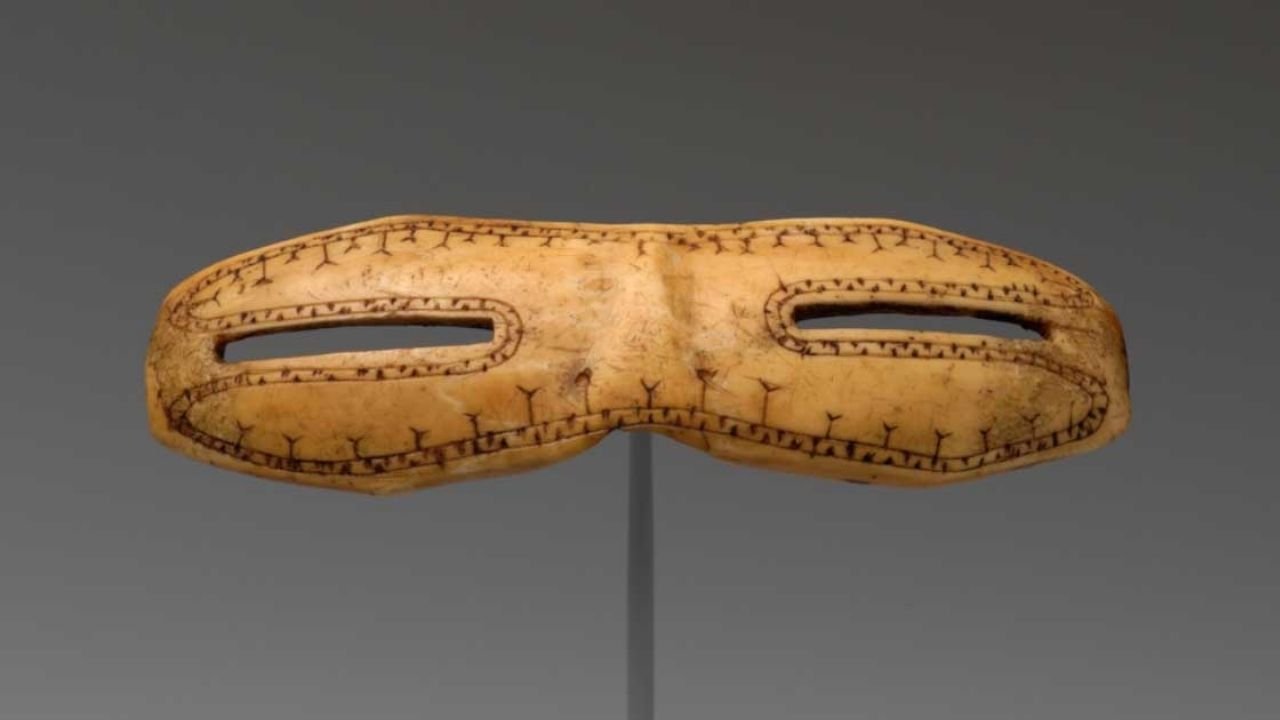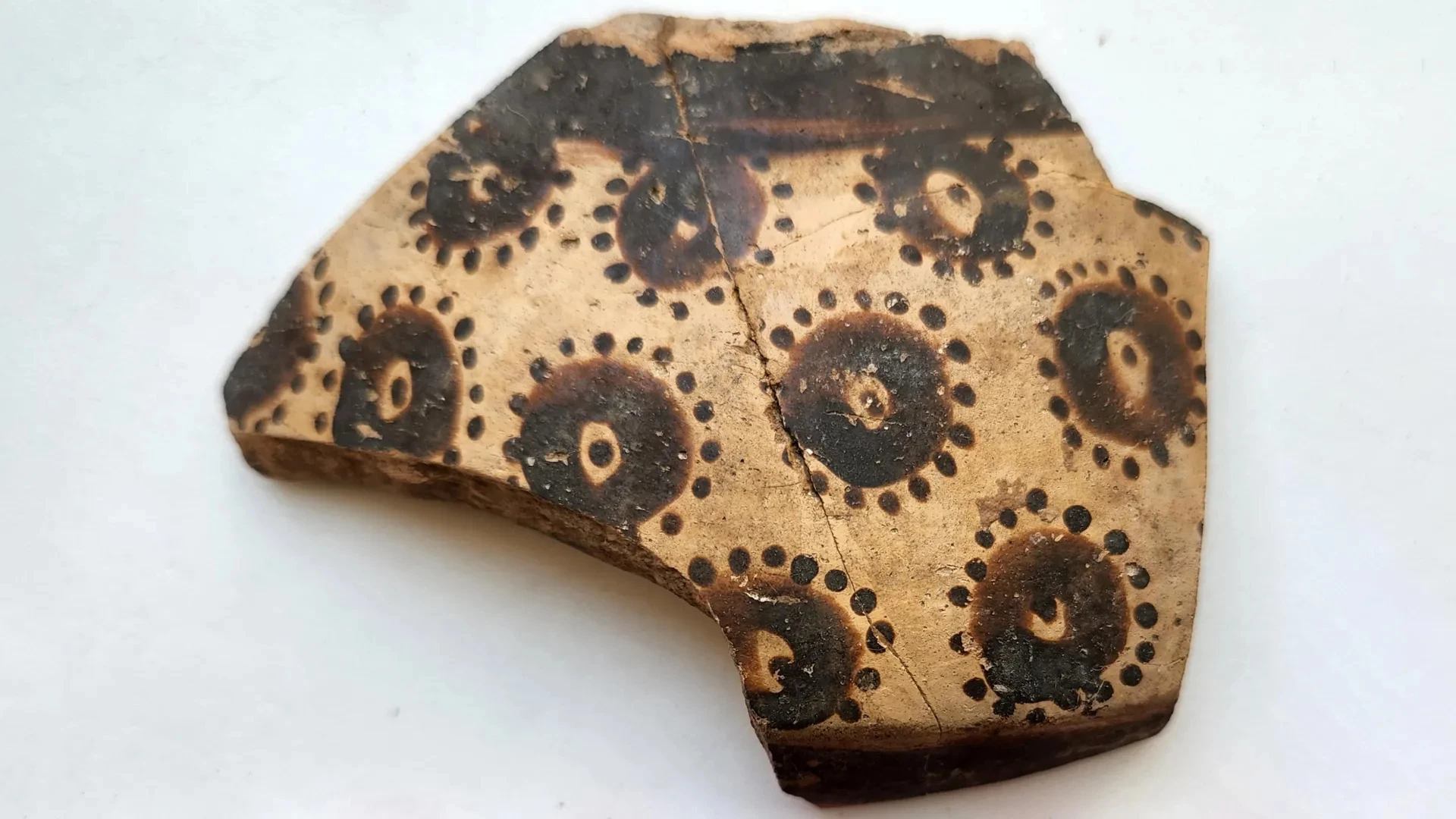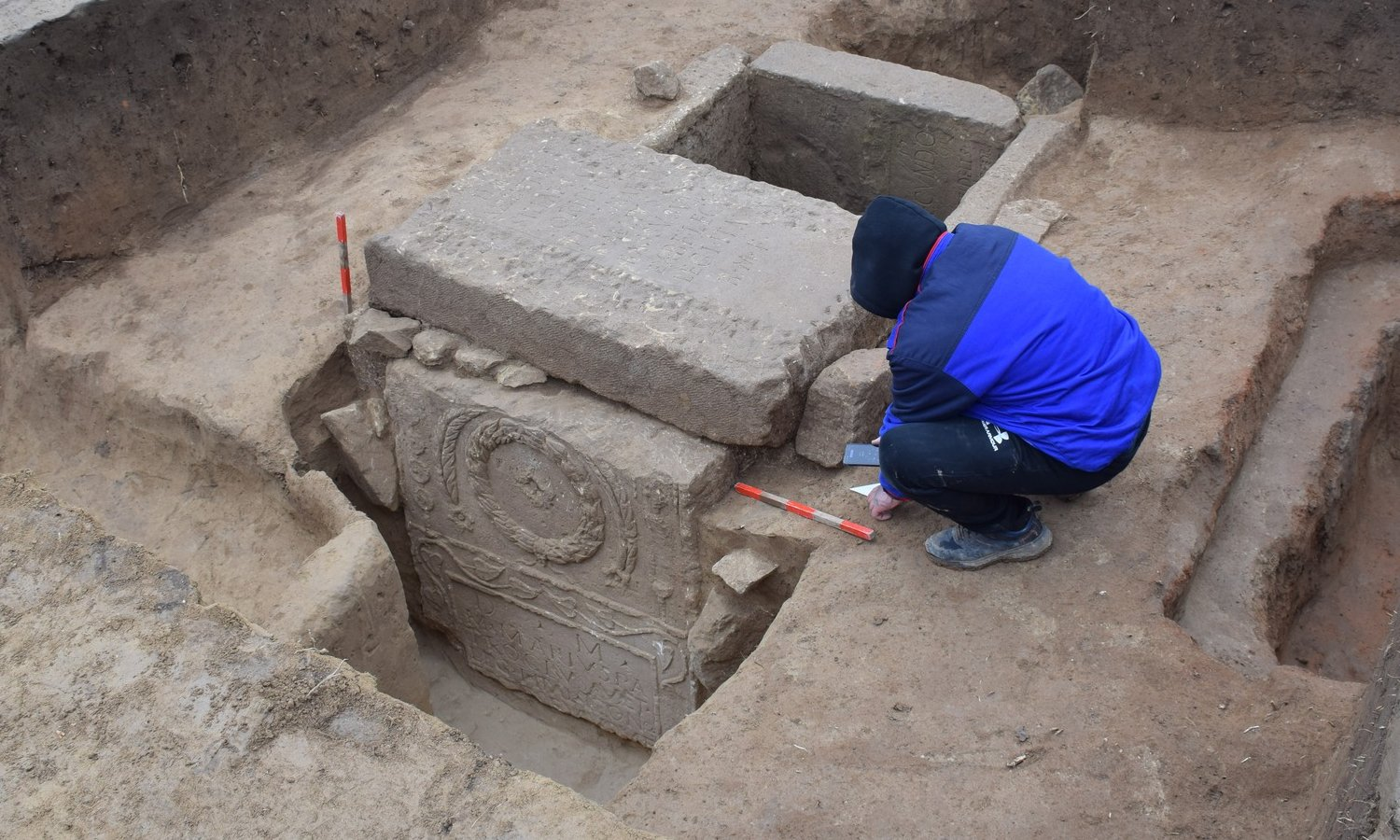

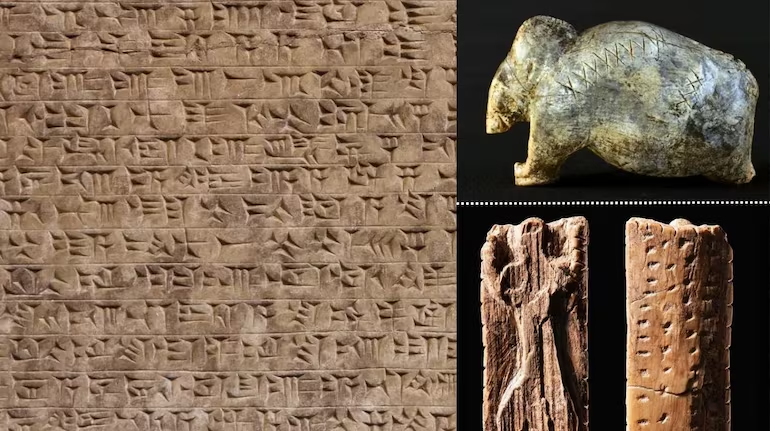
Researchers say Symbols Tens of Thousands of Years Ago — prehistoric markings carved into bone and ivory by early modern humans in Europe about 40,000 years ago — were likely meaningful records rather than decoration. The findings, reported in February 2026 by international science researchers, suggest organized communication systems existed long before formal writing appeared in ancient civilizations.
Table of Contents
Humans May Have Used Symbols Tens of Thousands of Years Ago
| Key Fact | Detail/Statistic |
|---|---|
| Age of engravings | About 40,000 years old |
| Number of symbols studied | Roughly 3,000 carvings across 200+ artifacts |
| Significance | Evidence of structured symbolic communication, not random art |
What Scientists Discovered
Archaeologists examined carvings from early modern humans associated with the Aurignacian culture, which spread across Europe during the last Ice Age. The artifacts included animal figurines, hunting tools, pendants, and carved ivory objects discovered in caves and open-air settlements in what is now Germany and France.
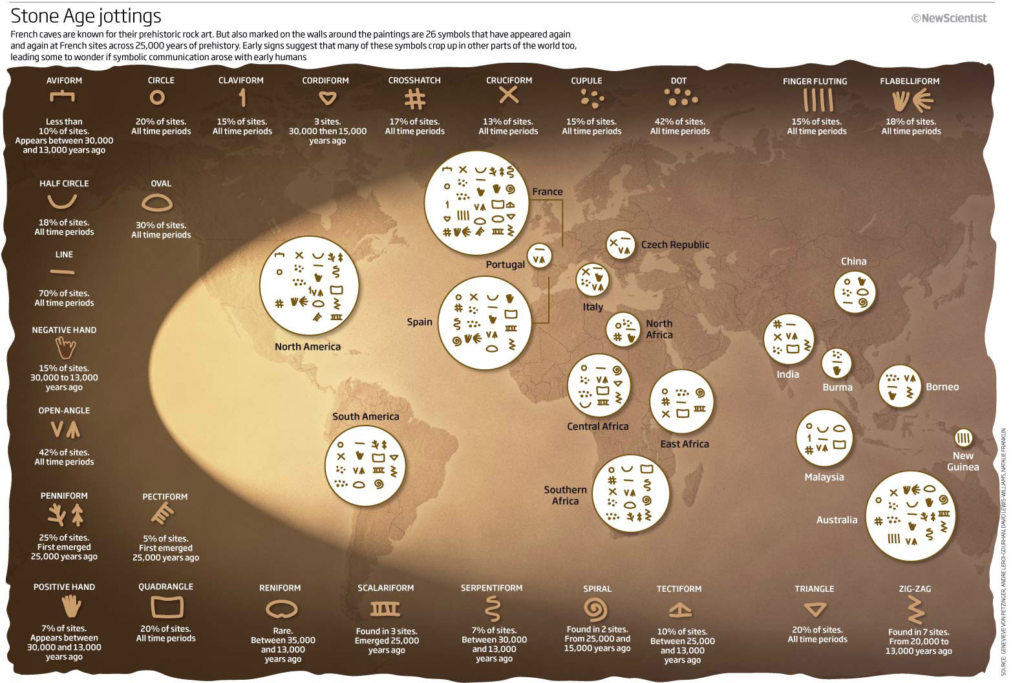
Instead of random scratches, researchers observed repeated combinations of lines, dots, cross-marks, and V-shapes placed in consistent positions. Statistical modeling showed the patterns carried structured information.
“These marks show organization and repetition,” said a prehistoric cognition researcher involved in the study. “That strongly suggests people were recording or transmitting information rather than simply decorating objects.”
Scientists analyzed approximately 3,000 individual signs across more than 200 objects. They found recurring symbol sequences across sites separated by hundreds of miles, indicating shared cultural meaning rather than individual artistic style. The consistency suggests that early humans followed agreed conventions — a key element of communication.
Not Writing — But a Precursor
Difference Between Symbols and Writing
Researchers emphasize the engravings do not represent a full writing system. True writing connects symbols to spoken language and grammar, such as the cuneiform tablets of ancient Mesopotamia about 5,000 years ago.
Instead, the markings appear closer to record-keeping — a type of proto-writing system.
Possible uses include:
- seasonal tracking
- hunting records
- group identification
- teaching younger generations
- memory aids
Archaeologists often compare them to tally marks or early calendars. According to the research team, the engravings display measurable “information density,” meaning they encoded data rather than simple visual patterns.
Secondary keyword (proto-writing): The symbols likely represent a stage of proto-writing, a communication system that precedes language-based writing but still conveys meaning.
Why the Discovery Matters
The discovery significantly extends the timeline of human communication. For decades, historians believed symbolic record-keeping emerged shortly before the first civilizations in the Middle East.
Now, evidence suggests cognitive abilities necessary for complex communication existed far earlier — among Ice Age hunter-gatherers.
“This shows communication systems evolved gradually,” said an archaeological linguistics specialist who reviewed the findings. “Writing did not suddenly appear in cities. It developed from symbolic traditions tens of thousands of years older.”
The finding also reinforces that early Homo sapiens possessed advanced abstract thinking. Humans living during the Ice Age were already capable of shared conventions, teaching traditions, and preserving knowledge across generations — hallmarks of cultural societies.
The Evolution of Human Communication
From Art to Information Systems
Human symbolic behavior appears to have progressed through stages:
- Abstract patterns and pigment markings
- Repeated symbolic signs
- Record-keeping systems
- Fully developed writing
Earlier discoveries in southern Africa revealed engraved ochre stones approximately 70,000 years old. Those carvings demonstrated intentional design but lacked repeated structured sequences.
The newly analyzed European engravings fill the missing link between art and writing.
Broader Implications for Human Intelligence
The study reshapes scientific understanding of early human cognition and social organization. To maintain a symbol system, communities must share meanings and teach them to others.
That implies:
- long-term planning
- cooperative learning
- cultural identity
- knowledge storage
Secondary keyword (cognitive evolution): Researchers say the markings demonstrate significant cognitive evolution in early humans, showing they could think abstractly and collectively.
Anthropologists note that shared symbols require trust and group structure. A symbol only works if many people agree on its meaning. That suggests Ice Age societies were more socially complex than once believed.
Connection to Cave Art
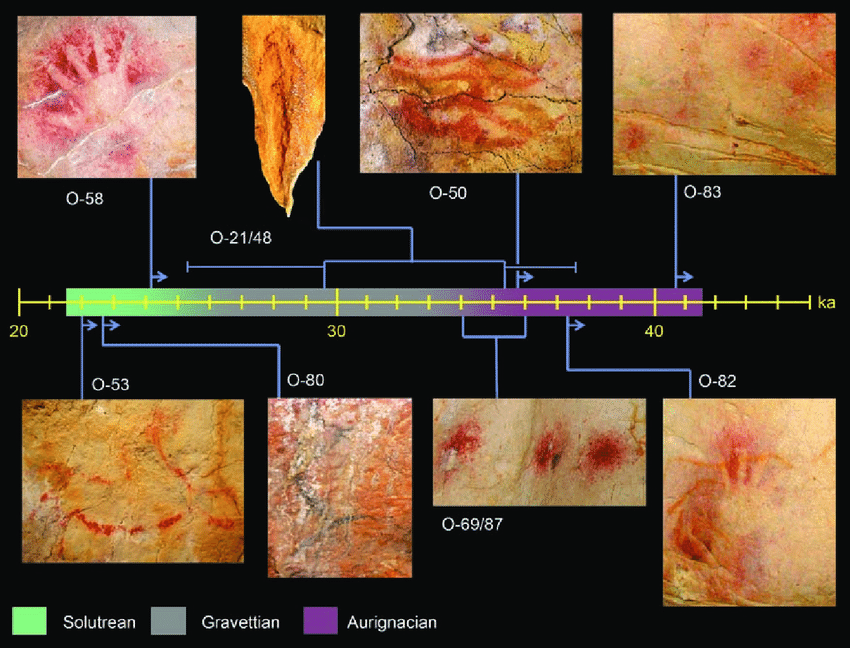
The discovery also connects to famous prehistoric cave paintings in sites such as Lascaux in France and Chauvet Cave. Many of those paintings include dots and abstract shapes alongside animals.
For decades, scientists debated whether those shapes were decorative. The new findings suggest they may have carried shared meaning.
Secondary keyword (cave art): Some researchers now believe prehistoric cave art and the engravings were part of the same communication system — combining images and symbols to record knowledge about animals, seasons, or migration patterns.
What Researchers Still Don’t Know
Despite the discovery, the precise meaning of the markings remains unknown. No translation exists, and archaeologists caution against calling them language.
It is possible the symbols represented:
- lunar cycles
- hunting seasons
- animal migrations
- territorial markers
Scholars are now applying artificial intelligence to compare symbol frequency and order, hoping patterns may reveal their purpose.
Scientific Debate
Not all experts fully agree on the interpretation. Some archaeologists argue repeated patterns could arise from artistic preference rather than communication.
However, supporters note the probability of identical sequences appearing independently across large regions is extremely low.
One researcher explained: “The repetition is too systematic to be coincidence. These are conventions — and conventions are the foundation of communication.”
Forward Outlook
Further excavations and AI-assisted pattern analysis may identify more examples across Europe, Africa, and Asia. Researchers hope expanding the dataset will reveal whether the symbols tracked specific events or encoded broader knowledge.
As one scientist said, “We may never read these marks like a written text, but they clearly show early humans communicated more systematically than we once believed.”
FAQs About Humans May Have Used Symbols Tens of Thousands of Years Ago
Were these symbols a language?
No. They represent structured communication but not grammar-based writing.
How old are the markings?
About 40,000 years old, from the European Ice Age.
Why are they important?
They push back the origins of organized communication tens of thousands of years before known writing.
Could Neanderthals have used symbols too?
Possibly. Some earlier archaeological evidence suggests Neanderthals also used pigments and markings, but their symbolic systems remain debated.