
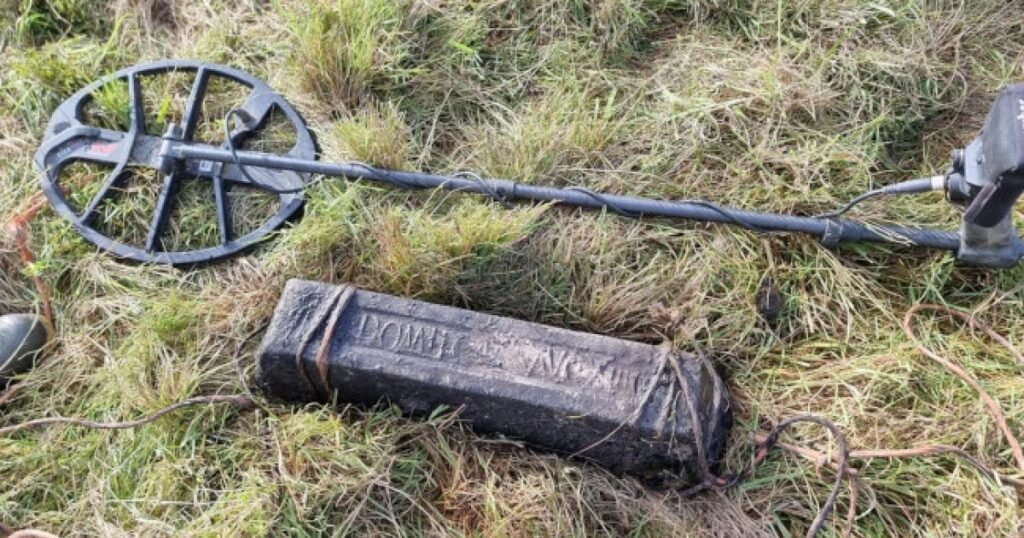
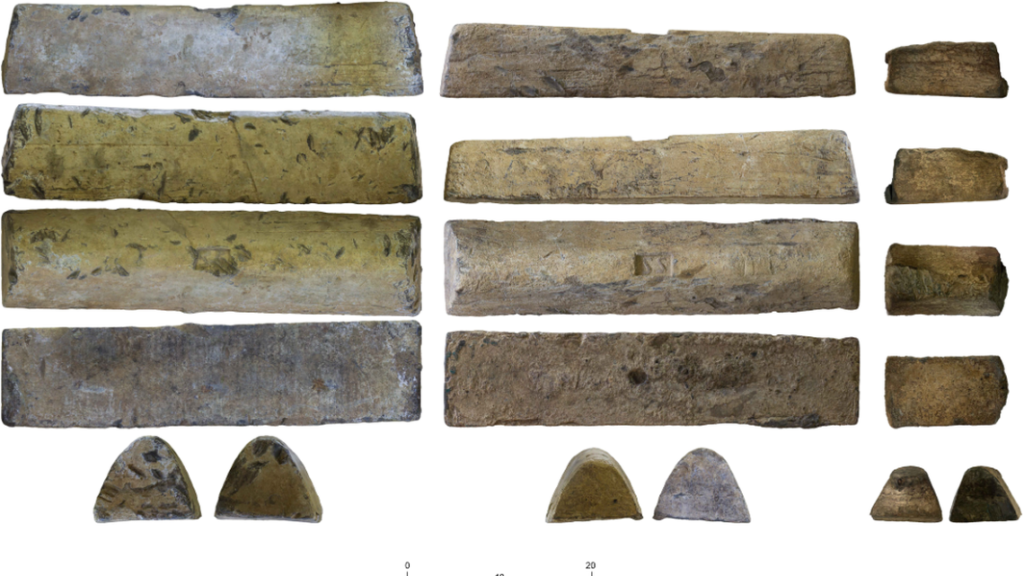
Authorities in west Wales have granted legal protection to two rare Roman lead ingots after a recent archaeological discovery, highlighting Official Treasure Protection and Britain’s industrial past. The artifacts, found near Llangynfelyn in Ceredigion and dating to the Roman occupation nearly 2,000 years ago, have been formally declared “Treasure,” ensuring they will be safeguarded for research and public display.
Table of Contents
Wales Finds Rare Roman Lead Ingots
| Key Fact | Detail |
|---|---|
| Age of artifacts | Nearly 2,000 years old, Roman Britain era |
| Legal status | Declared Treasure under the UK Treasure Act 1996 |
| Significance | Evidence of Roman mining and trade networks |
The Discovery and Why Official Treasure Protection Matters
The ingots, often called “lead pigs” because of their rounded rectangular shape, were uncovered by responsible metal-detectorists in farmland near the Welsh coast. Specialists from Amgueddfa Cymru – Museum Wales and regional archaeologists examined the objects and confirmed their Roman origin.
The heavy blocks were deliberately cast in standardized molds, a practice used by Roman authorities to transport raw metal efficiently across long distances. Each ingot weighs several dozen kilograms, indicating organized production rather than small-scale local use.
Experts date the objects to the early centuries of Roman Britain, after the Roman invasion in A.D. 43, when imperial administrators rapidly developed mining operations across the province. Lead extraction was a strategic economic activity because the ore often contained silver, a valuable currency metal in the Roman world.
“Finds like these provide direct physical proof of organized Roman industry in western Britain,” an examining archaeologist said in a heritage statement. “They show that areas far from major Roman towns were still connected to imperial supply systems.”
The granting of Official Treasure Protection under the Treasure Act 1996 legally safeguards the objects and prevents their loss to private collectors. The law prioritizes preservation and public access.
What the Treasure Status Means
Under British law, objects of exceptional archaeological importance must be reported to a coroner within 14 days. An inquest then determines whether they qualify as Treasure.
While gold and silver items commonly meet the legal criteria, the Roman lead ingots qualify because of rarity, historical importance, and research value. Industrial artifacts are increasingly recognized as critical evidence of ancient economies.
Conservation and Museum Acquisition
If a museum chooses to acquire the objects, an independent committee determines their market value. The finder and the landowner usually share compensation, encouraging cooperation with heritage authorities.
The British Museum administers the Treasure process nationally. The system aims to prevent looting and to keep important discoveries accessible to the public.
Heritage officers emphasize the broader benefit. “Without reporting laws, many discoveries would vanish into private collections and never contribute to knowledge,” one official noted.
Roman Mining Economy in Britain
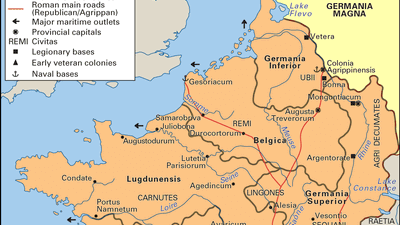
Historians believe economic motives played a central role in Rome’s conquest of Britain. The island held large deposits of tin, iron, copper, and especially lead.
Lead had wide applications in Roman society:
- urban plumbing systems
- bathhouse infrastructure
- ship fittings
- storage containers
- writing tablets
- cosmetics and pigments
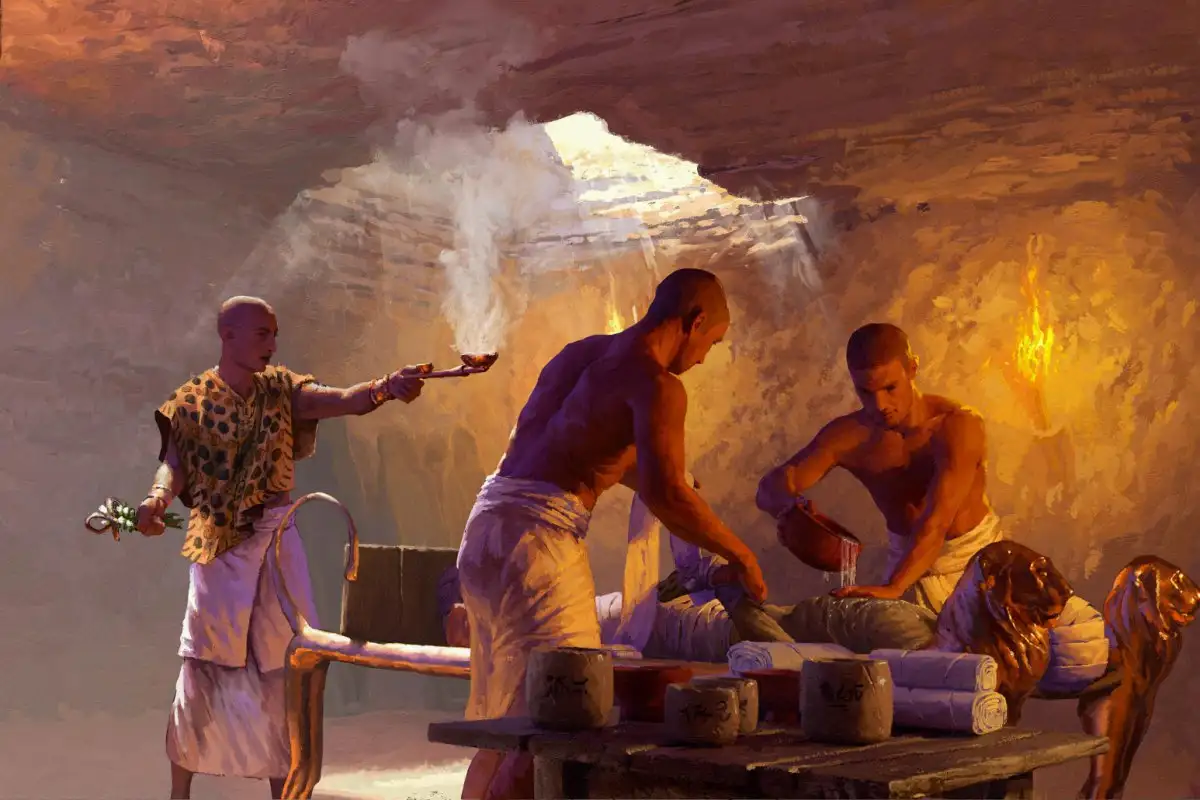
Roman engineers constructed extensive mining complexes using water-powered tools, drainage tunnels, and forced labor. Some mines were operated by the Roman state, while others were leased to private contractors.
The ingots likely traveled by cart to coastal ports and then by ship across the Irish Sea or toward continental Europe. This trade network connected Britain to economic centers such as Gaul (modern France) and the Mediterranean.
Archaeologists say the new discovery strengthens evidence that western Wales participated in these networks, not merely as a frontier but as a production zone.
How Romans Manufactured and Transported the Metal
The casting process involved smelting galena ore in furnaces reaching over 1,000°C. Workers poured molten metal into standardized molds, producing uniform ingots.
Some Roman ingots carried inscriptions naming emperors, mining officials, or military units. These acted as quality control marks and proof of imperial authority. Even when markings are absent, chemical analysis can identify mine sources.
Transportation required planning. A single ingot could weigh up to 80 kilograms. Ox-drawn wagons moved them from mountain mines to river ports, where ships carried cargo in bulk.
This logistical complexity shows Roman Britain functioned as a coordinated industrial region rather than a simple colony.
Archaeology, Metal Detecting, and Public Reporting
The discovery highlights the United Kingdom’s cooperative approach to archaeology. The Portable Antiquities Scheme (PAS) allows hobbyists to record finds legally with archaeologists.
Since its creation in the late 1990s, PAS has documented more than a million objects. These records help scholars map settlements, trade routes, and daily life in Roman Britain.
Experts stress that context is crucial. The soil layer, nearby objects, and exact coordinates reveal as much as the artifact itself.
“The scientific value often lies not only in the object but in exactly where it was found,” a heritage researcher explained. “Location data can identify lost settlements and forgotten industries.”
Wider Historical Implications
The Roman Empire depended on resources from its provinces. Britain supplied metals used in construction and coin production across Europe.
Lead from Britain has been found in Roman buildings as far away as Germany and Italy. The ingots discovered in Wales may help researchers trace shipping routes across the Irish Sea.
Scientists plan isotope analysis, which compares trace elements in the metal to known ore deposits. The technique can identify the specific mine that produced the lead.
Scholars believe these findings may reshape understanding of Roman Wales. Instead of a peripheral territory, it may have been an active participant in imperial commerce.
Social and Cultural Context: Life Around the Mines
Mining regions were often multicultural communities. Roman soldiers, local Britons, and skilled workers from other provinces lived near extraction sites.
Archaeological evidence from similar locations shows:
- temporary worker settlements
- bathhouses for laborers
- supply markets
- shrines dedicated to Roman and local gods
Mining was dangerous. Workers faced toxic fumes, tunnel collapses, and flooding. Roman engineers developed drainage systems using waterwheels and channels to keep mines operational.
The ingots therefore represent not only trade but human labor and frontier life in ancient Wales.
What Happens Next
Conservation experts will stabilize the lead and prevent corrosion. Although metal appears durable, exposure to oxygen and moisture can damage ancient artifacts.
Researchers will conduct laboratory testing to determine:
- ore origin
- smelting techniques
- casting methods
- transport history
A Welsh regional museum is expected to apply for acquisition funding so the public can view the ingots. If successful, the artifacts will likely anchor an exhibit on Roman industrial history.
Officials say the discovery offers an educational opportunity. Schools and universities often use such finds to teach archaeology, engineering, and ancient economics.
Why Official Treasure Protection Is Increasingly Important
Across Europe, illegal antiquities trading has expanded with online marketplaces. Authorities say heritage laws are necessary to preserve cultural history.
The British reporting system is often cited internationally as a model. It encourages cooperation rather than punishment by compensating finders.
Heritage specialists argue that public ownership strengthens identity and education. Artifacts displayed locally connect communities to their past.
Final Note
Researchers expect further investigation of the site to continue. Archaeologists say additional artifacts may still lie underground, potentially revealing a nearby Roman production or storage location.
A heritage spokesperson summarized the significance: “Every discovery like this helps rebuild the story of how ancient Britain functioned. The past becomes clearer, piece by piece.”
FAQs About Wales Finds Rare Roman Lead Ingots
Why are Roman lead ingots important?
They are rare industrial artifacts proving organized mining and trade in Roman Britain.
Why were they declared Treasure?
Their rarity, age, and research significance justify legal preservation.
Who owns them now?
The state oversees them until a museum acquisition is finalized.
Can people keep artifacts they find?
Small non-Treasure objects can sometimes be kept, but significant finds must be reported under UK law.