
You probably think of a vaccine as protection against a single disease flu, measles, or COVID-19. But a new line of medical research is expanding that idea. Scientists are increasingly noticing something unexpected: the shingles vaccine may protect brain health in ways doctors never anticipated when the shot was first developed.
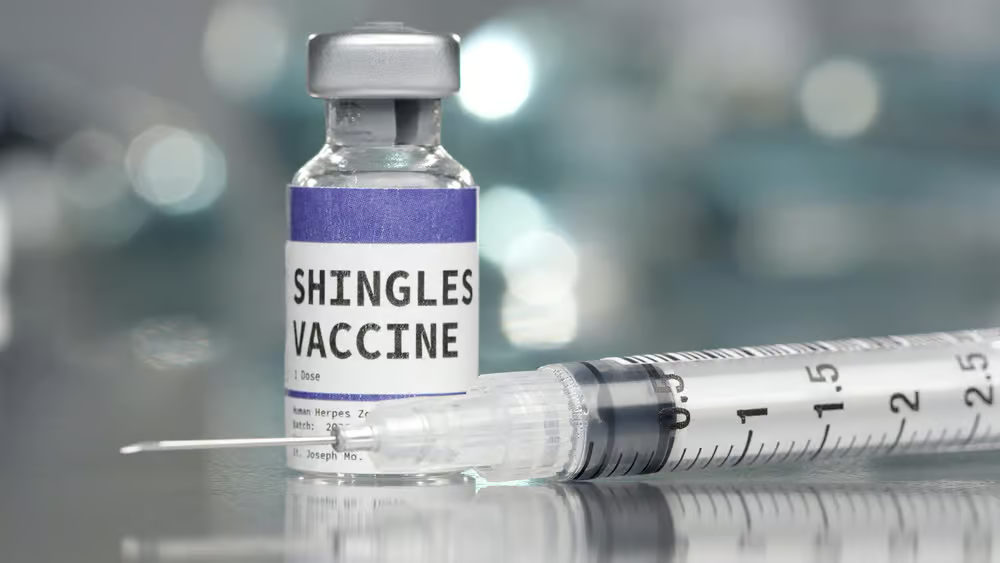
What started as a preventive measure for a painful skin condition is now being studied as a possible tool in reducing long-term cognitive decline. More neurologists are discussing the possibility that the shingles vaccine may protect brain health not directly, but by reducing inflammation and silent damage inside the nervous system. For decades, dementia prevention conversations focused on genetics, aging, and lifestyle habits. Recently, researchers have added another suspect dormant viruses living inside the human body. The virus responsible for shingles does not disappear after childhood chickenpox. It hides inside nerve tissue and can reactivate later in life.
Each reactivation creates immune stress and inflammation, which scientists now believe may contribute to memory deterioration over time. The connection between shingles vaccine and brain health is gaining attention because large population studies repeatedly show a pattern: older adults who receive the vaccine develop dementia at lower rates than similar unvaccinated individuals. Researchers believe the shingles vaccine may protect brain health by strengthening immune control over the varicella-zoster virus before it triggers nerve inflammation. Instead of the immune system reacting aggressively to viral reactivation, vaccination trains the body to suppress it early. While the vaccine is not a treatment for Alzheimer’s disease or memory loss, doctors increasingly see it as part of preventive aging medicine, similar to managing cholesterol or blood pressure.
Table of Contents
Shingles Vaccine May Protect Brain Health
| Category | Details |
|---|---|
| Virus | Varicella-zoster virus remains dormant in nerve cells after chickenpox |
| Vaccine Type | Recombinant zoster vaccine (Shingrix) |
| Recommended Age | Adults 50 years and older |
| Primary Purpose | Prevent shingles outbreaks & post-herpetic nerve pain |
| Emerging Observation | Lower dementia diagnosis rates among vaccinated adults |
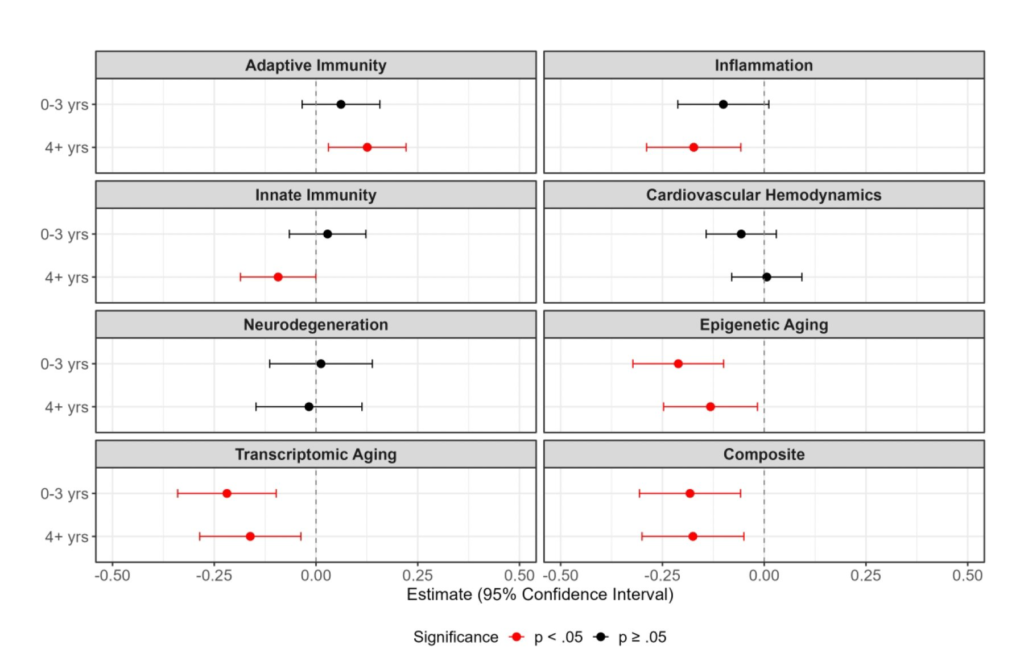
| Proposed Mechanism | Reduced inflammation & improved immune response |
| Evidence Type | Large observational population studies |
| Safety | Mild temporary side effects common |
Medical discoveries sometimes come from unexpected places. The shingles vaccine was designed to prevent nerve pain and rash. Yet ongoing research suggests its effects may reach much deeper. Scientists are gradually realizing that infections do not simply end when symptoms disappear. Viruses can influence the body for decades. Preventing their reactivation may be a key part of healthy aging. Today, the vaccine clearly prevents shingles and long-term nerve pain. Increasing evidence also suggests the shingles vaccine may protect brain health by reducing inflammation and preserving blood flow in the nervous system. It is not a miracle cure and not a replacement for healthy living. However, combined with good diet, exercise, and medical care, it may help people maintain independence and memory for longer into old age.
Understanding Shingles and the Latent Virus
- After a person recovers from chickenpox, the virus does not leave the body. Instead, it travels into nerve roots near the spinal cord and brain, where it stays inactive for decades. Most people never notice it again until later adulthood. As immunity weakens with age, the virus can wake up. When it does, it travels along nerve pathways and produces shingles a blistering rash often accompanied by burning or stabbing pain. For some patients, the pain persists months or even years after the rash disappears.
- Doctors once believed shingles was only a skin and nerve condition. Today, they understand it can affect the brain as well. The virus can inflame blood vessels, disrupt nerve signaling, and in rare cases contribute to stroke or neurological complications. These findings help explain why scientists suspect the shingles vaccine may protect brain health over the long term.
Why Scientists Suspect A Cognitive Connection
The brain is sensitive to inflammation. Even mild inflammation repeated over many years can harm neurons and reduce blood flow. Many researchers now believe dementia is partly a vascular and immune condition, not only a genetic disease. When the shingles virus reactivates, the body releases inflammatory chemicals to fight it. That response is useful in the short term but harmful if it happens repeatedly. Each episode may cause microscopic injury to delicate brain structures involved in memory.
Researchers believe the shingles vaccine may protect brain health through several mechanisms:
- Preventing viral reactivation
- Reducing inflammation in blood vessels
- Lowering cumulative immune stress
- Protecting brain circulation
These effects may not be noticeable immediately. Instead, they may influence cognitive aging over many years.
What Recent Studies Are Showing
Large-scale studies over the past few years have examined hundreds of thousands of adults. Medical researchers compared vaccinated individuals with those who never received the shot. A consistent trend appeared. People who received the vaccine were diagnosed with dementia less frequently over time.
Researchers accounted for important factors such as:
- Age
- Education level
- Healthcare access
- Chronic disease history
- Socioeconomic status
Even after adjustments, the association remained. This does not yet prove direct cause and effect, but the repeated pattern across different populations strengthens the theory. Because of this growing body of evidence, neurologists now openly discuss the possibility that the shingles vaccine may protect brain health as part of preventive care in aging adults.
The Role Of The Immune System
The immune system changes significantly after age 50. Immune cells become slower at recognizing dormant infections. This age-related decline allows viruses hidden inside nerve cells to reactivate more easily. Vaccination retrains immune memory. It teaches the body to recognize the virus quickly and suppress it before it spreads. Instead of a large inflammatory reaction, the immune response becomes controlled and efficient. Researchers believe this is a key reason the shingles vaccine may protect brain health. Less viral activity means fewer inflammatory episodes affecting the nervous system and blood vessels. In simple terms, the vaccine may reduce long-term wear and tear on the brain caused by repeated immune activation.
Who Should Consider Vaccination
Medical guidelines recommend the shingles vaccine for adults aged 50 and older, regardless of whether they remember having chickenpox. Most adults have been exposed to the virus even if they never noticed symptoms.
You should especially consider vaccination if you:
- Are over age 50
- Have high blood pressure
- Have diabetes
- Have heart disease
- Have a family history of dementia
Even individuals who previously experienced shingles should still get vaccinated because the infection can recur. Doctors increasingly suggest vaccination not only for pain prevention but also because the shingles vaccine may protect brain health later in life.
Safety And Side Effects
The current shingles vaccine is a protein-based vaccine, not a live virus. It cannot cause shingles.
Common reactions include:
- Soreness at injection site
- Fatigue
- Mild fever
- Headache
- Body aches
These symptoms usually last one to three days and indicate the immune system is responding. Serious reactions are very rare. Protection lasts for years and significantly lowers the risk of painful nerve complications.
Limitations Of Current Research
Although findings are promising, scientists remain cautious. Most studies so far are observational rather than controlled clinical trials. Observational research can show association but cannot confirm direct causation.
There are alternative explanations. Vaccinated individuals may:
- Visit doctors more regularly
- Follow healthier lifestyles
- Manage chronic diseases better
However, the repeated results across different countries and healthcare systems suggest a biological explanation is likely. At present, experts say the shingles vaccine may protect brain health, but it should be considered a preventive possibility rather than a guaranteed defense against dementia.
What This Means for the Future of Prevention
Modern medicine increasingly focuses on prevention. Researchers now believe many brain diseases begin decades before symptoms appear.
Current protective strategies already include:
- Regular exercise
- Blood pressure control
- Diabetes management
- Healthy diet
- Mental stimulation
If future clinical trials confirm ongoing findings, vaccination could become another recommended step in preserving cognitive function. Even a small reduction in dementia cases would have a major public health impact because millions of people develop cognitive decline each year.
FAQs About Shingles Vaccine May Protect Brain Health
1. At What Age Should I Get the Shingles Vaccine?
Doctors recommend adults receive it at age 50 or older, even if they had chickenpox as a child.
2. Does The Vaccine Prevent Dementia?
No. It does not directly prevent dementia, but studies suggest it may lower risk over time.
3. Is The Shingles Vaccine Safe For Older Adults?
Yes. It is widely tested and considered safe, with only short-term mild reactions for most people.
4. Do I Need the Vaccine If I Already Had Shingles?
Yes. Shingles can occur more than once, and vaccination helps prevent recurrence and complications.