
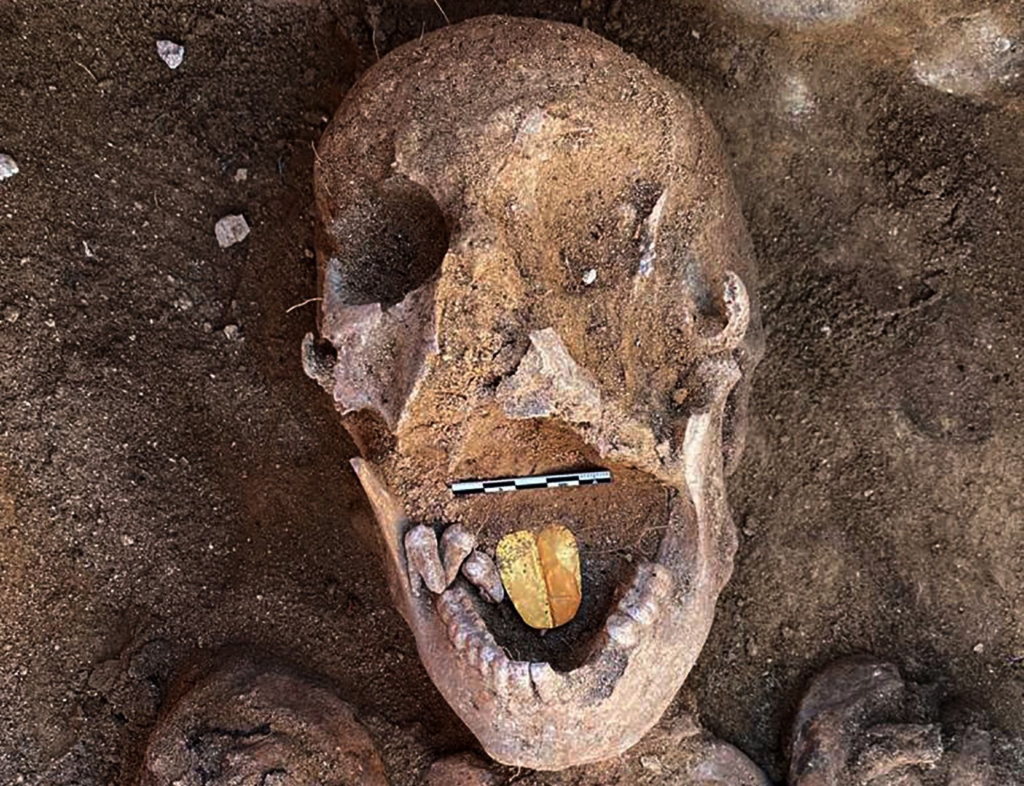
Archaeological discoveries often change what we know about the past, but sometimes they also change how we feel about it. Recently uncovered burial chambers in Egypt did exactly that. Inside carefully wrapped bodies, researchers found something small, yet deeply meaningful thin pieces of gold placed inside the mouths of the dead.
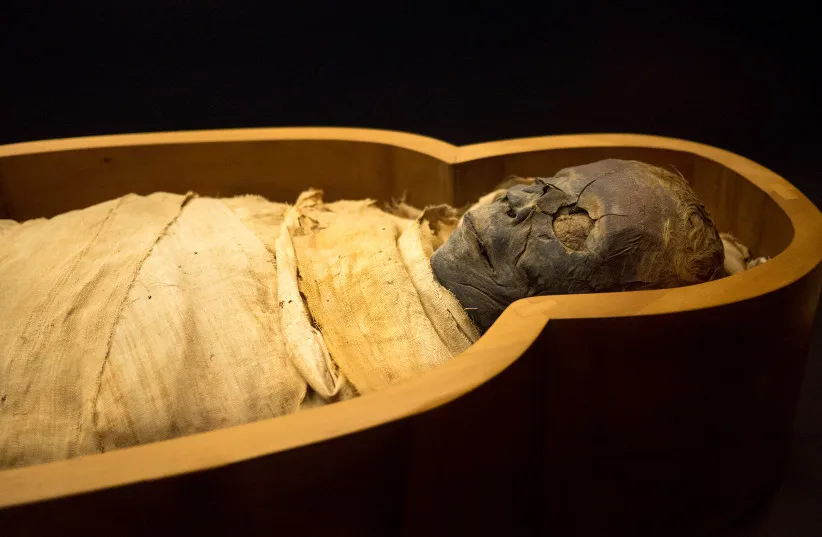
These were the now-famous gold tongue mummies, and they immediately caught the attention of historians and readers alike. The gold tongue mummies weren’t decorated to show wealth. They were prepared for a purpose: to help the deceased communicate after death. This detail forces us to see ancient Egyptian religion differently. Burial rituals were not symbolic gestures performed out of habit. They were practical steps in preparation for the next life. Families believed the afterlife was structured, almost like entering a court. The deceased would need to answer questions, identify divine beings, and defend their moral character. In that world, silence could mean failure. Speech meant survival.
The discovery of gold tongue mummies provides one of the clearest examples of how strongly Egyptians believed in the power of spoken words. In their religious worldview, death was not the end of identity. Instead, the soul traveled to a spiritual realm where it stood before divine judges. The person needed to speak clearly, recite sacred declarations, and prove moral purity. A golden tongue symbolically restored speech to the dead, ensuring they could participate in judgment. Archaeologists also noticed that this practice was not limited to rulers. Priests and middle-class citizens were buried this way too, showing that belief in the afterlife crossed social boundaries. The gold tongue mummies therefore represent both religious devotion and cultural continuity during a time when Egypt was ruled by foreign powers.
Table of Contents
Mummies Prepared with Gold Tongues for the Afterlife
| Key Aspect & Category | Details |
|---|---|
| Location & Region | Nile Delta burial complex, northern Egypt |
| Historical Period & Era | Greco-Roman Period (1st century BCE – 3rd century CE) |
| Unique Feature & Object | Thin gold sheet shaped like a tongue placed inside the mouth |
| Religious Purpose & Meaning | Allow the dead to speak during afterlife judgment |
| Associated Deity & Belief | Judgment before Osiris, god of the underworld |
| Other Artifacts & Finds | Amulets, pottery vessels, painted coffins, funerary masks |
| Social Class & Identity | Priests, officials, and moderately wealthy families |
| Cultural Insight & Interpretation | Blend of Egyptian religion with Greek and Roman influences |
The discovery of gold tongue mummies offers insight not only into ancient burial rituals but also into human psychology. Egyptians created a structured system for death, one involving preparation, testimony, and judgment. A small strip of gold preserved for two thousand years now reveals a powerful belief: identity does not end at death. The voice continues. The soul speaks. And in the worldview of ancient Egypt, that voice determined eternity. The tombs remind us that the past is not distant. It is filled with individuals who worried about the same things people still do justice, memory, and being heard. Through the gold tongue mummies, those voices finally reached us.
Why The Dead Needed A Voice
To understand the gold tongue mummies, you need to understand how Egyptians viewed words. Speech was not simply communication. It was power. Spells were spoken aloud, names carried protective force, and prayers had to be recited precisely. After death, the soul appeared before a group of divine judges. The deceased was expected to declare innocence by stating they had not committed certain sins such as stealing, lying, or harming others. Historians call this the negative confession, a ritual testimony. If the dead person could not speak, the ritual could not occur. The golden tongue symbolically solved that problem. It ensured the soul retained its voice. More importantly, gold represented eternity. Unlike other metals, it did not decay. Egyptians believed gods possessed golden flesh, so the tongue was more than a replacement organ. It was sacred.
Where The Tombs Were Found
- The burial chambers were located within a large cemetery complex consisting of multiple shafts and underground rooms. Some chambers held several coffins placed side by side. Others were family tombs reused over generations.
- Evidence showed that grave robbers had entered certain tombs centuries ago. Jewelry and valuable items were stolen, but the gold tongues remained untouched. Hidden beneath linen wrappings inside the mouth, they were overlooked.
- This accidental preservation confirmed the gold tongues were part of the original burial preparation. The tombs also revealed something important about society. The individuals buried there were not kings. They were temple workers, local officials, and respected citizens. The practice behind gold tongue mummies therefore belonged to the wider population, not just royal elites.
Burial Customs During the Greco-Roman Period
- During this era, Egypt was politically controlled by foreign rulers, yet its religious traditions continued. People lived in multicultural cities, traded across the Mediterranean, and adopted new clothing styles. But when death occurred, ancient customs remained.
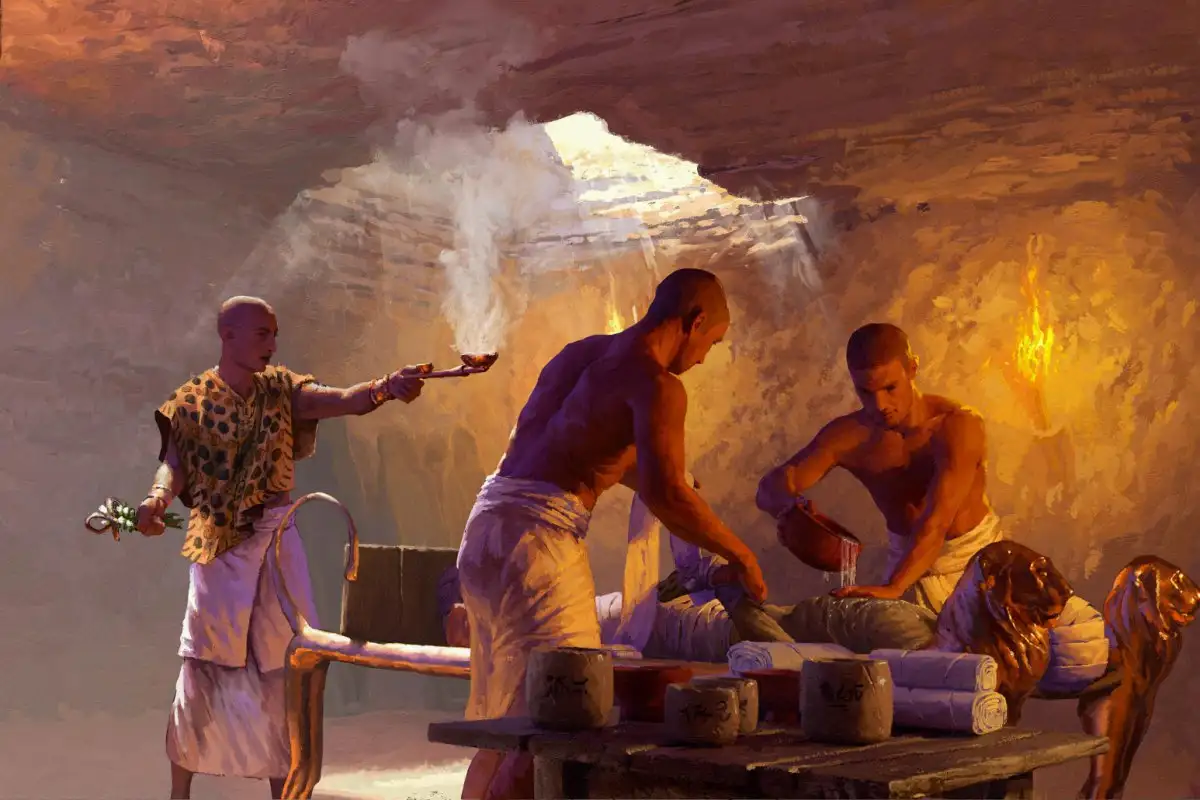
- The mummification process still involved drying the body with natron salt, wrapping it in linen, and placing protective charms among the bandages. Coffins sometimes displayed painted portraits in a Roman artistic style, showing realistic facial features instead of stylized Egyptian designs.
- This combination created a cultural fusion. Daily life changed, but beliefs about eternity did not. The gold tongue mummies demonstrate that spiritual traditions survived even during social and political transformation.
Objects Found Inside the Tombs
Archaeologists uncovered numerous items placed alongside the dead. Each object had a clear symbolic function:
- Protective amulets to guard the soul
- Scarab symbols representing rebirth
- Painted masks to preserve identity
- Pottery vessels containing food offerings
- Beaded coverings placed over the body
Egyptians believed the afterlife mirrored earthly life. The dead would need food, protection, sight, and speech. Without the ability to speak, the other preparations were incomplete. That is why gold tongue mummies were so significant. The tongue allowed the individual to actively participate in the next world.
The Judgment of the Soul
- Egyptian religion centered on accountability. The heart of the deceased was weighed against a feather representing truth and justice. If the heart was balanced, the soul entered a peaceful paradise known as the Field of Reeds. If heavier, the soul faced destruction.
- Speech was essential during this process. The deceased had to identify gods correctly and recite sacred formulas. The golden tongue ensured the spirit could answer and defend itself.
- The concept reveals a moral system based on behavior rather than status. Wealth did not guarantee success in the afterlife. Actions in life determined fate. The gold tongue mummies were prepared, but preparation alone did not replace virtue.
Archaeological Methods and Preservation
Modern archaeological techniques played a major role in understanding the discovery. Instead of unwrapping every mummy, researchers used CT scanning technology. The scans revealed thin gold pieces inside the mouths without damaging the bodies Conservators carefully stabilized linen wrappings and documented each layer. Even the placement of amulets was recorded. Through these methods, researchers confirmed the gold tongues were inserted during embalming. The careful preservation also suggests the practice may have been more common than previously believed. More tombs may still contain gold tongue mummies waiting to be identified.
What The Discovery Reveals About Daily Life
- This discovery is important because it shows how ordinary people viewed death. These were not mythological figures. They were individuals who lived, worked, and raised families.
- Many prepared their burial arrangements long before death. Coffins were commissioned, inscriptions written, and burial plots chosen early. Death was treated as a journey requiring planning.
- The gold tongue mummies show that Egyptians feared not death itself but the possibility of failing judgment. They wanted to be heard, understood, and remembered. Their preparations reflected confidence that life continued beyond the grave.
A Window into Ancient Beliefs
- The tombs provide a rare connection between past and present. They reveal a society deeply concerned with morality and identity. Egyptians believed words carried eternal consequences. Being able to speak meant being able to exist.
- Across cultures, humans share a desire to be remembered and judged fairly. The gold tongue mummies represent that universal concern. Even thousands of years ago, people worried about their legacy and moral record.
- Their solution was both simple and profound: ensure the soul would never be silent.
FAQs About Mummies Prepared with Gold Tongues for the Afterlife
1. What Is A Gold Tongue Mummy?
A gold tongue mummy is a preserved body in which embalmers placed a thin sheet of gold inside the mouth to symbolically restore speech in the afterlife.
2. Why Did Ancient Egyptians Use Gold?
Gold symbolized eternity and divine nature because it does not decay or corrode, making it suitable for sacred rituals.
3. Were Only Rich People Buried This Way?
No. Evidence shows priests and middle-class individuals also received this treatment, not only royalty.
4. What Was The Purpose Of Speaking After Death?
The deceased had to recite declarations and answer questions during judgment before divine beings.