
Close Interactions Between Neanderthals and Early Humans: DNA Evidence Suggests Close Interactions Between Neanderthals and Early Humans, and this discovery has reshaped how scientists understand our shared human story. For generations, many Americans were taught that Neanderthals were a separate branch of humanity that simply disappeared when modern humans arrived in Europe. But modern genetic science tells a richer, more connected story. Instead of total replacement, researchers now confirm there was contact, cooperation, and interbreeding. That means pieces of Neanderthals are still alive in many of us today. As someone who has spent years studying human history and cultural development, I can tell you this: the story of humanity is not about isolation. It’s about connection. It’s about migration, adaptation, resilience, and family. In many ways, it reflects what we see across American history itself — diverse groups meeting, blending, and shaping something new. And thanks to advancements in genetic science, especially over the last 15 years, we now have clear, measurable proof of those ancient interactions.
Table of Contents
Close Interactions Between Neanderthals and Early Humans
DNA Evidence Suggests Close Interactions Between Neanderthals and Early Humans, and the scientific consensus is clear. These two human groups interbred approximately 50,000–60,000 years ago, leaving genetic traces still present in millions of Americans today. Modern research supported by leading institutions like the NIH and the Smithsonian confirms that Neanderthal DNA continues to influence immunity, health, and biological traits. Rather than a story of replacement, human evolution is a story of integration, adaptation, and shared ancestry.
| Topic | Key Data & Facts | Professional Insight |
|---|---|---|
| Neanderthal DNA in Modern Humans | 1–2% in most non-African populations | Influences immunity, skin, metabolism |
| Timeline of Interbreeding | ~50,000–60,000 years ago | Occurred after migration out of Africa |
| Major Scientific Breakthrough | Neanderthal genome sequenced in 2010 | Foundation of paleogenomics research |
| Health Impacts Today | Linked to immune response & disease risk | Studied by U.S. medical researchers |
Who Were Neanderthals?
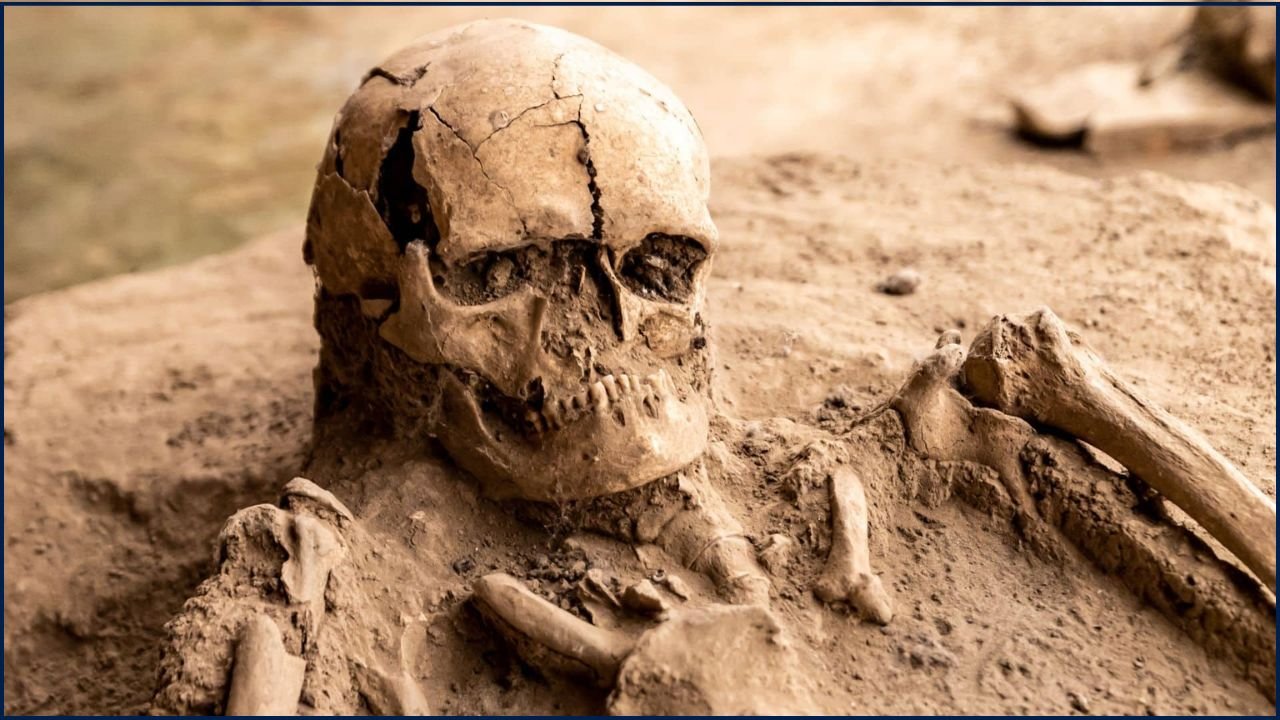
The Neanderthal lived across Europe and parts of western Asia from about 400,000 years ago until roughly 40,000 years ago. They were not primitive brutes, as old cartoons suggested. Fossil evidence shows they had large brains — in some cases slightly larger than early modern humans. They crafted sophisticated stone tools, controlled fire, built shelters, and likely cared for injured members of their communities.
Meanwhile, Homo sapiens evolved in Africa around 300,000 years ago. Around 60,000–70,000 years ago, groups of early humans began migrating out of Africa into the Middle East, Europe, and Asia. That migration brought them directly into regions where Neanderthals had lived for hundreds of thousands of years.
For thousands of years, these two human groups overlapped geographically. Archaeological sites in places like Israel, Croatia, and Siberia show evidence that they lived within close proximity. And proximity over long periods almost always leads to interaction.
The Scientific Breakthrough That Changed the Narrative
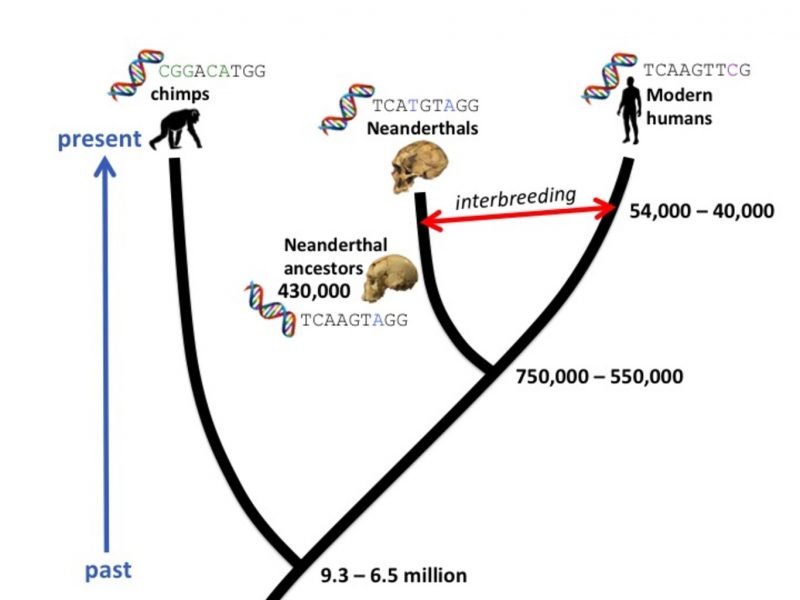
The major turning point came in 2010 when scientists successfully sequenced the Neanderthal genome. The work was led by Swedish geneticist Svante Pääbo, whose pioneering research earned him the Nobel Prize in Physiology or Medicine in 2022.
By comparing Neanderthal DNA extracted from fossils to the DNA of living humans, researchers discovered something groundbreaking: most people of European, Asian, and Native American ancestry carry between 1–2% Neanderthal DNA.
According to the National Human Genome Research Institute, this genetic overlap could only have happened if the two groups interbred.
That finding alone rewrote textbooks across the United States and beyond.
How Scientists Detect Close Interactions Between Neanderthals and Early Humans?
For readers who want to understand the process step by step, here’s how researchers reached their conclusions:
Extracting Ancient DNA
Scientists carefully removed tiny fragments of DNA from fossilized Neanderthal bones found in caves. Ancient DNA is fragile, so labs must prevent contamination with modern human DNA.
Sequencing the Genome
Using advanced genome sequencing technologies, researchers reconstructed large portions of the Neanderthal genetic code.
Comparing to Modern Humans
They then compared that genetic code to DNA samples from populations around the world.
Identifying Shared Segments
Certain stretches of DNA were nearly identical between Neanderthals and non-African humans. These segments are statistically too similar to be coincidence.
The conclusion? Interbreeding occurred approximately 50,000–60,000 years ago, after modern humans left Africa.
What Neanderthal DNA Means for Americans Today?
Now here’s where it gets real practical.
Research supported by the National Institutes of Health shows that Neanderthal DNA still influences modern health. Some inherited genes:
- Improve immune response to certain pathogens
- Affect skin pigmentation and hair traits
- Influence metabolism and fat storage
- Increase risk for autoimmune diseases in some cases
A 2020 NIH-backed study found that a Neanderthal-inherited gene variant was associated with higher risk of severe COVID-19 in some populations. On the flip side, other Neanderthal gene variants strengthen immune defense against viruses.
This dual effect is common in evolution. A gene helpful in one environment may pose risk in another. For example, genes that helped ancient humans survive Ice Age climates might not function the same way in today’s world.
For medical professionals, this has major implications for personalized medicine and genetic risk assessment.
The Direction of Interbreeding: What Recent Studies Suggest
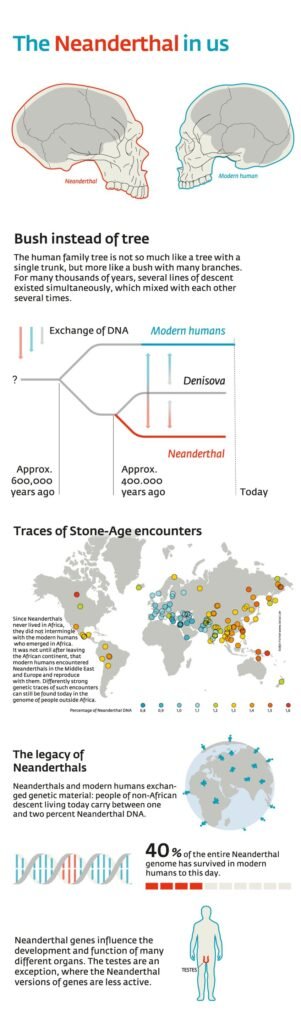
Recent genetic research has suggested that interbreeding may not have been evenly distributed between males and females of each group. Some evidence shows lower levels of Neanderthal DNA on the human X chromosome. This pattern suggests that matings between Neanderthal males and human females may have been more common.
While we cannot reconstruct the exact social dynamics of these interactions, genetic modeling supports repeated interbreeding events over thousands of years rather than a single isolated event.
This reinforces the idea that Neanderthals and modern humans lived alongside one another long enough to form sustained social connections.
Why Neanderthals Eventually Disappeared?
Around 40,000 years ago, Neanderthals vanished from the fossil record. Scientists still debate the exact reasons, but leading theories include:
- Climate fluctuations during the last Ice Age
- Competition for resources
- Smaller population size
- Gradual absorption into modern human populations
The idea of “absorption” is important. If groups interbred repeatedly, some Neanderthal populations may not have disappeared entirely — they may have merged genetically into expanding human groups.
This perspective shifts the extinction narrative from defeat to integration.
Cultural Exchange: Close Interactions Between Neanderthals and Early Humans
Archaeologists have discovered that tool styles and technologies overlapped between Neanderthals and early humans. Some sites show similar blade-making techniques appearing in regions where both groups lived.
The Smithsonian Institution explains that cultural transmission may have occurred alongside genetic exchange.
In plain terms: they likely learned from each other.
That’s not a sign of weakness. That’s adaptability — something Americans pride themselves on.
Implications for Education, Medicine, and Research
For educators, this discovery means teaching evolution as a dynamic, interconnected process rather than a straight ladder of progress.
For medical professionals, ancient DNA research contributes to:
- Genetic counseling
- Disease risk profiling
- Drug response analysis
- Population health studies
For researchers in anthropology and genetics, paleogenomics opens doors to studying other archaic human groups, including Denisovans.
The field continues to grow rapidly, with American universities and institutions playing a major role.
Practical Advice for Readers Interested in Their Genetic Background
If you’re curious whether you carry Neanderthal DNA:
- Consider reputable DNA ancestry testing companies that provide detailed genomic analysis.
- Review information from trusted sources such as:
- National Human Genome Research Institute
- Smithsonian Human Origins Program
- National Institutes of Health
Keep expectations realistic. A 1–2% genetic contribution doesn’t change who you are culturally or personally. It simply adds depth to your biological history.
The Rapid Growth of At-Home DNA Tests Raises New Questions
Ancient DNA Reveals Rare Dwarfism in a 12,000-Year-Old Teenager
Study Suggests Humans May Naturally Live Longer Than Expected
The Broader Evolutionary Story
Human evolution looks less like a ladder and more like a braided river system. Multiple human species coexisted, interacted, and influenced one another. The Smithsonian National Museum of Natural History describes human evolution as a branching network rather than a straight line.
This perspective better reflects what modern DNA science reveals: our history is shared.
And that shared history carries forward into modern America — a nation built on blending cultures, ideas, and backgrounds.