

Costco Expands Membership Verification at Store Entrances — and if you’ve pulled up to your local warehouse lately, you’ve probably seen the change in real time. Instead of just flashing your card and cruising in with that oversized cart, many locations now require you to scan your membership card at the door, sometimes paired with a quick photo verification check.
Now let’s talk straight. This isn’t Costco being picky. This is business discipline. And in today’s retail environment across the USA, discipline matters more than ever. As someone who has studied warehouse retail models and membership-based revenue systems for years, I can tell you this move is not random. It’s strategic, calculated, and built around protecting one of the strongest subscription models in American retail.
Costco doesn’t operate like a regular store. It operates like a private buying club. That distinction is everything.
Table of Contents
Key Highlights
| Category | Details |
|---|---|
| Company | Costco Wholesale Corporation |
| Founded | 1983, Seattle, Washington |
| Global Warehouses | 850+ locations |
| Members Worldwide | 132+ million cardholders |
| FY2023 Revenue | $242.3 billion |
| Membership Fee Revenue | $4.58 billion annually |
| U.S./Canada Renewal Rate | Approximately 92% |
| New Policy | Entrance membership scanning & photo verification |
| Official Website | https://www.costco.com |
Source: Costco FY2023 Annual Report – https://investor.costco.com
Understanding the Costco Business Model
Before we dig deeper into verification changes, it’s important to understand how Costco makes money.
Unlike traditional retailers that rely heavily on product markups, Costco operates on a low-margin, high-volume strategy. The company caps product markups at around 14–15%, which is significantly lower than many competitors. That’s why prices feel like a steal sometimes.
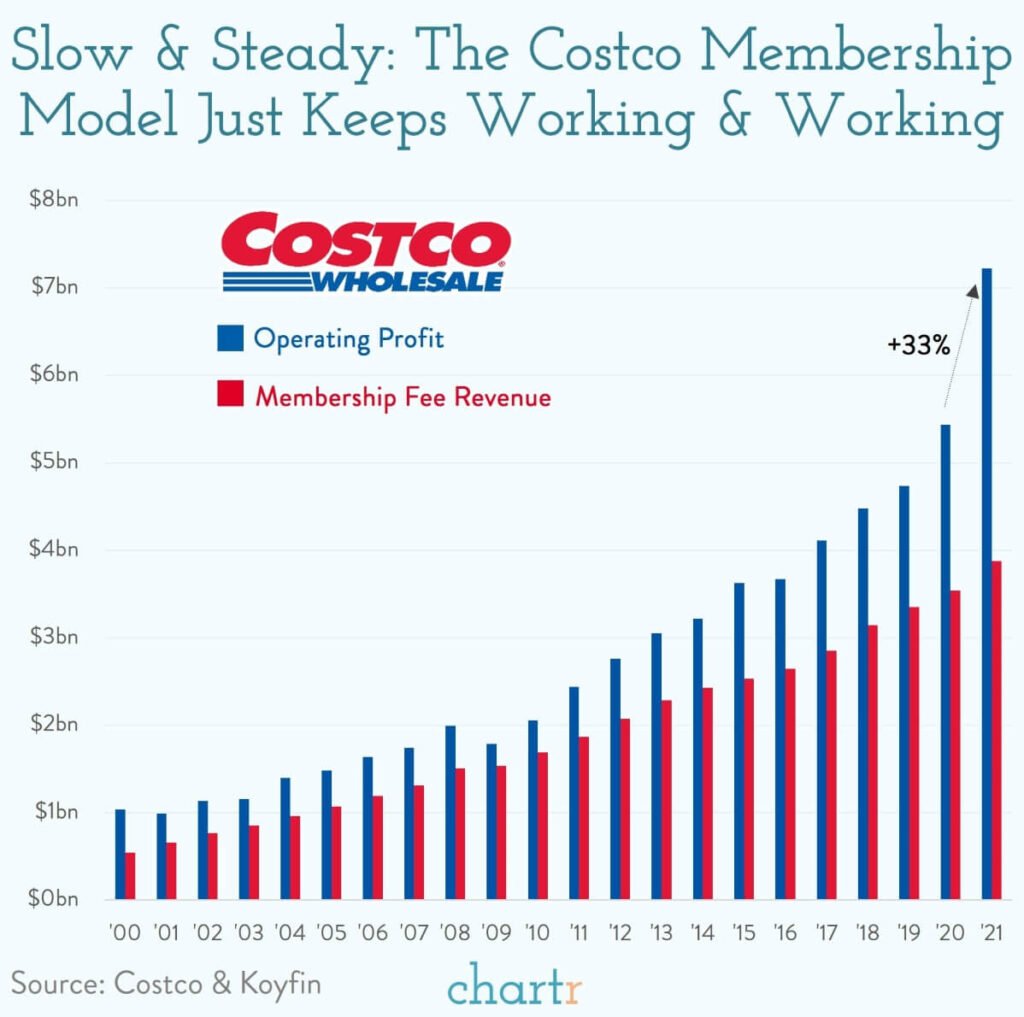
But here’s the kicker: membership fees are the real profit engine.
According to Costco’s 2023 Annual Report:
- Total revenue: $242.3 billion
- Membership fee revenue: $4.58 billion
Those membership fees account for a major portion of Costco’s net income. In many fiscal years, membership revenue essentially equals or exceeds the company’s total profit.
That means protecting memberships isn’t just policy — it’s survival.
Why Costco Is Expanding Membership Verification Now
Across the United States, retailers are dealing with rising theft, organized retail crime, and margin pressure. The National Retail Federation reports that retail shrink reached $112.1 billion in 2022, up from $93.9 billion the year before.
Source: https://nrf.com/research
While Costco historically experiences lower shrink than open-access retailers, membership sharing and unauthorized access still create revenue leakage.
When someone borrows a card:
- Costco loses potential membership revenue.
- It increases traffic without increasing paying members.
- It strains staffing and operational capacity.
Multiply that behavior across 850+ warehouses and 132 million members, and the numbers get serious.
In plain American terms? If folks aren’t paying to play, the model weakens.
What the New Entrance Process Looks Like
Here’s how the new process works at many locations:
First, you approach the entrance and scan your physical membership card or digital card via the Costco app.
Second, an employee visually verifies your photo on file. If there’s a mismatch, you may be directed to Member Services.
Third, if you’re bringing a guest, that’s allowed — but only the member can complete purchases.
Fourth, some warehouses now restrict food court access to members only. Historically, non-members could sometimes access food courts at certain locations. That’s tightening.
The change feels small, but operationally it’s significant.
The Role of Technology in Retail Verification
Costco isn’t alone in this tech shift.
Retailers across the U.S. are investing in:
- AI surveillance systems
- License plate recognition
- Smart cart technology
- Digital receipt tracking
Costco’s scanner-based entry system is actually a modest approach compared to some competitors. It’s not invasive. It’s simply reinforcing policy.
The broader trend is clear: subscription and membership models require controlled access.
Amazon Prime, Sam’s Club, and streaming services all enforce account authentication. Costco is simply bringing that logic to the physical retail space.
Economic Pressures Influencing the Decision
Inflation, wage increases, and supply chain disruptions have squeezed margins across industries. Costco increased its minimum wage to over $18 per hour in recent years, reflecting its reputation as a strong employer.
But higher labor costs mean tighter financial management.
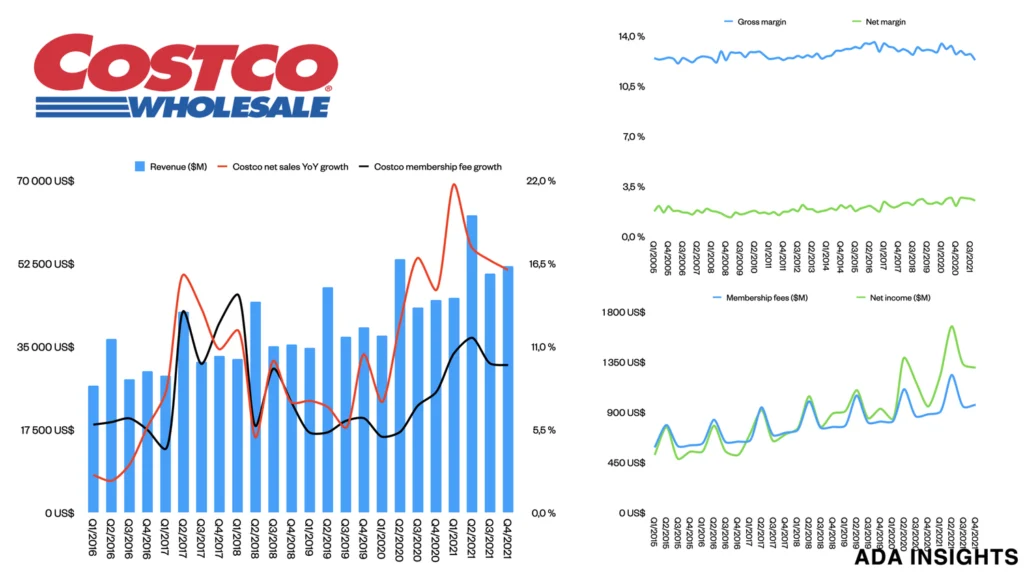
Operating margin at Costco hovers around 3%. That’s razor thin compared to many industries.
When margins are tight:
- Revenue leakage matters more.
- Membership protection becomes critical.
- Controlled entry improves forecasting and inventory planning.
This move signals operational maturity — not overreaction.
How Members Can Navigate the New Policy Smoothly
If you’re a member, here’s how to make the process easy.
Keep your membership active. Set up auto-renew through your online account.
Download the Costco mobile app. It stores a digital version of your membership card, which scans just like the physical one.
Update your photo if it’s outdated. Hairstyles change. Beards come and go. Keep it current to avoid awkward checks.
Arrive prepared during peak hours. Weekends can be busy, so expect short verification lines.
Respect the staff. They’re enforcing policy, not creating it.
These small steps eliminate 99% of potential friction.
Impact on Customer Experience
Let’s address the elephant in the warehouse.
Some customers feel the new verification adds friction. No one loves waiting in line.
But consider this: Costco’s U.S. and Canada renewal rate is about 92%. That’s elite-level loyalty. For comparison, many subscription services would celebrate renewal rates in the 70% range.
That loyalty exists because members believe they receive consistent value.
If verification protects that value long term, most members accept the trade-off.
It’s similar to airport security. Nobody enjoys TSA lines, but we understand the purpose.
Comparing Costco to Other Retailers
Sam’s Club, owned by Walmart, requires membership and heavily promotes its Scan & Go app for checkout.
Walmart and Target, on the other hand, are open-access retailers. They don’t require membership but conduct selective receipt checks.
Costco’s differentiation is exclusivity. That exclusivity creates a club-like identity. It’s part of the brand psychology.
Consumers feel they belong to something. And belonging only works when access is controlled.
Operational Benefits Behind the Scenes
From a supply chain and operations standpoint, controlled entry helps with:
Inventory forecasting
Staff allocation
Loss prevention
Data accuracy
Traffic management
Costco limits SKUs (stock keeping units) to roughly 4,000 items per warehouse, compared to 30,000–100,000 in traditional supermarkets.
That curated inventory strategy requires precision.
Unauthorized traffic disrupts demand forecasting models. Verified entry ensures traffic aligns with paying customers.
Professionals in retail analytics understand this well. Clean data equals better forecasting.
The Psychological Side of Membership Enforcement
In American culture, fairness matters.
If you pay for access, you expect others to pay too.
Membership enforcement reinforces perceived fairness among customers. When shoppers see that card sharing isn’t tolerated, it strengthens trust in the system.
Trust builds brand longevity.
Costco has built decades of reputation around consistency and transparency. This move aligns with that history.
Potential Long-Term Effects
Looking ahead, several outcomes are likely:
Higher membership conversions as card sharing decreases.
Improved renewal stability.
Reduced shrink and operational leakage.
Stronger investor confidence.
Investors closely watch membership growth metrics. Because membership revenue is recurring, it provides predictable cash flow.
Predictability equals stability in volatile markets.
Frequently Asked Questions
Do I absolutely need my membership card to enter?
Yes, most warehouses now require scanning your card at the entrance.
Can someone else shop using my card?
No. Memberships are non-transferable.
What if I forget my card?
Visit Member Services with valid identification. They can assist.
Are food courts members-only now?
Many locations require membership verification for food court access.
Is this policy nationwide?
The rollout is expanding across U.S. warehouses and continues to grow.
Will this slow down entry permanently?
Initial adjustments may cause brief delays, but scanning systems typically speed up over time.
What Professionals Should Watch
For retail analysts and business leaders, this development highlights three core lessons:
First, subscription-based models require enforcement.
Second, thin-margin businesses must aggressively protect revenue streams.
Third, operational discipline drives long-term brand strength.
Costco’s strategy is not reactionary. It’s preventative.
And prevention is cheaper than correction.
Conclusion
Costco Expands Membership Verification at Store Entrances as a strategic move to protect its subscription-driven business model, reduce unauthorized access, and maintain pricing integrity. While the updated process may introduce minor adjustments for shoppers, it reinforces fairness, supports operational efficiency, and strengthens long-term financial stability. For professionals, it demonstrates disciplined retail management. For everyday members, it simply means remembering your card and respecting the system that keeps prices low.
70-Word Excerpt
Costco Expands Membership Verification at Store Entrances to protect its $4.58 billion annual membership revenue and reduce unauthorized access. With over 132 million members and a 92% renewal rate, stricter card scanning strengthens the warehouse club model. This in-depth guide explains why the policy matters, how it affects shoppers, and what professionals can learn from Costco’s disciplined retail strategy.