
Archaeology often reveals surprising glimpses into civilizations that existed long before written history. One such remarkable discovery has recently come from Central America, where archaeologists uncovered a 1,000-year-old tomb filled with gold artifacts in Panama.
The burial site, located in the historic El Caño Archaeological Park, has provided valuable insight into the lives, traditions, and social structures of ancient societies in the region. Findings like this help historians better understand how pre-Columbian cultures lived, ruled, and honored their leaders.
The discovery is particularly significant because it highlights the wealth and craftsmanship of ancient communities that lived in Panama more than a millennium ago. Researchers believe the tomb belonged to an elite individual, possibly a powerful leader, based on the large number of valuable objects buried alongside the remains. These artifacts include gold ornaments, ceremonial items, and decorated pottery that reflect both the artistic skills and the cultural beliefs of the society that once thrived there.
Table of Contents
1,000-Year-Old Gold-Filled Tomb in Panama
| Key Detail | Information |
|---|---|
| Discovery Location | El Caño Archaeological Park, Coclé Province, Panama |
| Estimated Age | Around 1,000 years old (AD 800–1000) |
| Culture | Gran Coclé pre-Columbian culture |
| Type of Site | Elite burial tomb |
| Major Artifacts Found | Gold bracelets, earrings, pectoral plates, ceramic vessels |
| Significance | Indicates social hierarchy and advanced craftsmanship |
| Archaeological Importance | Provides insight into rituals, leadership, and ancient society |
1,000-Year-Old Gold-Filled Tomb in Panama
The 1,000-year-old gold-filled tomb in Panama was discovered at the famous El Caño Archaeological Park in the Coclé province. Archaeologists believe the burial dates back to around AD 800–1000, a period when complex societies were flourishing in the region. The tomb is part of a larger necropolis used by the ancient Gran Coclé culture, which existed centuries before European explorers arrived in the Americas.
What makes this discovery extraordinary is the number of gold artifacts found within the burial chamber. These objects were likely placed there as offerings for the deceased, indicating both the individual’s high status and the cultural importance of gold in rituals and ceremonies. The discovery also suggests that the society had advanced metalworking techniques and a well-organized social hierarchy.
Where Was It Found?
The tomb was discovered at El Caño Archaeological Park, one of the most important archaeological sites in Panama. Located in the Natá district of Coclé province, the site lies roughly 200 kilometers southwest of Panama City. El Caño has long been known as a burial ground used by ancient societies, with numerous tombs and ceremonial structures uncovered over the years.
Archaeologists have been studying the site for decades because it provides valuable evidence of pre-Columbian life in Central America. The area once served as a major ceremonial and burial center where important members of society were laid to rest. The newly discovered tomb adds another layer of understanding to the history of the site and the people who once lived there.
Age of the Tomb
Researchers estimate that the burial dates back more than 1,000 years, placing it between AD 800 and AD 1000. During this time, the Gran Coclé culture was thriving in what is now Panama. This culture is known for its elaborate burial traditions, artistic pottery, and intricate gold craftsmanship.
The tomb, referred to by archaeologists as “Tomb 3,” is part of a larger necropolis at El Caño. The necropolis appears to have been used for centuries, suggesting that it served as a burial ground for generations of elite individuals. The discovery of this tomb helps historians better understand the timeline and development of ancient cultures in the region.
What Was Found Inside?
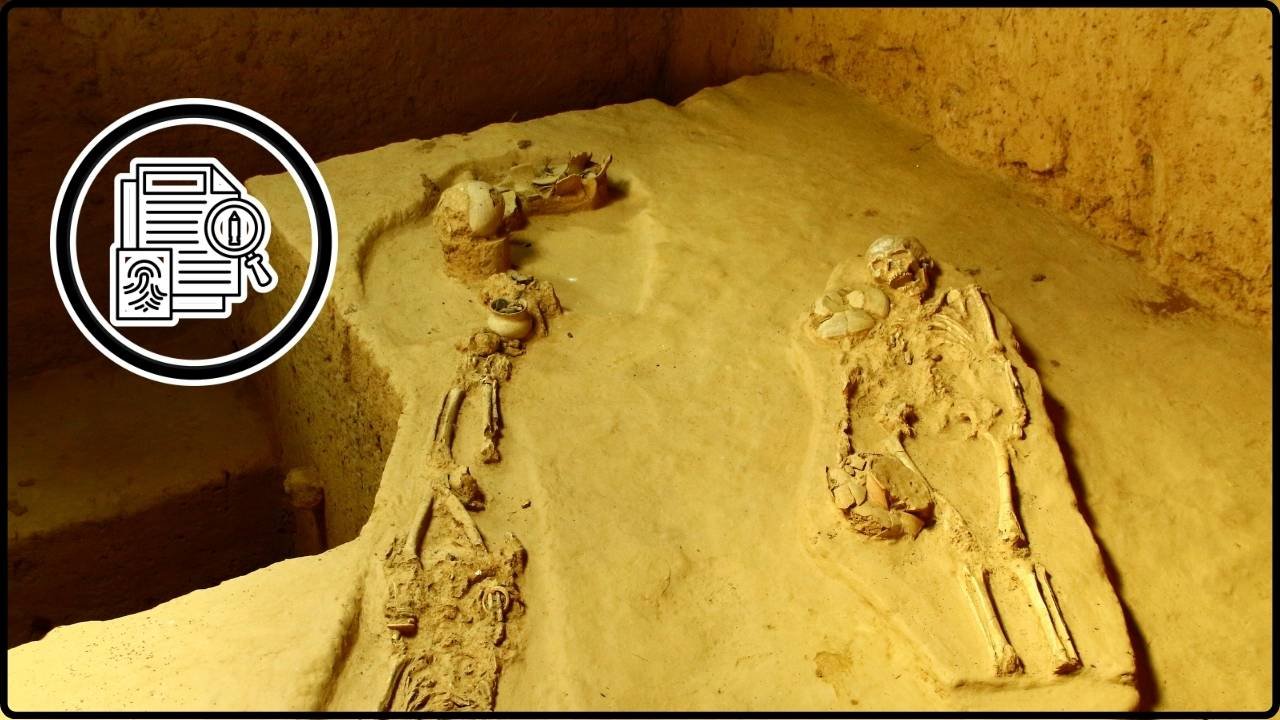
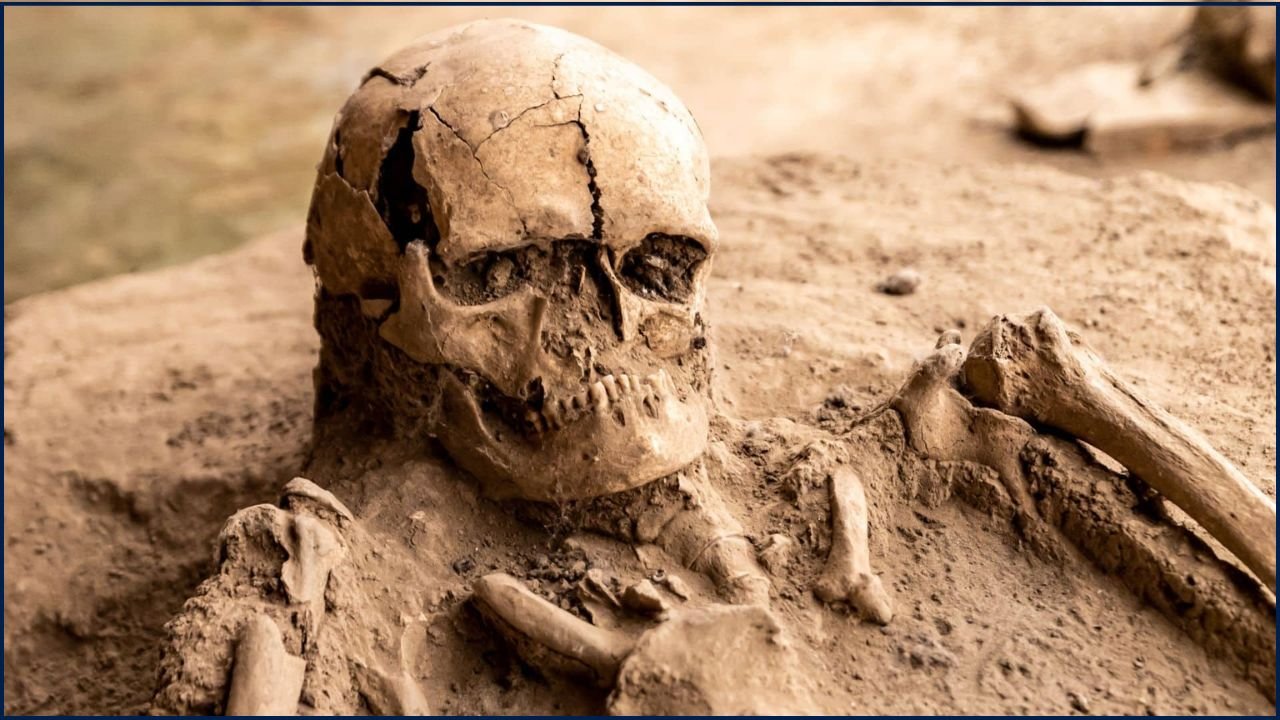
Inside the burial chamber, archaeologists discovered a collection of valuable objects surrounding the skeletal remains of the deceased. These artifacts provide important clues about the individual’s status and the cultural practices of the time.
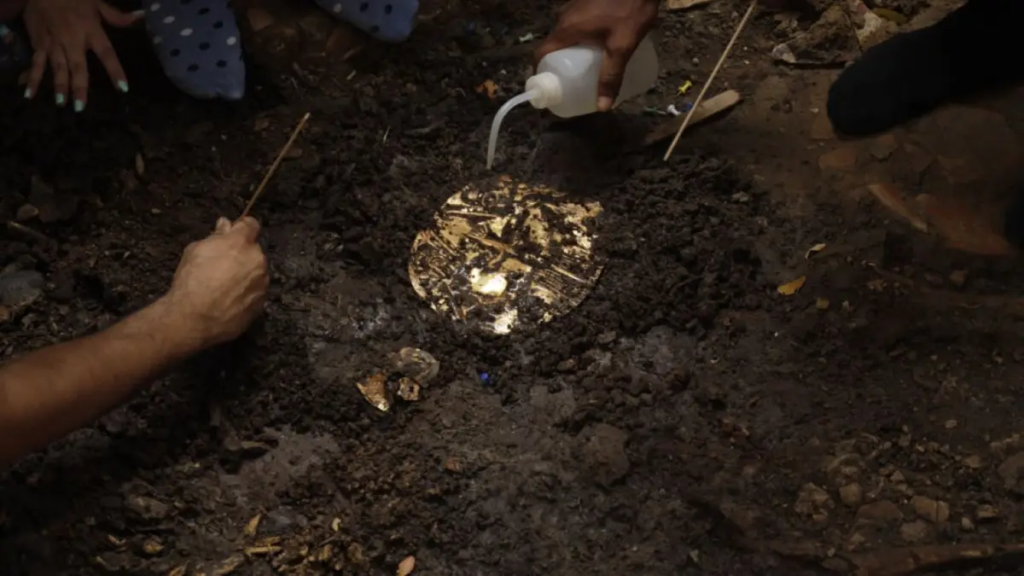
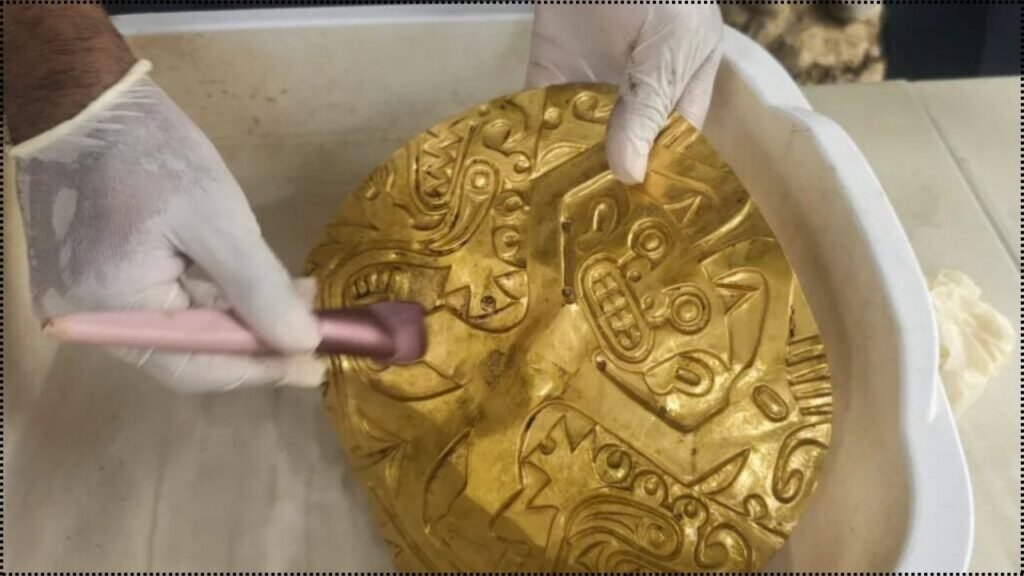
Among the most striking items were gold ornaments, including bracelets, earrings, and chest plates known as pectorals. These objects were likely worn by the individual during life and then placed in the tomb as part of a ceremonial burial ritual.
Researchers also uncovered ceramic vessels decorated with traditional patterns, which may have been used in rituals or as offerings for the afterlife. Some gold artifacts featured designs inspired by animals such as bats and crocodiles, creatures that may have held symbolic or spiritual significance in the culture.
The arrangement of the burial suggests that the individual was placed in the center of the tomb, surrounded by these valuable objects. In some cases, archaeologists also discovered additional human remains, which may indicate ritual burials or sacrificial practices connected to the funeral ceremony.
Why the Discovery Is Important
The discovery of this tomb is important for several reasons. First, it provides direct evidence that ancient societies in Panama had complex social hierarchies. The presence of numerous gold artifacts indicates that the individual buried in the tomb likely held a position of power or leadership within the community.
Second, the discovery highlights the advanced metalworking skills of the Gran Coclé culture. The gold artifacts found in the tomb demonstrate a high level of craftsmanship, suggesting that skilled artisans were able to shape and decorate precious metals long before European contact.
Finally, the burial site offers insight into the religious beliefs and rituals of the ancient society. The inclusion of ceremonial objects and symbolic animal imagery suggests that the community had strong spiritual traditions connected to death and the afterlife.
Understanding the Gran Coclé Culture
The Gran Coclé culture played a major role in shaping the history of pre-Columbian Panama. This society is known for producing beautifully decorated pottery, intricate gold jewelry, and ceremonial artifacts that reflect a rich artistic tradition.
Communities within this culture likely relied on agriculture, trade, and craftsmanship to support their way of life. Archaeological evidence suggests that they maintained trade networks with neighboring regions, exchanging goods such as pottery, metals, and other valuable materials.
The discovery of the gold-filled tomb provides new clues about the leadership structure within this society. Elite individuals may have acted as rulers, religious leaders, or influential figures who held both political and spiritual authority.
What the Discovery Means for Archaeology
For archaeologists, discoveries like this are extremely valuable because they provide tangible evidence of how ancient societies functioned. Each artifact recovered from the tomb offers a piece of the puzzle, helping researchers reconstruct the daily life, beliefs, and traditions of people who lived more than a thousand years ago.
The find also demonstrates the importance of preserving archaeological sites like El Caño. Continued research and excavation at the site could reveal additional tombs, artifacts, and structures that further expand our understanding of Panama’s ancient past.
As archaeologists continue their work, the gold-filled tomb discovered in Panama will likely remain one of the most significant discoveries in the region in recent years.
Conclusion
The discovery of a 1,000-year-old gold-filled tomb in Panama offers an extraordinary glimpse into the past. Hidden beneath the soil of El Caño Archaeological Park for centuries, the burial reveals the wealth, artistry, and cultural complexity of the Gran Coclé civilization.
From gold jewelry and ceremonial artifacts to evidence of elaborate burial traditions, the tomb provides valuable insight into a society that existed long before modern nations were formed. As research continues, discoveries like this will help historians and archaeologists better understand the rich and diverse history of the Americas.