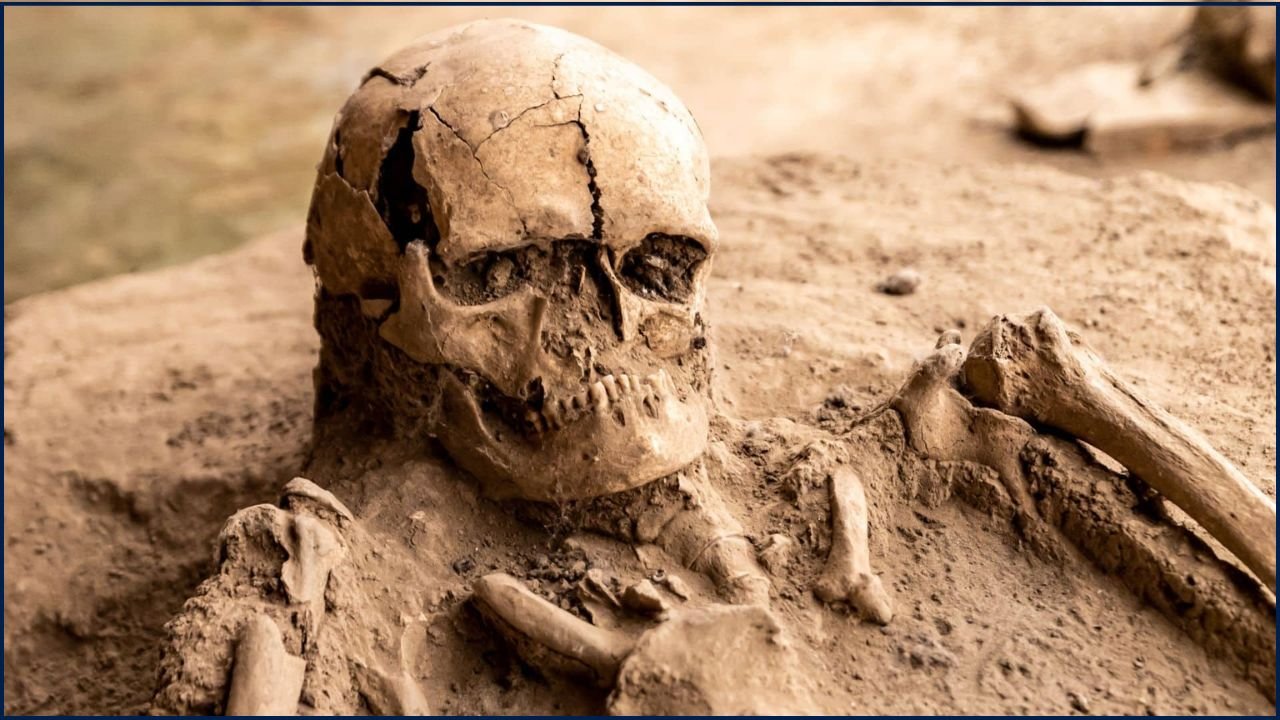

“Alien-Like” Ancient Skulls: The mystery of “Alien-Like” Ancient Skulls Appearing Across the World has fascinated archaeologists, historians, and curious readers for decades. These unusual skulls—often elongated, cone-shaped, or dramatically flattened—have been discovered in ancient burial sites across several continents. At first glance, the skulls appear so different from a typical human skull that some people quickly jump to conclusions about extraterrestrial origins. But when you look closer at the science, the real explanation is far more fascinating and deeply rooted in human history.
Across the United States, folks love a good historical mystery. From ancient cave art in the Southwest to Native American archaeological discoveries along the Mississippi River, Americans have long been intrigued by the clues our ancestors left behind. The story of alien-like skulls fits right into that curiosity. However, modern anthropology and archaeological science have spent decades studying these remains. Their findings clearly show that these skulls are not evidence of aliens but the result of cultural traditions practiced by ancient human societies. These discoveries provide an important window into how ancient communities expressed identity, beauty, and social status. When researchers study these skulls alongside artifacts, burial practices, and cultural records, they uncover a powerful reminder that humans across the globe have always found unique ways to shape their identities and traditions.
Table of Contents
“Alien-Like” Ancient Skulls
The phenomenon of Alien-Like Ancient Skulls Appearing Across the World is one of archaeology’s most fascinating mysteries. While the unusual shapes may initially appear otherworldly, scientific research clearly shows that these skulls are the result of a human cultural tradition known as artificial cranial deformation. Practiced across continents for thousands of years, skull shaping reflected beauty standards, social status, tribal identity, and spiritual beliefs. Modern archaeological tools—from DNA testing to CT scans—confirm that these skulls belong to humans, not aliens. Ultimately, these discoveries highlight the remarkable diversity and creativity of ancient human societies.
| Topic | Key Information |
|---|---|
| Primary Explanation | Artificial cranial deformation (intentional skull shaping in infancy) |
| Time Period | Practiced for more than 10,000 years |
| Regions Found | South America, Europe, Asia, Africa, and parts of North America |
| Scientific Findings | DNA confirms remains belong to modern humans |
| Cultural Significance | Status symbol, beauty standard, tribal identity, spiritual belief |
| Major Research Sources | Smithsonian Institution, National Geographic, NIH |
| Official Reference | https://www.si.edu |
Understanding the Origins of “Alien-Like” Ancient Skulls
When archaeologists first discovered elongated skulls in burial sites during the late 1800s and early 1900s, the scientific community was puzzled. Many early discoveries occurred in South America, particularly in Peru, where hundreds of elongated skulls were unearthed from ancient cemeteries.
These skulls were dramatically longer than typical human skulls. Some appeared stretched upward, while others looked flattened across the forehead. Without modern imaging technology or DNA analysis, early researchers struggled to explain the shapes.
Over time, archaeologists began noticing patterns. Similar skull shapes appeared in burial sites thousands of miles apart—from the Andes Mountains to Central Asia and even parts of Europe. This raised a fascinating question: Why would different cultures create similar skull shapes if they never interacted with each other?
The answer lies in a practice known as artificial cranial deformation, sometimes called skull binding or head shaping. According to the Smithsonian Institution, this practice has been documented in dozens of ancient cultures spanning thousands of years.
What Artificial Cranial Deformation Really Means?
Artificial cranial deformation refers to the intentional shaping of a baby’s skull during infancy. Human skull bones are soft and flexible when a child is born. This flexibility allows the brain to grow rapidly during early childhood.
Ancient societies discovered that gentle pressure applied to the head during infancy could permanently alter the shape of the skull as it developed.
Parents or caregivers used simple tools such as:
- Wooden boards
- Cloth wrappings
- Cushioned pads
- Tight headbands
The baby’s head would be wrapped or positioned in a way that slowly guided skull growth into a particular shape. The process typically lasted several months to a few years.
Scientific studies suggest the practice generally did not harm brain development when done gradually and carefully. Research cited by the National Institutes of Health indicates that most individuals with shaped skulls lived normal lives without cognitive impairment.
“Alien-Like” Ancient Skulls: Ancient Cultures That Practiced Skull Shaping
One of the most fascinating aspects of cranial deformation is that multiple cultures developed the practice independently. These societies were separated by vast oceans and thousands of miles, yet they arrived at similar traditions.
South American Civilizations
South America holds some of the most famous examples of elongated skulls. The Paracas culture of Peru, which existed between approximately 800 BCE and 100 BCE, practiced skull shaping extensively.
Archaeologists have uncovered hundreds of elongated skulls in Paracas burial sites. These skulls often show dramatic vertical elongation. Some researchers believe this shape symbolized power, intelligence, or elite status.
The Inca civilization, which rose centuries later, also practiced forms of cranial modification. In some Inca communities, the practice signaled membership within a particular social class.
European Tribes
Cranial deformation was also practiced among several European groups during the Late Roman and Migration periods around the 4th and 5th centuries.
Historical evidence suggests that tribes such as the Huns, Goths, and Alans practiced skull shaping. Archaeologists have discovered elongated skulls in ancient cemeteries in Hungary, Germany, and Romania.
Many historians believe these tribes adopted skull shaping to show group identity and distinguish themselves from neighboring populations.
Central and East Asia
Archaeological discoveries in Mongolia and Central Asia reveal that certain nomadic groups also practiced cranial deformation. Some burial sites from ancient steppe cultures contain skulls shaped in ways similar to those found in Europe.
Researchers believe migration patterns may have helped spread the tradition among some Eurasian cultures.
Africa
Several African societies historically practiced head shaping, although the specific techniques and shapes varied from region to region. In some cases, the process produced flatter skull shapes rather than elongated ones.
North America
Some Native American communities practiced forms of cranial shaping as well. Historical records describe the practice among tribes in the Pacific Northwest. In these communities, head shaping could signify social status or tribal affiliation.
Why Ancient Societies Shaped Skulls?
To modern observers, skull shaping might seem unusual or even extreme. But for ancient societies, it carried deep cultural meaning.
Social Status and Class
In many cultures, cranial deformation signaled a person’s position within society. Children born into elite families were more likely to undergo skull shaping.
The distinctive head shape acted as a visible sign of wealth, authority, or leadership.
In some societies, only noble families were allowed to practice the tradition.
Beauty and Cultural Standards
Beauty standards vary widely across time and culture. What one society finds attractive may seem unusual to another.
In several ancient cultures, elongated skulls were considered beautiful and elegant. The shape could make the face appear longer and more refined.
Anthropologists often compare this to modern beauty practices such as cosmetic surgery, orthodontics, or body modification.
Cultural Identity and Tribal Affiliation
In regions where many tribes lived near each other, skull shape could act as a marker of identity. Much like clothing styles or hairstyles today, skull shape helped identify who belonged to which group.
This visual marker could strengthen community bonds and distinguish one tribe from another.
Spiritual and Religious Beliefs
Some cultures associated elongated skulls with wisdom or spiritual power. Ancient artwork and carvings sometimes depict leaders or religious figures with distinctive head shapes.
Anthropologists believe these shapes may have symbolized a closer connection to spiritual forces or divine authority.
“Alien-Like” Ancient Skulls: Why People Still Believe the Skulls Are Alien
Despite overwhelming scientific evidence, some people still believe elongated skulls prove extraterrestrial contact.
This idea gained popularity in modern times due to television shows, internet theories, and science fiction movies. The dramatic shape of the skulls can easily remind people of fictional alien characters.
However, scientific research strongly contradicts these claims.
DNA analysis conducted on several elongated skulls confirms that the remains belong to Homo sapiens, the modern human species.
The National Institutes of Health and other research institutions have published studies showing that skull shaping alters bone structure but does not change genetic identity.
In other words, the skulls may look unusual, but they are completely human.
How Scientists Study “Alien-Like” Ancient Skulls Today?
Modern archaeology relies on advanced technology to study ancient remains without damaging them.
Radiocarbon Dating
Radiocarbon dating allows scientists to determine how old bones are by measuring the decay of radioactive carbon isotopes. This technique helps researchers place discoveries within specific historical timelines.
CT Scanning and 3D Imaging
Medical imaging technology allows researchers to study skull structure in remarkable detail. CT scans can reveal internal bone patterns and confirm whether deformation occurred naturally or through external pressure.
DNA Sequencing
Genetic testing has become one of the most powerful tools in archaeology. DNA extracted from ancient bones can reveal ancestry, migration patterns, and genetic relationships between populations.
Cultural Analysis
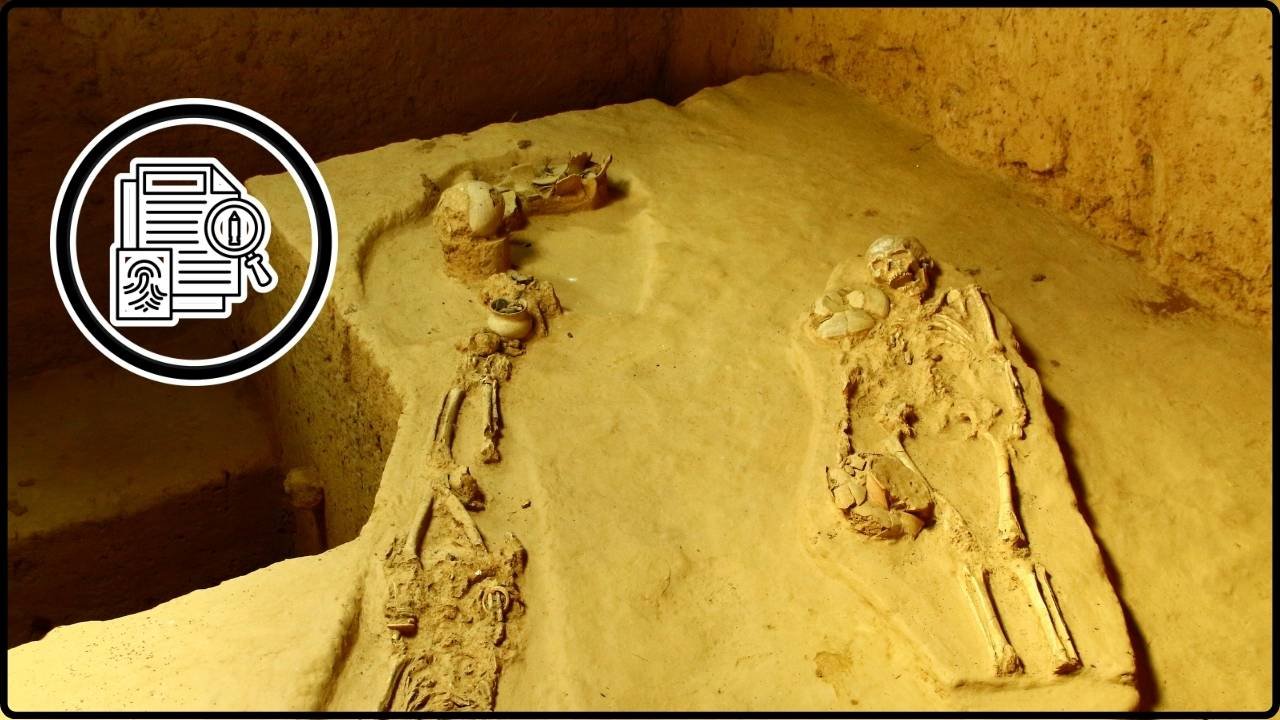
Archaeologists also study burial sites and artifacts found alongside human remains. Items such as pottery, jewelry, and tools provide clues about the culture and social structure of the people who practiced skull shaping.
What These Discoveries Tell Us About Human History?
The story of alien-like ancient skulls ultimately tells us something profound about humanity.
Across different continents and thousands of years of history, humans have consistently used body modification to express identity, beauty, and belonging.
Whether it was skull shaping in ancient Peru, tattoos among Polynesian cultures, or modern cosmetic surgery, humans have always found ways to shape their appearance according to cultural values.
These discoveries remind us that the diversity of human culture is one of our greatest strengths.
Instead of pointing to alien visitors, elongated skulls highlight the creativity and adaptability of human societies.
Are Ancient Predictions Being Reinterpreted Through Modern Events?
New Petroglyph Discoveries Offer Insight Into Ancient Communities
Study Reveals How Ancient Microbes Joined to Form Complex Cells