
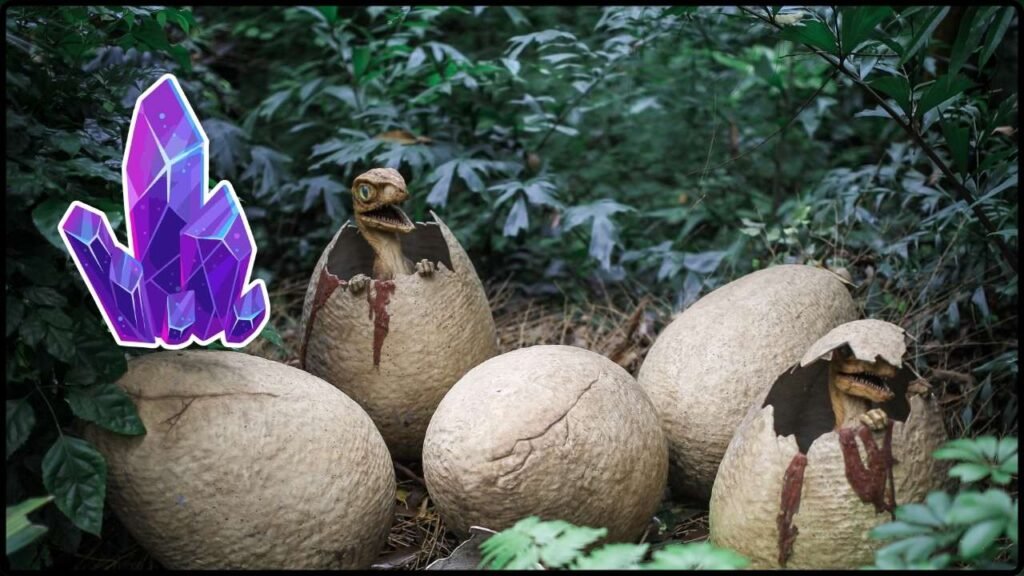
70-Million-Year-Old Dinosaur Egg: When scientists cracked open a 70-million-year-old dinosaur egg recently, they didn’t find the fossilized remains of a baby dinosaur. They found something even more jaw-dropping: a shimmering crystal geode. Yep, this ancient egg was packed with natural crystals — specifically, calcite — making it a rare and surprising fusion of biology, geology, and time. This bizarre but fascinating discovery, made in the Qianshan Basin of Anhui Province, China, is helping scientists unlock new clues about the fossilization process, mineralization, and what Earth was like during the tail end of the dinosaur age.
Table of Contents
70-Million-Year-Old Dinosaur Egg
This 70-million-year-old dinosaur egg filled with shimmering calcite crystals is more than just a pretty rock. It’s a time capsule, offering rare insight into prehistoric life, environmental conditions, and the mineral processes that shape our planet’s past. From ancient nests to modern labs, this find proves that Earth’s stories are still unfolding — sometimes in the sparkliest of ways. Whether you’re a curious kid or a seasoned scientist, this dino egg is a perfect reminder that some treasures are buried not just in time, but in wonder.
| Topic | Details |
|---|---|
| Discovery Location | Qianshan Basin, Anhui Province, China |
| Age | ~70 million years old (Late Cretaceous Period) |
| Findings | Dinosaur egg filled with calcite crystals, forming a geode |
| Egg Species (Oospecies) | Shixingoolithus qianshanensis |
| Embryo Found? | No embryo; hollow interior replaced by crystal growth |
| Scientific Value | Rare fossilization event, insights into geochemical evolution, new oospecies classification |
| Published Study | Journal of Palaeogeography (2022) |
| Media Source | ScienceAlert |
What Makes the 70-Million-Year-Old Dinosaur Egg Discovery So Unique?
Most dinosaur eggs found today contain sediment or decayed biological matter. But this one? It had no embryo and no fossilized bones. Instead, the entire hollow space inside the shell was filled with calcite crystals, which had grown slowly over millions of years, forming a natural geode — a geological structure more commonly associated with volcanic rock or hollow mineral nodules.
The egg’s shell was still intact, making the find even more scientifically valuable. That gave researchers the rare opportunity to study both the egg’s original microstructure and the internal mineralization process — something that’s almost never seen together.
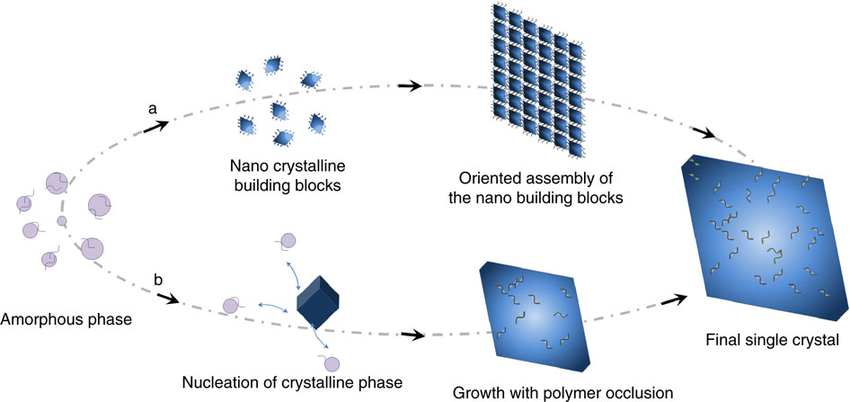
How Did a Dinosaur Egg Turn Into a Geode?
Step-by-Step Breakdown
Understanding the transformation requires a little science and a little patience (about 70 million years’ worth). Here’s what likely happened:
- The Egg Was Laid
A dinosaur, likely from the theropod group, laid the egg in a nest during the Late Cretaceous period. - Embryo Death
The embryo didn’t survive, possibly due to environmental stress, abandonment, or natural causes. - Burial and Seepage
The egg was quickly buried under sediment, and cracks or pores in the shell allowed groundwater to seep in. - Mineral Saturation
Over time, the water became saturated with calcium carbonate (CaCO₃) — the key ingredient in calcite crystals. - Crystal Growth
As the groundwater evaporated and minerals precipitated, crystals slowly grew, lining the inner walls of the egg. - Fossilization & Preservation
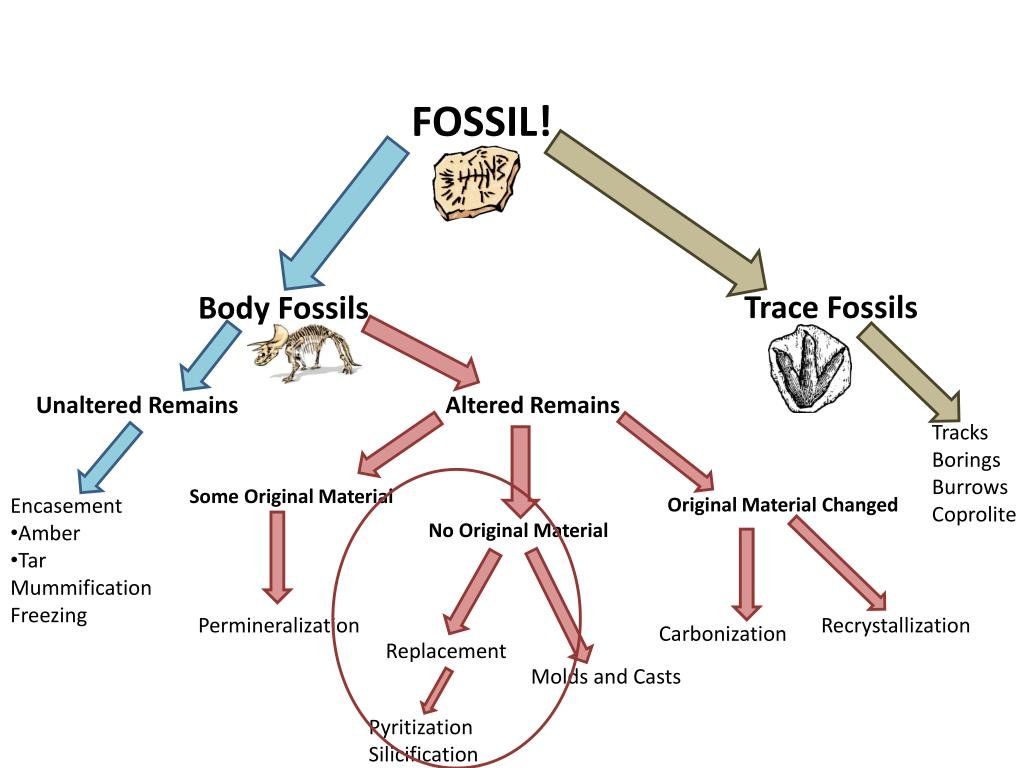
Both the shell and the crystals fossilized under pressure and time, turning into a mineralized time capsule.
This entire process is an example of diagenesis, where physical, chemical, and biological changes occur in sediment after it’s deposited.
Meet the New Oospecies: Shixingoolithus qianshanensis
Paleontologists have identified this egg as belonging to a newly discovered oospecies — that’s dino-speak for a species classified by its egg alone. The name Shixingoolithus qianshanensis reflects both the region where it was found and its shell characteristics.
The egg had:
- A shell thickness of approximately 0.5–1.5 mm
- A diameter of around 9.6 cm
- Microstructures that matched other Cretaceous theropod eggs
- A smooth outer surface, typical of eggs that were not buried too deeply
This oospecies provides a whole new data point for paleontologists studying dinosaur reproduction and nest behaviors.
What the A 70-Million-Year-Old Dinosaur Egg Hid a Crystal Tell Us About Ancient Environments?
Believe it or not, these crystals aren’t just pretty — they’re loaded with clues. The formation of calcite in the egg’s interior tells scientists that:
- The surrounding soil was mineral-rich
- There was low oxygen during fossilization (which helps prevent decay)
- Groundwater movement was active but slow, allowing for crystal growth
This helps reconstruct the paleoenvironment — essentially, what the landscape and climate looked like millions of years ago. Based on the calcite growth patterns, scientists believe the region may have once been a subtropical wetland with active water channels and high mineral saturation.
Comparison with Other Rare Fossil Finds
Let’s put this discovery in context by comparing it with other famous “fossils with a twist”:
| Discovery | Location | What Made It Special |
|---|---|---|
| Opalized dinosaur bones | Lightning Ridge, Australia | Fossils replaced with opal instead of stone |
| Amber with insects | Myanmar | Insects trapped and preserved in ancient tree resin |
| Petrified wood | Arizona, USA | Entire trees turned to rainbow-colored stone |
| Crystal dino egg | Anhui, China | First dinosaur egg to fully mineralize into a geode |
These kinds of mineralized anomalies are incredibly rare. Most fossils decay, compress, or are replaced by stone — not crystals. That’s why this egg is such a big deal.
The Science Behind Calcite Crystals
Calcite is a carbonate mineral, with the chemical formula CaCO₃. It’s one of the most stable and common minerals on Earth, and it forms in many ways — including biologically (like shells) and geologically (like cave formations).
Inside this egg, calcite crystals likely formed in layers, growing outward from the shell walls. The slow movement of mineral-rich water inside the egg over thousands of years gave the crystals space to grow into their shimmering form.
This crystal growth process is very similar to how stalactites and stalagmites form in caves — just way more compact.
Practical Advice: How to Get into Paleontology (for Curious Minds)
If this story sparked your imagination, here’s how you can dig deeper — literally:
1. Study Earth Science and Biology
Take high school or college courses in geology, biology, chemistry, and environmental science.
2. Join Fossil Hunting Clubs
Many regions in the U.S. have fossil societies. Try:
- Fossil Forum
- Society of Vertebrate Paleontology
3. Volunteer at Museums or Field Digs
Institutions like the American Museum of Natural History and La Brea Tar Pits offer educational digs for kids and adults.
4. Get a Degree
Top universities for paleontology include:
- University of Chicago
- UC Berkeley
- Montana State University
Glossary for Readers of All Ages
| Term | Meaning |
|---|---|
| Calcite | A common mineral made of calcium carbonate |
| Geode | A hollow rock filled with crystals |
| Fossilization | The process of turning once-living things into stone |
| Oospecies | A classification based on fossilized egg characteristics |
| Diagenesis | Changes that occur in sediment after it’s deposited |
The 2026 NASA Missions That Could Make Space History
Scientists Find Living Organisms Surviving Near Fukushima’s Damaged Reactors
Talk Grows Around Possible $2000 Stimulus Checks Funded by Tariffs – Check Details