

Cancer research has changed dramatically over the last decade. Scientists no longer focus only on shrinking tumors; they now concentrate on understanding why certain cancers spread while others remain localized. At the center of this discussion is a small but powerful signaling protein called the ALK7 receptor.
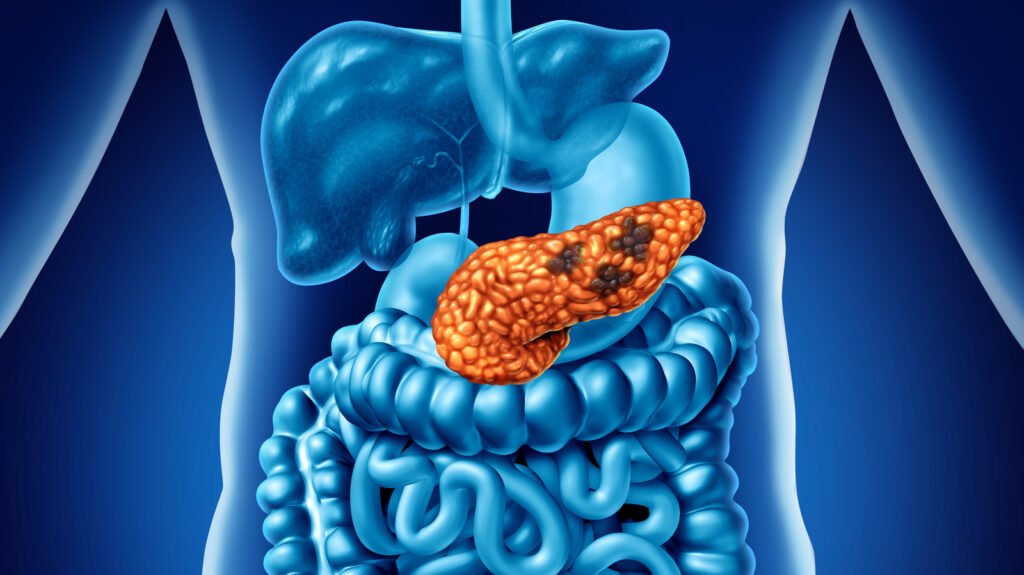
The ALK7 receptor acts as a communication gatekeeper on the surface of cells, helping them decide whether to grow, repair damage, or shut down entirely. Metastasis the spread of cancer to distant organs is responsible for most cancer deaths worldwide. Doctors can often remove or control a primary tumor, but once cells migrate into the bloodstream and colonize organs like the liver or lungs, treatment becomes far more difficult. New research suggests the problem may not always be that cancer grows too fast, but that certain cellular “stop signals” disappear. Scientists believe the ALK7 receptor may be one of those missing safety signals. When functioning normally, it prevents abnormal cells from surviving stressful conditions.
When its activity drops, cancer cells gain the freedom to travel. The role of ALK7 receptor in cancer metastasis has quickly become an important research focus in oncology. Investigators studying aggressive tumors discovered a consistent pattern: cancers that spread often show weak or absent receptor activity. Under normal conditions, this receptor triggers apoptosis, a built-in process where unhealthy cells destroy themselves before they cause harm. Without that protection, cells continue living despite genetic damage. As a result, they adapt, invade nearby tissue, and eventually enter circulation. Researchers now suspect restoring this pathway could limit metastatic disease rather than just treating tumors after they spread.
Table of Contents
How the ALK7 Receptor Affects Cancer Spread
| Category & Feature | Key Information & Observations |
|---|---|
| Protein Family & Classification | Member of the Transforming Growth Factor-Beta receptor group |
| Cellular Location & Distribution | Found on cell membranes in epithelial tissue, pancreas, and fat cells |
| Primary Biological Function & Role | Controls cell growth, differentiation, and programmed cell death |
| Change Seen In Tumors & Behavior | Lower expression in aggressive and metastatic cancers |
| Impact On Cancer Cells & Survival | Cells survive stress and migrate more easily when inactive |
| Molecular Mechanism & Pathway | Activates SMAD signaling proteins regulating gene expression |
| Research Evidence & Testing | Observed in laboratory cultures and animal tumor models |
| Medical Importance & Application | Potential target for therapies preventing metastasis |
| Clinical Significance & Prognosis | May help predict cancer aggressiveness and recurrence risk |
Cancer becomes dangerous when it spreads, not simply when it appears. The ALK7 receptor represents one of the body’s built-in protective systems designed to stop abnormal cells before they migrate. When functioning correctly, it forces damaged cells to stop dividing or self-destruct. When it fails, cancer cells gain the ability to survive stress, detach, and colonize distant organs. Although research is ongoing, restoring this signaling pathway offers a new therapeutic strategy. Instead of only destroying tumors, future medicine may focus on blocking metastasis at the cellular communication level. That shift could significantly improve survival and quality of life for patients worldwide.
Biological Background Of ALK7 Signaling
- To understand why scientists are paying attention to this receptor, it helps to think about how cells normally behave. Healthy cells operate within strict rules. They divide only when needed and die when damaged. This balance keeps organs functioning properly.
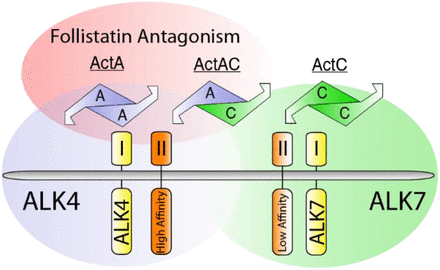
- The ALK7 receptor belongs to the Transforming Growth Factor-Beta signaling family, which regulates growth, repair, and tissue stability. When certain molecules called activins bind to the receptor, an internal chain reaction begins. Proteins known as SMAD messengers travel into the nucleus and control genes responsible for halting division or initiating apoptosis.
- In normal tissue, this is a protective system. Cells that accumulate mutations are eliminated before they become dangerous. Cancer cells, however, often disable these instructions. Studies show tumors with reduced ALK7 receptor activity grow more aggressively and resist destruction. This strongly suggests the receptor acts as a natural tumor suppressor.
Experimental Approach Used By Scientists
Researchers did not rely solely on observation; they tested the receptor directly.
- First, scientists removed the ALK7 receptor gene from cancer cells grown in laboratory dishes. Almost immediately, the cells became resistant to programmed death and showed increased movement. They survived low oxygen and nutrient deprivation two conditions tumors commonly experience.
- Next, scientists performed the opposite experiment. They forced cancer cells to produce higher receptor levels. The results were clear: cell growth slowed, apoptosis increased, and migration decreased.
- Animal experiments provided further confirmation. When mice were injected with cancer cells lacking receptor activity, tumors spread rapidly to other organs. When receptor signaling was restored, the rate of metastasis dropped significantly.
- These results suggest the receptor actively controls tumor behavior rather than simply being associated with it.
How ALK7 Influences Cell Movement
For cancer to spread, several biological changes must occur. A tumor cell cannot simply break away and survive; it must acquire special abilities. The ALK7 receptor affects multiple stages of this process.
Loss Of Cell Adhesion
Cells normally attach to each other using adhesion proteins. These keep tissues organized and stable. Receptor signaling helps maintain these connections. Without it, cells detach more easily from the primary tumor.
Epithelial-To-Mesenchymal Transition
Many cancers undergo a transformation known as epithelial-to-mesenchymal transition. During this shift, stationary cells become mobile. The receptor suppresses genes responsible for this change. When signaling declines, mobility increases and invasion begins.
Survival In Circulation
Traveling cancer cells face harsh conditions, including immune attack and lack of oxygen. The receptor normally forces stressed cells to self-destruct. When inactive, cells survive the journey through the bloodstream and reach distant organs.
Interaction With Cellular Stress and Metabolism
- Tumors grow rapidly and often outpace their blood supply. This creates nutrient shortages and oxygen deprivation. Healthy cells typically die under these conditions, but cancer adapts.
- Scientists discovered that the ALK7 receptor is activated during metabolic stress. Its role is to remove damaged or starving cells. However, tumors with weak signaling tolerate starvation better. These cells survive treatment, remain dormant, and later cause recurrence.
- This discovery explains why some cancers return even after successful therapy. Surviving metastatic cells may have bypassed the receptor-controlled death pathway.
Potential Implications For Cancer Treatment
Traditional cancer treatments aim to destroy tumors directly using surgery, chemotherapy, or radiation. But preventing spread may be equally important. Researchers believe therapies targeting the ALK7 receptor could achieve this. Possible strategies include drugs that activate the receptor signaling pathway, gene therapies restoring receptor production, molecules that mimic its biological signal, and combination therapy alongside immunotherapy. Instead of attacking cancer cells aggressively, these treatments would restore the body’s natural defense system. Early laboratory studies show improved control of pancreatic tumor invasion when receptor activity is restored. If successful, this approach could transform cancer management. Patients might live with controlled disease rather than aggressive metastasis.
Limitations Of Current Research
Despite promising findings, challenges remain. The Transforming Growth Factor-Beta signaling network is complex. In certain advanced cancers, related pathways can support tumor survival rather than suppress it.
Another issue is selectivity. Therapies must target cancer cells without interfering with normal tissue repair. The receptor also behaves differently across cancer types, meaning treatment would likely be personalized.
Human clinical trials are still limited, so medical use is not yet routine.
Future Directions
- Researchers are now exploring three major areas: identifying which cancers depend most on receptor activity, developing diagnostic tests to measure receptor levels, and designing targeted medications that safely activate the pathway.
- As precision medicine advances, oncologists may soon test tumors for receptor expression. This could help doctors estimate metastatic risk and choose treatments accordingly.
- The receptor may also become a biomarker, helping predict whether cancer is likely to recur after therapy.
FAQs About How the ALK7 Receptor Affects Cancer Spread
1. What Is the ALK7 Receptor?
It is a cell-surface signaling protein that regulates cell growth and triggers programmed cell death when cells become abnormal.
2. Why Is It Important in Cancer?
Low receptor activity allows cancer cells to survive longer, move more easily, and spread to distant organs.
3. Which Cancers Are Most Associated With It?
Current research links it to pancreatic, ovarian, and some gastrointestinal cancers, though studies are expanding.
4. Can Doctors Test for It?
Testing is still mainly experimental, but scientists are working on diagnostic tools that may become available in clinical practice.