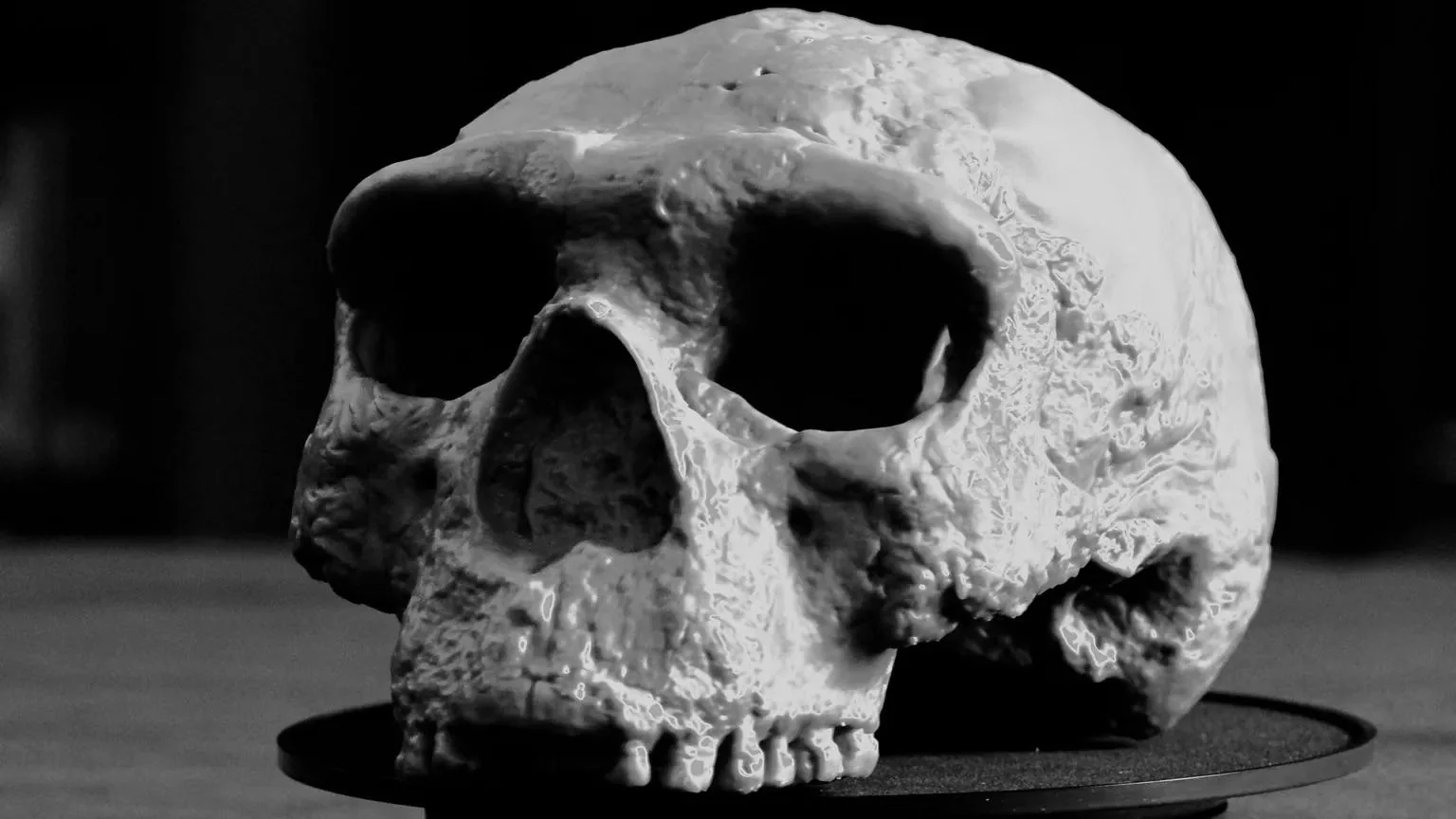

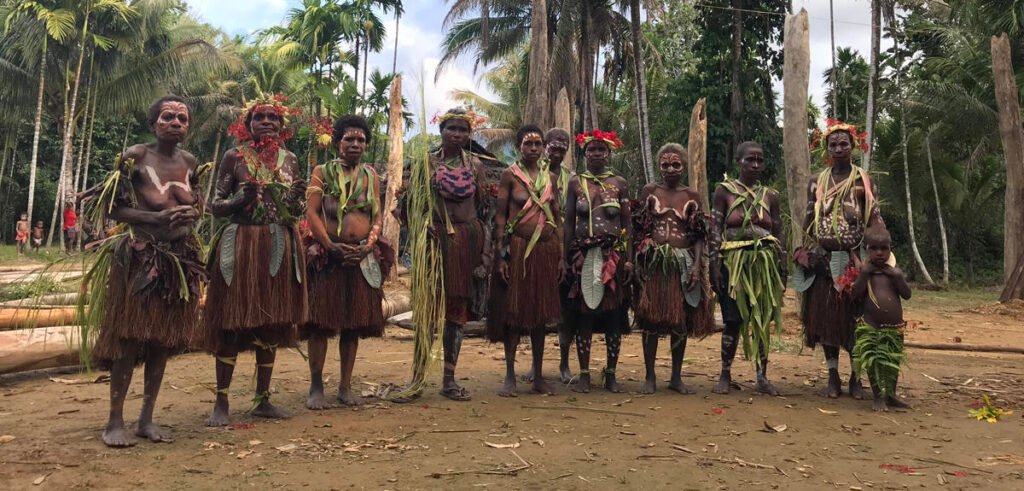
In a series of recent scientific studies, genetic research sheds light on the ancestry of Papua New Guinea communities, revealing they descend from some of the earliest modern humans to leave Africa and interbred with now-extinct human relatives. Scientists say the findings help explain global migration patterns, biological adaptation, and why Papua New Guinea holds exceptional cultural and linguistic diversity today.
Table of Contents
Papua New Guinea
| Key Fact | Detail |
|---|---|
| Early migration | Humans reached the region at least ~47,000 years ago |
| Denisovan ancestry | Papuans carry among the highest Denisovan DNA in the world |
| Internal diversity | Highlands and coastal populations diverged thousands of years ago |
How Genetic Research Explains Human Origins
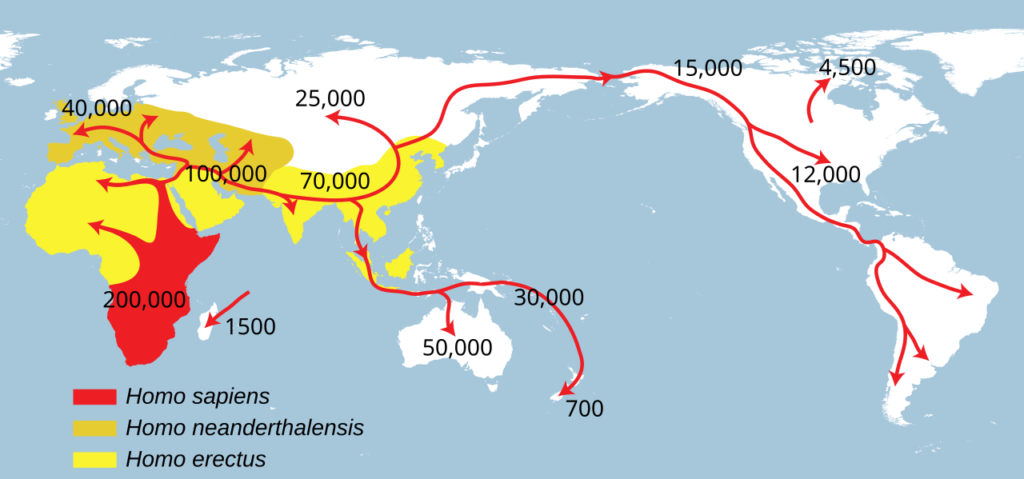
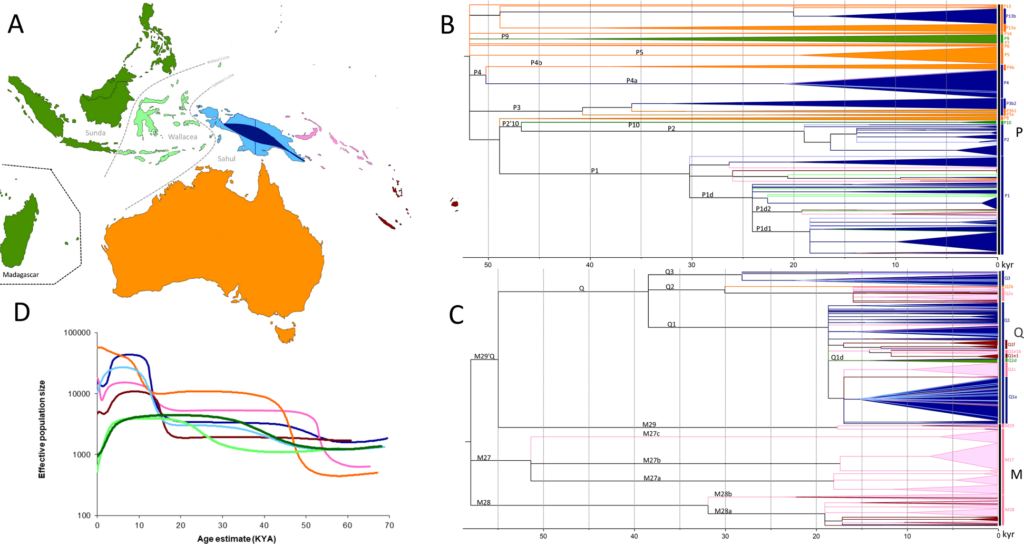
Scientists studying human evolution increasingly view Papua New Guinea as central to understanding how modern humans spread across the world. DNA sequencing shows the ancestors of present-day Papuans split from other Eurasian populations tens of thousands of years ago.
“Papua New Guinea preserves one of the earliest surviving branches of modern humanity outside Africa,” said Dr. Murray Cox, a population geneticist at Massey University in New Zealand.
Researchers believe early humans traveled along southern Asian coastlines before reaching a prehistoric landmass known as Sahul, which once connected Australia and New Guinea during lower sea levels of the last Ice Age.
The findings help clarify a long-standing scientific question: how humans reached Australia so rapidly after leaving Africa.
Archaeological Evidence Supports the DNA
Archaeologists have found stone tools and ancient hearths in New Guinea highlands that date back tens of thousands of years. These discoveries confirm genetic data showing long-term settlement.
Evidence suggests people were already cultivating plants in the highlands around 9,000 years ago — among the earliest agriculture outside the Middle East. This indicates human communities in Papua New Guinea adapted to mountainous tropical environments much earlier than previously believed.
Evidence of Interbreeding With Extinct Humans
One of the most significant discoveries involves Denisovan DNA, genetic material from an extinct human species first identified from fossils in Siberia.
Researchers found Papua New Guinea populations carry a higher percentage of Denisovan ancestry than almost any other population. Scientists estimate roughly two to five percent of their genomes derive from Denisovans.
“This was not a brief contact,” said Dr. Janet Kelso of the Max Planck Institute for Evolutionary Anthropology. “It indicates sustained interaction between modern humans and other human groups in Southeast Asia.”
Biological Advantages
Inherited genes appear to provide practical benefits:
- stronger immune response to pathogens
- improved ability to survive tropical diseases
- environmental adaptation to humidity and altitude
Some scientists believe Denisovan genes influence immune system receptors that recognize bacteria and viruses common in tropical climates.
Diversity Within the Country
Papua New Guinea contains more than 800 languages, making it one of the most linguistically diverse countries on Earth. Genetic studies suggest this diversity reflects long-term human separation.
Mountain ranges, rivers, and dense rainforest isolated villages for millennia. Over time, highland and coastal populations developed distinct genetic signatures.
According to genetic analyses, these populations diverged about 10,000 to 20,000 years ago.
“This level of genetic separation inside a single country is rare,” said Dr. Eske Willerslev, an evolutionary biologist at the University of Copenhagen. “It reflects prolonged isolation rather than recent migration.”
Why There Are So Many Languages
Linguists say the terrain of Papua New Guinea created natural barriers between communities. Villages sometimes remained isolated for centuries, allowing new languages and dialects to form independently.
Because language often follows ancestry, genetic diversity and linguistic diversity developed together.
Later Influences From Seafaring Peoples
The region’s ancestry is layered. About 3,000 years ago, seafaring Austronesian peoples arrived from island Southeast Asia.
They introduced:
- ocean-going canoes
- fishing technologies
- pottery traditions
- new crops such as taro and yam varieties
Many coastal populations in Papua New Guinea today show both Papuan and Austronesian ancestry.
Archaeologists say this migration eventually led to settlement across the Pacific Islands, including Polynesia.
Medical and Scientific Implications
Scientists say studying Papua New Guinea is not only about history. It also helps modern medicine.
Because populations remained isolated for thousands of years, their genomes contain rare variations not found elsewhere.
These genetic variations help researchers study:
- disease resistance
- immune system responses
- metabolic conditions
- malaria adaptation
Some Denisovan-derived genes may influence how the body responds to infections.
Climate and Environmental Adaptation
The environment of Papua New Guinea is among the most challenging inhabited regions on Earth. Communities live in:
- dense rainforest
- steep mountains
- high humidity
- intense rainfall
Genetic research shows adaptation to local conditions occurred over many generations. Some genes affect oxygen usage, skin barrier function, and immune defenses.
Researchers compare this adaptation to high-altitude adaptation found in Himalayan populations, though caused by different genetic pathways.
Scientific and Ethical Considerations
Modern research in Papua New Guinea requires community cooperation. Scientists now seek consent from village leaders and local authorities before collecting samples.
Researchers share findings with communities and often involve local universities in the projects.
“Genetic samples represent people’s ancestry and identity,” said a representative of a Pacific research collaboration. “Respectful partnerships are essential.”
International ethics frameworks now require:
- community approval
- transparency in research
- data protection
How Technology Made the Discovery Possible
Advances in genome sequencing allowed scientists to read entire human genomes quickly and accurately. Twenty years ago, such research would have taken decades.
Today scientists can:
- analyze ancient DNA fragments
- compare genomes globally
- reconstruct migration history
Powerful computers compare millions of genetic markers across populations.
Why Scientists Consider the Region Crucial
Researchers say Papua New Guinea helps answer major questions about human evolution:
- When humans left Africa
- Whether humans mixed with other species
- How people adapted to new climates
Because the region remained relatively isolated, it preserved ancient genetic signals lost elsewhere.
Broader Impact on Human History
The discoveries challenge older theories that modern humans completely replaced earlier human species. Instead, scientists now believe interaction and interbreeding were common.
This means modern humans are a mixture of several human lineages, not a single pure ancestry.
Papua New Guinea provides one of the clearest examples of this shared origin.
Cultural Perspectives
Local communities often connect ancestry to oral traditions and land ownership. Some village histories describe ancient migrations that researchers now see reflected in DNA evidence.
Anthropologists say cooperation between science and traditional knowledge strengthens research.
What the Discoveries Mean Going Forward
Scientists expect more findings as research expands across Southeast Asia. Some researchers suspect additional unknown human relatives may have existed.
The study of Papua New Guinea could also help track future disease outbreaks by understanding immunity patterns.
“Papua New Guinea is a living record of humanity’s past,” Cox said. “It helps us understand where we all came from.”
FAQ
Why is Papua New Guinea important in human evolution?
It contains some of the oldest surviving modern human lineages outside Africa.
What are Denisovans?
An extinct human species that interbred with modern humans, leaving genetic traces in certain populations.
Does this affect modern medicine?
Yes. Genetic adaptations may help researchers understand immunity and infectious diseases.