
Beauty has always come with effort, sacrifice, and a bit of discomfort. But in earlier civilizations, the cost was far more serious than a stinging face mask or a harsh exfoliating scrub. When we talk about Deadly Beauty Secrets From the Ancient World, we’re not exaggerating.
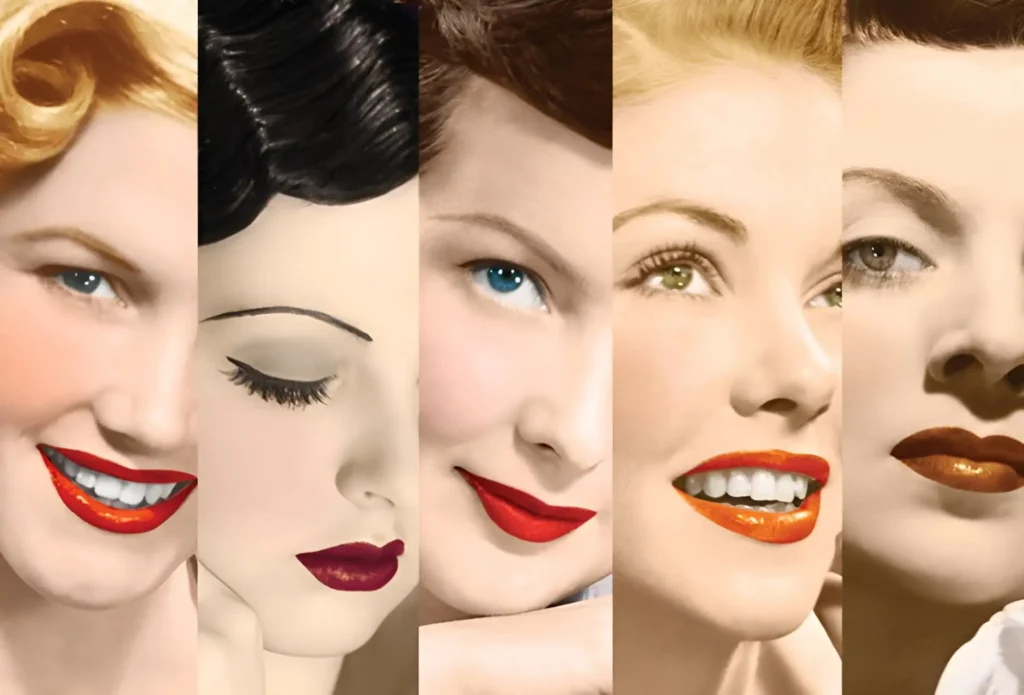
Historical records and modern laboratory testing of preserved cosmetics reveal that people once applied real poisons to their faces and bodies every single day. From palaces in Rome to temples in Egypt, dangerous beauty rituals were considered normal. The pursuit of attractiveness, social respect, and marriage prospects pushed individuals to use whatever promised visible results, even if the long-term effects were unknown. The idea of skincare safety simply did not exist. A product that worked immediately was trusted. And these beauty treatments did work, at least temporarily. Skin appeared smoother, eyes looked brighter, and complexion seemed flawless. Unfortunately, the same substances slowly damaged organs, nerves, and vision. Understanding Deadly Beauty Secrets from the Ancient World helps us see how strongly social pressure has influenced beauty standards throughout history and why modern cosmetic safety laws are so important today.
Across several ancient civilizations, cosmetics were tied to status and identity. Wealthy individuals had the time and resources to maintain a carefully crafted appearance. Pale skin meant you did not labor under the sun. Dark, defined eyes suggested vitality and health. Smooth, spotless skin signaled youth and elegance. To achieve those ideals, people relied on substances like lead powder, mercury ointments, arsenic tonics, and even poisonous plants. These were not rare or experimental practices. They were fashionable routines used daily. Many people who followed these beauty trends had no idea they were slowly poisoning themselves, making Deadly Beauty Secrets From The Ancient World one of history’s most fascinating and unsettling realities.
Table of Contents
Deadly Beauty Secrets from the Ancient World
| Cosmetic | Civilization/Region | Key Ingredient | Intended Beauty Effect | Known Health Risks |
|---|---|---|---|---|
| Lead Face Powder (Ceruse) | Ancient Rome & Renaissance Europe | Lead carbonate | Pale, flawless skin | Lead poisoning, paralysis, organ failure |
| Kohl Eyeliner | Ancient Egypt & Middle East | Lead salts, antimony | Dark, defined eyes | Eye damage, neurological problems |
| Mercury Skin Creams | China & Europe | Mercury compounds | Skin whitening, blemish removal | Kidney failure, tremors, mental instability |
| Belladonna Eye Drops | Renaissance Italy | Atropine from deadly nightshade | Enlarged pupils | Blindness, heart complications |
| Arsenic Complexion Wafers | European traditions | Arsenic | Clear complexion | Cancer, nerve damage, organ toxicity |
Roman Lead Face Powders (Ceruse)
- In ancient Rome, appearance directly reflected social class. A tan complexion indicated physical labor, which was associated with lower status. The wealthy therefore aimed for unnaturally pale skin. To achieve this look, women applied a cosmetic called ceruse. It became one of the most striking examples connected to Deadly Beauty Secrets From The Ancient World. Ceruse was produced by placing sheets of lead over containers of vinegar. The chemical reaction created a soft white powder. When applied to the skin, it created a smooth, porcelain-like finish, covering freckles, scars, and imperfections far better than natural clays ever could.
- The results impressed everyone. Unfortunately, lead easily passes through the skin and accumulates in the body. Users often began experiencing headaches, fatigue, and irritability. Over time, more severe symptoms developed. Teeth loosened, skin cracked, and tremors appeared in the hands. Some historical accounts even describe facial deformities and paralysis. Ironically, women applied thicker layers of ceruse to hide the damage caused by the cosmetic itself. By the time doctors suspected poisoning, it was often too late. Many long-term users suffered organ failure. What began as a beauty routine quietly became a health crisis.
Egyptian Kohl Eyeliner
- Ancient Egyptian art is famous for its dramatic eye makeup. Both men and women wore thick black lines around their eyes. This cosmetic, called kohl, remains one of the most recognizable practices associated with Deadly Beauty Secrets from the Ancient World.
- Kohl was made by grinding minerals such as galena, a lead-based compound, into fine powder and mixing it with oils. Egyptians believed it protected the eyes from sun glare and infections. It also held spiritual meaning, thought to ward off harmful forces.
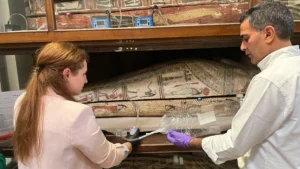
- Daily application meant constant exposure. The cosmetic sat directly along tear ducts, allowing toxins to enter the bloodstream easily. Modern chemical testing of preserved kohl containers shows significant levels of lead.
- Short-term irritation was common, but the deeper problem involved the nervous system. Repeated exposure could lead to neurological damage, especially in children who also wore the cosmetic. While some antibacterial properties may have existed, they came with serious long-term consequences.
Mercury Skin Lighteners In China And Europe
- For centuries, fair skin symbolized refinement. Freckles and blemishes were considered undesirable. To correct them, people used creams containing mercury compounds. This practice forms another disturbing chapter within Deadly Beauty Secrets from the Ancient World. Mercury-based ointments removed the outer skin layer, temporarily revealing a smoother surface. At first, users were thrilled. Their complexion appeared clear and youthful. But mercury accumulates in body tissues, particularly the brain and kidneys.
- Symptoms appeared gradually. Hands began to shake. Mood changes occurred. Memory problems followed. Historical physicians described patients with uncontrollable tremors and erratic behavior, conditions we now recognize as mercury poisoning. Because the cosmetic initially improved appearance, many users continued applying it even after early symptoms appeared. They believed illness came from unrelated causes. Over time, kidney damage and severe neurological issues developed, sometimes leading to death.
Belladonna Eye Drops
- In Renaissance Italy, beauty ideals favored bright, wide eyes. Women turned to extracts from the deadly nightshade plant to achieve this look. This plant-based cosmetic illustrates how natural substances also played a role in Deadly Beauty Secrets From The Ancient World.
- The plant contains atropine, a chemical that dilates pupils. When applied as eye drops, the eyes appeared larger and more reflective. The effect was considered captivating and elegant.
- However, atropine affects the nervous system. Users often experienced blurred vision and intense light sensitivity. Repeated use caused eye damage and headaches. In higher doses, it affected heart rate and breathing.
- Some users reported confusion and hallucinations. In extreme cases, poisoning could be fatal. The name belladonna translates to “beautiful woman,” reflecting how attractiveness and danger were closely linked.
Arsenic Complexion Wafers
Perhaps the most shocking example within Deadly Beauty Secrets from the Ancient World involved ingesting poison deliberately. Some beauty treatments included tiny amounts of arsenic, taken in wafers or tonics to improve skin appearance. Arsenic increased blood circulation and produced a rosy glow. Early results convinced users it worked. The complexion appeared clearer and brighter. But arsenic accumulates in the body. Long-term use caused stomach pain, nerve damage, and skin lesions. Hair loss and weakness followed. Eventually, cancers and organ failure developed. Even more dangerous, the body developed tolerance. Users increased doses to maintain the cosmetic effect, unknowingly speeding up poisoning.
Why People Continued Using Them
To understand Deadly Beauty Secrets from the Ancient World, we must consider the social environment. Beauty affected social standing, marriage opportunities, and economic stability. Looking attractive could change a person’s entire life. Medical science was limited. Symptoms appeared slowly and were rarely connected to cosmetics. When influential figures used a product, others followed without question. Immediate improvement overshadowed future risk. Without scientific testing or regulation, people trusted experience rather than evidence.
The Legacy Of Dangerous Beauty
- The harm caused by these practices eventually led physicians to investigate chemicals and health more carefully. Over time, scientific understanding grew. Governments introduced safety testing and banned toxic ingredients.
- Modern cosmetic regulations, dermatology research, and ingredient labeling exist largely because of lessons learned from Deadly Beauty Secrets from the Ancient World. Today products undergo extensive safety checks before reaching consumers.
- The history reminds us that beauty standards are powerful. People have always sought acceptance and admiration. The difference now is knowledge. We can pursue skincare safely, guided by science instead of trial and error.
FAQs on Deadly Beauty Secrets
1. Were ancient cosmetics truly life-threatening
Yes. Many contained lead, mercury, and arsenic in amounts capable of causing severe illness and death.
2. Why didn’t people realize the danger
Symptoms developed slowly, and medical science was not advanced enough to identify chemical poisoning.
3. Did these practices only affect women
No. In cultures like ancient Egypt, men also used cosmetics such as kohl eyeliner.
4. Are these ingredients still used today
Modern cosmetic laws strictly prohibit toxic heavy metals in regulated beauty products.