
The Fish That Triggered Hallucinations refers to a long-debated historical claim that Romans knowingly consumed a Mediterranean species capable of producing vivid visions and confusion. Ancient writers recorded strange mental reactions after eating certain fish, and modern toxicology confirms such symptoms can occur. Evidence indicates the phenomenon was real, but far rarer and less recreational than modern retellings suggest.
Table of Contents
What the Fish That Triggered Hallucinations Refers To
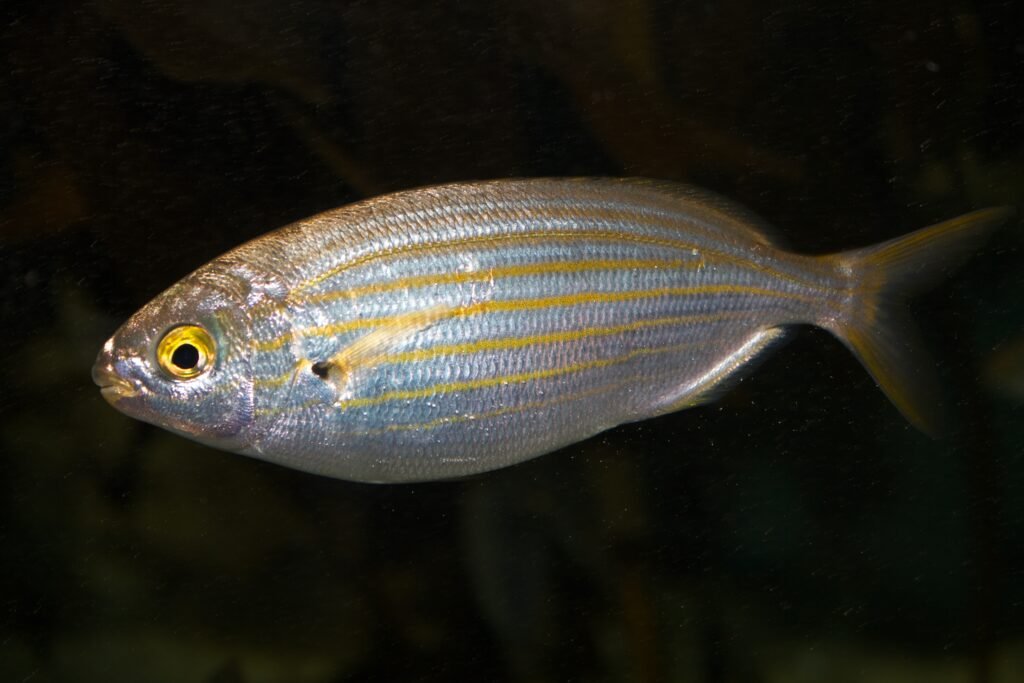
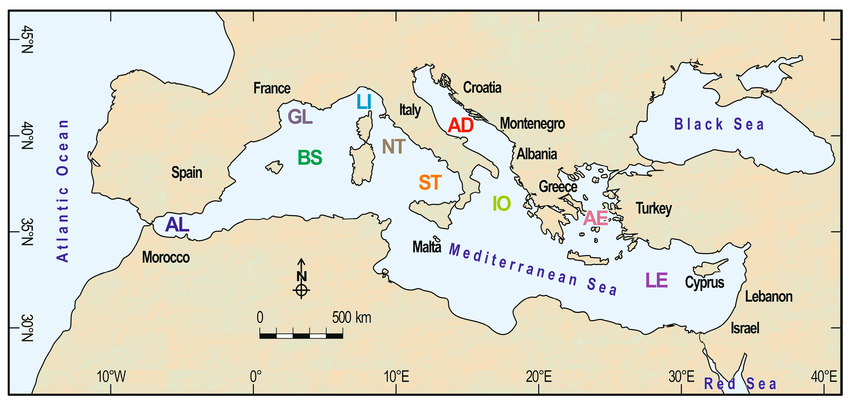
At the center of the Fish That Triggered Hallucinations claim is a small herbivorous sea bream called Sarpa salpa, often known as the salema porgy. The species inhabits coastal waters from Spain and France to Greece, Turkey, and North Africa.
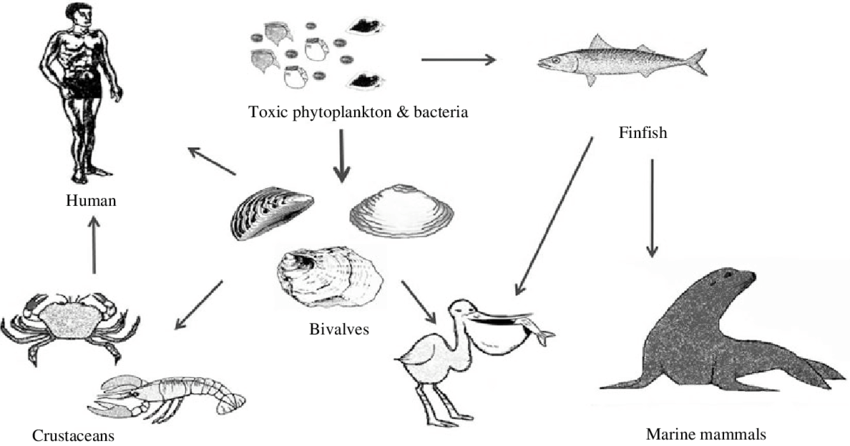
Marine toxicology recognizes a condition called ichthyoallyeinotoxism, sometimes described as “hallucinogenic fish poisoning.” The term refers to neurological symptoms after eating specific marine species. Scientists believe the fish accumulates toxins from algae and seagrass it consumes.
Those toxins affect the human nervous system rather than the digestive system alone. In documented cases, patients experienced confusion, vivid imagery, and auditory disturbances lasting several hours.
Researchers in marine ecology explain that herbivorous fish such as Sarpa salpa are especially prone to carrying algae-derived compounds because they feed continuously on plant material growing on rocks and sea beds.
Ancient Sources: Roman Writers Described “Disturbing Dreams”
The earliest written evidence linked to the Fish That Triggered Hallucinations appears in Natural History, written by Pliny the Elder in the first century AD. Pliny was not a storyteller but a cataloger of the natural world. His encyclopedic text attempted to gather all known knowledge about animals, medicine, minerals, and agriculture.
In one passage, Pliny described fish that caused mental disturbance and frightening dreams when eaten. The symptoms he outlined—visions, confusion, and lingering fear—closely resemble modern clinical descriptions of ichthyoallyeinotoxism.
Other classical authors, including Greek writers studying diet and medicine, also mentioned seafood that affected the mind rather than the stomach. Roman physicians often interpreted such reactions within the medical theory of bodily humors, believing certain foods upset the balance between bodily fluids.
Modern classicists say the consistency of descriptions across writers strengthens their reliability.
Professor of classical literature Dr. Matthew Nicholls explains in academic commentary that Roman naturalists often reported empirical observations.
“They did not understand the chemistry, but they were careful observers,” he noted in a lecture on ancient science. “When multiple authors describe similar symptoms from the same environment, historians pay attention.”
The Science Behind the Hallucinations
Modern clinical research helps clarify what ancient writers recorded. Medical case reports from Mediterranean countries describe individuals who, after eating Sarpa salpa, reported seeing animals, insects, or people that were not present.
Neurologists classify the experience as toxic delirium, not a psychedelic state. Patients typically feel fear rather than pleasure.
Scientists believe microscopic algae produce neuroactive compounds that enter the fish’s tissues. When humans ingest these compounds, the brain’s sensory processing pathways are disrupted.
Unlike chemical intoxicants such as alcohol, the effect does not depend on quantity alone. A small portion of contaminated fish can trigger severe reactions, while another fish eaten on a different day may produce none.
The seasonal pattern is important. Toxin levels appear higher in late summer when algae growth peaks. This unpredictability may explain why ancient writers struggled to understand the phenomenon.
Roman Banquets and the “Party Drug” Myth
Roman elite society placed strong emphasis on dining culture. Wealthy citizens hosted elaborate feasts known as convivia. Guests reclined on couches while servants presented multiple courses of seafood, meat, and imported delicacies.
Because the Romans valued unusual foods, some modern writers suggested the Fish That Triggered Hallucinations might have been intentionally served for entertainment.
However, historians urge caution. Ancient texts describe wine as the primary social intoxicant, consumed regularly and even diluted with water to regulate strength. There is no comparable documentation for systematic use of hallucinogenic fish.
Food historian Dr. Patrick Faas writes that unusual dishes were prized for status, not altered consciousness.
“Serving a rare fish displayed wealth and connections,” he explains in research on Roman dining. “But there is no reliable record of deliberate intoxication from fish consumption.”
The more plausible scenario is occasional accidental poisoning, later remembered because the experience was so unusual.
Medical Interpretation in the Ancient World
Roman physicians followed medical traditions inherited from Greek doctors such as Hippocrates and Galen. These traditions explained illness through imbalance rather than infection or toxins.
When patients experienced visions after eating seafood, doctors might interpret it as:
- excessive heat in the body
- corruption of bodily fluids
- or disturbed digestion affecting the brain
Because there was no germ theory or toxicology, reactions that modern science attributes to neurotoxins could appear mystical. Some patients may have believed they received omens or divine messages.
This cultural framework likely amplified the story’s longevity. An unusual biological reaction became a memorable anecdote.
Why the Story Became Popular
In the 20th and 21st centuries, interest in psychedelics revived curiosity about ancient intoxicants. Scholars and journalists revisited classical texts and noticed descriptions resembling hallucinations.
The idea of Romans experimenting with mind-altering seafood spread quickly in documentaries and popular media. The narrative fit a broader trend of linking ancient civilizations to modern drug culture.
Historians say this interpretation oversimplifies the evidence. Ancient societies recorded many natural phenomena, including poisonous plants, toxic honey, and contaminated water.
The Fish That Triggered Hallucinations belongs in that category: an observed natural hazard, not necessarily a recreational practice.
Comparable Cases in History
The Roman example is not unique. Historical records from other regions describe similar events.
Ancient Greek soldiers during military campaigns reportedly became disoriented after eating honey contaminated by certain plant toxins. In the Black Sea region, travelers documented fish that caused dizziness.
These examples show that pre-modern societies frequently encountered naturally occurring psychoactive toxins without understanding their chemical origin.
A Rare but Real Phenomenon Today
Modern medical literature confirms the condition still occurs, though infrequently. Emergency departments in Mediterranean coastal regions occasionally treat patients reporting hallucinations after seafood meals.
Most recover fully within 24 to 72 hours without permanent damage. Treatment typically involves reassurance and observation rather than aggressive medical intervention.
Public health agencies do not ban the fish because the risk is low, but they warn fishermen and restaurants about seasonal toxin variations.
Environmental Factors and Climate Influence
Marine scientists now consider whether environmental changes could affect toxin frequency. Warmer water temperatures encourage algae growth, potentially increasing toxin accumulation in herbivorous fish.
Oceanographers studying Mediterranean ecosystems note that climate variation influences marine food chains. If algae populations expand, toxin exposure could become slightly more common, though still rare overall.
Researchers emphasize ongoing monitoring rather than alarm.
Historical Interpretation Today
Scholars examining the Fish That Triggered Hallucinations now treat it as an intersection of observation and mythmaking. Roman authors recorded a real biological effect but lacked the scientific framework to explain it.
Over centuries, retellings transformed a rare poisoning event into a dramatic story about intentional mind-altering feasts.
Modern historians synthesize literary analysis with marine biology to reconstruct the most probable explanation: occasional encounters with a naturally toxic fish.
Cultural Legacy
The story reveals how knowledge evolves. Ancient observers carefully described symptoms. Medieval writers preserved the accounts. Modern science identified the mechanism.
Rather than evidence of Roman recreational drug use, the episode illustrates early scientific curiosity. Natural historians like Pliny attempted to document nature systematically, even when causes remained mysterious.
Final Perspective
The Fish That Triggered Hallucinations shows how ancient observation and modern science sometimes meet. Roman naturalists documented an unusual reaction, and marine toxicology explains it centuries later. Researchers continue studying environmental influences, but historians agree the story reflects rare encounters with nature rather than a lost tradition of Roman intoxication.
FAQs About Did Romans Eat a Fish That Triggered Hallucinations
Did Romans intentionally eat the fish to hallucinate?
No clear historical documentation confirms repeated deliberate use. Ancient sources describe effects but not organized behavior.
Is the fish still eaten today?
Yes. It remains part of Mediterranean cuisine, and most meals cause no symptoms.
Is it a psychedelic drug?
Medical experts classify the reaction as toxic delirium caused by neurotoxins, not a controlled psychedelic experience.
Is it dangerous?
Symptoms can be distressing but are usually temporary and non-fatal.