
Researchers have demonstrated that Lunar Soil Conditions can support plant life when carefully managed inside sealed habitats, after tea plants successfully grew in simulated Moon soil during controlled experiments on Earth. The results provide early evidence that astronauts on future lunar missions may cultivate crops locally rather than rely entirely on supplies shipped from Earth.
Table of Contents
Tea Plants Can Grow in Lunar Soil Conditions
| Key Fact | Detail |
|---|---|
| Plant tested | Camellia sinensis (tea plant) |
| Environment | Lunar regolith simulant greenhouse chambers |
| Outcome | Growth comparable to Earth soil when nutrients added |
| Purpose | Support long-duration Moon missions |
The successful growth of plants under Lunar Soil Conditions does not mean agriculture on the Moon is imminent. Yet researchers now believe self-sustaining habitats are technically achievable. As human exploration expands deeper into space, the first extraterrestrial farms may begin not with massive fields, but with small green leaves inside a sealed dome.
What the Study Shows About Lunar Soil Conditions
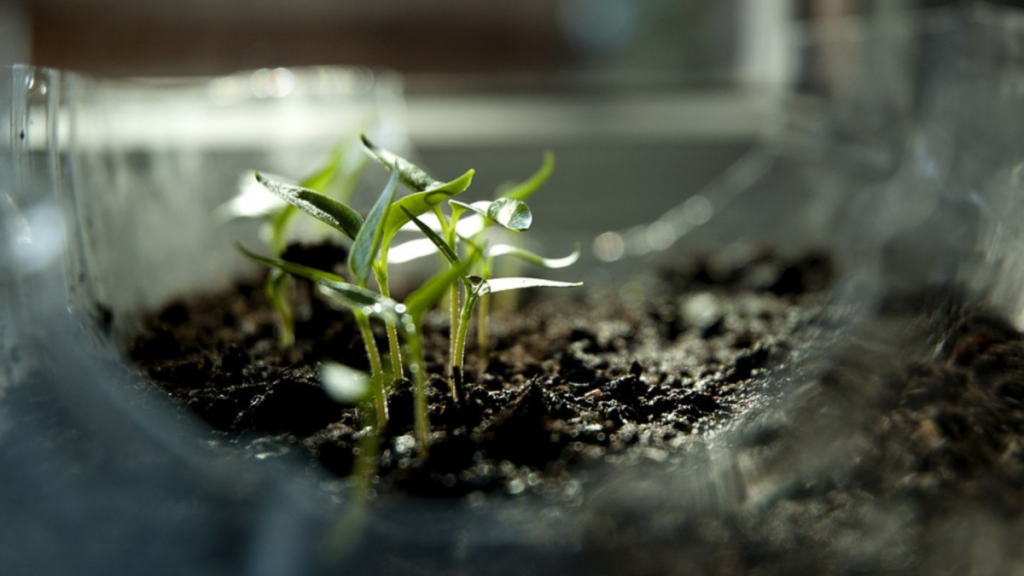
Scientists planted tea seedlings in a material designed to closely replicate Moon surface dust, known as lunar regolith simulant. The soil substitute mimics the texture, mineral composition, and chemical structure of samples collected during the Apollo missions.
Researchers monitored leaf development, photosynthesis rate, and root structure. The tea plants germinated successfully and continued producing new leaves across multiple growth cycles.
The plants required added nutrients, controlled lighting, and carefully regulated moisture. But once those factors were maintained, growth stabilized.
Dr. Sushma Patel, a controlled-environment agriculture specialist, explained the significance:
“The Moon does not naturally offer fertile ground. However, if we engineer the environment around the plant rather than changing the plant itself, biological systems can still function.”
The study indicates that lunar farming may be technically possible inside artificial habitats.
Why Space Agencies Care About Space Agriculture
Long-duration missions planned by the National Aeronautics and Space Administration (NASA) and international partners aim to establish a sustained human presence on the Moon within the next decade. Transporting all supplies from Earth remains extremely costly and logistically difficult.
Food shipments are one of the biggest challenges. Each astronaut requires roughly 1.8 to 2 kilograms of food and water daily. Over a year-long mission, the mass becomes enormous.
Plants provide a solution.
Inside a controlled habitat, crops can:
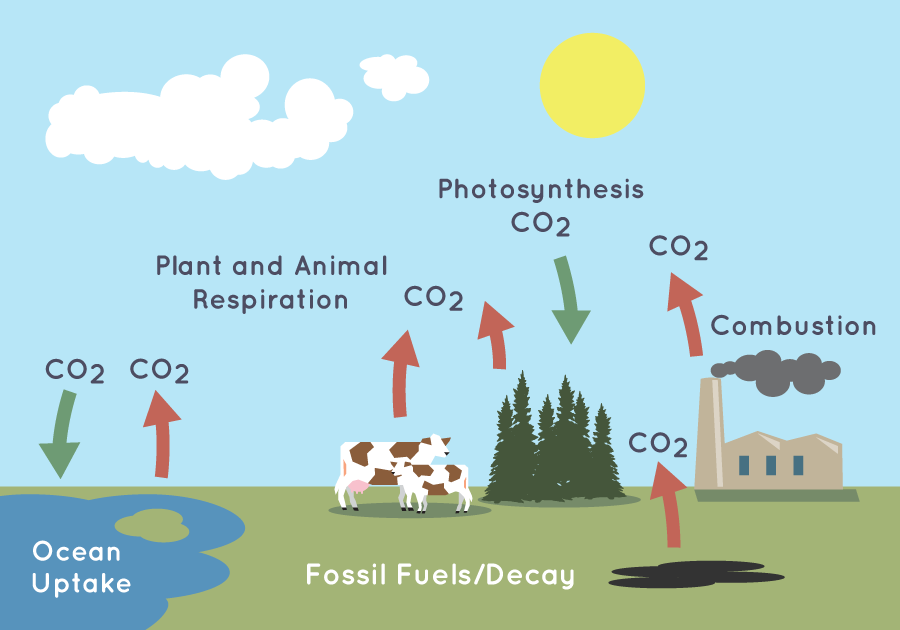
- generate oxygen
- remove carbon dioxide
- recycle wastewater
- produce fresh nutrition
Scientists call this a bioregenerative life-support system — a closed ecological loop where humans and plants support each other.
NASA has already tested lettuce and radishes aboard the International Space Station (ISS). The new findings extend that research to the Moon’s surface environment.
Why Tea Was Chosen
Tea may seem like an unusual first crop for extraterrestrial agriculture. However, scientists say it offers unique advantages.
Tea plants:
- grow repeatedly without replanting
- require limited soil depth
- tolerate pruning
- provide antioxidants and caffeine
Dr. Laura Kim, a behavioral health researcher studying long-duration missions, said emotional well-being is part of mission safety.
“Astronauts experience isolation, confinement, and sensory monotony. Familiar rituals — even drinking tea — help maintain cognitive performance and emotional stability.”
Researchers note that astronauts aboard the ISS have previously reported strong psychological benefits from tending small plant gardens.
Therefore, Moon habitat food systems must address mental health as well as nutrition.
Lunar Soil Is Not Earth Soil
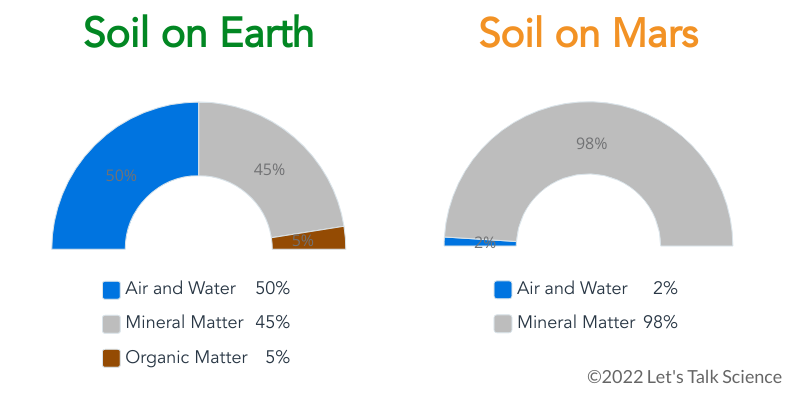
The Moon’s surface material differs dramatically from terrestrial soil.
Lunar regolith contains:
- powdered rock created by meteor impacts
- microscopic glass shards
- no microorganisms
- almost zero organic carbon
Unlike Earth soil, it never experienced weathering by water or biological activity. As a result, it does not naturally support plant life.
Additionally, the particles are sharp. On the Moon they cling to surfaces due to electrostatic charging. Apollo astronauts described it as abrasive and sticky.
To grow plants in Lunar Soil Conditions, scientists enriched the simulant with minerals such as nitrogen, potassium, and phosphorus. Without those supplements, seedlings would fail quickly.
Researchers also compared Martian soil simulant. Surprisingly, tea plants struggled more in Mars-like material due to higher salt content and chemical toxicity.
A Key Step Toward Permanent Moon Bases
The research connects directly to NASA’s Artemis Program, which aims to return astronauts to the Moon and build a long-term research station near the lunar south pole.
The south pole region is important because:
- some craters contain frozen water ice
- sunlight is available for longer periods
- temperatures are more stable
Water ice can be split into hydrogen and oxygen. Combined with plant cultivation, this could create a self-sustaining outpost.
Engineers envision inflatable or buried greenhouses shielded from radiation by lunar soil layers. Inside, crops could grow under LED lighting powered by solar panels.
Scientists say the current experiment demonstrates feasibility, not immediate readiness.
Economic and Logistical Impact
Launching materials into space remains expensive. Even with modern rockets, sending one kilogram to the Moon costs thousands of dollars.
Growing food locally could drastically reduce mission expenses.
According to aerospace analysts, a permanent lunar base would otherwise require dozens of resupply missions per year. Agriculture could reduce supply launches by as much as 30 to 50 percent.
Commercial companies are also interested. Private space firms planning future tourism habitats recognize that fresh food would make long stays more viable.
Implications for Earth Agriculture
The research may also benefit people on Earth.
Many regions face:
- desertification
- salinized soils
- water shortages
Techniques designed for space agriculture — such as closed water recycling and precision nutrient delivery — already influence vertical farming systems in urban environments.
Agricultural scientists say innovations developed for extreme environments often find applications in drought-prone regions, disaster relief shelters, and remote communities.
The United Nations has warned that soil degradation threatens food security for billions of people this century. Technologies from lunar research may help produce food in areas once considered unusable.
Radiation, Gravity, and Remaining Challenges
The Moon presents hazards beyond soil quality.
Key challenges include:
Radiation
Without a thick atmosphere, the Moon is constantly bombarded by solar radiation and cosmic rays. Plants would require shielding, likely underground greenhouses.
Low Gravity
Lunar gravity is only one-sixth that of Earth. Scientists still do not fully understand how root systems adapt long-term.
Temperature Extremes
Surface temperatures range from about –173°C at night to 127°C in sunlight. Only sealed habitats can protect crops.
Researchers will next test multiple crop types including potatoes, beans, and wheat to build a complete diet.
What Comes Next
Scientists caution the findings represent an early step.
The next phase will involve:
- multi-crop systems
- microbial soil ecosystems
- automated robotic farming
Dr. Patel emphasized the long-term vision:
“Human expansion beyond Earth requires biology, not just engineering. A settlement must grow, recycle, and regenerate.”
FAQs About Tea Plants Can Grow in Lunar Soil Conditions
Can plants grow directly on the Moon’s surface?
No. Plants must be inside sealed pressurized habitats because the Moon has no atmosphere or liquid water.
Why not rely entirely on packaged food?
Long missions make resupply expensive and risky. Locally grown crops improve safety and independence.
Which crops are next?
Scientists plan to test staple foods such as potatoes, soybeans, and wheat in addition to leafy greens.
Could people eventually farm on Mars?
Possibly, but Martian soil chemistry appears more toxic than lunar material, making it more difficult.