
Walk into almost any Korean home and you will probably find a container of kimchi resting quietly in the refrigerator. It is not there just for taste. For many families, it is part of a daily health routine passed down through generations. Recently, scientists have started paying serious attention to this humble fermented vegetable, and the findings are turning heads in nutrition science.
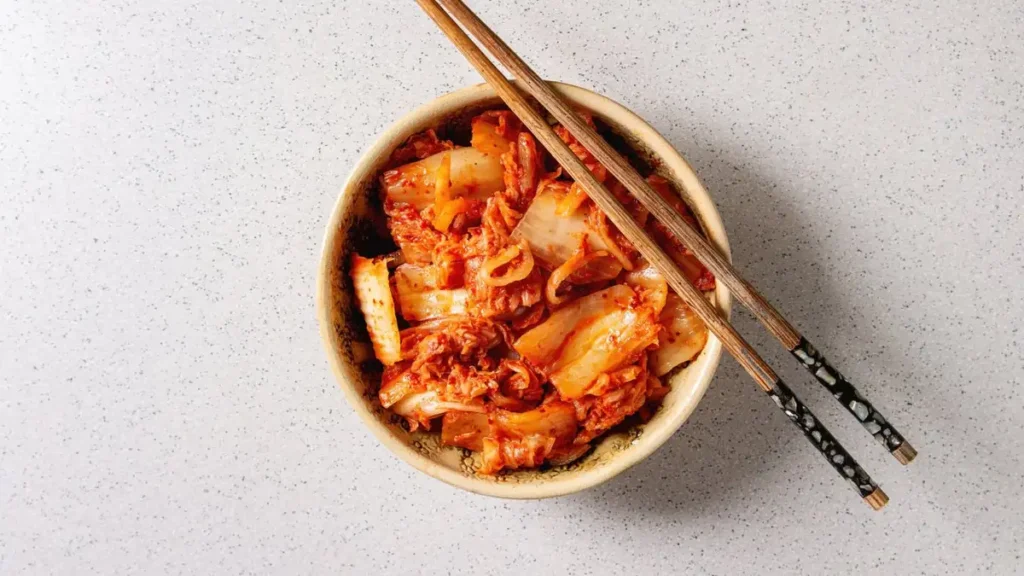
Evidence now suggests Fermented Kimchi and Immune Health are closely connected. In fact, conversations around Fermented Kimchi and Immune Health are increasing because researchers are noticing something important. Instead of simply strengthening immunity, kimchi appears to help the body regulate it. This matters more than most people realize. Today immune problems are not limited to catching infections. They include allergies, ongoing inflammation, frequent fatigue, and slow recovery after illness. Modern habits such as processed food, lack of sleep, high stress, and limited outdoor activity disturb the gut microbiome. When the gut is disturbed, the immune system becomes confused. That is where fermented foods begin to matter again. Among them, kimchi stands out because it combines vegetables, spices, and living beneficial bacteria in one natural food.
When researchers discuss Fermented Kimchi and Immune Health, they are not referring to a miracle food. They are describing a supportive dietary habit. The live lactic acid bacteria in properly fermented kimchi interact with the digestive tract, where nearly seventy percent of immune activity is coordinated. Instead of overstimulating the body, fermented kimchi helps immune cells communicate properly. Recent nutrition studies have observed that regular intake supports beneficial gut bacteria and lowers inflammatory signals. Because of this, scientists now describe fermented vegetables as immune modulators rather than immune boosters. In simple words, they help the body react when needed and calm down when danger passes.
Table of Contents
Fermented Kimchi May Boost Immunity
| Research Aspect | Key Findings |
|---|---|
| Type of Studies | Human dietary trials and laboratory analysis |
| Key Components | Lactic acid bacteria, fiber, antioxidants |
| Duration | 4 to 12 weeks of regular intake |
| Observed Effect | Improved gut microbiome balance |
| Immune Impact | Lower inflammation and improved immune signaling |
| Participants | Healthy adults and mild metabolic cases |
| Nutritional Factors | Vitamins A, C, and probiotic strains |
| Overall Conclusion | Supports balanced immune response |
The renewed interest in traditional foods reflects a larger realization. Modern diets removed many natural fermented foods, and the body appears to miss them. Kimchi offers a simple solution. It combines vegetables, beneficial microbes, and protective nutrients in one daily side dish. The key idea is balance. Immunity is not about making the body aggressive but about helping it respond correctly. Growing evidence shows Fermented Kimchi and Immune Health are connected through the gut microbiome and immune communication pathways. Adding a small serving regularly will not replace good sleep, exercise, or medical treatment. But it can support the body’s natural defense system in a steady and sustainable way. Sometimes the most effective health habits are not new discoveries but old traditions returning with scientific explanation.
What Makes Kimchi Truly Fermented
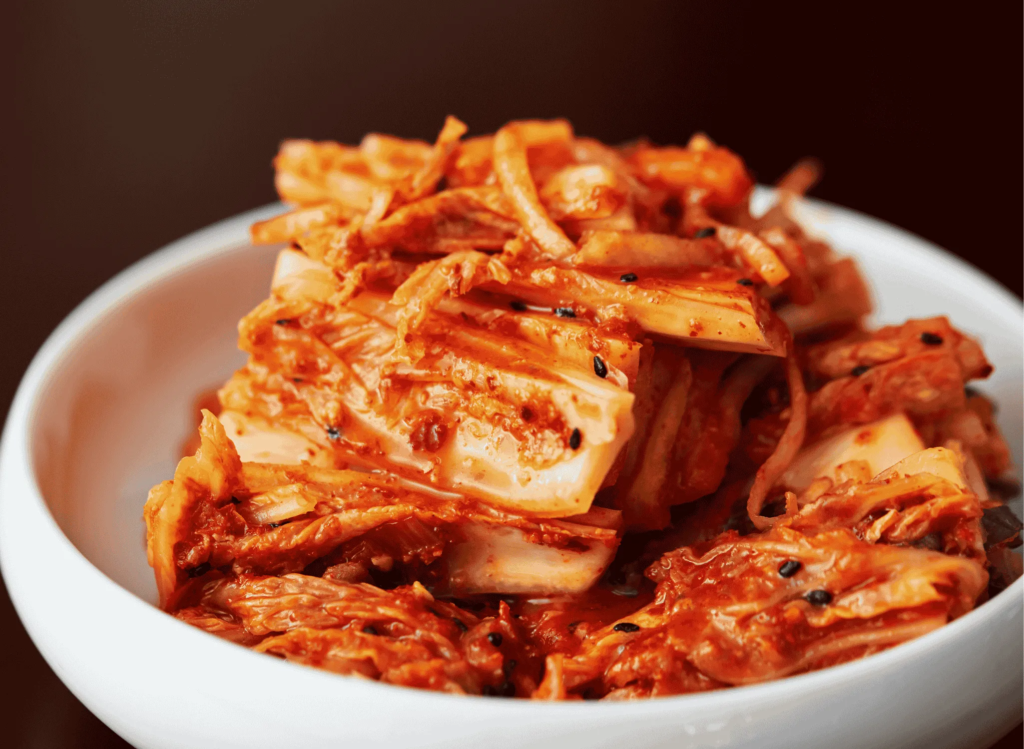
- Many people think kimchi is simply spicy pickled cabbage. It is not. Pickled vegetables are soaked in vinegar, while fermentation relies on naturally growing bacteria. After salting cabbage and vegetables, beneficial microbes begin multiplying. These microbes, especially Lactobacillus strains, convert sugars into lactic acid.
- This natural process does more than preserve food. It changes the food completely. The texture softens, the sour taste develops, and most importantly probiotics are formed. During fermentation, plant nutrients become easier for the body to absorb. Fiber structures partially break down, vitamins become more available, and new bioactive compounds form.
- Because of these changes, scientists keep connecting Fermented Kimchi and Immune Health in nutritional research. Fresh cabbage salad provides vitamins, but fermented cabbage delivers vitamins plus microbial signals that train the immune system.
The Gut Immune Connection
- Many people imagine the immune system as something floating in the blood. In reality, the largest portion of immunity lives in the digestive tract. The gut lining constantly interacts with bacteria, food particles, and immune cells.
- Healthy bacteria teach the immune system what is harmless and what is dangerous. When harmful bacteria dominate, the immune system stays irritated and inflamed. This can show up as skin problems, frequent colds, allergies, or digestive discomfort.
- Studies involving fermented foods found that participants who ate kimchi regularly showed higher bacterial diversity in their gut. Diversity matters because it prevents harmful microbes from taking control. Researchers also observed improved gut barrier function, meaning the intestinal wall became better at blocking toxins from entering the bloodstream.
- This is why discussions about Fermented Kimchi and Immune Health often focus on the microbiome. The bacteria in kimchi do not simply pass through digestion. They interact with the body and influence immune behavior.
Balanced Immune Response Not Overstimulation
Online health advice often tells people to boost immunity. However, an immune system that is too aggressive can be harmful. Allergies and autoimmune disorders occur when the body reacts to harmless substances or its own tissues. Researchers studying fermented kimchi noticed something different from a simple boost. Certain cytokines, which are immune communication proteins, became better regulated. Inflammatory signals decreased while protective responses remained effective. This means the body stays prepared to fight infections but avoids unnecessary inflammation. The immune system behaves more intelligently rather than more aggressively. This regulatory effect explains why Fermented Kimchi and Immune Health is associated with long term wellness rather than quick fixes.
Key Nutrients And Compounds
Kimchi works because it combines probiotics with nutrient rich vegetables. Each ingredient plays a role.
- Vitamin C supports white blood cell function
- Beta carotene protects immune cells
- Garlic compounds provide natural antimicrobial activity
- Dietary fiber feeds beneficial gut bacteria
- Polyphenols reduce oxidative stress
Fermentation strengthens these effects. Bacteria partially digest plant material, making nutrients easier to absorb. That is why fermented foods often show stronger gut and immune benefits compared to raw vegetables alone.
How Much Kimchi Is Helpful
Research trials used a modest daily portion, roughly fifty to one hundred grams. This equals about two or three tablespoons. The important factor was consistency. Participants who consumed kimchi regularly for several weeks showed measurable improvements in gut health and inflammatory markers. Eating very large portions did not add significant benefits and could irritate sensitive stomachs. Regular intake is what supports Fermented Kimchi and Immune Health effectively. Like exercise, small daily habits produce better results than occasional extremes.
Who Should Be Careful
- Kimchi is generally safe but not everyone should eat unlimited amounts. It contains sodium and spices that may not suit certain conditions.
- People who should moderate intake include those with high blood pressure, individuals with acid reflux, and people sensitive to spicy foods. Lower salt homemade versions can be a good alternative. Washing lightly under water can reduce salt while preserving beneficial bacteria.
Simple Ways To Include It In Meals
You do not need to cook Korean cuisine every day to enjoy kimchi. It works well with many familiar foods.
- Add it to scrambled eggs in the morning
- Mix it into rice bowls or quinoa
- Serve it with lentils or beans
- Place it in sandwiches or wraps
Try not to overcook it. Excessive heat destroys live bacteria and reduces the effect related to Fermented Kimchi and Immune Health. Eating some portion fresh preserves the probiotic value.
Limitations And Ongoing Research
Although research is promising, scientists remain careful. Most studies are still relatively short. Researchers want to know whether long term fermented food consumption lowers infection rates or improves recovery over years. Another discovery is individuality. Each person has a unique gut microbiome, so the same serving may affect people differently. Some individuals notice digestive improvements quickly while others see gradual changes. However the overall trend is clear. Nutrition science in recent years is shifting back toward traditional foods. Fermented vegetables, yogurt, and natural probiotics are becoming central topics in preventive health research.
FAQs About Fermented Kimchi May Boost Immunity
1. How often should I eat kimchi for immune benefits
A small serving daily or at least four to five times a week can support gut bacteria and immune balance.
2. Is store bought kimchi still probiotic
Yes, if it is refrigerated and labeled naturally fermented. Shelf stable versions often lack live cultures.
3. Can kimchi help during cold and flu season
It cannot completely prevent illness, but it may support immune regulation and recovery.
4. Does cooking destroy kimchi probiotics
High heat reduces live bacteria. Light warming is acceptable but boiling removes most probiotic benefits.