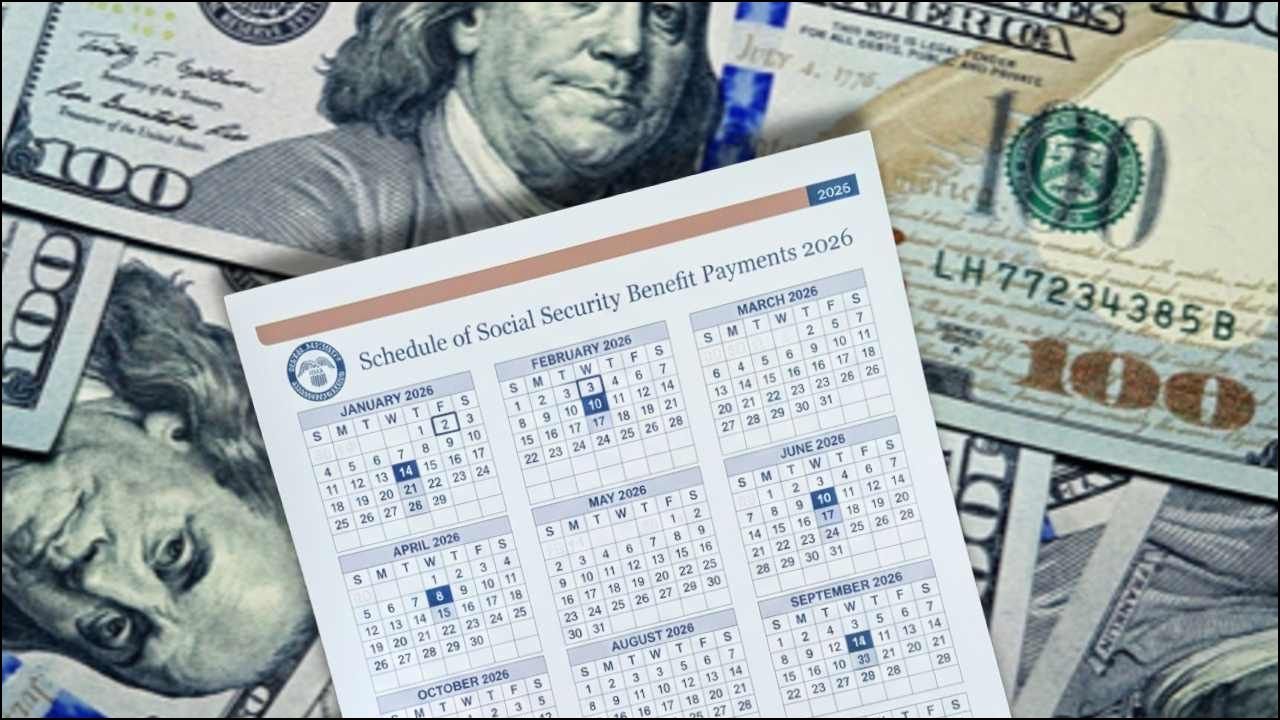

Receiving a tax refund often feels like a financial reward. Many people treat it as unexpected extra cash and quickly spend it on shopping, travel, or gadgets. While there’s nothing wrong with enjoying part of it, a tax refund can also be a powerful opportunity to strengthen your financial future.

Since this money comes from taxes you overpaid during the year, using it wisely can help improve your savings, reduce debt, and support long-term financial goals. A tax refund can serve as a valuable financial tool when used strategically. Instead of seeing it as spending money, think of it as a chance to improve your financial stability.
From building savings to investing for the future, there are several practical ways to put this money to work. By making thoughtful decisions, even a modest refund can create long-term benefits and reduce financial stress.
Table of Contents
Overview of Smart Tax Refund Uses
| Strategy | Purpose | Key Benefit |
|---|---|---|
| Build Emergency Fund | Save money for unexpected expenses | Financial security during emergencies |
| Pay Off High-Interest Debt | Reduce credit card or loan balances | Saves money on interest payments |
| Invest for Long-Term Growth | Put money into investments or retirement plans | Wealth creation through compounding |
| Save for Major Goals | Set aside funds for future plans | Helps achieve long-term financial goals |
| Invest in Yourself | Improve skills or education | Potential for higher income and career growth |
Build or Boost Your Emergency Fund
One of the smartest uses of a tax refund is strengthening your emergency fund. Unexpected expenses can arise at any time—medical bills, car repairs, job loss, or urgent home maintenance. Having a dedicated fund for emergencies can help you handle these situations without relying on credit cards or loans.
Financial experts often recommend maintaining savings that cover at least three to six months of essential living expenses. If you do not yet have an emergency fund, your tax refund can be the perfect starting point. Even a small amount saved now can make a significant difference later.
Keep your emergency fund in a secure and easily accessible account, such as a savings account. The goal is not high returns but financial protection. Over time, you can continue adding small contributions to strengthen this safety net.
Pay Off High-Interest Debt
Another smart way to use your tax refund is to reduce high-interest debt. Credit cards and personal loans often come with significant interest rates, which can quickly increase the amount you owe. Paying down these balances with your refund can save you money in the long run.
When you reduce debt, you lower the amount of interest that accumulates each month. This can make it easier to manage your finances and free up money for other priorities such as savings or investments.
Many people underestimate how powerful debt reduction can be. By using a tax refund to make a lump-sum payment, you can significantly shorten the time required to become debt-free.
Invest for Long-Term Growth
A tax refund can also be used to start or expand your investment portfolio. Investing allows your money to grow over time, especially when combined with the power of compounding.
There are several investment options to consider, depending on your financial goals and risk tolerance. These may include mutual funds, retirement accounts, or systematic investment plans. The key idea behind investing is allowing your money to work for you.
When you invest your refund rather than spending it immediately, you create the possibility of long-term wealth building. Over time, the returns generated by investments can grow significantly, helping you achieve financial independence.
For individuals who are new to investing, a tax refund can be an excellent starting point. It provides an opportunity to enter the investment world without affecting your regular monthly budget.

Save for a Big Financial Goal
Many people have financial goals they hope to achieve in the future. These goals might include purchasing a home, funding education, starting a business, or making a major purchase. A tax refund can help move you closer to these objectives.
Instead of letting the refund disappear through small purchases, consider allocating it toward a specific goal. This strategy helps build discipline and keeps your finances aligned with your long-term plans.
For example, if you are planning to buy a home in the future, placing your tax refund into a dedicated savings account for a down payment can accelerate your progress. Similarly, saving for higher education or professional training can open new opportunities in your career.
Setting clear financial goals also makes it easier to decide how to use future refunds or bonuses. Over time, these contributions can add up and make a meaningful difference.
Invest in Yourself
Not all investments are financial. Sometimes the most valuable investment you can make is in your own growth and development. Using your tax refund to improve your skills or education can lead to long-term career benefits.
Professional courses, certifications, or specialized training programs can enhance your knowledge and increase your earning potential. Learning new skills may also open doors to better job opportunities or career advancement.
In today’s competitive job market, continuous learning is essential. A tax refund can help cover the cost of courses, workshops, or training programs that strengthen your professional profile.
Beyond career growth, personal development investments can also improve confidence and productivity. Whether it is learning a new skill or upgrading existing ones, investing in yourself often produces lasting returns.
Making the Most of Your Tax Refund
While each of these strategies is valuable, you do not have to choose just one. Many financial experts recommend dividing your tax refund across several priorities.
For instance, you could allocate a portion toward savings, another part toward debt reduction, and keep a small amount for personal enjoyment. This balanced approach allows you to improve your financial health while still enjoying the reward of receiving a refund.
Planning ahead also helps ensure your refund is used wisely. Before the money arrives, decide how you want to distribute it. This prevents impulsive spending and helps you stay focused on long-term financial goals.
Conclusion
A tax refund may seem like extra cash, but it represents an opportunity to improve your financial future. Instead of spending it quickly, thoughtful planning can turn it into a powerful financial tool. Whether you choose to build an emergency fund, reduce debt, invest for long-term growth, save for important goals, or invest in your personal development, each option offers meaningful benefits.
Making smart choices with your tax refund can strengthen financial stability and create opportunities for the future. Even a modest amount, when used wisely, can make a lasting impact on your financial well-being.