
Step onto almost any busy American street and you’ll notice the same pattern: fast traffic, wide intersections, and very little room that actually feels comfortable for cyclists. For decades, most bike lanes were little more than thin white lines painted near parked cars. Drivers often overlooked them, and riders never fully trusted them.
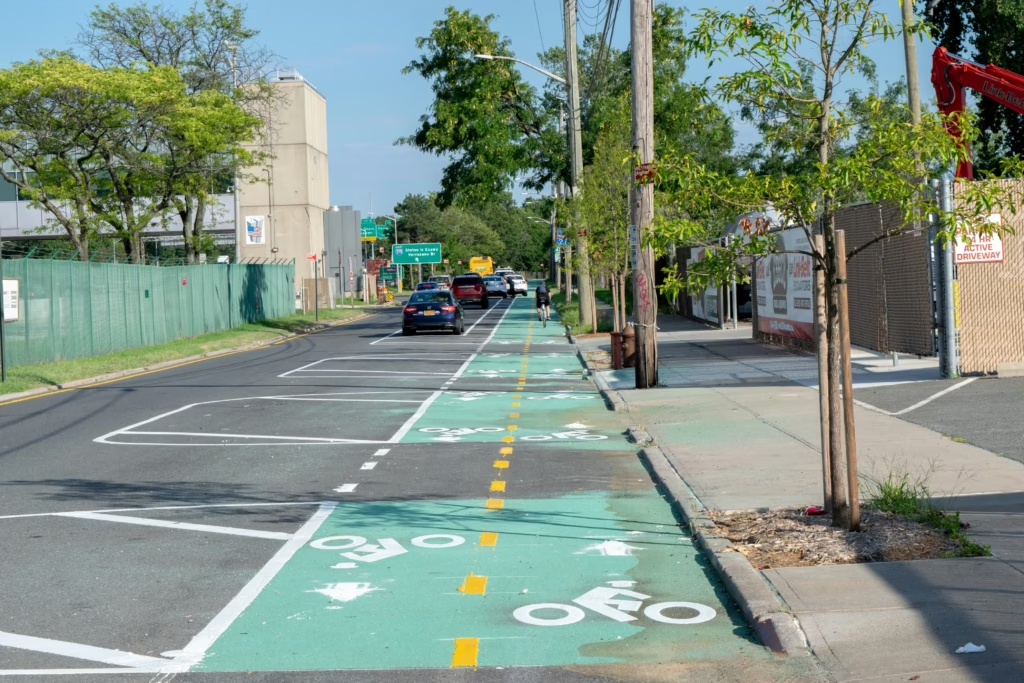
That’s why transportation planners are increasingly focusing on Green Safety Lanes. The purpose of Green Safety Lanes is not just decoration it is communication. Streets are visual systems, and when the road clearly shows where a bicycle belongs, drivers react differently. Over the past year, many U.S. cities have accelerated small, fast safety improvements rather than waiting for massive construction budgets. Road redesign has shifted from rebuilding entire streets to reshaping driver behavior. Instead of expensive concrete barriers, planners are using color, contrast, and visibility. Since most bicycle crashes happen where vehicles cross a rider’s path, these painted zones target the exact points where attention matters most.
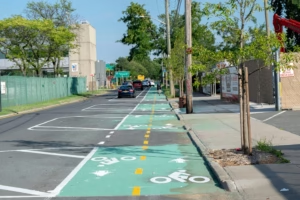
Green Safety Lanes are bright painted bike sections placed in conflict areas such as intersections, merging zones, and turning points. They do not replace bike lanes but strengthen them by making the cyclist’s path unmistakable. Drivers immediately recognize they are entering a shared space and instinctively slow down. Modern installations use reflective thermoplastic coatings so markings remain visible at night and during rain. Cities that implemented Green Safety Lanes noticed measurable behavior changes. Drivers yield more often, cyclists hold steadier positions, and new riders feel confident using streets they previously avoided. Because installation costs are far lower than constructing separated lanes, municipalities can upgrade many intersections within months rather than years.
Table of Contents
How Americans Bike Through Cities
| City & Region | Purpose Of The Green Lanes | Material Used | Observed Effects | Additional Notes |
|---|---|---|---|---|
| New York City & USA | Highlight turning conflict areas | Epoxy-based green coating | Reduced driver encroachment | Applied on busy avenues |
| Chicago & USA | Improve driver awareness | Thermoplastic surface | Higher yielding rates | Paired with warning signs |
| San Francisco & USA | Protect heavy commuter corridors | Colorized asphalt | Fewer reported collisions | Used on major bike routes |
| Portland & USA | Encourage daily commuting | Reflective pavement paint | Increased rider confidence | Early adoption city |
| Washington D.C. & USA | Improve intersection safety | High-friction coating | Slower turning vehicles | Often combined with bike signals |
Why Cities Started Using Colored Bike Lanes
- Transportation engineers discovered a simple but important issue: standard bike lane markings were technically correct yet practically ineffective. White paint blends into asphalt, especially during glare, rain, or heavy traffic. Drivers focused on signals and other cars, not bicycles. Green Safety Lanes solve a visibility problem. Human vision reacts strongly to contrast. When a driver approaches a bright green section of pavement, the brain recognizes a change in road priority before reading any sign. This instinctive reaction causes drivers to reduce speed and check surroundings.
- Cost is another major factor. Building a fully separated bike track requires drainage adjustments, curb construction, and often lengthy approval processes. Installing Green Safety Lanes can happen overnight. For budget-limited cities, that difference is crucial. Urban planners also learned something important: behavior changes faster through design than enforcement. A police officer cannot monitor every intersection, but road markings guide actions continuously.
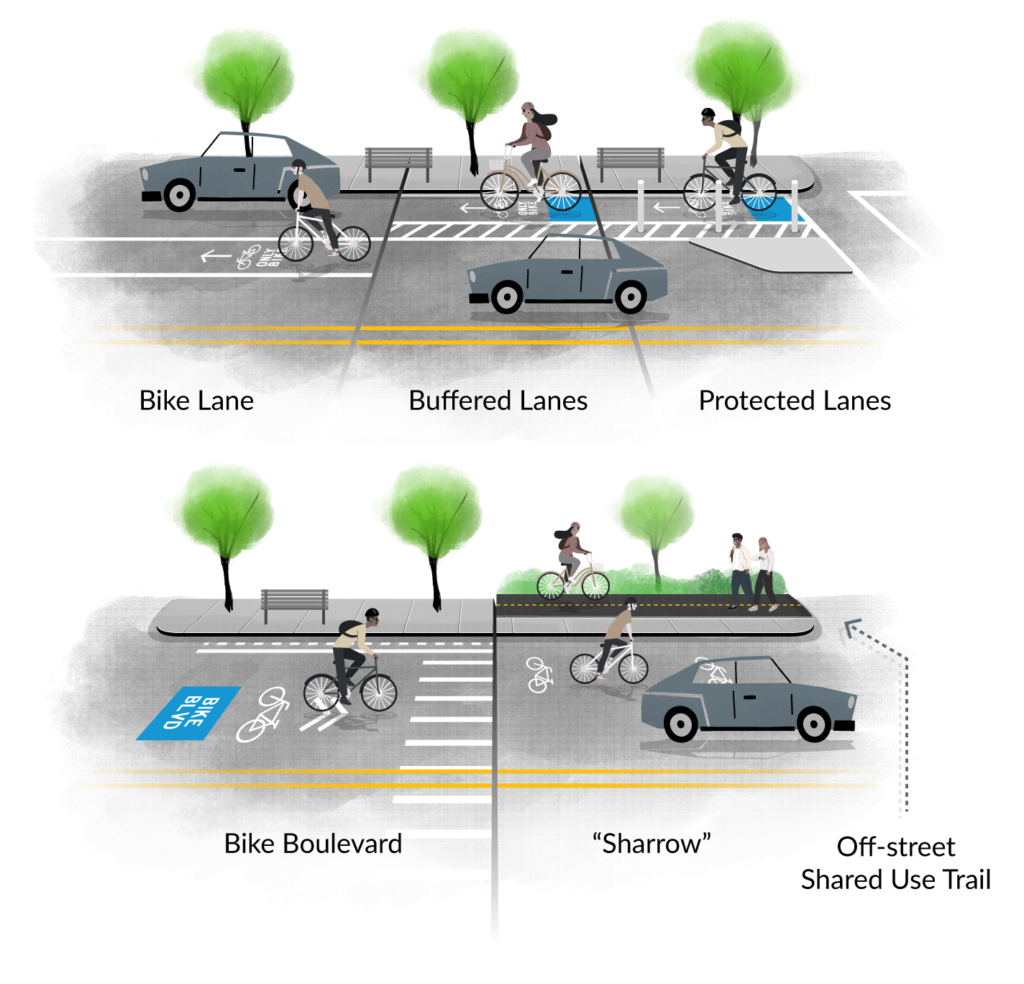
Do They Actually Improve Safety
Data collected by city transportation departments shows consistent trends after Green Safety Lanes are installed. The most noticeable reduction occurs in turning collisions, particularly right-turn conflicts where a car crosses a cyclist’s path.
Commonly observed improvements include:
Drivers check mirrors more frequently
Turning speeds decrease
Cyclists ride straighter paths
Yielding behavior improves
The psychological effect is significant. When riders clearly understand their route, hesitation disappears. Predictable rider movement then helps drivers anticipate actions, which further reduces crash risk.
Where The Design Matters Most
Green Safety Lanes are not painted continuously along entire roads. Engineers focus on specific locations where accidents typically occur.
Intersections
Intersections are the highest-risk points for cyclists. The painted crossing shows that the bike lane continues through the junction, reminding drivers to look before turning.
Driveways And Parking Entrances
Cars exiting parking lots often overlook cyclists. A bright lane crossing the driveway signals a bicycle route before the vehicle enters traffic.
Bus Stops
Buses frequently cross bike paths while stopping. The colored zone warns both bus operators and cyclists to expect interaction.
Merge Zones
Where bike lanes narrow or shift, Green Safety Lanes guide cyclists and notify drivers that bicycles may merge into traffic.
Costs And Maintenance
Green Safety Lanes are relatively affordable but still require planning. Installation involves surface cleaning, primer application, and specialized coatings designed to resist wear.
Typical maintenance factors include:
- Traffic volume
- Weather exposure
- Snow removal equipment
- Sun fading
Thermoplastic coatings last longer but cost more initially. Standard paint costs less but needs more frequent repainting. Most cities refresh markings every one to three years. Even with maintenance, transportation departments consider the approach cost-effective because preventing a single serious crash offsets repainting expenses.
Public Reaction and Community Impact
Initial reactions often include confusion. Drivers wonder if the lanes reduce space for vehicles, and residents question whether cyclists will actually use them. Within months, opinions typically shift. Cyclists adopt the routes quickly. Casual riders begin short trips to nearby stores or schools. Parents feel more comfortable allowing teenagers to ride locally. Small businesses sometimes report increased local visits because bicycles stop more easily than cars. Drivers also benefit. Predictable cyclist movement reduces sudden braking and unexpected swerving. Streets become calmer and more organized.
Limitations Of The Approach
Green Safety Lanes improve communication but do not provide physical protection. They work best on city streets with moderate speeds.
They are less effective on:
- High-speed arterial roads
- Multi-lane highways
- Rural roads without traffic calming
In those environments, separated bike paths or barriers are still necessary. However, for dense urban areas, Green Safety Lanes provide immediate improvement without major construction.
A Cultural Shift In Street Design
- For decades, American road design prioritized vehicle speed and traffic flow. The introduction of Green Safety Lanes reflects a broader shift in thinking. Streets are being redefined as shared public spaces rather than car-only corridors.
- Design shapes behavior. A wide empty road encourages acceleration. A visually segmented road encourages caution. Colored pavement quietly signals that bicycles are legitimate road users.
- Cities pursuing cleaner air, reduced congestion, and healthier transportation habits increasingly support cycling networks. But infrastructure only succeeds if people feel safe using it. Visibility creates confidence, and confidence increases ridership.
What This Could Mean for The Future
- Green Safety Lanes often act as the first phase of a larger mobility plan. When cycling rates increase, cities gain public support for permanent protected lanes. Transportation trends in 2026 show steady growth in micromobility, including bicycles, e-bikes, and scooters. As more users share streets, clarity becomes essential. Visual safety tools can be deployed faster than major infrastructure projects.
- Small design changes can trigger large behavioral shifts. When commuters feel comfortable riding to work or school, daily travel habits change. Over time, that reduces congestion, lowers emissions, and improves public health. The impact goes beyond cycling. Safer streets encourage walking, outdoor activity, and neighborhood interaction. What appears to be a simple paint treatment is actually part of a long-term redesign of urban life.
FAQs About How Americans Bike Through Cities
What Are Green Safety Lanes
They are bright painted bicycle markings placed in areas where cars and bikes interact, helping drivers recognize cyclist priority zones.
Are Green Safety Lanes Better Than Regular Bike Lanes
They improve visibility and driver awareness, which reduces turning conflicts compared to traditional white-line bike lanes.
Do They Replace Protected Bike Lanes
No. They improve safety through visibility but do not provide physical separation like barriers or curbs.
Why Is the Color Green Used
Green offers strong contrast against asphalt and has become an internationally recognized color for bicycle movement areas.