
Leonardo Used a Wood-Charring Technique: When most folks think of Leonardo da Vinci, they picture the Mona Lisa, flying machines, or maybe anatomical drawings. But hidden deep in one of his notebooks — the Codex Madrid II — is a single line that’s catching the attention of architects, engineers, and sustainability pros in 2026. He wrote that wood would last longer if you “strip the bark and scorch the surface.” That simple note? It matches up almost perfectly with a technique modern architects now use — and that Japanese artisans have practiced for centuries — called yakisugi or shou sugi ban. Let’s unpack what Leonardo observed, how it connects with modern building science, and what builders, designers, and even DIYers can learn from this 500-year-old idea.
Table of Contents
Leonardo Used a Wood-Charring Technique
Leonardo da Vinci’s one-sentence wood note seems small — but it reflects a deep truth about science, nature, and timeless design. By observing how wood reacts to heat, he tapped into a preservation method that still serves builders and designers 500 years later. What makes it remarkable isn’t just that he figured it out — but that his curiosity and hands-on testing mirror the same values we prize today in sustainable design:
- Work with nature
- Use less synthetic material
- Preserve what you build
- Think long-term
In the end, that’s what makes Leonardo feel not just like a genius of the past, but a colleague for modern professionals working toward a better, greener, and more resilient future.
| Topic | Detail |
|---|---|
| Leonardo’s Wood Insight | Observed that stripping bark and charring wood improves durability |
| Comparable Technique — Yakisugi | Traditional Japanese method of wood preservation using fire |
| Moisture Reduction Benefit | Surface charring can reduce water absorption by ~20% in some wood types |
| Fire/Decay Resistance | Results vary; some species improve, others do not |
| Modern Uses | Applied in green architecture, fences, siding, interiors |
| Sustainability Relevance | Charring reduces reliance on chemical preservatives |
A Hidden Line With Big Impact of Leonardo Used a Wood-Charring Technique
Leonardo da Vinci didn’t write essays — he sketched, observed, and jotted down insights across hundreds of pages. In Codex Madrid II, dated around 1503–1505, he wrote about tree durability:
“If you strip off the bark and scorch the surface, it will preserve better than any other method.”
This might seem minor, but to those in material science and architecture, it’s strikingly similar to yakisugi, a Japanese wood preservation technique developed over a century later.
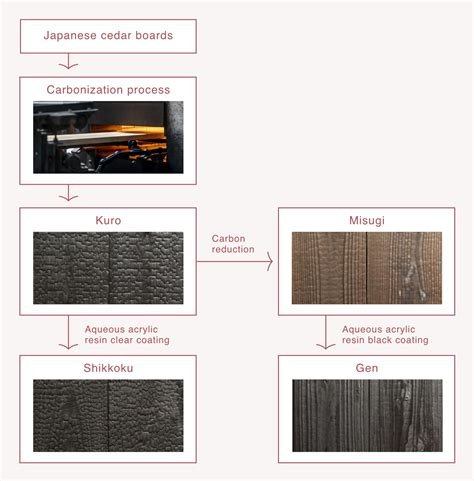
In yakisugi, artisans char the surface of cedar boards using open flames. The process creates a carbonized layer that protects the wood from moisture, insects, mold, and even UV rays. It also gives the wood a signature black finish that’s become popular in modern architecture.
Leonardo described this concept independently — without any known contact with Japanese methods. That kind of coincidence is what researchers call cultural convergence: when different people, separated by geography or time, develop similar solutions to the same problem.
Understanding the Science Behind Wood-Charring Technique
Let’s walk through what actually happens when you char wood — and why it might have caught Leonardo’s attention.
1. Bark Removal Matters
Bark acts like a sponge. It holds onto moisture, provides food for pests, and can cause decay to begin at the surface. Removing it helps wood dry out evenly and last longer.
2. Charring Forms a Carbon Shield
Charring wood turns its surface to carbon. Carbon is hydrophobic, meaning it repels water — and that’s key. Less water absorption means less chance of swelling, rotting, or fungal invasion.
3. Natural Insect Deterrent
Carbonized layers are less tasty to bugs. Termites, beetles, and ants tend to avoid charred surfaces, making it a natural defense system without chemical treatments.
4. Aesthetic + Protective Value
The rich black texture of yakisugi is prized in minimalist and naturalistic architecture. More importantly, the process eliminates the need for synthetic stains or preservatives.
What Modern Studies Say About Charred Wood?
Is it just old-school wisdom — or does charring wood hold up to modern scrutiny?
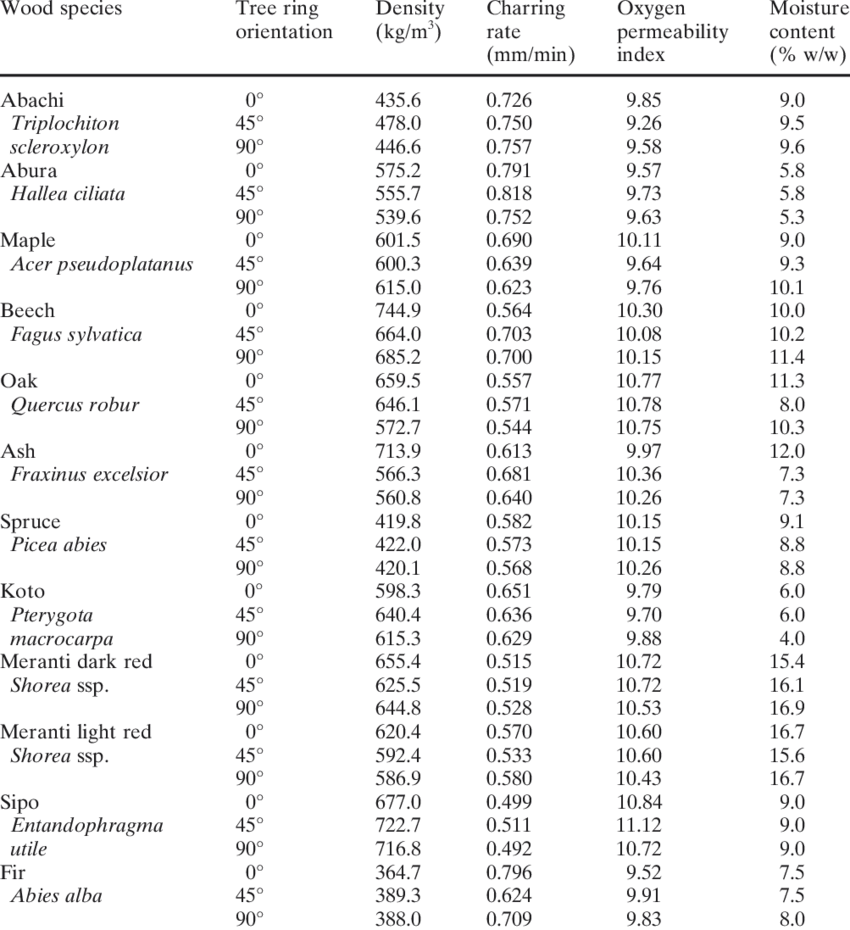
Researchers today are running controlled tests on charred wood to see how it performs. Here’s what the science tells us:
- A study on charred beech wood found that moisture absorption was reduced by nearly 20% in charred samples versus untreated wood.
- Another test showed that water uptake decreased by over 15% in boards treated with moderate surface charring.
- However, a broader 2021 study on shou sugi ban siding revealed that fire resistance and decay prevention were not consistent across wood species. Some charred woods outperformed untreated samples, while others degraded faster in field conditions.
So, charred wood isn’t a universal fix. It depends on how deep the charring is, what species you’re using, how it’s sealed (if at all), and what kind of climate the wood will face.
Leonardo vs Yakisugi: Coincidence or Genius?
What’s amazing is that Leonardo’s conclusion matched what Japanese builders also figured out — centuries before they shared it globally. In Japan, yakisugi developed as a practical, local method for preserving homes and temples built from abundant Japanese cedar.
Leonardo likely came to his idea through observing local European trees and building practices. But he understood the same core truth: Fire changes wood — and sometimes for the better.
This makes his note not only impressive but relevant. It’s a glimpse into how empirical thinking — careful observation and experimentation — can produce discoveries still applicable hundreds of years later.
How Wood-Charring Technique Fits into Today’s Sustainable Architecture?
In a world facing the climate crisis, choosing sustainable materials matters. Wood is increasingly seen as a carbon-smart building material, especially when responsibly harvested.
Charring wood helps it last longer without relying on chemical preservatives. That makes it safer for the environment and better for indoor air quality — especially in green-certified buildings (like LEED or Passive House).
It also saves on maintenance. When done right, charred wood can go decades with little need for repainting, staining, or sealing, cutting down on long-term costs.
This aligns with Leonardo’s principle: let natural materials protect themselves, with as little human intervention as possible.
Practical Guide: How Builders Use Charred Wood Today
So how do modern designers actually use charred wood?
1. Siding & Cladding
Charred cedar is popular for exterior siding in high-end homes, especially in regions like the Pacific Northwest or Scandinavia. It adds texture, drama, and durability.
2. Decking & Fencing
Backyard fencing made with yakisugi-style planks can resist the elements better — and you don’t need to repaint every season.
3. Interior Design
Some architects use lightly-charred wood for interior walls or ceilings. It adds a modern rustic vibe while maintaining healthy indoor air quality.
4. Furniture Making
Craftsmen have started using this technique in chairs, stools, and tables for added contrast and preservation without chemicals.
Just like Leonardo might’ve seen in shipbuilding or rural carpentry, today’s professionals value long-lasting, low-maintenance wood with a distinct natural beauty.
The DIY Factor — Is This Safe for Home Use?
Yes — with proper safety steps. DIY wood charring is a growing trend among builders and homeowners.
Here’s a quick how-to:
- Strip the bark or prep your board.
- Use a propane torch in a well-ventilated outdoor space.
- Heat the wood evenly until the surface turns black (but doesn’t catch fire).
- Let it cool, then brush off the loose char with a wire brush.
- Optionally, seal with natural oils like linseed or tung oil.
Safety gear is a must — gloves, eyewear, and a fire extinguisher should be on hand at all times.
Beyond Yakisugi: Other Historical Techniques
Leonardo and Japan weren’t the only ones to experiment with charring. Across different cultures, burning or smoking wood was a traditional preservation method:
- Scandinavian builders sometimes charred the ends of fence posts before driving them into the ground.
- Indigenous communities in North America used fire to hollow out canoes from logs — which also hardened the wood.
- 19th-century barn builders occasionally used torching to resist rot at structural joints.
These examples show that knowledge of fire’s power to preserve wasn’t rare — but Leonardo was one of the few to write it down so clearly.
Scientists Worry a New AI Tool Could Flood Research With Low-Quality Studies
Scientists Worry a New AI Tool Could Flood Research With Low-Quality Studies
A 4500-Year-Old Arctic Voyage Reveals the Earliest High-Latitude Sailors