
Marine researchers have documented a Rarely Seen Starfish during an exploration of the South Atlantic Ocean near Argentina. The animal was recorded thousands of meters below the surface using robotic cameras, part of a broader scientific mission that observed dozens of unusual marine species. The finding offers fresh evidence that large parts of Earth’s deep ocean remain unknown to science.
Table of Contents
Rarely Seen Starfish in the Atlantic Ocean
| Key Fact | Detail/Statistic |
|---|---|
| Location | Mar del Plata submarine canyon, South Atlantic Ocean |
| Depth | About 4,000 meters (13,000 feet) |
| Biodiversity | More than 40 organisms recorded |
| Technology | Remotely operated vehicle (ROV) imaging |
Researchers expect future surveys to reveal additional species in the region. As exploration expands, scientists say international cooperation will be necessary to balance scientific discovery with environmental protection of the world’s least understood ecosystem.
What Scientists Found
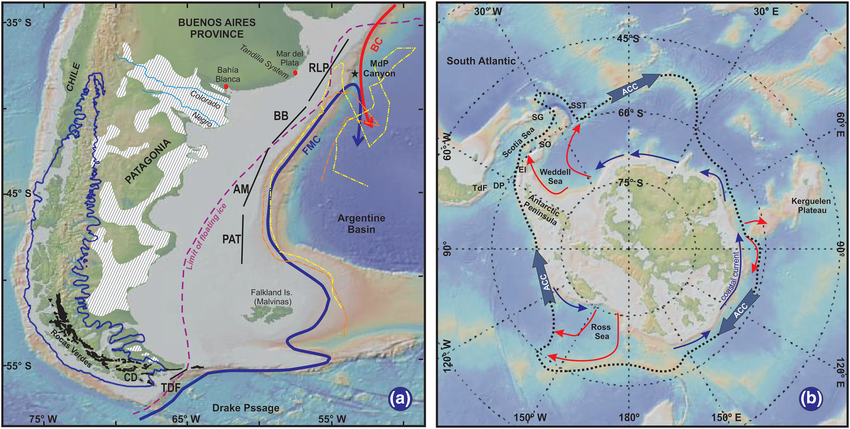
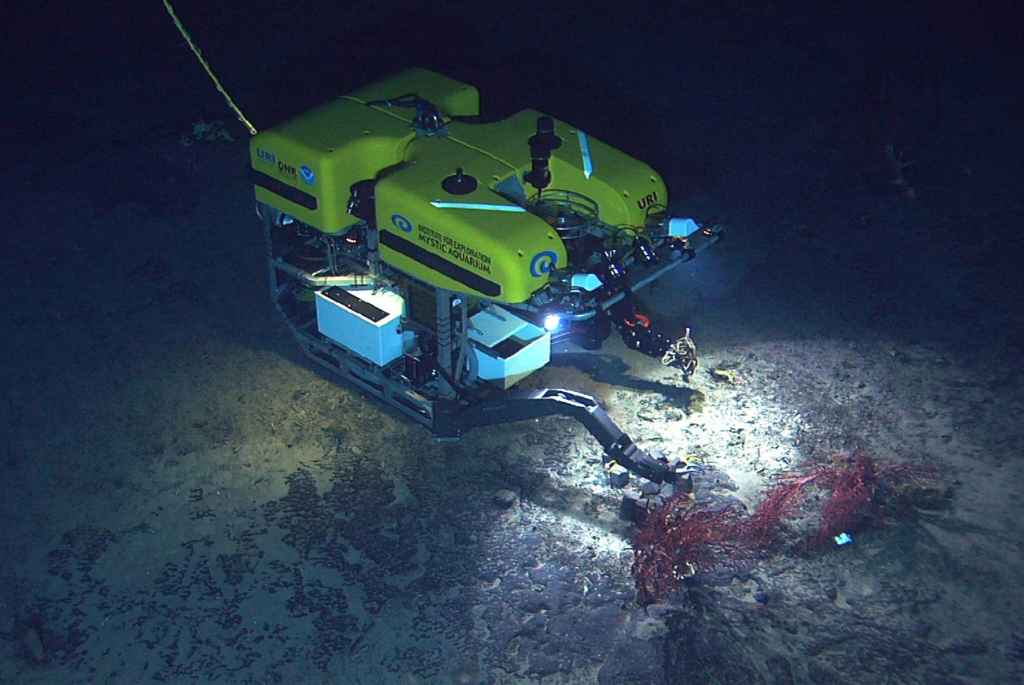
The expedition surveyed the Mar del Plata submarine canyon, a deep underwater valley carved into the continental margin off Argentina’s coast. Scientists launched a remotely operated vehicle equipped with cameras, robotic arms, and environmental sensors.
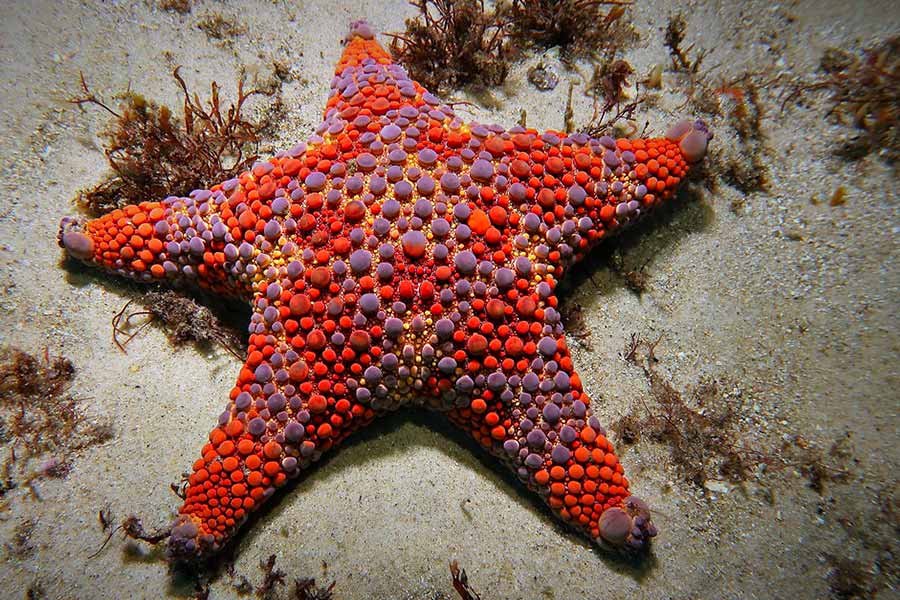
During the mission, the cameras recorded a large, rounded starfish belonging to the genus Hippasteria. The Rarely Seen Starfish appeared attached to rocky terrain on the seafloor, surrounded by sponges and cold-water corals.
Researchers explained that the deep ocean environment is extremely harsh. Temperatures are just above freezing, oxygen levels can vary, and sunlight never reaches these depths.
“This is a habitat we almost never directly observe,” said a marine biologist participating in the expedition. “Each dive gives us a glimpse into ecosystems that have existed for millions of years but remained beyond human reach.”
The pressure at the site exceeds 400 atmospheres — enough to crush most human-made equipment. For decades, scientists relied on dredging nets, which often damaged delicate species and provided limited ecological information. High-definition video now allows observation without disturbing marine life.
Why the Rarely Seen Starfish Matters
Deep-sea starfish are not just isolated curiosities. They play an essential role in maintaining ecological balance on the ocean floor.
These animals are both predators and scavengers. They feed on invertebrates, including mollusks, corals, and sponges. By limiting dominant species, they help preserve biodiversity.
Marine ecologists say starfish act as “keystone species,” meaning their presence influences the survival of many other organisms. Removing such predators can dramatically alter ecosystems.
Scientists also emphasize an important clarification: the Rarely Seen Starfish is not newly evolved. It likely existed long before humans.
Instead, the discovery reflects a technological milestone — humans are finally capable of observing deep-ocean habitats directly.
Technology Behind the Discovery (deep-sea robotics)
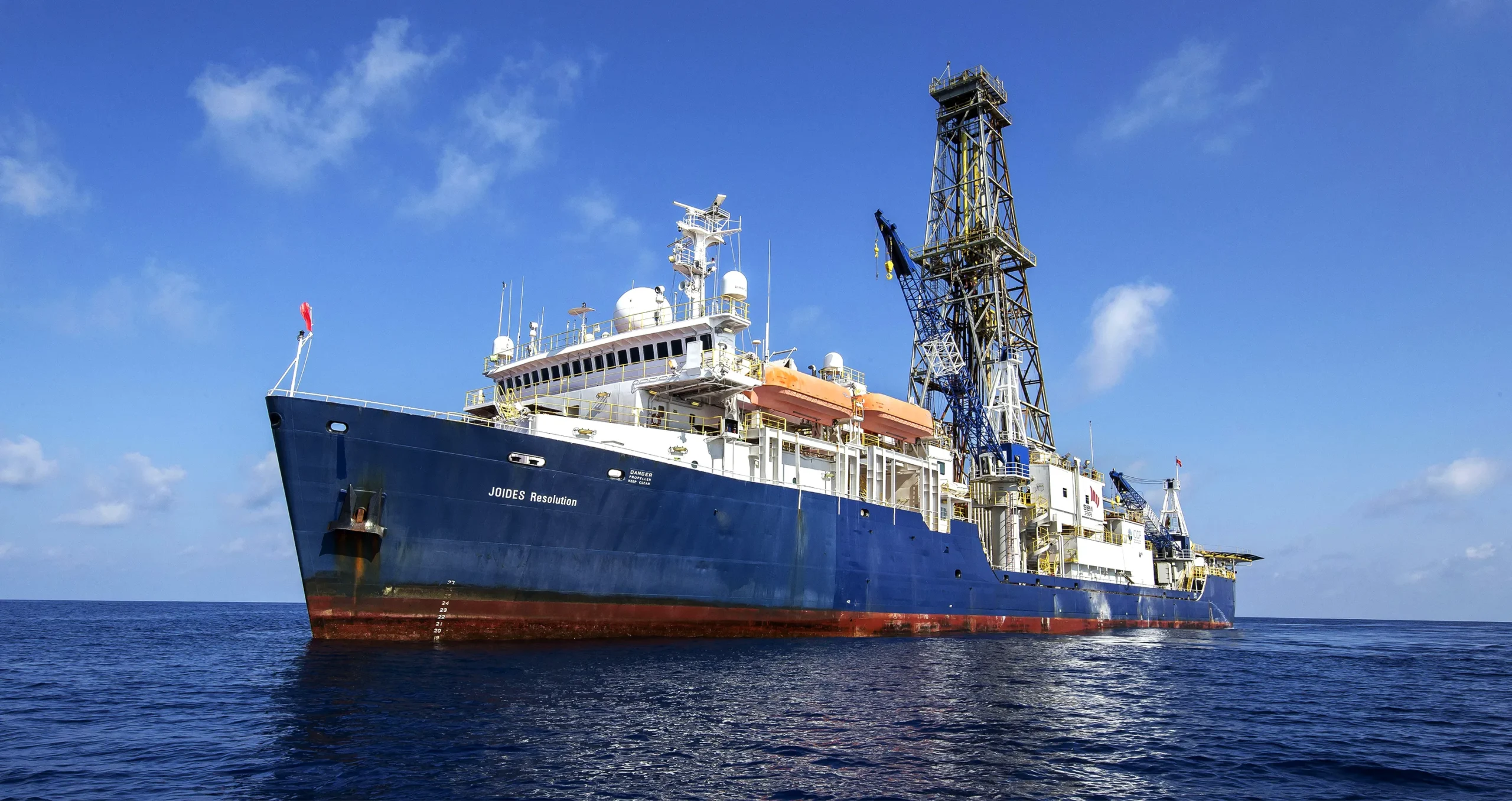
The expedition relied on deep-sea robotics. The remotely operated vehicle was connected to a research ship by a long fiber-optic cable that transmitted live video and control signals.
Operators aboard the vessel piloted the robot using joysticks while scientists watched real-time footage on monitors.
The ROV carried:
- HD video cameras
- LED floodlights
- Water chemistry sensors
- Robotic sampling arms
Unlike trawling methods, robotic exploration avoids habitat destruction. It also allows scientists to record behavior, such as feeding patterns and movement.
Ocean engineers say modern submersibles can operate continuously for many hours and travel along steep underwater cliffs, making them essential tools for marine science.
Broader Discovery: Deep-sea Biodiversity
The Rarely Seen Starfish was only one of many species observed during the expedition.
Scientists documented:
- glass sponges
- sea cucumbers
- deep-water corals
- unusual crustaceans
- rare fish species
Some organisms may represent species new to science, though classification requires laboratory analysis.
The discovery supports a growing scientific consensus: the deep sea is one of the most biodiverse environments on Earth, despite its darkness and extreme conditions.
Researchers estimate that over 80% of the global ocean floor remains unmapped in detail. This means thousands — possibly millions — of species may still be undocumented.
Conservation Implications (marine conservation)
The finding has policy implications as well as scientific value.
In recent years, governments and companies have explored deep-sea mining for minerals such as cobalt and nickel used in batteries and electronics. The areas targeted often overlap with sensitive habitats.
Marine conservation organizations warn that deep-sea ecosystems recover extremely slowly. Some corals grow only a few millimeters per year.
Disturbing seabed sediment can bury organisms and disrupt food chains.
“Damage could last centuries,” said an environmental policy researcher working on international ocean protection initiatives. “We are considering industrial use of areas we barely understand.”
The discovery of the Rarely Seen Starfish strengthens arguments for precautionary regulation.
Scientific Context
Deep-sea ecosystems operate very differently from shallow reefs.
There is no photosynthesis. Instead, organisms depend on “marine snow,” tiny particles of organic matter that drift downward from surface waters. Some regions also rely on chemical energy from hydrothermal vents or decaying organic material.
Because food is scarce, deep-sea animals often grow slowly and conserve energy. Many species have flexible bodies and reduced skeletons to withstand pressure.
The Rarely Seen Starfish’s rounded shape may help it cling to vertical rock or envelop prey.
Researchers believe species in this genus feed on stationary organisms such as soft corals and sponges.
How Scientists Identify New Marine Species
After an expedition, scientists analyze:
- high-resolution photographs
- tissue samples
- skeletal structure
- DNA sequencing
Genetic analysis is increasingly important. Even animals that look similar may be different species genetically.
If confirmed new, a species receives a formal scientific name and description published in a peer-reviewed journal.
This process can take months or years.
Global Significance
Oceanographers note that deep-sea discoveries matter beyond marine biology.
The deep ocean influences:
- climate regulation
- carbon storage
- nutrient cycles
Deep-sea organisms help store carbon by consuming organic matter and trapping it in sediments. This process affects atmospheric carbon dioxide levels and long-term climate patterns.
Understanding biodiversity therefore supports climate science as well as conservation policy.
Looking Ahead
Scientists plan additional missions to map the canyon and neighboring seabed. Researchers hope repeated visits will reveal seasonal patterns and migration behavior.
Technological improvements, including autonomous underwater vehicles and artificial intelligence image recognition, may accelerate discovery rates.
For now, the Rarely Seen Starfish serves as a reminder that exploration is far from complete.
“Every expedition changes what we think we know about the ocean,” one expedition scientist said. “We are still at the beginning of deep-sea science.”
FAQs About Rarely Seen Starfish in the Atlantic Ocean
Is the Rarely Seen Starfish dangerous?
No. It lives far below human diving depth and poses no risk to people.
Why haven’t we seen it before?
The animal lives roughly 4 kilometers underwater, beyond the reach of divers and most earlier equipment.
Could there be more unknown animals?
Yes. Scientists believe a large percentage of deep-sea species remain undiscovered.