
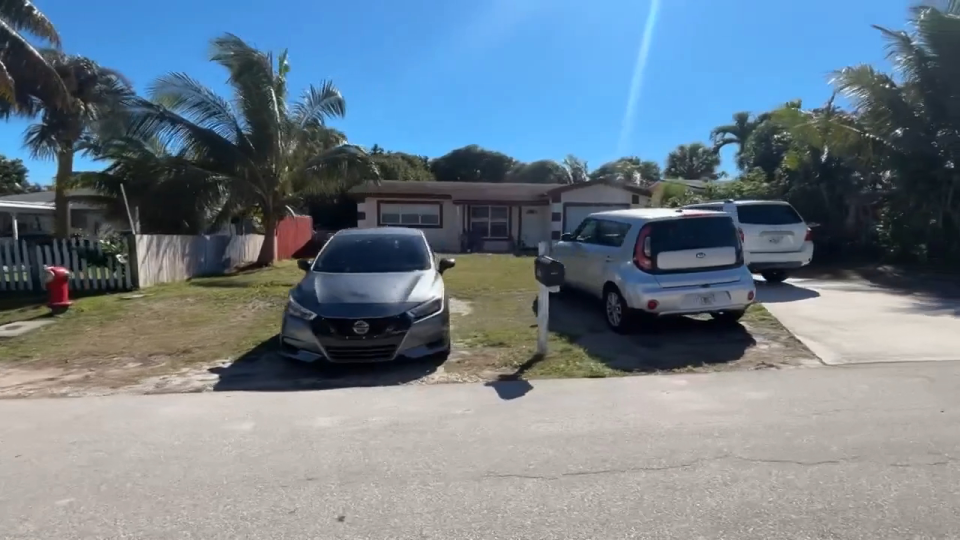
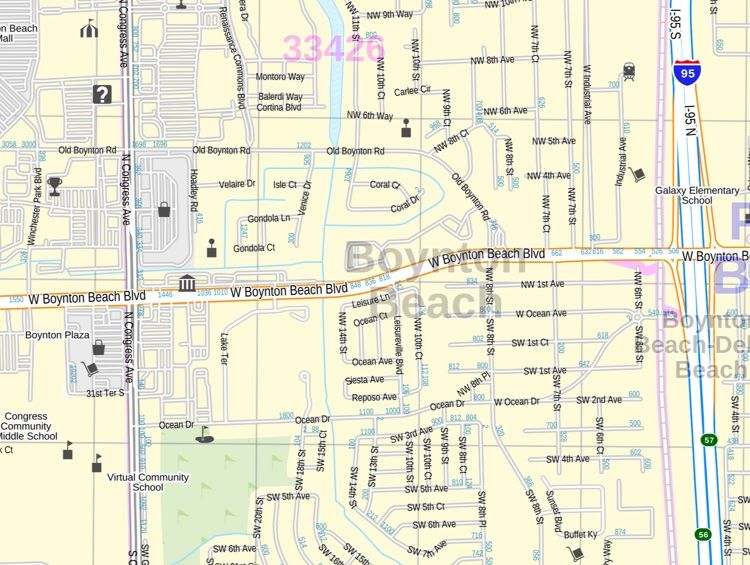
A New Parking Regulation in Boynton Beach, Florida, took effect February 1, 2026, allowing the city to immediately fine residents who park vehicles on grass, swales, or unapproved portions of their own property. Officials say the measure improves emergency access and drainage, while homeowners argue it restricts property use and exposes families to repeated penalties.
Table of Contents
New Parking Regulation in Part of Florida Takes Effect
| Key Fact | Detail |
|---|---|
| Effective Date | February 1, 2026 |
| Standard Fine | About $25 per violation |
| Restricted Parking Areas | Lawns, swales, easements, non-paved yards |
For now, enforcement continues while officials collect feedback. City leaders say revisions remain possible after reviewing data and community response. The ordinance illustrates a broader challenge facing many American suburbs: balancing property rights, infrastructure limits, and public safety in neighborhoods designed for a different era of transportation.
What the New Parking Regulation Requires
Under the ordinance, residents may park vehicles only on approved surfaces, such as paved driveways or designated parking areas.
The New Parking Regulation prohibits parking on:
- grass lawns
- landscaped front yards
- drainage swales
- easements adjacent to streets
- any unpaved portion of residential lots
City planners classify swales — the strip between sidewalk and road — as part of the public right-of-way infrastructure, even though homeowners maintain the grass.
“Parking on swales damages drainage and creates hazards for pedestrians and emergency crews,” a Boynton Beach code compliance officer said during a city commission session recorded in public minutes.
The rule applies citywide in residential zones and is enforced through civil citations.
Why the City Passed the Ordinance
City officials say the regulation responds to population growth and changing transportation patterns.
Boynton Beach’s population has increased steadily over the past two decades, according to U.S. Census Bureau estimates. With that growth came increased vehicle ownership. Many households now operate three or more vehicles.
Officials cite three main concerns:
1. Emergency Response Access
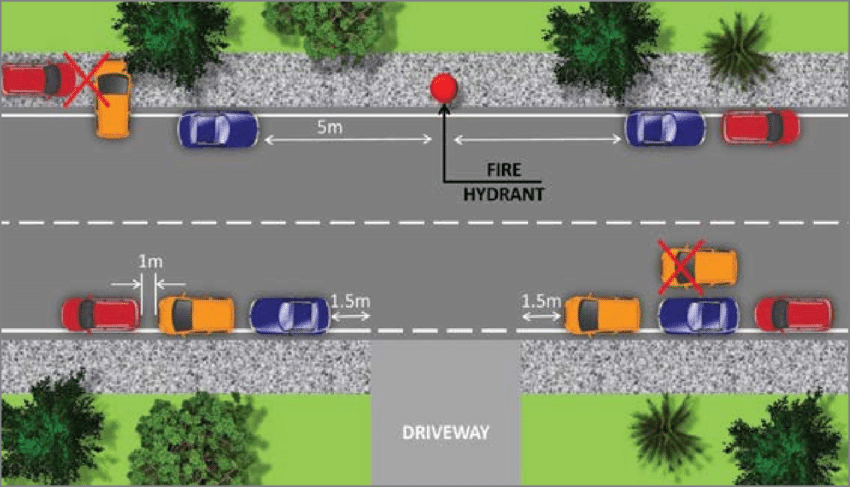
Fire rescue officials reported difficulty navigating narrow neighborhood streets where vehicles extended into roadway clearance zones.
“Seconds matter during a medical emergency,” a Palm Beach County Fire Rescue spokesperson said at a city workshop. “Blocked access can delay treatment.”
2. Flood Drainage
South Florida experiences intense rainfall. Swales act as drainage channels designed to prevent flooding.
Parking compacts soil and blocks water flow. Engineers say repeated damage increases flood risk during storms.
3. Pedestrian Accessibility
City planners say vehicles parked partly on lawns or sidewalks force pedestrians, strollers, and wheelchair users into streets.
Accessibility advocates note that federal disability standards require safe sidewalk access.
Urban planning scholar Dr. Michael Rivera of Florida Atlantic University explains:
“What looks like private yard space often serves a public engineering purpose. Municipalities regulate it because it affects safety beyond the property line.”
Immediate Fines and Enforcement
The New Parking Regulation authorizes enforcement officers to issue tickets immediately upon observing violations.
The standard civil penalty:
- approximately $25 per occurrence
- higher penalties for repeated violations
- potential administrative hearings for continued non-compliance
Importantly, enforcement is administrative, not criminal. No arrest or criminal record results from violations.
City officials say officers may initially educate residents but retain authority to fine immediately.
Enforcement is handled by the code compliance division, not the police department.
Residents Push Back
Public meetings drew large attendance as homeowners expressed frustration.
Many residents say driveway space is insufficient for multi-generation households, roommates, or working families.
A resident speaking at a city commission meeting stated:
“We’re not trying to break the law. We just have more cars than driveway.”
Others say widening driveways can cost thousands of dollars and requires permits.
Some also argue the regulation contradicts homeowner expectations.
“I mow it, I water it, I pay taxes on it — and now I can’t park there,” another resident told local reporters.
Property Rights vs Public Safety
The debate highlights a broader legal question: how far municipal authority extends into private property.
Municipal attorneys say the New Parking Regulation falls under police power, a long-standing legal doctrine allowing local governments to regulate land use for health and safety.
Courts have historically upheld similar rules across the United States.
According to land-use legal research published by the American Planning Association, cities can regulate property use if the rule:
- serves public safety
- applies equally
- is not arbitrary
Swales and easements frequently remain city-owned despite homeowner maintenance responsibilities.
How Common Are These Laws?
The New Parking Regulation is not unique.
Similar ordinances exist in:
- Orlando, Florida
- Tampa, Florida
- Phoenix, Arizona
- parts of California suburbs
Urban planners say the issue reflects car-dependent suburban design.
Neighborhoods built in the 1960s–1980s often assumed:
- one or two vehicles per household
- fewer residents per home
Today, economic factors, shared housing, and adult children living at home increase vehicle density.
Transportation researcher Karen Liu explains:
“Infrastructure didn’t grow with household vehicle ownership. Cities are adjusting regulations instead of rebuilding streets.”
Economic Impact on Residents
The regulation may create unexpected financial effects.
Residents unable to park legally may need to:
- expand driveways
- rent off-site parking
- reduce vehicles
Contractors estimate driveway expansions can cost between $3,000 and $12,000 depending on permits and materials.
Insurance companies also monitor street congestion. Some risk analysts say blocked streets increase accident liability exposure.
Meanwhile, city officials argue the ordinance may protect property values by improving neighborhood appearance and infrastructure function.
Enforcement Concerns
Civil liberty groups often scrutinize municipal enforcement policies.
Common concerns include:
- selective enforcement
- complaint-based citations
- unequal impact on lower-income households
City officials say enforcement will follow standardized procedures and documentation requirements.
A city spokesperson stated:
“The purpose is compliance, not revenue generation.”
Municipal budget documents show parking citations represent a small fraction of city income.
Broader Policy Context
The New Parking Regulation connects to a national policy shift.
American cities are reevaluating:
- parking minimums
- street usage
- pedestrian access
Some cities are loosening parking rules to encourage transit. Others tighten residential restrictions to maintain emergency access.
Experts say both policies respond to the same issue — car congestion in growing communities.
The U.S. Department of Transportation has encouraged cities to improve street safety under its Safe Streets initiative.
What Happens Next
City commissioners indicated they will monitor:
- citation numbers
- emergency response times
- resident complaints
Possible adjustments include grace periods or permit parking.
Officials also plan community workshops explaining the ordinance.
A city representative said:
“We will review how the New Parking Regulation works in practice and make changes if necessary.”
FAQs About New Parking Regulation in Part of Florida Takes Effect
Is this a statewide Florida law?
No. It applies only within Boynton Beach city limits.
Can I park on my lawn if I own the property?
No. The New Parking Regulation prohibits it.
Who issues citations?
City code enforcement officers.
Is it a criminal violation?
No. It is a civil code violation.
Can I challenge a ticket?
Yes. Residents may request a hearing before a code compliance magistrate.