
New Petroglyph Discoveries: Offer Insight Into Ancient Communities in ways that feel powerful, grounding, and honestly, long overdue. When we talk about rock carvings in the United States and around the world, we’re not just talking about old markings on stone. We’re talking about community memory, survival blueprints, spiritual teachings, and environmental knowledge passed down across generations. As someone who has worked alongside tribal historians, archaeologists, and land stewards across the Southwest, I can say this straight: these stones still speak — and modern science is finally listening better.
Across the American West — from New Mexico and Arizona to Utah, Nevada, and California — thousands of petroglyph sites are being reexamined with advanced tools like LiDAR scanning, drone mapping, and 3D modeling. Globally, recent discoveries dating back more than 12,000 years are expanding our understanding of migration and climate adaptation. Here at home, new studies are reshaping how we interpret Indigenous community structure, trade networks, and ceremonial life. This isn’t just academic curiosity. It has real implications for cultural preservation, environmental science, tourism, and federal land policy.
Table of Contents
New Petroglyph Discoveries
New Petroglyph Discoveries Offer Insight Into Ancient Communities by bridging ancestral knowledge and modern science. These carvings reveal migration patterns, astronomical systems, trade networks, and ecological intelligence that shaped Indigenous societies for thousands of years. Protected under federal law and guided increasingly by tribal leadership, rock art research continues to grow as a professional field. The message carved in stone is clear: respect the past, protect the present, and carry forward the knowledge with integrity.
| Topic | Details | Professional Insight |
|---|---|---|
| Definition of Petroglyphs | Rock carvings created by pecking or chiseling stone surfaces | Often connected to ceremony, navigation, seasonal cycles |
| Estimated Age | U.S. sites typically 1,000–5,000 years old; global finds exceed 12,000 years | Dating methods include radiocarbon, microerosion, varnish analysis |
| Number of U.S. Sites | 100,000+ documented rock art locations in western states | Cultural Resource Management (CRM) field expanding |
| Federal Protection Law | Archaeological Resources Protection Act (ARPA) | Violations can result in fines up to $250,000 |
| Official Resource | National Park Service | https://www.nps.gov |
Understanding Petroglyphs: More Than Just Rock Art
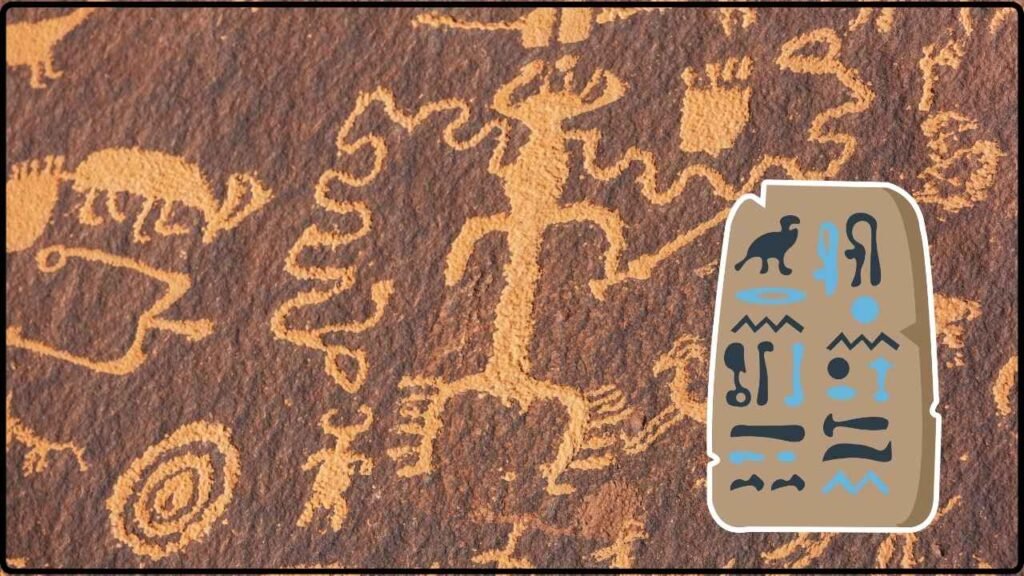
A petroglyph is an image carved directly into rock. The surface layer of desert stone, called desert varnish, darkens over time due to manganese and iron deposits. Ancient artists chipped through that dark coating to reveal lighter rock beneath, creating long-lasting imagery.
But here’s the thing — these carvings weren’t random doodles. They were intentional, layered, and culturally specific. Many Southwest tribal traditions, including Puebloan, Hopi, Zuni, Navajo, and Paiute histories, recognize rock art as part of ancestral storytelling systems.
At Petroglyph National Monument in Albuquerque, New Mexico, there are more than 25,000 recorded images. These carvings include:
- Spiral patterns tied to water or life cycles
- Animal figures such as bighorn sheep and deer
- Masked ceremonial beings
- Clan symbols
- Solar markers aligned with solstices
These images reflect community identity. They’re records of migration, belief systems, hunting success, and territorial boundaries. They’re historical documents — carved without paper.
Scientific Dating Methods: How Experts Determine Age
Dating petroglyphs isn’t simple. Unlike charcoal drawings that can be directly carbon dated, stone carvings require indirect methods.
Researchers commonly use:
Radiocarbon dating of nearby organic material
Microerosion analysis measuring weathering rates
Desert varnish dating analyzing mineral regrowth
Stratigraphic comparison with surrounding artifacts
According to research supported by the U.S. Geological Survey, varnish microlamination techniques can help estimate carving age by examining mineral deposits that accumulate after engraving.
Globally, recent discoveries in arid regions have pushed rock art timelines back to at least 12,000 years before present. In the U.S., most Southwestern petroglyphs are estimated between 1,000 and 5,000 years old, though some could be older.
For professionals, these dating techniques influence land use decisions, environmental assessments, and infrastructure planning.
What New Petroglyph Discoveries Reveal About Ancient Community Structure?
When multiple figures appear together in organized patterns, researchers interpret them as evidence of social coordination. Scenes depicting group hunts or ceremonial dances suggest structured leadership and cooperative labor systems.
At Chaco Canyon in New Mexico, some spiral carvings align with solar events such as equinoxes and solstices. That indicates astronomical knowledge embedded in community planning.
This tells us something critical: ancient Indigenous communities were not primitive. They were astronomers, engineers, environmental observers, and cultural historians.
That narrative shift matters — especially in education and policy.
Migration and Trade Networks Across the Southwest
Petroglyph sites often sit near natural travel corridors — riverbeds, canyon passes, desert springs. These weren’t random placements.
In Nevada’s Valley of Fire State Park, carvings mark pathways connecting seasonal hunting grounds. Archaeologists believe such sites functioned as communication hubs, guiding travelers across harsh landscapes.
The Smithsonian Institution reports that prehistoric trade routes transported obsidian, shells, turquoise, and pigments across hundreds of miles. That’s interstate commerce before highways existed.
Petroglyphs sometimes mark those exchange zones, functioning as territorial indicators or clan signatures.
For cultural resource managers and historians, this supports mapping of prehistoric economic systems.
Environmental Intelligence Embedded in Stone
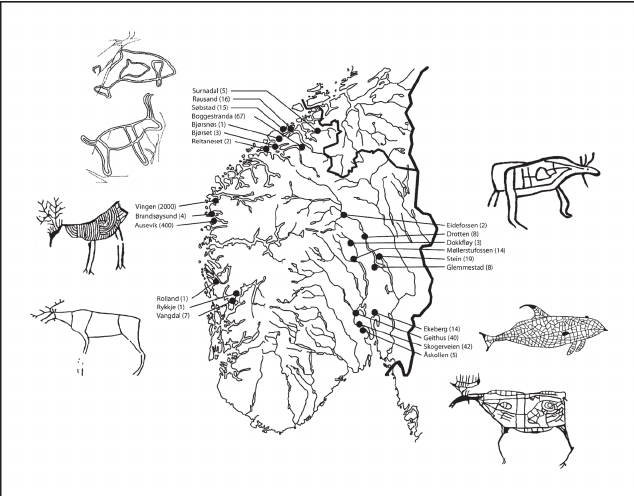
Some carvings show animals that no longer inhabit certain regions. This provides data about past ecosystems.
For example, depictions of large game species in areas now desert suggest wetter climates in earlier periods. According to climate studies referenced by the U.S. Geological Survey, rock art can supplement paleoenvironmental reconstruction models.
Professionals in environmental science increasingly collaborate with archaeologists to cross-reference:
- Drought cycles
- Migration shifts
- River system changes
- Fire ecology patterns
Indigenous ecological knowledge isn’t folklore. It’s data encoded visually.
And with climate change affecting modern land management, those ancient observations matter more than ever.
Legal Framework and Federal Protection
Under the Archaeological Resources Protection Act (ARPA) of 1979, it is illegal to excavate, damage, or remove archaeological materials from federal land without a permit.
Penalties include:
- Fines up to $250,000
- Possible prison sentences
- Civil penalties for restoration costs
Additionally, the National Historic Preservation Act (NHPA) requires federal agencies to consult with tribes when projects may affect cultural sites.
For professionals in construction, energy, infrastructure, or real estate development, compliance with Section 106 review processes is mandatory.
Ignoring that can shut down multimillion-dollar projects fast.
Technology Transforming Rock Art Research
Modern documentation techniques are revolutionizing preservation:
3D photogrammetry creates digital replicas
LiDAR scans detect carvings hidden by erosion
AI-based image enhancement reveals faint patterns
GIS mapping connects sites across regions
The Digital Archaeological Record houses research datasets accessible to professionals.
This digital archiving ensures data survives even if physical sites degrade due to vandalism or climate impacts.
That’s responsible stewardship — blending tradition and technology.
Career Pathways in Cultural Resource Management
Rock art research supports a growing industry in Cultural Resource Management (CRM). According to the U.S. Bureau of Labor Statistics, archaeologists and anthropologists earn a median annual wage of approximately $63,940, with demand expected to grow due to infrastructure expansion and environmental compliance requirements.
Emerging career roles include:
- Cultural Resource Specialist
- Tribal Historic Preservation Officer (THPO)
- GIS Archaeological Analyst
- Museum Curator
- Heritage Tourism Coordinator
- Federal Compliance Consultant
Universities across the Southwest now offer degrees focused on Indigenous studies and archaeological sciences, responding to increased demand.
This field blends science, history, law, and community engagement.
Visiting Petroglyph Sites Responsibly
If you plan to visit rock art sites, especially in public lands across the Southwest, follow best practices:
Research official guidelines at nps.gov or blm.gov
Stay on designated trails
Never touch carvings — skin oils accelerate erosion
Do not trace, chalk, or wet the rock
Report vandalism immediately
These aren’t suggestions. They’re preservation necessities.
Every year, vandalism damages irreplaceable cultural resources. According to National Park Service reports, graffiti removal costs hundreds of thousands of dollars annually.
Respect isn’t optional.
Tribal Perspectives and Cultural Continuity
For many Native American tribes, petroglyphs are not relics of a vanished culture. They are part of living tradition.
Tribal oral histories often connect specific carvings to migration narratives or sacred stories. That means interpretation should involve tribal consultation, not just academic analysis.
Modern archaeological ethics emphasize community collaboration. Federal agencies increasingly partner with tribal historians during excavation and documentation.
That shift toward Indigenous leadership in heritage management is long overdue.
An Under-Ice Submarine Discovery Ends in a Sudden Disappearance
Perfectly Preserved Bronze Age Sword Discovery Leaves Historians With New Questions
4500-Year-Old Arctic Sea Journey to Kitsissut Rewrites History of Early Mariners