

Pandemic Lockdowns Cleared the Air: When the world shut down during the COVID-19 pandemic, one of the surprising side effects was the temporary improvement in air quality. As cities locked down, the usual pollution from cars, planes, and factories plummeted. People saw blue skies for the first time in decades in cities that were often blanketed by smog. However, this reduction in air pollution didn’t necessarily mean the world was getting cleaner overall. One key issue that emerged during this time was a sharp rise in methane emissions, a potent greenhouse gas that is 80 times more effective than CO₂ at trapping heat over 20 years.
In this article, we will explore why methane emissions rose despite the fall in other pollutants and what this means for the environment. We’ll dive into the science behind the increase, explore the global impact of this trend, and discuss what can be done to reverse it. By the end, you will have a clear understanding of how these changes relate to the fight against climate change.
Table of Contents
Pandemic Lockdowns Cleared the Air
The COVID-19 pandemic brought unexpected changes to the environment. While it cleared the air in many cities, it also led to a surge in methane emissions—a powerful greenhouse gas that contributes significantly to climate change. By understanding the causes behind this rise in methane and taking active steps to mitigate its effects, we can move toward a cleaner, more sustainable future. It’s clear that tackling climate change requires a comprehensive approach, and methane reduction is a crucial piece of the puzzle. As we continue to recover from the pandemic, climate-conscious decision-making must take all factors into account to protect the planet for future generations.
| Key Insights | Data and Stats |
|---|---|
| Pandemic lockdowns reduced air pollution | Air quality improved globally during lockdowns, with a 30-40% decrease in nitrogen oxides (NOx). |
| Methane emissions spiked during lockdowns | Methane levels surged by over 10% in 2020, hitting record growth. |
| Atmospheric chemistry and natural sources | Lack of NOx due to lockdowns slowed methane removal by hydroxyl radicals. |
| Key sources of methane | Tropical wetlands and natural emissions surged. |
How the Pandemic Lockdowns Cleared the Air?
The pandemic brought some unexpected benefits to urban air quality. Lockdowns, social distancing, and travel restrictions meant fewer cars on the road, less industrial activity, and a sharp decline in air pollution. According to NASA, NOₓ emissions (which cause smog and acid rain) dropped by as much as 30-40% in many of the world’s largest cities. In fact, places that are usually covered in pollution, like New Delhi and Los Angeles, saw some of their clearest skies in years. People in cities like Delhi even witnessed the Himalayas, which were invisible to them before due to pollution.
While this improvement in air quality was welcomed, the pandemic also highlighted the complexity of managing air pollution. The drop in NOₓ wasn’t just good for humans—it had a disastrous side effect: it slowed down the atmosphere’s ability to clean up methane.
The Rise of Methane Emissions During the Pandemic Lockdowns
Why Did This Happen?
You might wonder, how did methane emissions rise even when air pollution dropped so significantly? The answer lies in how methane interacts with the atmosphere.
- The Role of Nitrogen Oxides (NOₓ)
Methane is a short-lived but potent greenhouse gas. Typically, methane is broken down in the atmosphere by hydroxyl radicals (OH). These OH molecules react with methane, turning it into less harmful substances. However, OH molecules are generated when NOₓ (from car exhausts, factories, and power plants) reacts with sunlight. With NOₓ levels dropping drastically due to the pandemic lockdowns, fewer OH molecules were formed, leaving more methane in the atmosphere. This process slowed the natural methane breakdown, leading to its buildup. - Increased Natural Sources of Methane
Another contributing factor was an increase in natural methane emissions. Wetlands, which emit methane, were more active due to the wet conditions linked to the La Niña climate pattern in 2020. This was combined with the fact that methane is naturally released in larger quantities from sources like landfills and agriculture. Wetlands and other natural sources, already contributing to methane emissions, ramped up during the lockdown period. - The Feedback Loop
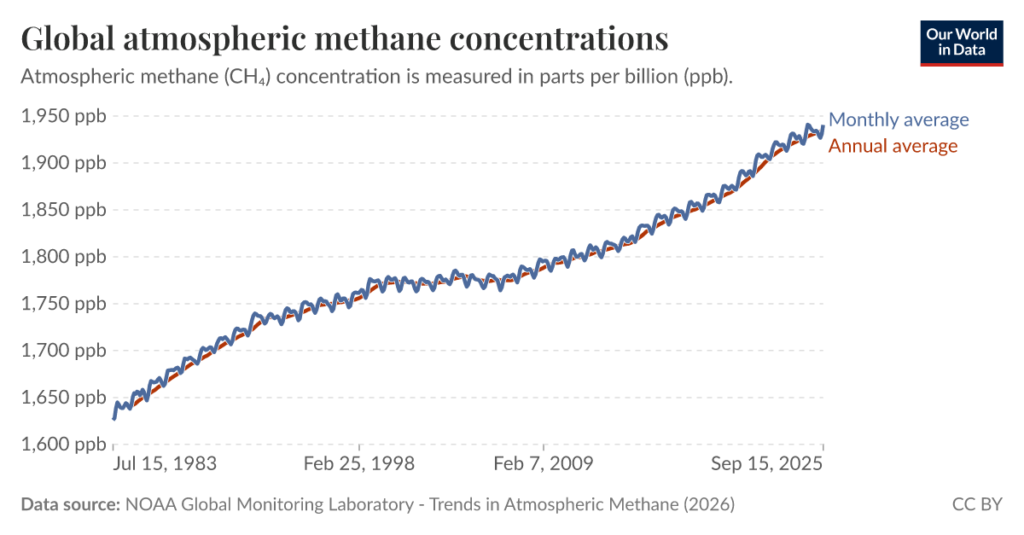
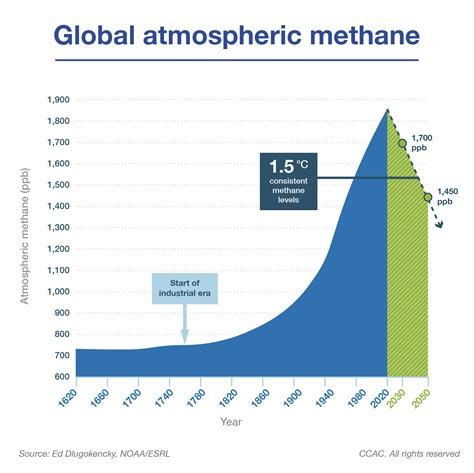
In essence, while human activity slowed down, natural sources of methane and the inability to break down methane at the usual pace created a feedback loop that led to the surge in methane concentrations in 2020. According to studies, methane levels increased by 10% globally in 2020, which is unprecedented when compared to other years.
The Global Implications of Increased Methane Emissions
What Does This Mean for the Climate?
The rise in methane emissions during the pandemic is an important reminder that climate change is a multifaceted issue. While reducing air pollution from industrial activities and vehicles has clear benefits, methane is still a major driver of global warming. It’s extremely potent in the short term, making it a crucial factor in the acceleration of global warming over the next few decades.
Methane may only stay in the atmosphere for about 12 years, but its impact is much stronger than CO₂ in the short term. According to the Intergovernmental Panel on Climate Change (IPCC), reducing methane emissions is one of the most effective ways to slow the pace of climate change. Even a small reduction in methane emissions can have a significant impact on the planet’s temperature over the next two decades.
The Current Methane Challenge
Methane emissions are not just coming from human sources like agriculture, livestock, and fossil fuels. In fact, recent studies show that wetlands and tropical forests are significant contributors, especially during wet conditions. The increase in these natural sources during the pandemic further exacerbated the problem.
One alarming fact is that the global methane levels in the atmosphere have been rising sharply over the last few years. While the pandemic provided a temporary improvement in other forms of air pollution, methane continued to rise at a rapid rate. NASA reports that methane levels in the atmosphere are currently the highest they’ve been in nearly two decades. This is partly due to human-driven activities and partly due to the natural sources which have been activated by the pandemic’s atmospheric shifts.
Technological Advances in Methane Monitoring
One way to better manage methane emissions is through advanced monitoring technologies. Scientists have developed satellites, drones, and ground-based sensors that can detect and measure methane emissions at an unprecedented scale. These technologies allow researchers to monitor methane leaks from landfills, natural gas fields, and even agriculture, providing data for more targeted actions to reduce emissions.
For example, NASA’s Atmospheric Infrared Sounder (AIRS) satellite system helps track methane emissions from various sources across the globe. MethaneSat, another satellite being developed by Environmental Defense Fund (EDF), aims to pinpoint methane sources and provide real-time data on emissions. This will significantly help in holding industries and regions accountable for their methane emissions. These monitoring technologies could serve as game-changers in tracking and reducing methane on a global scale.
Furthermore, drone-based technology is also increasingly used in natural gas fields, where leaks are detected and sealed faster than ever before. The data collected from satellites and drones is helping policymakers understand where the largest methane leaks are happening, making it easier to implement effective policies to curb emissions.
Success Stories: Tackling Methane Emissions
Some places have made significant progress in reducing methane emissions, and these examples provide hope for other regions.
- California’s Methane Regulations
California has implemented comprehensive methane reduction programs in its oil and gas industry. The state has made it mandatory for companies to report methane leaks, repair leaks in a timely manner, and use advanced technologies to prevent methane emissions. Through the California Air Resources Board (CARB), state regulations require companies to conduct regular inspections and fix leaks promptly, which has led to measurable reductions in methane emissions. The state also incentivizes companies to use green technologies to detect and seal methane leaks. - Corporate Responsibility in the Oil and Gas Industry
Several companies in the oil and gas sector have pledged to reduce their methane emissions. BP and Shell, for example, have set ambitious goals to reduce their methane emissions by 50% by 2025. These companies have started implementing cutting-edge technologies to prevent methane leaks from pipelines and storage facilities. Using methane-detection technology and repairing leaks quickly has already shown positive results in reducing methane emissions in the oil and gas industry.
How We Can Reduce Methane Emissions: A Call to Action
Reducing methane emissions should be a global priority. Here’s how we can tackle the issue:
- Governments and Policymakers should implement stronger regulations and incentives for methane capture technologies.
- Industries can adopt more rigorous methane detection and maintenance protocols to seal leaks. The oil, gas, and agricultural industries should invest in technologies that detect methane leaks in real time and fix them quickly.
- Individuals can help by supporting sustainable agricultural practices, reducing food waste, and using energy-efficient appliances. For example, investing in more efficient home heating systems can help cut down on methane emissions from fossil fuels.
- Scientists and Researchers must continue to innovate and refine methane monitoring technologies to improve leak detection and measure methane emissions accurately.
The Role of the Scientific Community
Scientists have a pivotal role in understanding the dynamics of methane emissions. Research is essential for understanding how methane behaves in the atmosphere, how much is being emitted from both human activities and natural sources, and how best to mitigate those emissions. Funding and supporting scientific research will help us create effective strategies to tackle methane emissions and mitigate climate change.
Scientists Challenge the Idea That Trees Can Sense Solar Eclipses
Scientists Confirm Life in an Unexpected Place, Prompting a Major Rethink
Not the Nile or the Amazon — Scientists Identify Australia’s Finke River as the Oldest on Earth