

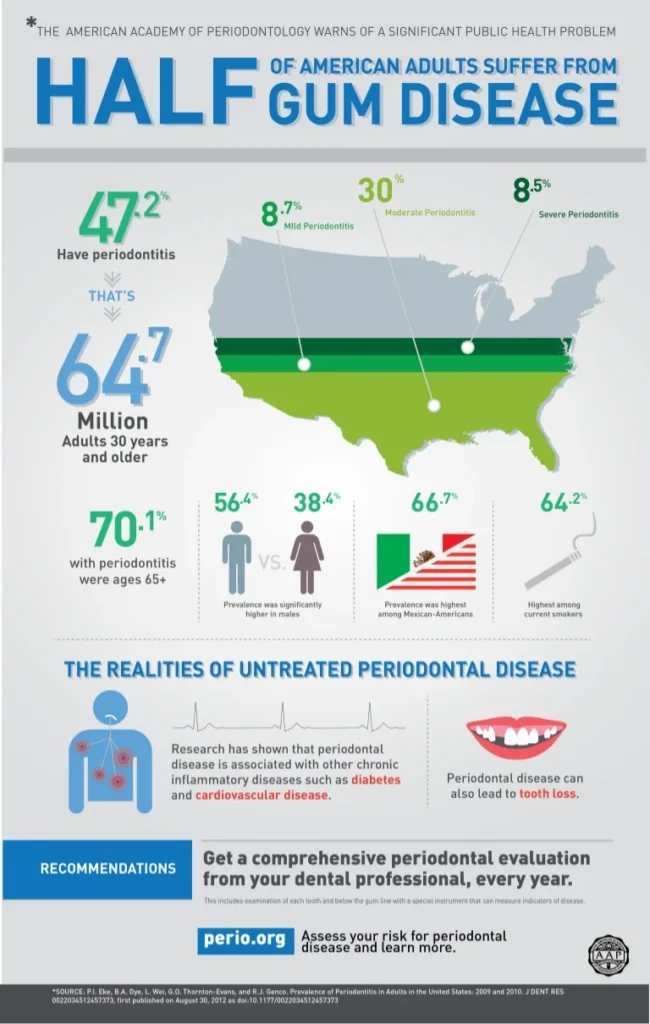
Poor Brushing Habits Are Wrecking America’s Smiles: Let’s keep it real — America’s oral hygiene game needs some serious attention. According to the Centers for Disease Control and Prevention (CDC), an alarming 42% of U.S. adults aged 30 and over are walking around with gum disease. That means nearly half the adult population is battling bleeding gums, receding gum lines, and even tooth loss — all because of habits that start with something as simple as brushing your teeth. We’re not just talking about a little bad breath. Gum disease, or periodontal disease, has been linked to heart disease, diabetes complications, low birth weight in newborns, and respiratory infections. And while most people assume it’s just about brushing and flossing — the reality runs deeper. But the good news? It’s mostly preventable, and that’s what this article is here to unpack.
Table of Contents
Poor Brushing Habits Are Wrecking America’s Smiles
Poor brushing habits are silently damaging America’s smiles — and the numbers don’t lie. Gum disease affects over 42% of adults, and millions more are on their way there without realizing it. The good news? Prevention is simple and affordable. With consistent, effective brushing, daily flossing, regular dental visits, and good nutrition, this epidemic can be stopped. So whether you’re brushing for your health, your career, your confidence — or just because you’re tired of that funky breath — take two minutes, twice a day. That small habit might just save your smile, and a lot more.
| Topic | Key Facts & Stats |
|---|---|
| Prevalence of Gum Disease | 42.2% of adults aged 30+ |
| Severe Periodontitis | 7.8% of U.S. adults |
| Major Risk Factors | Smoking, poor hygiene, low income, diabetes |
| Prevention Methods | Brush 2x/day, floss daily, dental visits 2x/year |
| Cost of Dental Neglect | $124 billion spent on dental care annually |
| At-Risk Youth | Poor families 2x more likely to have untreated dental issues |
What Is Gum Disease?
Gum disease is an infection of the gums and bone supporting the teeth. It’s a progressive condition, meaning it gets worse over time if left untreated. It typically starts with plaque — a sticky, bacteria-laden film that coats the teeth. If not removed, plaque hardens into tartar, which irritates the gums and leads to inflammation.
There are two main stages:
- Gingivitis: This is the earliest stage. Gums may be red, swollen, or bleed when you brush or floss. At this point, the damage is reversible.
- Periodontitis: If gingivitis goes untreated, it can progress to this more serious form. The gums start to pull away from the teeth, bone is lost, and the teeth can loosen or even fall out.
The scary part? Gum disease is often painless. Most people don’t know they have it until it’s fairly advanced.
Why So Many Americans Have Gum Disease?
1. Poor Brushing Habits
This one’s obvious. Many people think they’re brushing well, but studies show that the average brushing time is less than 60 seconds — far short of the recommended two minutes. Plus, brushing technique matters. Without the proper angle and motion, you’re leaving harmful bacteria behind.
2. Inconsistent Flossing
Flossing is often the most neglected part of oral hygiene. According to a CDC survey, only 30% of Americans floss daily, while 32% admit they never floss. This leaves food particles and bacteria trapped between teeth, where gum disease often starts.
3. Dental Visit Avoidance
Fear, finances, and lack of insurance keep many Americans from regular dental visits. In fact, only 64% of adults visited a dentist in the past year, according to the National Center for Health Statistics. That means millions are missing cleanings that could catch gum disease early.
4. Smoking & Chronic Illness
Smoking weakens the immune system, making it harder to fight off gum infections. Smokers are twice as likely to suffer from gum disease compared to non-smokers. People with diabetes or weakened immune systems are also at elevated risk.
How Socioeconomic Factors Worsen Oral Health?
Oral health is a matter of access as much as it is about habits. For example:
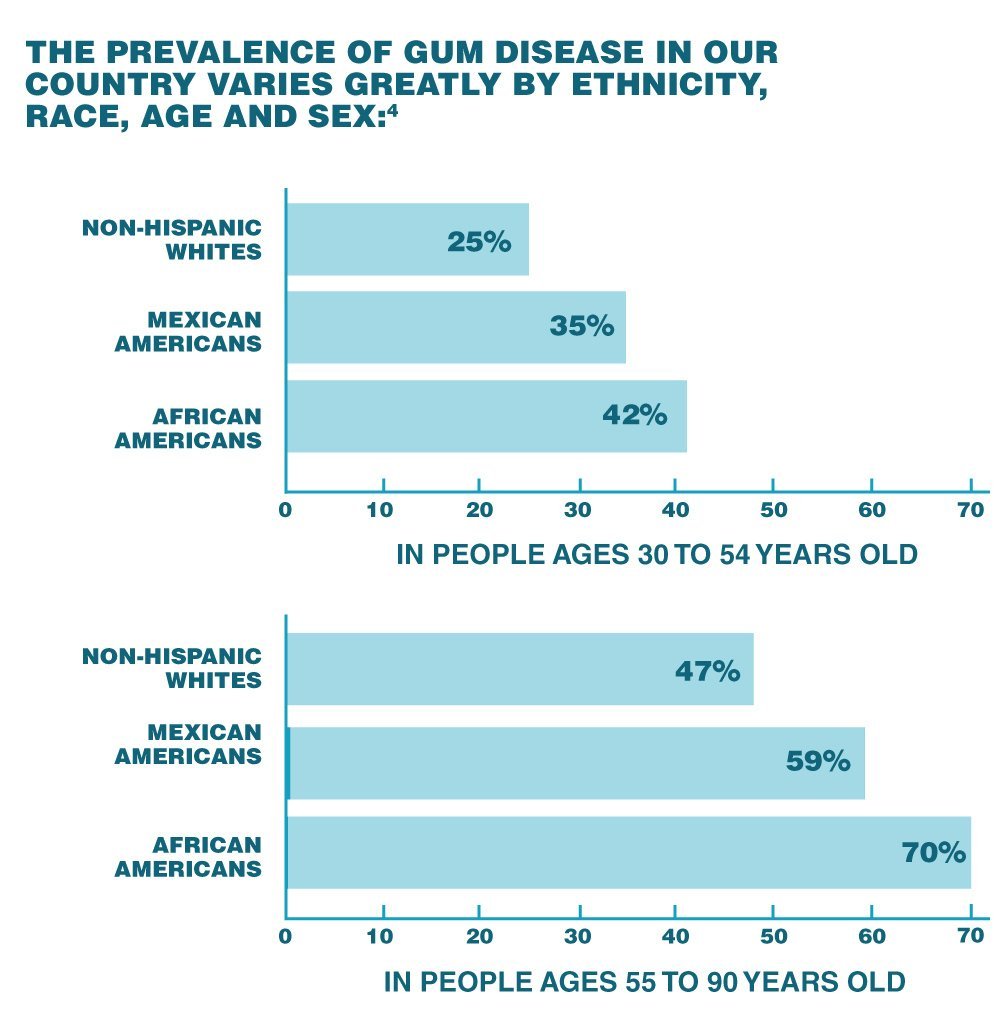
- Low-income families are twice as likely to suffer from untreated gum disease due to lack of access to affordable care.
- People without dental insurance often skip cleanings or delay treatment until it’s too late.
- Rural communities are more likely to lack local dental providers, further reducing preventive care.
Systemic issues like lack of public insurance for adults (Medicare doesn’t cover routine dental care) and job-based insurance gaps only widen the problem.
The Childhood Connection: Poor Brushing Habits Are Wrecking America’s Smiles
It’s not just an adult issue. According to the CDC, nearly 1 in 5 children aged 5–11 years have at least one untreated decayed tooth. Poor brushing habits in childhood can easily set the stage for gum disease by the time they hit adulthood.
Teaching kids early about brushing for two minutes twice a day, flossing, and avoiding sugary drinks can create habits that last a lifetime. Programs in schools and pediatric offices have shown success in reducing early signs of gingivitis among young kids when started early.
Nutrition’s Role in Gum Health
You are what you eat — and so is your smile. Nutritional deficiencies or high sugar consumption can contribute directly to poor gum health. Here’s how:
- Vitamin C deficiency is known to cause gum bleeding and slow tissue repair.
- Sugary snacks and drinks feed the bacteria that cause plaque.
- Calcium and vitamin D are crucial for maintaining bone and tissue around the teeth.
- Drinking water throughout the day helps wash away food particles and bacteria, reducing acid and plaque buildup.
A diet rich in leafy greens, lean proteins, fruits, and low-sugar snacks helps keep gums healthy and inflammation low.
Innovations in Oral Health Technology
Oral care has come a long way. Some modern tools that can help improve brushing habits and outcomes include:
- Electric toothbrushes with smart timers and pressure sensors to prevent overbrushing.
- Water flossers for those with braces, arthritis, or tight dental spacing.
- Mobile apps that gamify brushing for kids and remind adults to floss.
- Remineralizing toothpaste with added calcium phosphates that help reverse early decay.
Smart oral care is accessible and getting more affordable. No excuses anymore.
Poor Brushing Habits Are Wrecking America’s Smiles: A 5-Step Guide to Proper Oral Hygiene
Here’s your simple, expert-backed game plan for keeping gum disease at bay:
Step 1: Brush Twice a Day
Use a fluoride toothpaste and a soft-bristled brush. Spend two minutes brushing — 30 seconds for each quadrant of your mouth. Don’t rush the back molars.
Step 2: Floss Once a Day
Flossing removes plaque where brushes can’t reach. Curve the floss in a “C” shape around each tooth and move it gently up and down under the gumline.
Step 3: Use Mouthwash
Antibacterial mouthwash can help reduce plaque and freshen breath. Choose an alcohol-free formula if you have sensitive gums.
Step 4: Stay Hydrated
Saliva is your body’s natural defense against gum disease. Drink plenty of water to stay hydrated and rinse out sugars and acids.
Step 5: Visit the Dentist
See your dentist every 6 months for cleanings and checkups — more often if you already have gum issues.
Real-World Impact of Poor Brushing Habits Are Wrecking America’s Smiles
Let’s talk money. The U.S. spends an estimated $124 billion annually on dental care, and untreated gum disease is a major contributor. The cost of ignoring basic brushing? Potentially thousands in gum surgery, deep cleanings, lost work hours, and tooth replacements.
Beyond financial costs, gum disease affects self-esteem, job prospects (especially in service industries), and overall health. A healthy smile isn’t just cosmetic — it’s functional and essential.
Just 27 Minutes of Meditation Can Rewire Your Brain—Scientists Confirm Astonishing Benefit
The Human Skull Discovery That Challenges the Out of Africa Theory
Ancient DNA Reveals Rare Dwarfism in a 12,000-Year-Old Teenager
Expert Insight
Dr. Nina Patel, DDS, a periodontist in Chicago, explains:
“Most people don’t realize how much their gum health affects their overall well-being. We see patients with bleeding gums, receding gum lines, and bone loss — all of which could have been prevented with better brushing habits. If there’s one thing I tell every patient: brush like your future depends on it — because it does.”