
A new peer-reviewed study suggests Mental Health Surveys — widely used to screen for depression, anxiety, and emotional distress — may not measure symptoms equally across different intelligence levels. The research, published in the journal Intelligence, found that individuals with higher cognitive ability often interpret survey questions differently, potentially affecting diagnosis, treatment decisions, and public-health data.
Table of Contents
Standard Mental Health Surveys May Miss Key Differences
| Key Fact | Detail |
|---|---|
| Study Publication | Appeared in the academic journal Intelligence |
| Core Finding | Measurement reliability decreased as intelligence increased |
| Public Health Impact | Screening tools may under- or over-identify symptoms |
| Recommended Action | Additional validation and clinical follow-ups |
Why Mental Health Surveys Are Under Scrutiny
Mental health professionals depend heavily on standardized questionnaires to quickly identify patients who may need help. These assessments are used in primary care clinics, universities, workplaces, and national health monitoring programs.
Common screening instruments include brief depression and anxiety checklists, often completed in under five minutes. Because of their speed and low cost, Mental Health Surveys have become a cornerstone of early detection programs.
However, the new research suggests these tools may not function identically for all people.
Dr. Adrian Caldwell, a cognitive assessment researcher and lead author of the study, wrote that the findings “indicate systematic differences in how individuals with varying cognitive ability interpret and respond to emotional self-report items.”
Researchers analyzed participant responses using advanced psychometric modeling. They found that as intelligence scores rose, the alignment between survey responses and the psychological traits being measured weakened.
In simple terms, the same survey question may not mean the same thing to every respondent.
How Intelligence May Affect Survey Responses
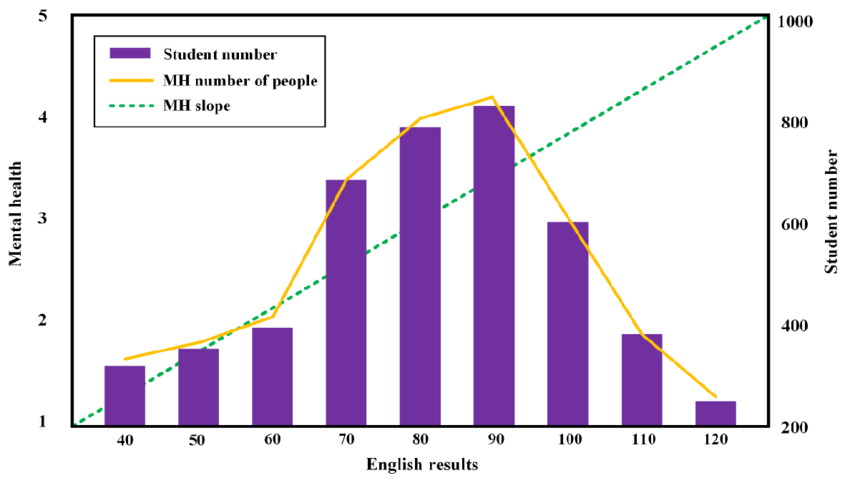
Experts say individuals with higher cognitive ability may analyze wording more literally, question assumptions behind questions, or compare themselves to broader internal standards.
For example, a typical question might ask whether someone feels “often tired or lacking energy.”
Some respondents may answer based on mood. Others may evaluate sleep quality, physical health, or workload before responding.
Dr. Laura Mendes, a clinical neuropsychologist at the University of Michigan who was not involved in the study, explained:
“Self-report surveys assume shared interpretation of language. But cognition shapes perception. Two people can read the same question and answer honestly while describing completely different experiences.”
The study does not suggest highly intelligent individuals experience less mental distress. Instead, it suggests surveys may measure distress differently across cognitive styles.
A Long-Standing Issue in Psychological Measurement
Concerns about screening accuracy are not new. Psychologists have debated the reliability of questionnaires since standardized testing began in the early 20th century.
Psychometrics — the science of measuring psychological traits — recognizes a concept called measurement bias. This occurs when a test produces systematically different results for different groups despite similar actual conditions.
The World Health Organization (WHO) has repeatedly warned that psychological screening tools must be validated across populations, cultures, and education levels.
In WHO mental health guidance, the organization notes:
“Assessment instruments should not be assumed universally valid without population-specific validation.”
This issue becomes especially important as countries expand mental health programs and rely on survey data to allocate funding.
Cultural and Educational Differences
The implications go beyond intelligence. Researchers say educational background, language, and cultural norms also affect responses.
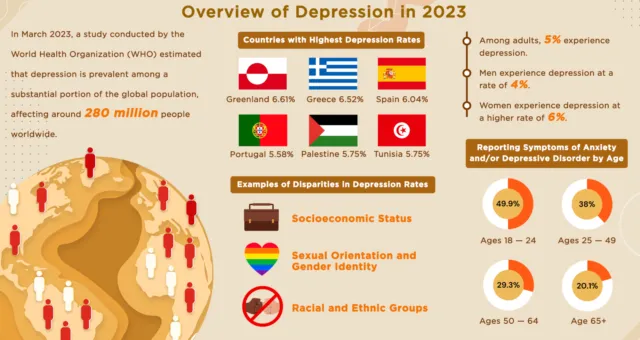
For instance, in some cultures emotional distress is described through physical symptoms such as fatigue or headaches rather than sadness. A questionnaire focused only on mood may miss those cases.
Dr. Priya Natarajan, a psychiatrist involved in global mental health research, said:
“Mental Health Surveys are extremely useful, but they capture only part of a person’s mental state. Cultural expression of distress varies widely.”
In multilingual societies, translation adds another layer. Even accurate translations can carry slightly different emotional meaning.
Implications for Doctors and Patients
Mental health screening often begins in primary care offices. A patient completes a brief questionnaire, and doctors use the score to determine whether further evaluation is necessary.
If Mental Health Surveys interpret symptoms differently across individuals, some patients could be overlooked while others could be unnecessarily referred.
Dr. Michael Hartwell, a family physician in Boston, said questionnaires remain valuable but should not replace clinical judgment.
“Surveys are conversation starters, not final diagnoses,” he said. “They help us identify who may need deeper discussion.”
The American Psychological Association (APA) similarly advises clinicians to combine screening tools with interviews, history-taking, and behavioral observation.
Effects on Public Health Data
Beyond individual diagnosis, these findings could influence national mental health statistics.
Governments often estimate depression and anxiety rates using large population surveys. If the surveys systematically under-report distress in certain groups, policymakers could misjudge needs.
Public-health researcher Dr. Hannah Lee of Johns Hopkins University said:
“Mental health prevalence drives funding decisions. If measurement tools are biased, resources may not reach the populations that need them most.”
This matters for insurance coverage, community programs, and suicide prevention initiatives.
The Rise of Digital Screening
The issue is becoming more urgent as digital health expands. Many employers, universities, and telehealth platforms now use online screening questionnaires.
During the COVID-19 pandemic, remote assessments increased dramatically. Mobile apps began offering instant mental health checkups using automated psychological screening tools.
Researchers say digital systems amplify both benefits and risks.
Automated screening allows early intervention, but without clinician interpretation, surveys may be misunderstood.
Dr. Mendes noted:
“Technology makes mental health screening scalable, but scaling a flawed measurement scales the error too.”
What Researchers Recommend
The study’s authors are not calling for elimination of Mental Health Surveys. Instead, they recommend improvement.
Proposed solutions include:
1. Adaptive Questionnaires
Computer-adaptive surveys adjust questions based on previous responses, improving accuracy.
2. Mixed Assessments
Combining questionnaires with short interviews increases reliability.
3. Population-Specific Validation
Researchers recommend validating tools separately for different education levels and cognitive groups.
4. Better Question Design
Clearer wording reduces interpretation differences.
Broader Context: Why Early Screening Matters
Mental health disorders affect an estimated one in eight people globally, according to WHO. Early detection significantly improves outcomes.
Untreated depression is linked to decreased productivity, chronic disease risk, and suicide. Screening tools allow healthcare systems to identify potential problems quickly.
Because specialist mental health providers are limited in many countries, primary-care doctors depend on Mental Health Surveys as an initial filter.
That makes accuracy particularly important.
Looking Ahead
Researchers say the findings highlight the complexity of measuring human emotion.
Future studies will examine whether similar patterns occur with children, older adults, and across cultures. Psychologists are also exploring whether artificial intelligence-based assessments may improve reliability.
For now, experts emphasize balance.
As Dr. Caldwell concluded:
“Mental Health Surveys remain essential public-health tools. The challenge is ensuring they measure people — not just responses.”
FAQs About Standard Mental Health Surveys May Miss Key Differences
What are Mental Health Surveys?
They are standardized questionnaires designed to quickly screen for symptoms of depression, anxiety, or emotional distress.
Are they inaccurate?
Not necessarily. They are useful screening tools, but they may not work equally well for every individual.
Should doctors stop using them?
No. Experts say they remain helpful when combined with clinical evaluation.
Do they replace diagnosis?
No. Only trained professionals can diagnose mental disorders after full assessment.