
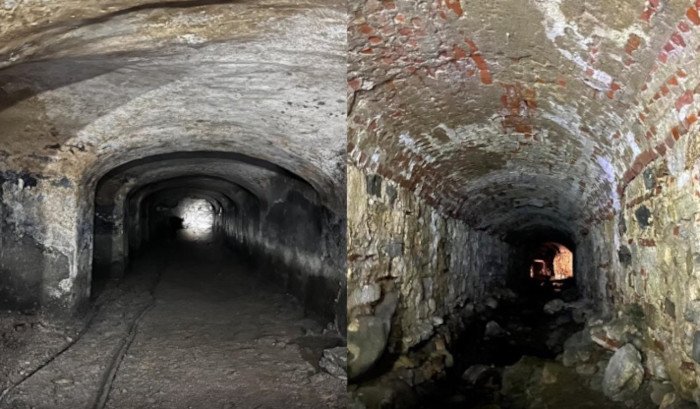
In Istanbul, conservation teams working beneath one of the world’s most famous monuments say Archaeologists Uncover a Subterranean Passage beneath Hagia Sophia, a complex network of corridors dating back roughly 1,600 years. The discovery, made during earthquake-reinforcement restoration, reveals that the 6th-century structure relied on hidden infrastructure to manage water, air circulation, and structural stress.
Table of Contents
Archaeologists Uncover a Subterranean Passage System
| Key Fact | Detail |
|---|---|
| Age of tunnels | Around 6th century Byzantine period |
| Tunnel routes | At least seven mapped corridors |
| Main function | Drainage, ventilation, maintenance access |
How Archaeologists Uncover a Subterranean Passage Beneath Hagia Sophia
The underground corridors emerged during a large conservation effort initiated after engineers warned that a strong earthquake in the Marmara region could threaten the structure.
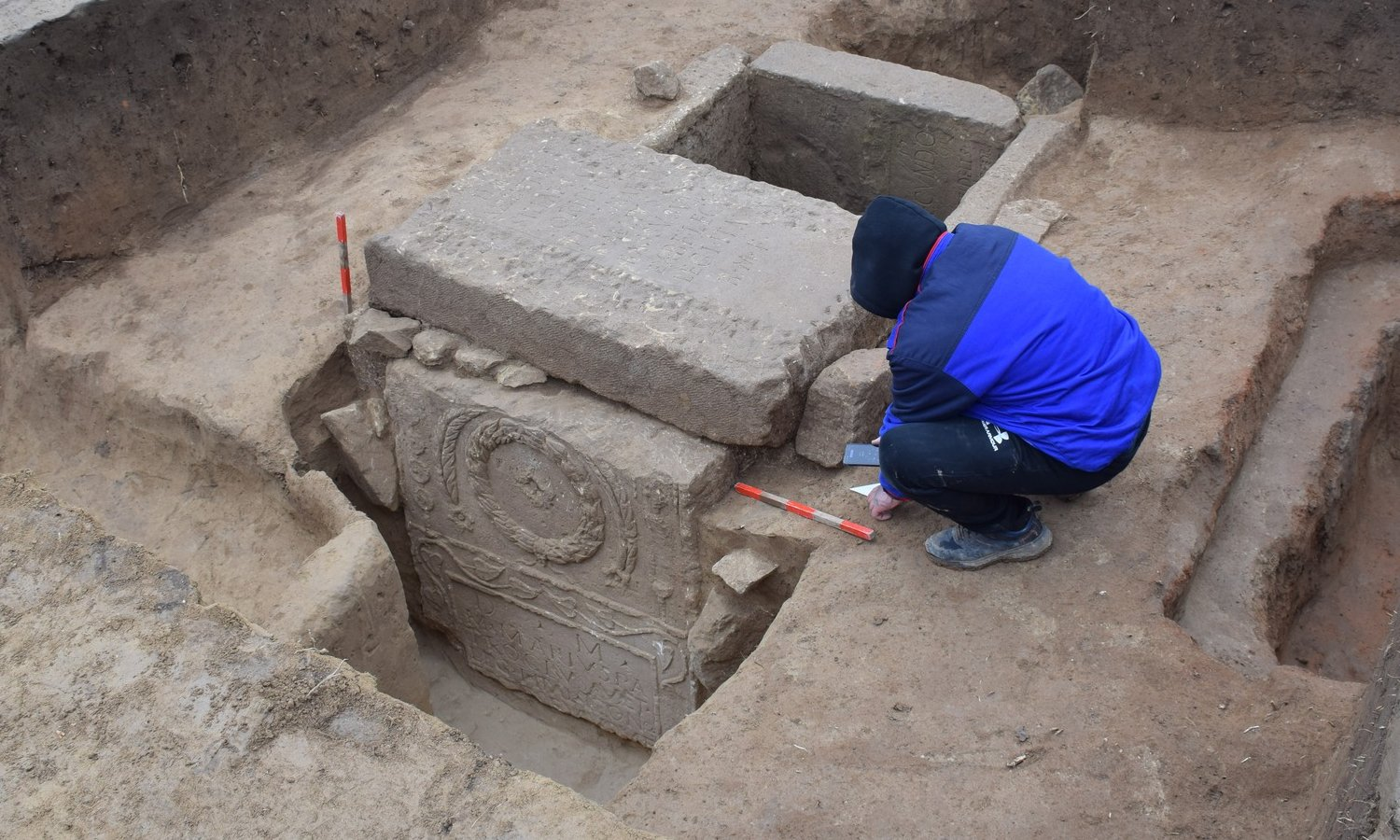
Teams first used ground-penetrating radar and seismic imaging — non-invasive technologies commonly used in heritage preservation. The scans revealed anomalies beneath the courtyard. When excavations began, workers discovered buried chambers filled with soil deposits accumulated over centuries.
Excavators carefully removed debris by hand to avoid damaging fragile masonry. As sections were cleared, corridors appeared connecting shafts and small rooms extending along the monument’s foundations.
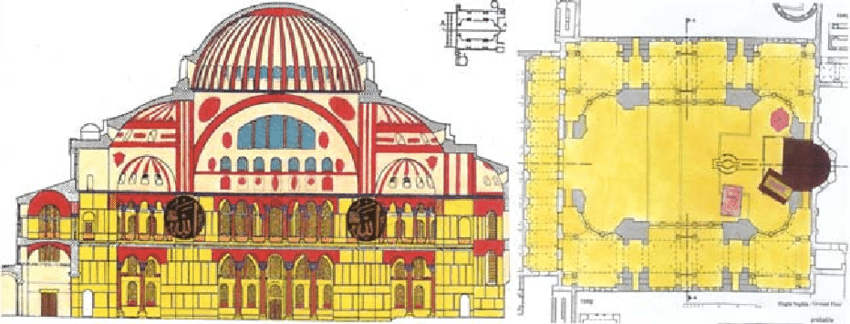
The monument, constructed between 532 and 537 CE under Emperor Justinian I, was one of the largest buildings in the world at the time. Historians note the builders — mathematician Anthemius of Tralles and engineer Isidore of Miletus — were known for combining geometry with structural science.
The new findings suggest their planning extended far below ground level.
Byzantine Engineering Rather Than Secret Escape Routes
Stories about hidden tunnels connecting Hagia Sophia to palaces have circulated for centuries. However, archaeologists say evidence strongly contradicts those legends.
Instead, the tunnels form a functional infrastructure system.
Moisture and Structural Protection
Istanbul’s climate creates persistent humidity and seasonal rainfall. Water infiltration is one of the biggest threats to ancient masonry buildings. Conservation engineers believe the passages directed water toward storage cisterns or drainage channels, preventing saturation beneath the foundations.
This discovery aligns with known Byzantine urban planning. The city once contained hundreds of underground reservoirs — the most famous being the Basilica Cistern located a short distance away.
Ventilation and Temperature Regulation
Experts say the network also controlled interior climate. The enormous dome traps warm air, while stone walls absorb moisture. The tunnels likely allowed cooler air to circulate upward through vertical shafts.
This passive environmental regulation resembles what modern architects call natural ventilation engineering — centuries before electricity.
Maintenance Access
Archaeologists also found narrow crawlspaces. These would have allowed workers to inspect cracks, reinforce piers, or repair stone supports. Maintenance access inside foundations was rare in ancient construction but appears deliberate here.
Why the Discovery Matters
Earthquake Preparedness
Hagia Sophia has survived numerous earthquakes for nearly 15 centuries. Structural engineers now suspect the subterranean network contributed to that resilience.
By relieving hydrostatic pressure and reducing foundation stress, the tunnels may have prevented catastrophic collapse during past tremors.
Understanding this design helps modern engineers reinforce the monument while preserving authenticity.
Rewriting Architectural Understanding
The discovery strengthens the view that Byzantine architecture was highly scientific.
Rather than relying solely on craftsmanship, builders integrated hydrology, ventilation, and structural engineering into a unified system. Scholars say the Hagia Sophia underground tunnels demonstrate early systems engineering — a concept typically associated with modern architecture.
Cultural and Historical Context
Hagia Sophia has served multiple civilizations.
Originally a cathedral of the Eastern Roman (Byzantine) Empire, it was converted into a mosque after the Ottoman conquest in 1453. In 1935, it became a museum, and in 2020 it was reconverted into a mosque while remaining open to visitors.
The monument influenced architectural traditions worldwide. Ottoman imperial mosques, including the Blue Mosque, were designed in response to its massive central dome.
The underground network suggests visitors historically experienced only half the building — the visible half.
Comparison With Other Ancient Underground Systems
Archaeologists say the discovery fits into a broader pattern of ancient subterranean engineering:
- Roman aqueduct tunnels in Europe
- Underground cities in Cappadocia, Türkiye
- Water channels beneath Jerusalem’s Old City
However, Hagia Sophia is unusual because its underground system supports a single monumental structure rather than an entire settlement.
Preservation Challenges
Conservators now face delicate decisions. Opening tunnels to tourism could increase public interest but risks damaging fragile stone and altering humidity levels.
Specialists must stabilize walls, control airflow, and monitor microbial growth. Ancient enclosed spaces often contain salts and fungi that weaken mortar once exposed to oxygen.
For now, researchers are focusing on documentation using 3-D laser scanning.
Public and Scholarly Reaction
Historians worldwide have reacted with enthusiasm. Architectural historians describe the find as comparable to discovering hidden structural blueprints.
Archaeology professors note that the discovery confirms textual descriptions from Byzantine chronicles that mentioned underground service areas but lacked physical evidence.
Tourism experts also predict renewed global interest in the site.
What Happens Next
Authorities plan further exploration and possibly guided scientific tours in limited areas. Any public access will require strict environmental controls.
Researchers also believe additional chambers may exist beneath surrounding structures.
Conservation engineers emphasize the discovery is not merely historical — it may help protect the monument for centuries. By understanding how the original builders solved structural problems, modern preservationists can reinforce the structure without altering its historic character.
One project architect summarized the importance: preserving Hagia Sophia means understanding not only what stands above ground, but also the unseen engineering below it.
FAQs About Archaeologists Uncover a Subterranean Passage System
What is the Hagia Sophia subterranean passage system?
An interconnected network of ancient corridors and chambers built during the Byzantine period beneath the monument.
Was it a secret escape tunnel?
No. Evidence indicates environmental and structural engineering purposes.
Can visitors enter the tunnels?
Not currently. Safety and conservation work continue.
Why is it important?
It helps engineers protect the building against earthquakes and moisture damage.