
Maya’s Cleanest Water Source: that headline might sound like something pulled straight from a mystery documentary, but it’s actually backed by modern archaeological research. Scientists studying ancient Maya cities have discovered that reservoirs once considered the cleanest and safest sources of drinking water may have contained dangerous levels of mercury contamination. This discovery sheds light on how environmental factors, cultural traditions, and advanced engineering intersected in one of the most fascinating civilizations in the Americas.
For centuries, the Maya built sophisticated systems to collect and store rainwater in areas where natural rivers and lakes were scarce. These systems allowed entire cities to thrive in the tropical forests of Central America. But recent studies suggest that mercury from ceremonial pigments and ritual practices slowly seeped into these reservoirs, creating a hidden environmental hazard that the Maya likely never recognized. Researchers studying cities such as Tikal in Guatemala found mercury concentrations in reservoir sediments that would be considered unsafe by modern environmental standards. Modern research from institutions like the University of Cincinnati, the American Chemical Society, and environmental agencies such as the U.S. Environmental Protection Agency (EPA) has helped scientists understand how this contamination occurred and what it might have meant for ancient populations.
Table of Contents
Maya’s Cleanest Water Source
The discovery that the Maya’s cleanest water source turned out to be slowly poisoning them provides a powerful reminder that environmental hazards can sometimes hide beneath the surface. The Maya civilization developed some of the most advanced water management systems of the ancient world, yet invisible mercury contamination may have quietly affected their population. By studying these ancient systems, modern researchers gain valuable insights into environmental sustainability, public health, and the importance of monitoring water quality. Even the most sophisticated societies can face unexpected environmental challenges—and understanding those challenges helps modern communities build safer and more sustainable futures.
| Topic | Key Information |
|---|---|
| Civilization Studied | Ancient Maya civilization |
| Discovery | Mercury contamination found in reservoir sediments |
| Main Location | Tikal, Guatemala |
| Period | Classic Maya Period (250–900 CE) |
| Source of Mercury | Cinnabar pigment used in rituals and architecture |
| Health Effects | Neurological damage, kidney issues, cognitive impairment |
| Research Institutions | University of Cincinnati and international archaeological teams |
| Official Resource | https://www.uc.edu |
Ancient Maya Civilization and the Challenge of Water
The Ancient Maya civilization is widely recognized as one of the most sophisticated cultures in the Americas before European contact. Their society flourished across what is now southern Mexico, Guatemala, Belize, Honduras, and El Salvador. The Maya developed complex writing systems, advanced astronomy, monumental architecture, and innovative agricultural techniques.
However, the geography of many Maya cities created a serious challenge: reliable access to fresh water.
Unlike civilizations that formed along large rivers—such as ancient Egypt along the Nile—many Maya cities were built in regions where permanent water sources were rare. Instead, the Maya relied heavily on seasonal rainfall. During the rainy season, large amounts of water fell across the tropical forests. The challenge was storing that water so communities could survive the long dry season.
To solve this problem, Maya engineers created large man-made reservoirs designed to collect and store rainwater. These reservoirs were often integrated into the urban layout of cities and surrounded by plazas, temples, and residential neighborhoods. Some reservoirs held millions of gallons of water, enough to support large populations.
According to research from the Smithsonian Institution, Maya reservoirs were not simple ponds. They were carefully engineered systems designed to improve water quality and reduce contamination.
How did the Maya Engineered Advanced Water Systems?
The engineering behind Maya water management demonstrates a deep understanding of their environment. These reservoirs were designed to do far more than simply store water.
Several features made Maya reservoirs remarkably advanced for their time.
First, water flowed through stone channels and drainage systems that directed rainwater into storage basins. These channels helped control runoff and reduce erosion.
Second, many reservoirs included sediment traps that allowed dirt and debris to settle before the water entered the main reservoir. This simple but effective method improved clarity and reduced contamination.
Third, the Maya used natural vegetation and constructed barriers to filter water and control algae growth. Trees planted around reservoirs helped shade the water, keeping temperatures lower and limiting the growth of harmful microorganisms.
Some reservoirs were even lined with clay layers to prevent water from leaking into the ground.
These systems allowed Maya cities to support populations ranging from tens of thousands to over 100,000 people during their peak.
Archaeologists often describe these reservoirs as among the most advanced pre-industrial water systems in the world.
Maya’s Cleanest Water Source: The Discovery of Mercury Contamination
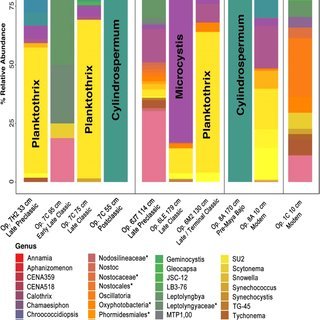
While studying ancient Maya cities, archaeologists began analyzing sediment samples taken from the bottom of reservoirs. These sediments can reveal valuable clues about environmental conditions thousands of years ago.
What scientists found surprised them.
Many reservoir samples contained high levels of mercury, a toxic heavy metal known to cause serious health problems in humans.
According to research published in scientific journals by teams studying the Maya city of Tikal, mercury concentrations in some reservoir sediments exceeded modern environmental safety standards. In some locations, the mercury levels were reported to be several times higher than acceptable limits used by modern environmental agencies.
Mercury is particularly dangerous because it can accumulate in the environment and remain toxic for long periods of time.
This raised an important question for researchers: Where did the mercury come from?
Cinnabar: The Bright Red Mineral Behind the Mystery
The answer appears to lie in a mineral called cinnabar, which is composed of mercury sulfide.
Cinnabar is known for its striking red color. In many ancient cultures, including the Maya, red pigments held deep symbolic meaning. The color red often represented life, blood, power, and sacred energy.
The Maya used cinnabar extensively in religious and ceremonial contexts.
Archaeologists have discovered cinnabar in many parts of Maya cities, including:
- Royal tombs
- Temple decorations
- Palace murals
- Ritual objects
- Burial offerings
In elite burials, the bodies of rulers and nobles were sometimes covered in cinnabar powder as part of funeral ceremonies.
While the Maya likely valued cinnabar for its symbolic meaning and vibrant color, they probably did not understand its toxic chemical properties.
Over time, heavy rains in the tropical climate could have washed cinnabar particles from temples, plazas, and burial sites into surrounding soil. From there, the particles would eventually reach water reservoirs.
Once mercury entered the water system, it could remain in sediments for centuries.
Maya’s Cleanest Water Source: Evidence from the Ancient City of Tikal
One of the most important sites where mercury contamination has been studied is Tikal, located in northern Guatemala.
Tikal was one of the largest and most powerful cities of the Maya civilization. At its peak during the Classic Period (approximately 250–900 CE), the city supported a population that may have reached 60,000 to 100,000 residents.
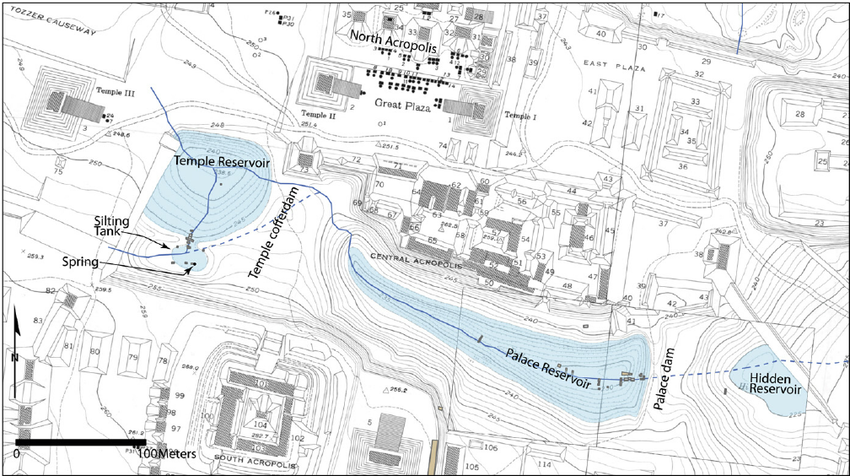
The city featured enormous pyramids, ceremonial plazas, and an extensive network of reservoirs that supplied water to the population.
Researchers from the University of Cincinnati conducted sediment analysis in multiple reservoirs across Tikal. The study revealed that several reservoirs contained elevated levels of mercury contamination.
Interestingly, the reservoirs closest to major temples and ceremonial areas showed the highest concentrations of mercury.
This pattern strongly suggests that ritual activities involving cinnabar played a major role in the contamination.
Why the Maya’s Cleanest Water Source Did Not Detect the Problem?
One of the most challenging aspects of mercury contamination is that it is extremely difficult to detect without scientific tools.
Unlike bacteria or algae, mercury does not make water look cloudy or smell unpleasant. Water contaminated with mercury can appear perfectly clean and fresh.
For the Maya, evaluating water quality likely relied on simple observations such as clarity, smell, and taste. If water appeared clean and did not cause immediate illness, it would likely have been considered safe.
Unfortunately, mercury poisoning often occurs gradually over long periods of exposure.
This means that people could drink contaminated water for years before symptoms became noticeable.
Without modern chemistry or environmental testing methods, the Maya would have had no practical way to identify the hidden toxin in their reservoirs.
Potential Health Effects on Ancient Populations
Modern medical research provides insight into how mercury exposure affects human health.
According to the Centers for Disease Control and Prevention (CDC), mercury can damage multiple systems in the body, particularly the nervous system.
Symptoms of mercury poisoning can include:
- Tremors and muscle weakness
- Memory loss
- Vision problems
- Difficulty concentrating
- Kidney damage
- Developmental problems in children
Long-term exposure can also affect cognitive function and emotional stability.
While it is difficult to determine exactly how mercury exposure affected ancient Maya populations, some researchers believe it could have contributed to health challenges in major urban centers.
However, it is important to note that mercury contamination was likely only one factor among many that influenced the long-term decline of certain Maya cities.
The Broader Context: Maya Civilization and Environmental Stress
The decline of many major Maya cities around 800–900 CE remains one of the most studied mysteries in archaeology.
Most experts believe the collapse was caused by a combination of environmental and social pressures.
These factors may have included:
Severe droughts that reduced rainfall and water supplies.
Deforestation caused by expanding agriculture and construction.
Overpopulation that strained local resources.
Political conflict and warfare between competing city-states.
Mercury contamination may have added another layer of environmental stress, particularly in densely populated urban centers.
While it likely did not cause the collapse by itself, it may have contributed to declining public health and social instability.
Early Water Filtration Innovations
Despite the discovery of mercury contamination, the Maya still demonstrated remarkable innovation in water purification.
Researchers studying the Corriental Reservoir at Tikal discovered evidence of materials that appear to have been used for water filtration.
These materials included:
- Quartz sand
- Zeolite minerals
Zeolite is especially interesting because it is widely used today in modern water purification systems.
Zeolite minerals can help remove impurities and improve water quality.
The discovery suggests that the Maya may have developed one of the earliest known water filtration systems in the world, potentially more than 2,000 years ago.
This highlights the remarkable ingenuity of Maya engineers, who were constantly adapting to environmental challenges.
Maya’s Cleanest Water Source: Lessons Modern Society Can Learn
The story of mercury contamination in Maya reservoirs offers important lessons for modern communities.
First, it shows that environmental contamination can occur even in advanced societies with sophisticated infrastructure.
Second, it demonstrates how cultural practices—such as the use of cinnabar in rituals—can unintentionally affect ecosystems.
Third, it highlights the importance of scientific monitoring and environmental testing.
Today, government agencies and environmental organizations conduct regular water testing to protect public health.
In the United States, resources for water safety and environmental protection include:
Chemical Study Suggests Bath Water in Pompeii Was Poorly Maintained
Rock From Mars Reveals Traces of Water After Detailed Scanning
James Webb Observations Point to a Planet With Vast Water Reserves