

Rapid Growth of At-Home DNA Tests: and across the United States, families are feeling it firsthand. From holiday gift exchanges in Texas to college dorm rooms in California, Americans are spitting into test tubes and mailing off their DNA like it’s just another Amazon return. What comes back can be exciting, surprising, and sometimes life-changing. But here’s the straight talk: while these tests promise insight into your roots, your health, and even your future, they also bring serious conversations about privacy, data protection, medical accuracy, and ethical responsibility. As someone who has spent years working in health policy research and public communication, I’ve watched this industry grow from a niche biotech experiment into a cultural phenomenon. It’s not hype. It’s a structural shift in how Americans think about identity and health.
Table of Contents
Rapid Growth of At-Home DNA Tests
The rapid growth of at-home DNA tests reflects America’s deep curiosity about identity and health. With more than 40 million users nationwide, these tools are reshaping conversations about ancestry, medicine, and privacy. The science is impressive, the accessibility is unprecedented, and the opportunities for research and personalized healthcare are enormous. But let’s keep it grounded. Genetic data is permanent. It affects not just you, but your family. Before mailing off your sample, understand the science, the risks, and your legal rights. With thoughtful consideration and informed decision-making, at-home DNA testing can be empowering rather than problematic. In today’s data-driven world, knowledge is power — but only when paired with responsibility.
| Topic | Key Data & Insights | Professional Impact |
|---|---|---|
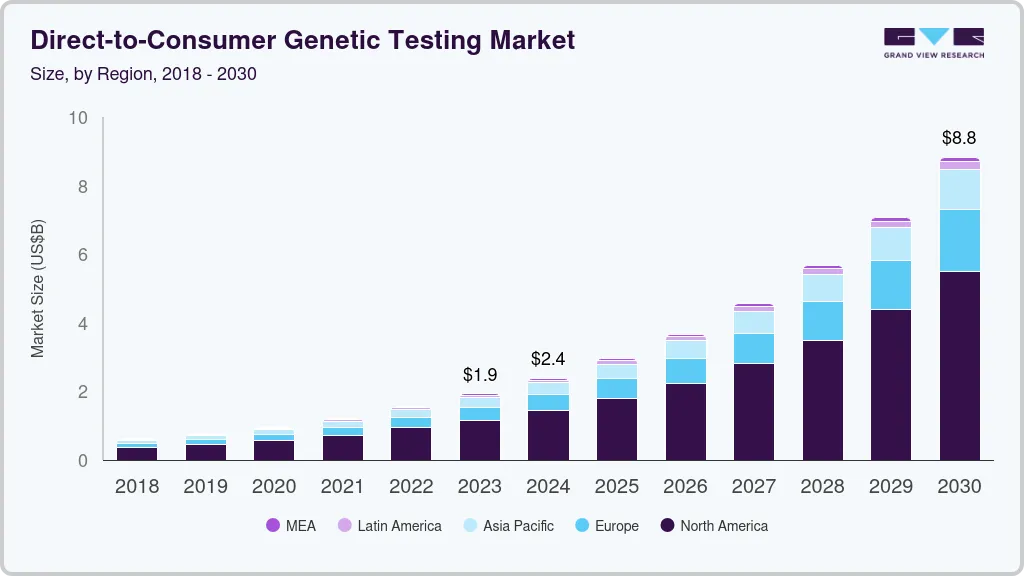
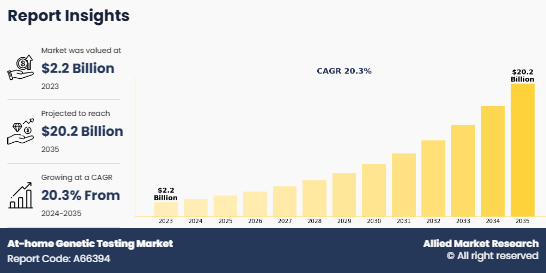
| Market Growth | DTC genetic testing market projected to surpass $20 billion globally by 2030 | Growth in genomics, biotech compliance, and health tech careers |
| U.S. Participation | Over 40 million Americans have taken consumer DNA tests | Increased demand for licensed genetic counselors |
| Data Breach Risk | 2023 breach affected nearly 7 million 23andMe users | Rising cybersecurity focus in biotech sector |
| Legal Protections | GINA protects against employment and health insurance discrimination | Policy and compliance professionals involved in enforcement |
What Exactly Are At-Home DNA Tests?
At-home DNA tests, formally known as direct-to-consumer (DTC) genetic tests, allow individuals to collect a saliva sample at home and send it to a laboratory for genetic analysis. Companies such as 23andMe, AncestryDNA, and MyHeritage DNA have built massive databases by offering simple kits priced between $59 and $199.
The science behind it? Your saliva contains DNA from your cells. Labs extract that DNA and analyze specific genetic markers called single nucleotide polymorphisms (SNPs). These markers help identify ancestry patterns and certain health risks.
According to the National Human Genome Research Institute, sequencing the first human genome cost nearly $3 billion. Today, consumer testing is accessible at a fraction of that cost because of massive advancements in sequencing technology. That price drop is a big reason why adoption has exploded nationwide.
Why Americans Are Jumping In?
There are a few major drivers behind the growth of DNA testing in the U.S.
First, Americans are naturally curious. We want to know where our grandparents came from. We want to know if we’re Irish, Nigerian, Cherokee, Italian, or a mix of everything. DNA tests promise that clarity.
Second, healthcare awareness is increasing. Many consumers are looking for early warnings about genetic risks for conditions like BRCA-related breast cancer, Alzheimer’s disease, or Parkinson’s disease. According to Pew Research Center, about 15% of U.S. adults have used at-home genetic testing services.
Third, marketing is powerful. These companies invest heavily in advertising, especially around major holidays. It’s not unusual to see DNA kits marketed as meaningful family gifts.
The Science: What Rapid Growth of At-Home DNA Tests Can and Cannot Do
Let’s break this down in plain language.
DNA tests compare your genetic markers to reference populations stored in company databases. The larger the database, the more refined the ethnicity estimates. But here’s the catch: ancestry percentages are statistical estimates, not absolute facts.
If a report says you are 24% Scandinavian, that doesn’t mean one specific grandparent was exactly 100% Scandinavian. It means your DNA markers most closely resemble people from that region.
Health reports work similarly. They identify genetic variants linked to increased risk of certain diseases. However, most common diseases are influenced by many genes plus lifestyle factors like diet, exercise, stress, and environment.
The U.S. Food and Drug Administration regulates certain health-related genetic tests. If a company claims medical insight, it must meet FDA review standards.
But ancestry-only tests do not face the same level of regulatory oversight.
Privacy: The Biggest Concern in the Room
Now let’s talk about the elephant in the room — genetic privacy.
DNA is not like your email address. It contains permanent biological identifiers. Once it’s exposed, you can’t change it.
In 2023, 23andMe disclosed a data breach affecting nearly 7 million users. Hackers accessed profile information, including ancestry details.
That incident sparked national debate about how companies store, encrypt, and protect sensitive data.
Here’s what consumers should look for:
- Does the company allow you to delete your DNA sample?
- Can you opt out of research studies?
- Is your data encrypted?
- What happens if the company is sold or declares bankruptcy?
States like California provide stronger consumer protections under the California Consumer Privacy Act (CCPA).
Legal Protections and Their Limits
The Genetic Information Nondiscrimination Act (GINA) protects Americans from discrimination in employment and health insurance based on genetic information.
However, GINA does NOT apply to:
- Life insurance
- Disability insurance
- Long-term care insurance
That gap matters. Professionals in financial planning often advise clients to secure insurance coverage before undergoing genetic testing.
Additionally, law enforcement has used public genealogy databases to solve cold cases. The Golden State Killer case brought national attention to how DNA databases can be accessed for criminal investigations.
This doesn’t mean companies freely hand over data — but policies vary, and terms of service matter.
Emotional and Family Impacts
Let’s be real: DNA results can shake up families.
It’s increasingly common for users to discover:
- Previously unknown siblings
- Donor-conceived relatives
- Misattributed parentage
- Adoption details
For some families, these discoveries are healing. For others, they’re disruptive.
Genetic counselors often recommend preparing emotionally before testing. According to the National Society of Genetic Counselors, discussing potential outcomes with family members beforehand can prevent conflict later.
Rapid Growth of At-Home DNA Tests: Professional and Career Implications
The boom in genetic testing isn’t just affecting consumers. It’s reshaping industries.
Career growth areas include:
- Genetic counseling
- Bioinformatics
- Healthcare data compliance
- Cybersecurity in biotech
- Regulatory affairs
- Health law
The U.S. Bureau of Labor Statistics reports that genetic counselors earn a median annual salary exceeding $89,000, with job growth projected faster than average.
Healthcare systems are also integrating genomic data into personalized medicine initiatives. Major hospital systems across the country are investing in precision medicine programs.
For professionals in IT, healthcare, policy, and law, this is not a passing trend — it’s a long-term industry transformation.
Step-by-Step Guide Before Taking an At-Home DNA Test
Step 1: Clarify Your Purpose
Are you interested in ancestry, health insights, or both? Different companies specialize in different areas.
Step 2: Compare Privacy Policies
Read the fine print. Understand data retention, research participation, and deletion rights.
Step 3: Check Regulatory Status
If purchasing a health-related test, confirm FDA authorization.
Step 4: Discuss With Family
Especially if unexpected discoveries could impact relatives.
Step 5: Plan for Follow-Up
If health risks appear in your report, consult a licensed healthcare provider or genetic counselor.
Step 6: Protect Your Digital Security
Use strong passwords and enable multi-factor authentication on your DNA account.
Ethical Considerations Moving Forward
As databases grow, questions about consent, ownership, and equity will intensify.
Communities historically underrepresented in genetic databases may receive less accurate ancestry estimates. Researchers continue working to diversify genomic datasets to improve fairness and representation.
There’s also ongoing debate about whether genetic data should be treated as private property or shared public health resource.
Federal lawmakers are exploring stronger data protections, but comprehensive national legislation remains under development.
Ancient DNA Reveals Rare Dwarfism in a 12,000-Year-Old Teenager
Mammoth Fossil Hunt Takes Wild Turn — Scientists Find Whale Bones 400 km Inland
This Mysterious Human Skull Could Rewrite the Out of Africa Theory