

These Animals Use Unique Methods to Stay Warm or Cool: and they do it with a kind of quiet brilliance that reminds us how deeply connected life is to the land. From the frozen tundra of Alaska to the scorching deserts of Arizona and Nevada, animals across North America have developed powerful survival systems to deal with extreme temperatures. These strategies aren’t random. They’re rooted in biology, shaped by generations, and backed by science.
As someone who has worked alongside conservation teams and environmental educators across tribal lands and public wildlife reserves in the United States, I’ve seen firsthand how understanding thermoregulation changes the way we protect species. Thermoregulation is simply the process by which animals maintain their internal body temperature within a safe range, even when the outside world swings from bitter cold to blazing hot. But the simplicity of that definition doesn’t do justice to how complex and ingenious these systems really are.
Table of Contents
These Animals Use Unique Methods to Stay Warm or Cool
These Animals Use Unique Methods to Stay Warm or Cool, and their survival strategies reveal the deep intelligence built into natural systems. From cooperative penguin huddles to freeze-resistant frogs in American forests, thermoregulation showcases the balance between biology and environment. As temperatures shift across the United States, understanding these mechanisms helps conservationists, ranchers, scientists, and policymakers prepare for what’s ahead. Nature has been solving temperature challenges for millions of years. The real question is whether we’re paying attention.
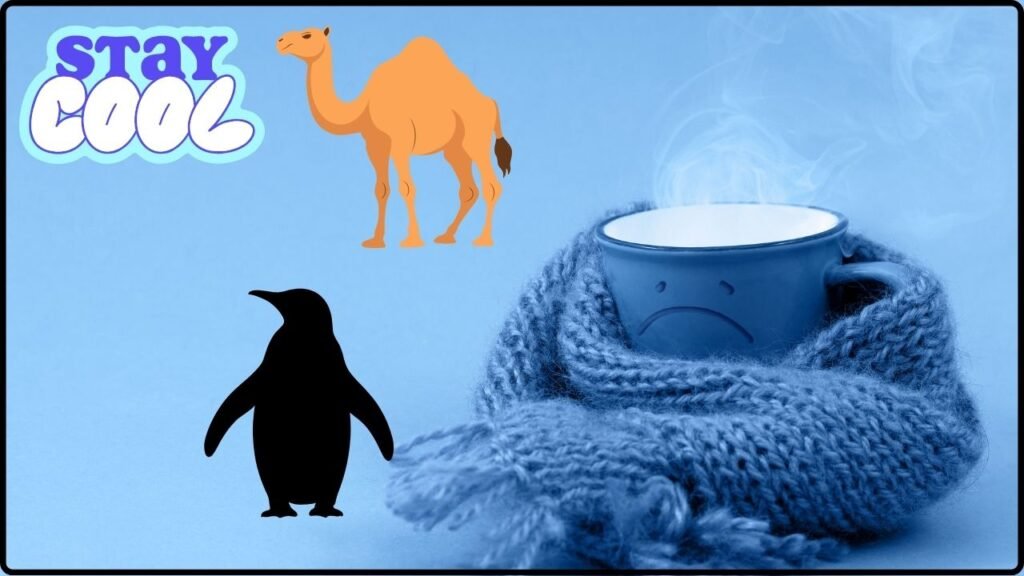
| Topic | Key Facts & Stats | Professional Insight |
|---|---|---|
| Thermoregulation | Most mammals maintain 97–102°F internal temperature | Essential for metabolic stability and survival |
| Arctic Survival | Emperor penguins endure -40°F winters | Counter-current heat exchange prevents limb heat loss |
| Desert Adaptation | Camels tolerate body temp swings of 6–7°C | Minimizes sweating, conserves water |
| Freeze Tolerance | Wood frogs survive with 65% body frozen | Glucose protects cells from ice damage |
| U.S. Climate Trends | 2023 among hottest years on record | Wildlife stress increasing nationwide |
These Animals Use Unique Methods to Stay Warm or Cool: The Science Behind Thermoregulation
At its core, thermoregulation involves balancing heat production and heat loss. Animals either generate heat internally or rely on the environment.
Warm-blooded animals, called endotherms, include mammals and birds. They generate their own heat through metabolism. Cold-blooded animals, known as ectotherms, rely more on environmental heat sources.
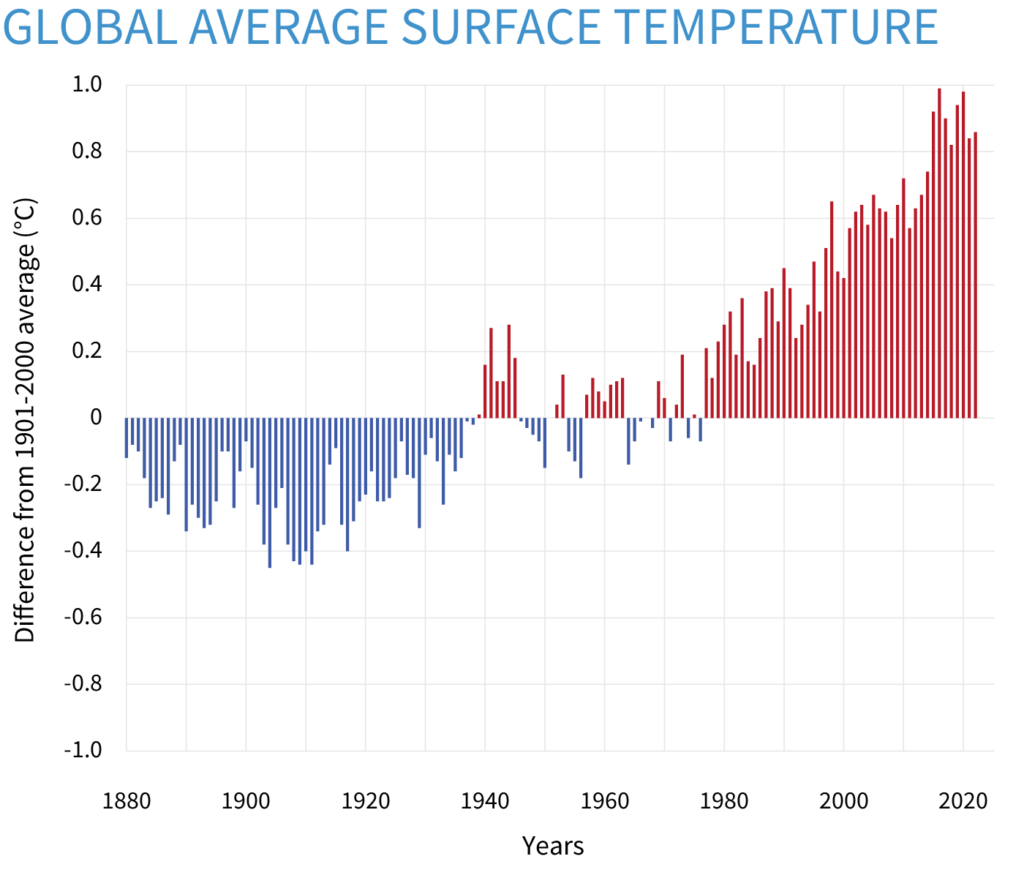
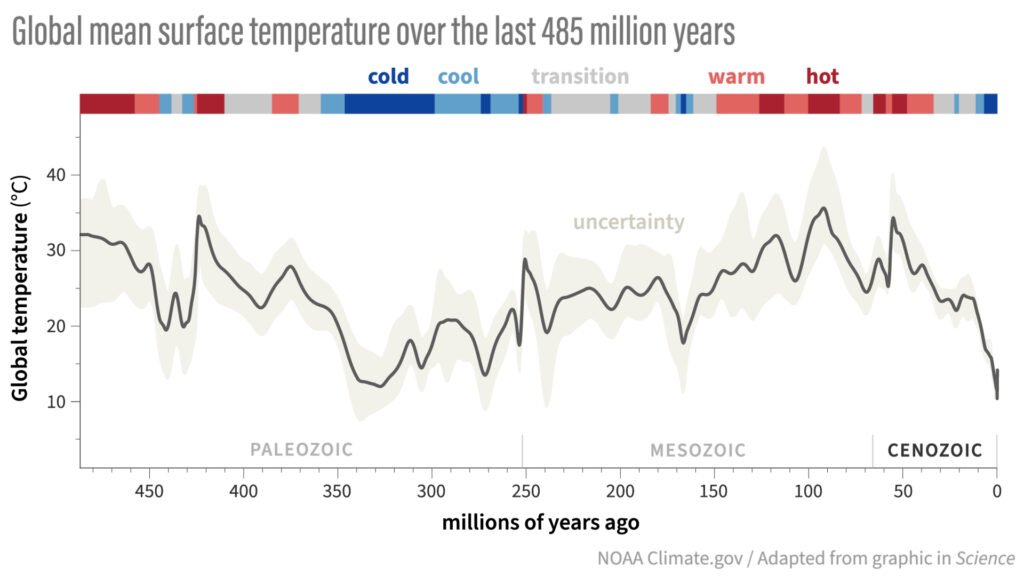
According to NOAA’s National Centers for Environmental Information, global average temperatures continue to rise, with the U.S. experiencing more frequent heat waves and unpredictable winter storms. That makes thermoregulation more important than ever—not just for wildlife, but for agriculture, ecosystem balance, and even human infrastructure planning.
Professionals in veterinary science, ecology, and wildlife management track temperature tolerance thresholds to predict survival rates. For example, livestock begin experiencing heat stress around 80–85°F depending on humidity levels. Wildlife species have similar biological tipping points.
Now let’s walk through the remarkable ways animals manage these extremes.
Thriving in Extreme Cold
Emperor Penguins and Cooperative Survival
The Emperor penguin survives some of the harshest winters on Earth. Temperatures in Antarctica can drop below -40°F, and wind speeds often exceed 100 miles per hour.
Instead of facing this alone, emperor penguins huddle in tightly packed colonies that can include thousands of birds. They rotate positions, ensuring that no individual remains exposed to the outer freezing wind for too long. This collective behavior reduces heat loss by up to 50 percent.
Their bodies also use counter-current heat exchange, where warm arterial blood transfers heat to cooler venous blood returning from extremities. This prevents frostbite while maintaining core warmth.
Architects and engineers study these heat-conserving formations to design energy-efficient housing and stadium seating arrangements. That’s real-world application straight from wildlife.
Arctic Fox and Layered Insulation
The Arctic fox carries one of the warmest fur coats in the animal kingdom. Research cited by National Geographic shows Arctic fox fur provides insulation effective even at -58°F.
Its compact body minimizes surface area exposure. Even its paws are covered in fur. During storms, the fox wraps its thick tail around its face like a scarf.
From a biological standpoint, insulation works because trapped air reduces heat transfer. Professionals in materials science have studied Arctic mammal fur to inspire cold-weather clothing technologies used by outdoor workers and military units operating in Alaska.
Polar Bears and Fat-Based Warmth
The Polar bear relies heavily on blubber. Beneath its fur lies a fat layer up to four inches thick. Blubber acts as both insulation and energy storage.
Interestingly, polar bear fur is translucent, not white. It reflects light while their black skin absorbs solar radiation. According to the World Wildlife Fund, this adaptation helps maximize heat retention.
However, shrinking sea ice due to warming temperatures threatens this system. When ice melts earlier, polar bears lose access to hunting grounds, reducing fat accumulation before winter.
For wildlife managers in Alaska, this data drives conservation planning and hunting regulations.
Surviving Blistering Heat
Dromedary Camels and Controlled Temperature Swings
The Dromedary camel has mastered desert life. Unlike most mammals, camels allow their body temperature to fluctuate throughout the day. It can rise from about 93°F at night to over 104°F in the daytime before sweating begins.
This controlled fluctuation conserves water. Sweating leads to evaporation, which cools the body but depletes fluids. By delaying sweating, camels reduce water loss significantly.
The National Geographic animal database confirms camels can lose up to 25 percent of their body weight in fluids and rehydrate quickly without harm.
In drought-prone regions of the American Southwest, ranchers study camel physiology to improve cattle hydration management strategies during extended heat waves.
African Elephants and Thermal Radiators
The African elephant uses its enormous ears as cooling devices. Large blood vessels circulate warm blood through thin ear tissue. Flapping increases airflow and enhances heat release.
Research published by the World Wildlife Fund shows ear flapping can reduce body temperature by several degrees.
In U.S. zoos and wildlife preserves, elephant enclosures include water misters and shaded structures to mimic these natural cooling mechanisms.
Engineers studying passive cooling systems in buildings analyze elephant ear vascular design to improve airflow-based temperature control.
Kangaroo Rats and No-Water Survival
The Kangaroo rat of the American Southwest survives extreme heat without drinking liquid water. Instead, it metabolizes moisture from seeds.
It remains underground during the day, where burrow temperatures can be 20–30 degrees cooler than surface conditions. According to the Smithsonian National Zoo, kangaroo rats produce highly concentrated urine to conserve fluids.
Desert soil insulation studies often reference burrow temperature stabilization as a model for sustainable underground housing.
The Astonishing Freeze-Tolerant Wood Frog
The Wood frog can survive freezing temperatures by entering a suspended state. Up to 65 percent of its body water freezes. Its heart stops. Breathing ceases.
Before freezing, the frog floods its tissues with glucose, which acts as a cryoprotectant. This sugar prevents ice crystals from damaging cells.
Medical researchers studying organ transplantation are exploring how this freeze tolerance can improve long-term preservation techniques.
Behavioral Thermoregulation
Not all adaptations are physical. Many are behavioral.
Bison in the American plains face winter storms head-on to prevent snow from penetrating their thick fur. Desert reptiles bask in morning sun to warm up, then retreat into shade during peak heat.
Even domestic dogs pant to regulate temperature. Panting increases evaporation from the tongue and respiratory tract.
Behavioral shifts often require minimal energy but provide significant thermal advantage.
Why Thermoregulation Matters in Today’s America?
Climate data from NOAA confirms that heat waves in the U.S. are lasting longer and occurring more frequently. Cold snaps remain intense but less predictable.
Wildlife agencies use thermoregulation research to predict which species are most vulnerable. For example:
- Amphibians are highly sensitive to moisture and temperature changes.
- Arctic mammals depend on stable ice conditions.
- Desert species face rising nighttime temperatures that reduce cooling recovery periods.
Livestock industries also track heat stress indexes combining temperature and humidity. When the index rises above 90, cattle productivity declines significantly.
Urban planners design green roofs and tree canopies to reduce heat islands, inspired in part by natural shading and cooling systems seen in wildlife habitats.
Step-by-Step Breakdown of These Animals Use Unique Methods to Stay Warm or Cool
Step One: Reduce Heat Loss
Animals grow thicker fur or feathers. Fat layers provide insulation.
Step Two: Manage Blood Flow
Counter-current exchange minimizes heat escape through limbs.
Step Three: Modify Behavior
Huddling, burrowing, basking, or seeking shade.
Step Four: Adjust Metabolism
Hibernation reduces energy needs during winter scarcity.
Step Five: Use Evaporative Cooling
Panting or sweating releases internal heat.
Each layer builds resilience.
The Bouba Effect Explained — Why Both Animals and Humans Link Sounds to Shapes
Prehistoric Artists Carved Geometric Patterns on Eggshells 60,000 Years Ago
Ancient Markings Suggest Humans May Have Used Symbols Tens of Thousands of Years Ago