
Across the United States, winter utility bills have climbed sharply, and analysts increasingly point to the Heating System known as electric resistance heating as a major cause. Energy researchers say millions of homes still rely on the technology, which converts electricity directly into heat. Because electricity is typically the most expensive heating fuel, households using it often face higher winter energy bills than those with modern equipment.
Table of Contents
This Heating System Is Reportedly Driving the Highest Energy Bills in U.S. Homes
| Key Fact | Detail/Statistic |
|---|---|
| Efficiency difference | Heat pumps deliver 2–3 times more heat per unit of electricity |
| Operating cost | Resistance systems cost more to run than natural gas or heat pumps |
| Homes affected | Common in apartments and older homes in warmer regions |
Energy researchers say the Heating System will remain in millions of homes for years, especially in rental housing. However, gradual replacement with efficient technologies could lower household bills and reduce strain on the power grid. As utilities modernize infrastructure, heating efficiency is expected to become a central part of future energy policy.
What Is the Heating System?
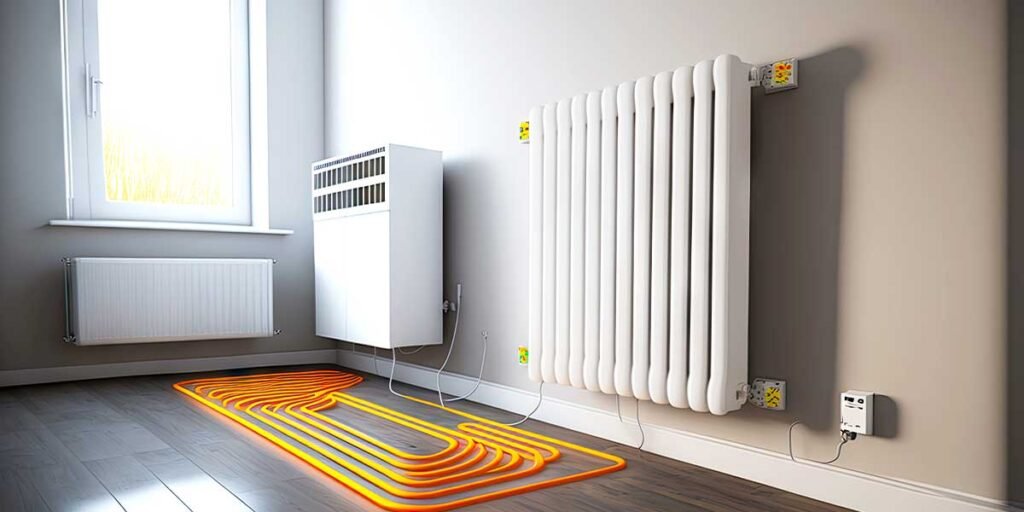
The Heating System discussed in recent reports refers to electric resistance heating systems, including baseboard heaters, electric furnaces, and wall-mounted heaters. These devices operate on a simple principle: electricity passes through a metal element that becomes hot and warms surrounding air.
Unlike modern technologies, they do not transfer heat from outdoors. They produce heat directly.
According to the U.S. Department of Energy (DOE), resistance heaters convert almost all electricity into heat. However, the agency explains this does not mean lower bills. The problem lies in the cost of the energy source itself.
“Electric resistance heat is reliable and widely available, but it is typically the most expensive option for space heating,” the DOE notes in consumer guidance.
Why the Heating System Leads to Higher Bills
The issue is rooted in physics and pricing.
Electric resistance heating provides one unit of heat for each unit of electricity consumed. Heat pumps, by contrast, move heat rather than generate it.
Because of this, heat pump efficiency can exceed 200% to 300%, meaning households receive two to three units of heat for each unit of electricity.
The U.S. Energy Information Administration (EIA) reports electricity is typically the costliest heating fuel per thermal unit in many states. During cold weather, heaters operate for longer periods, and consumption rises quickly.
“Resistance heat is a direct conversion,” said Dr. Jennifer Amann, senior fellow at the American Council for an Energy-Efficient Economy (ACEEE). “You pay for every unit of heat produced. Heat pumps multiply that output, which lowers operating costs.”
A household relying on baseboard heating may consume several thousand kilowatt-hours during a cold month — often doubling or tripling typical electricity use.
Real Household Impact
For many Americans, the problem becomes visible only when winter arrives.
Consumer advocates say households often report sudden spikes in home energy costs after cold snaps. Bills can increase dramatically even when residents do not change thermostat settings.
In colder regions, heating may account for about half of a home’s total energy use, according to DOE estimates.
Low-income households are especially vulnerable because they often live in rental units equipped with older systems.
“The people paying the highest energy bills are often those least able to replace the equipment,” said Mark Wolfe, executive director of the National Energy Assistance Directors Association.
Where the System Is Most Common
Electric resistance heating is especially common in:
- Apartment buildings
- Older houses
- The Southeast
- The Pacific Northwest
The technology became popular in the 1960s and 1970s when electricity was inexpensive and construction costs were a priority. Builders could install electric heaters quickly without gas lines or ductwork.
Housing analysts say landlords favored the system because installation costs were low, even though long-term operating expenses fell on tenants.
Rising Electricity Prices Add Pressure
Recent trends have intensified the issue. Electricity demand has increased due to electric vehicles, data centers, and population growth.
The EIA reports residential electricity prices have steadily risen in recent years. When inefficient heating equipment is used, higher prices translate directly into higher winter bills.
Utilities also face peak demand during cold weather. When many homes heat with electricity simultaneously, power plants must increase output, which raises system-wide costs.
Alternatives: Heat Pumps and Modern Systems
Energy specialists recommend replacing resistance heaters with modern systems.
Heat pumps work by extracting heat from outside air and transferring it indoors. Even cold air contains thermal energy.
The DOE states modern cold-climate models operate efficiently below freezing temperatures.
“Today’s heat pumps are very different from those of the 1980s,” said Dr. Sarah Widder, an energy systems researcher. “They are now capable of heating homes in northern states while reducing electricity use.”
How Other Countries Address the Issue
The problem is not unique to the United States, but other nations have taken different approaches.
Several European countries reduced reliance on resistance heating after energy crises in the 1970s. Governments encouraged district heating networks and high-efficiency systems.
In Scandinavia, heat pumps are now common household appliances. Analysts say widespread adoption lowered national heating energy consumption despite colder climates than most of the U.S.
Japan also widely uses inverter air conditioners for heating, which function similarly to heat pumps.
Energy policy researchers say these transitions demonstrate that technology choice strongly influences national energy demand.
Policy and Incentives
The U.S. government is now encouraging upgrades.
The Inflation Reduction Act introduced rebates and tax credits for efficient heating equipment. The DOE reports households may qualify for substantial financial assistance when replacing older systems.
However, adoption remains slow.
Homeowners face installation costs, and renters usually cannot make structural changes to buildings.
Environmental and Grid Effects
The Heating System also has environmental consequences.
Electric resistance heating increases peak electricity demand during winter evenings. Utilities must generate more power quickly, often using fossil-fuel plants.
Energy planners warn that inefficient heating complicates efforts to reduce greenhouse-gas emissions.
An ACEEE policy analysis found replacing resistance heaters with heat pumps could significantly cut residential electricity demand and carbon emissions.
FAQs About This Heating System Is Reportedly Driving the Highest Energy Bills in U.S. Homes
Why is electric resistance heating still used?
It is inexpensive to install and requires little construction. Many buildings were designed around it decades ago.
Is it unsafe?
No. Experts consider it safe. The issue is high operating cost, not safety.
Can renters reduce costs?
They can lower thermostats, seal drafts, and use insulation improvements, though savings are limited without equipment replacement.
Are heat pumps reliable in cold weather?
Yes. Modern models function efficiently below freezing, according to DOE research.