
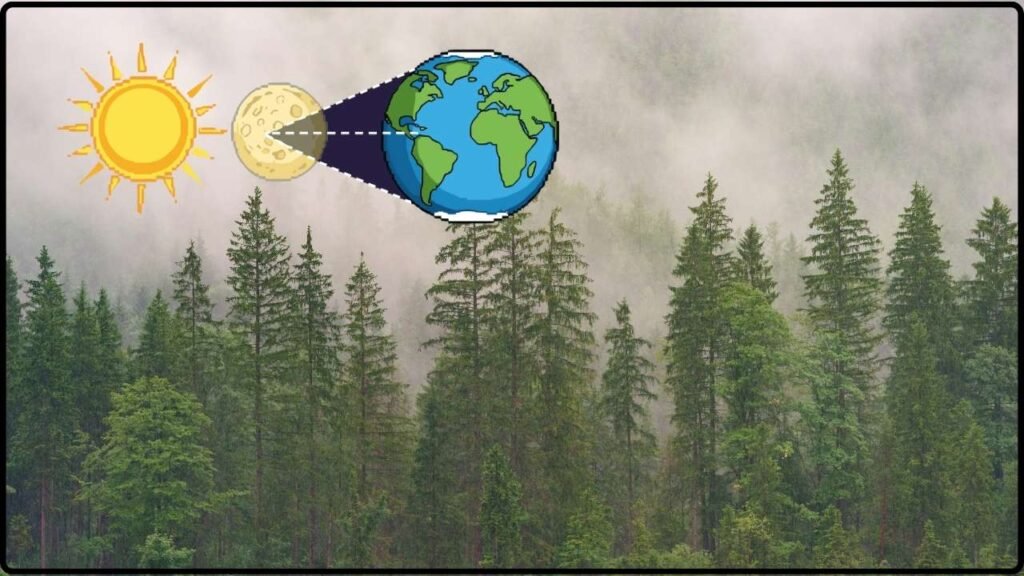
Trees Can Sense Solar Eclipses: Can trees really sense solar eclipses? This question, which may sound like a plotline from a fantasy novel, has sparked intense discussion in the scientific community—especially after a 2025 study suggested that Norway spruce trees might actually react in advance of a solar eclipse. Just picture it: entire forests somehow “feeling” the sky change before the sun disappears behind the moon. This captivating idea has lit up headlines and social media feeds, but also triggered serious scientific scrutiny. Are we witnessing an overlooked marvel of nature, or is this just a misinterpretation of routine plant responses to environmental changes? In this article, we break it all down into easy-to-understand terms, dive into the science, and explore what this could mean for ecology, climate research, and even farming.
Table of Contents
Trees Can Sense Solar Eclipses
The idea that trees can sense solar eclipses is not yet confirmed, but it’s part of a broader scientific awakening about how plants interact with their environment. Whether it’s a matter of anticipation or just sensitivity to light and heat changes, what’s clear is this: trees are a lot more dynamic than we once believed. As plant research continues to evolve, so too will our appreciation for forests — not just as collections of trees, but as living, responsive systems deeply in tune with the Earth.
| Topic | Details |
|---|---|
| Main Keyword | Do trees sense solar eclipses? |
| Study Overview | 2025 study observed Norway spruce trees showing synchronized electrical activity during a solar eclipse. |
| Main Claim | Trees might “anticipate” eclipses using internal bioelectrical systems. |
| Scientific Pushback | Critics say the study lacks sufficient data and control over environmental variables. |
| Fields Impacted | Forestry, plant biology, environmental monitoring, ecological forecasting. |
| Expert Opinions | Scientists caution that extraordinary claims require extraordinary evidence. |
| Suggested Reading | Royal Society Open Science, Discover Magazine |
| Practical Implications | Could reshape how we monitor forests, agriculture, and climate-related plant responses. |
What Sparked the Buzz? The 2025 Norway Spruce Study
In April 2025, a research team in Italy published a paper in Royal Society Open Science that turned heads. Their study focused on Norway spruce trees (Picea abies) in the Italian Dolomites and what they observed during a partial solar eclipse in October 2022.
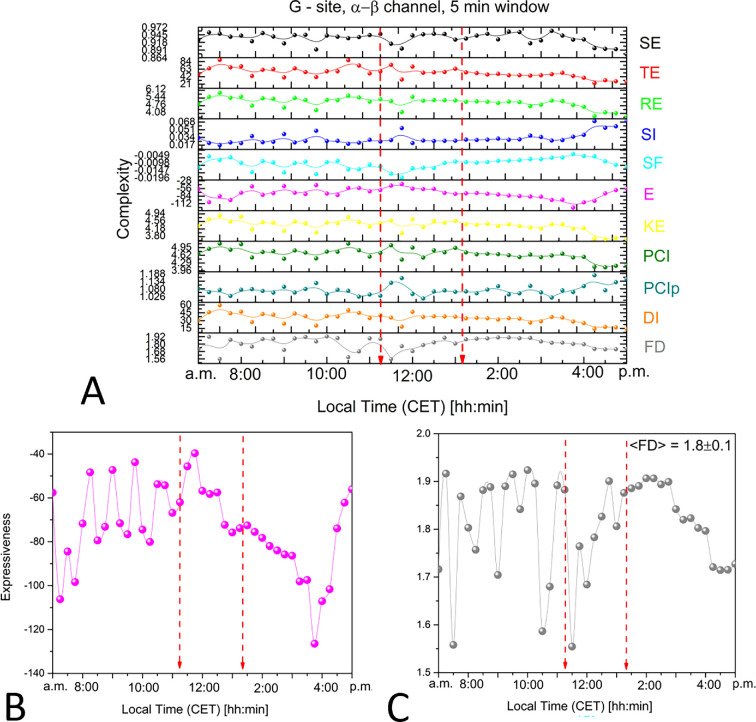
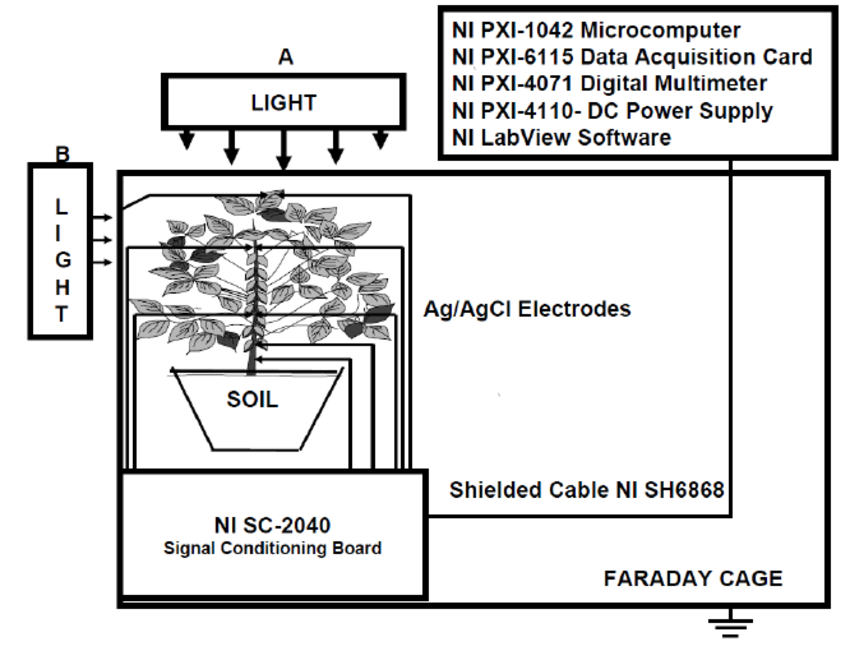
Using electrodes to monitor each tree’s electrome—their internal electrical signaling system—the scientists noticed something unexpected. Multiple trees showed synchronized bioelectrical responses not only during but also hours before the eclipse had started. Interestingly, older trees reacted first, followed by younger ones.
This electrical activity wasn’t caused by sudden changes in sunlight alone; the synchrony and timing hinted at a coordinated, almost anticipatory, response. The researchers described this as evidence of a shared environmental sensitivity or even “forest intelligence.”
But what exactly is an electrome? Let’s get into that.
What Is the Electrome and How Do Trees Can Sense Solar Eclipses?
The electrome refers to the network of bioelectrical signals plants and trees use to process environmental information. Much like our nervous system (though less complex), plants generate voltage signals that control everything from root growth to stomata opening.
Changes in temperature, humidity, light, and even touch can trigger these signals. For example:
- A tree under water stress might generate electric pulses that slow leaf growth.
- Some plants, like the Venus flytrap, use action potentials (a kind of electric impulse) to snap shut.
This all suggests that trees are not passive organisms. They interact dynamically with their environment, processing cues that help them adapt. But can this system pick up something as rare and brief as a solar eclipse?
Scientific Skepticism: Strong Claims Need Stronger Evidence
While the 2025 study lit up the media, many scientists were quick to voice their skepticism. A follow-up review in Trends in Plant Science laid out several key concerns.
Main Points from Critics:
- Environmental Interference: Light wasn’t the only thing changing. Temperature, humidity, and wind can all influence bioelectrical responses. These were not fully accounted for.
- Limited Scope: The study observed fewer than a dozen trees in a single location. That’s too small a sample to draw large-scale conclusions.
- Low Eclipse Magnitude: The eclipse only reduced sunlight by about 10%. This level of light reduction is common during cloud cover and may not be significant enough to provoke such reactions.
- No Baseline Control: The researchers didn’t include unaffected trees outside the eclipse zone to serve as controls for comparison.
As one skeptical researcher, Dr. Anna Pilotti from the University of Washington, put it:
“Without control trees and more environmental data, it’s difficult to say whether trees are responding to the eclipse or just to weather.”
So, while the findings are intriguing, they don’t yet meet the gold standard for scientific validation.
The Bigger Picture: How Plants React to Light and Time
Even though the eclipse connection is still unproven, there’s a mountain of evidence showing that trees and plants are deeply sensitive to light cycles and circadian rhythms.
Here’s what we know for sure:
- Trees track day length and adjust their growth and dormancy accordingly (called photoperiodism).
- Sunlight direction triggers movement in leaves and flower heads (like sunflowers turning toward the sun).
- Plants have circadian clocks that regulate internal processes like nutrient flow and water absorption.
So, when the sky suddenly darkens during a solar eclipse—even for a few minutes—it’s reasonable to expect some reaction. But whether that response is predictive or merely reactive remains the million-dollar question.
Historical Observations: Eclipses in Traditional Ecological Knowledge
Centuries before sensors and scientific journals, Native American and Indigenous communities observed natural reactions to eclipses and shared those insights in oral traditions.
The Cherokee described animals hiding and birds falling silent during eclipses. The Ojibwe considered eclipses sacred times when the Earth, Sun, and Moon were speaking to one another.
Even without formal data, their observational records align with modern eclipse phenomena, like:
- Sudden bird silence
- Flower closure in midday
- Bees returning to hives
- Temperature drops of 5–15°F
These traditional insights may not prove trees predict eclipses, but they underscore a long-held awareness that nature responds during these rare events.
Why Does Trees Can Sense Solar Eclipses Matter? Real-World Implications
Whether or not trees truly “feel” eclipses, this research opens doors to valuable real-world applications.
1. Environmental Monitoring
Bioelectrical signals could be used to monitor forest stress in real time. Instead of waiting for visible signs of disease or drought, forest managers might detect changes early through electrical patterns.
2. Precision Agriculture
Farmers could one day use electrome sensors to fine-tune irrigation, detect pest invasions, or respond to crop stress before yield is lost. Some biotech companies are already testing this technology.
3. Climate Change Readiness
If we can better understand how plants respond to short-term and extreme events like eclipses, heatwaves, or unexpected shade, we can breed or manage crops to be more resilient.
“There’s untapped potential in plant electrophysiology — we’re only beginning to decode it,” says Dr. Lewis McLaren, a plant neurobiology expert from UC Davis.
Want to Try This at Home? Citizen Science for Eclipse Observers
You don’t need a lab coat to participate in this research. During the next eclipse in your area, you can run a basic observation experiment.
Here’s how:
- Choose a tree in your yard or local park.
- Observe it at least 1 hour before, during, and 1 hour after the eclipse.
- Record anything unusual:
- Changes in leaf orientation
- Movement of flower petals
- Insect or bird activity
- Use a light meter (or app) to track changes in brightness.
- Share your findings with local universities or citizen science programs like NASA’s Eclipse Soundscapes.
Crowdsourced data can help validate or challenge the claims made in high-profile studies — and who knows, your backyard might contribute to future discoveries!
The 2026 NASA Missions That Could Make Space History
A Black Hole’s Sudden Energy Burst Has Scientists Comparing It to a Sci-Fi Superweapon
Perseverance Marks 1,500 Sols on Mars with a Spectacular Selfie—and a Spooky Surprise